

When your hair suddenly starts shedding more than usual, most people think of hormones, age, or stress but indoor mold exposure is far more common than we realize. Global reviews estimate that 10–50% of homes in regions like North America, Europe, Australia, India, and Japan show signs of dampness or mold, which means a lot of us are exposed without noticing it.
The answer to “can mold cause hair loss” is that mold is rarely the only cause, but chronic mold exposure can be one of several stressors that push hair into a shedding phase. When mold drives inflammation, immune changes, poor sleep, or nutrient depletion, it can trigger stress-related shedding (telogen effluvium). The good news is that this type of loss is often reversible once the trigger is removed and follicles get proper support.
What Is Mold?
Mold is a type of fungus that thrives on damp materials like drywall, wood, carpet, and fabric. Outdoors, it helps break down organic matter. Indoors, persistent mold growth is treated as indoor air pollution, a sign of ongoing moisture problems rather than something harmless.
Why Does It Matter for Hair Health?
-
Hair follicles are highly sensitive mini-organs. They respond quickly to whole body stress signals like illness, inflammation, hormonal shifts, and nutrient gaps. Chronic mold exposure adds to that stress load.
-
In conditions like telogen effluvium, a major trigger (infection, surgery, severe stress, environmental exposure) pushes more follicles than normal into the resting/shedding phase.
-
Once that trigger is addressed, studies show that excessive shedding often settles within a few months and new growth gradually returns which is the same recovery pattern we look for when hair loss from mold is part of a bigger stress picture.
That’s why mold isn’t just a “house problem.” For some people, ongoing mold exposure becomes one of the hidden factors that tips already-stressed follicles into shedding and also why, with the right steps, that kind of loss is often reversible rather than permanent.
Can Mold Exposure Actually Cause Hair Loss?
When people ask “can mold cause hair loss” or “can mold exposure cause hair loss”, they’re really asking if there’s a believable biological path from breathing in spores to seeing more hair in the drain.
1. Chronic inflammation stresses follicles: Long-term living or working in damp, moldy environments is linked with higher rates of cough, wheeze, and other inflammatory symptoms. That inflammation doesn’t stay only in the lungs. Systemic inflammation and immune activation can change the scalp environment and place extra stress on follicles one way mold exposure can make your hair fall out as part of a wider body response.
2. Immune overactivation triggers telogen effluvium: In hair science, any strong systemic trigger (infection, major inflammation, surgery, high fever) can push more follicles into the resting (telogen) phase, causing diffuse shedding known as telogen effluvium.
3. Mycotoxins add oxidative and metabolic stress: Some molds produce mycotoxins, which for hair, acts as extra oxidative and metabolic stress that can nudge vulnerable follicles toward weaker growth or earlier shedding especially if other factors (like genetics or hormones) are already in play.
4. Mold-related stress and hormone disruption affect the hair cycle: Hair specialists consistently list intense or prolonged stress as one of the most common triggers for telogen effluvium, where shedding typically spikes 2–3 months after the trigger.
If your hair looks weaker or thinner after a rough stretch, Signs of Healthy vs Unhealthy Hair can help you catch early changes in thinning.
5. Nutrient gaps weaken hair from the inside: Ongoing illness, poor sleep, or appetite changes linked to mold exposure can quietly create deficiencies in iron, vitamin D, zinc, protein, and other key nutrients. These nutrient gaps are strongly tied to diffuse thinning and weaker strands, which is why correcting them is a key part of any mold and hair loss treatment plan.
6. Telogen effluvium: In telogen effluvium, a larger-than-normal share of hairs shift into the resting phase and shed. This usually starts 2–3 months after a major trigger. Once the trigger (like chronic mold exposure) is removed, shedding often normalizes within 3–6 months, and new growth fills in gradually over the following months.
Symptoms of Mold Exposure
While mold doesn’t make hair fall out overnight, long-term exposure can contribute to a stress-related shedding pattern in some people.
Here are the hair-focused signs to watch for:
-
Diffuse shedding across the whole scalp: This pattern looks similar to telogen effluvium, where a larger-than-normal percentage of hairs shift into the resting phase after a major trigger (infection, illness, inflammation, or an environmental stressor like mold).
-
Shedding that starts a few months after strong symptoms of mold exposure: Once the underlying trigger is removed, excessive shedding usually settles within 3–6 months, with regrowth gradually filling back in over the following months.
-
Hair that looks and feels weaker overall: Individual strands may feel finer, flatter, or less resilient than before, even if you haven’t changed products or styling habits.
-
More breakage on top of shedding: You may see a mix of full-length hairs with bulbs (true shedding) and short, snapped pieces (breakage).
If you’re also noticing specific patterns like thinning mainly at the crown, read Why Is My Hair Thinning at the Crown? -
Scalp discomfort paired with increased hair fall: Some people report itchiness, burning, or tenderness on the scalp along with extra shedding after spending time in a damp, mold-damaged building. While mold doesn’t usually infect the scalp directly, chronic immune activation and inflammation can make the scalp feel more sensitive, and that same systemic stress can tip follicles into a shedding state.
How Do You Treat Hair Loss Caused by Mold Exposure?
There’s no single magic pill for mold and hair loss treatment as you’re treating two things at once: the mold exposure and your hair and scalp’s recovery from that stress.
Step 1: Reduce mold exposure in your environment: Before worrying about “is hair loss from mold reversible”, you have to stop the ongoing trigger.
-
Look for obvious moisture sources: Past or current leaks (roof, plumbing, windows, damp basements, bathrooms, laundry rooms, or AC units
-
Fix moisture first (leaks, poor ventilation, standing water). Without this, mold tends to return even after cleaning.
-
For significant or hidden problems (behind walls, large areas, water damage), professional mold inspection and remediation is usually the safest option.
Step 2: Talk to a doctor and a hair/scalp specialist: Because mold can cause hair loss has an indirect, systemic pathway, it’s smart to involve professionals early.
-
A primary care doctor or relevant specialist (allergist, pulmonologist) if you have strong symptoms of mold exposure like chronic cough, wheeze, or fatigue.
-
A dermatologist or trichologist to examine your scalp and confirm whether you’re dealing with telogen effluvium, pattern hair loss, or a mix of both.
-
Ask specifically about: Blood work for key nutrients (iron, ferritin, vitamin D, zinc, B12, etc.), thyroid and other hormone checks if you have broader symptoms like fatigue, weight changes, or temperature intolerance.
For a broader look at recovery potential, you can also read iRESTORE’s guide: Is Hair Loss Reversible?
Step 3: Calm and protect the scalp: While you’re addressing the environment and health workup, your scalp still needs day-to-day support.
-
Keep your routine gentle: Use mild, scalp-friendly shampoos; avoid harsh sulfates or very hot water. Don’t scratch or scrub aggressively, even if your scalp feels itchy or sensitive.
-
Clear buildup and flakes: Product buildup, sebum, and dead skin can suffocate follicles and worsen breakage. A consistent, gentle cleansing routine helps maintain a healthier scalp environment while follicles recover.
-
Add circulation-friendly habits: Gentle scalp massage a few times per week can support blood flow to the follicles. iRESTORE’s guide on How to Massage Scalp for Hair Growth walks through simple techniques you can use at home.
Step 4: Support hair from the inside: Many people dealing with long-term mold exposure feel fatigued, stressed, and off their normal routine all of which affect hair.
-
Focus on nutrient-rich eating: Adequate protein (the building block of keratin, iron and ferritin (especially important if you have diffuse thinning) and Vitamin D, zinc, B-vitamins which are commonly low in people with chronic illness or poor appetite
-
Why this matters: Reviews on diffuse hair loss show a high prevalence of at least one nutrient deficiency in people with unexplained thinning, and correcting these issues is a key part of helping follicles re-enter a healthy growth phase.
-
Rebuild the basics: Prioritize consistent sleep and stress management; both are strongly linked with the stability of the hair growth cycle.
Step 5: Add targeted therapies once triggers are under control: Once you’ve reduced mold exposure, started addressing health issues with your doctor, and built a gentle scalp and lifestyle routine, you can look at adding targeted therapies that support follicles directly.
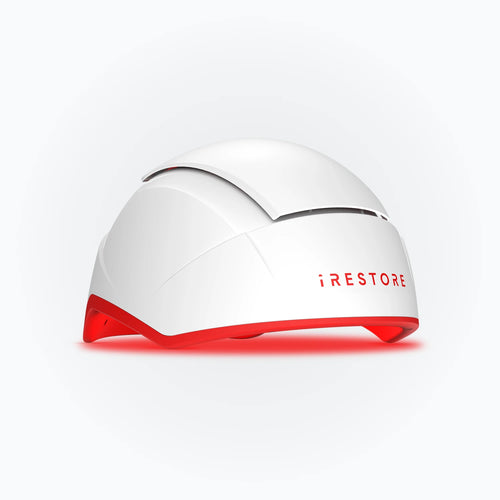
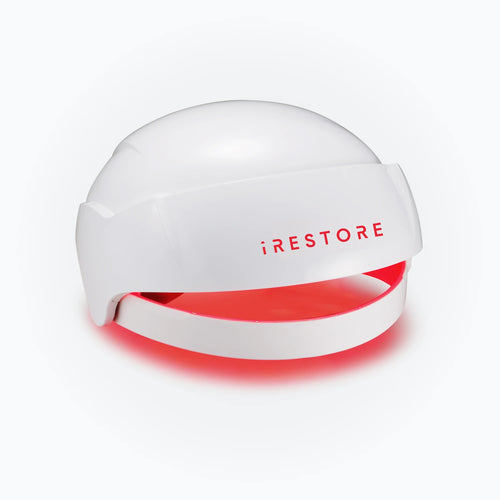
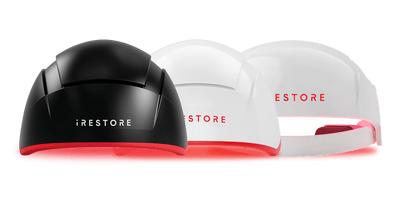
One of the most studied non-drug options is low-level light therapy (LLLT) also called red light therapy which is what iRESTORE’s hair growth systems are built around.
How Can iRESTORE’s Red Light Therapy Help After Mold-Related Hair Loss?
Red light therapy uses specific red/near-infrared wavelengths that are absorbed by mitochondria in hair follicle cells, boosting cellular energy (ATP) and encouraging thicker growth and a healthier anagen (growth) phase making mold and hair loss treatment more about true regrowth than just damage control. Clinical trials of LLLT devices (helmets, caps, combs) show significant increases in hair density compared with placebo/sham devices. Improvements typically seen over 16–26 weeks of regular use.
LLLT appears to work by:
-
Increasing cellular energy (ATP) inside follicles.
-
Supporting microcirculation and nutrient delivery to the scalp.
-
Helping extend the active (anagen) growth phase of the hair cycle.
For more detail on how light-based therapy fits into a routine, you can explore: Best Red Light Wavelength for Hair Growth: 650nm vs 850nm
Real People, Real Experiences
When people dealing with hair loss from mold move out, fix leaks or reduce mold exposure and layer in healthier sleep, nutrition, gentle scalp care , consistent iRESTORE sessions, the first change they usually report is less shedding and hair that feels stronger, smoother, and easier to detangle. Over the next few months, they start seeing short “baby hairs” along the hairline or part and a gradual return of fullness.

Conclusion
Mold exposure can act like any other major stressor on the body: fueling inflammation, immune activation, poor sleep, and nutrient gaps that together can push follicles into a temporary shedding phase. The reassuring part is that in many cases this pattern behaves like telogen effluvium, once the trigger is removed and your health and scalp are supported, shedding often settles and new growth gradually returns, which means hair loss from mold is often reversible rather than permanent.
Long term, the most effective mold and hair loss treatment plan is layered: clean up damp, moldy environments, work with your doctor on symptoms and nutrient status, keep your scalp routine gentle, and then add proven support like low-level light therapy to help follicles bounce back. If you’ve already addressed your environment and are ready to support regrowth at home, exploring an iRESTORE Hair Growth System (such as the Elite device) with your healthcare provider can be a soft next step.
FAQs
1. Is hair loss from mold reversible?
In many cases, hair loss from mold is at least partly reversible if you reduce exposure, treat underlying health issues, correct nutrient deficiencies, and give follicles time and support to move back into a healthy growth phase, often over several months.
2. How long does it take for hair to grow back after mold exposure?
Most stress-related shedding patterns start to settle within about 3–6 months after the trigger is controlled, with visible regrowth continuing over 6–12 months.
3. What’s the best way to treat mold-related hair loss?
The most effective mold and hair loss treatment plan starts with fixing the environment (leaks, dampness, ventilation), then working with your doctor on respiratory or systemic symptoms and nutrient status, while supporting your scalp with gentle care and, where appropriate, adding therapies like red light (LLLT) to help follicles recover.
Disclaimer: The information in this article is for educational purposes only and is not intended as medical advice, diagnosis, or treatment. Hair and scalp conditions vary from person to person. If you have concerns about persistent shedding, irritation, or sudden changes in hair or scalp health, we recommend consulting a qualified healthcare professional.