

As skin changes with age, the first signs are usually subtle: fine lines that hang around a bit longer, a slight loss of bounce in the cheeks, or makeup settling into texture more than it used to. Over time, these small shifts add up to less firmness, reduced elasticity, and a generally “tired” look.
Red light therapy has gained attention because it offers a gentle way to support skin from within instead of relying on harsh peels, needles, or aggressive actives. Clinical research shows that specific red and near-infrared wavelengths can improve skin roughness, soften fine lines and wrinkles, and increase collagen density in the deeper layers of the skin, similar to what we cover in our LED light therapy colors explained article. These wavelengths help energize skin cells, activate fibroblasts, and support repair processes, similar to the cellular changes seen in skin rejuvenation treatments at home using red light
Because it supports cellular energy (ATP), improves microcirculation, and supports the systems that keep skin firm and smooth, red light therapy has become a non-invasive option for people who want to improve firmness and elasticity in a gradual, low-irritation way.
What Is Collagen?
Collagen is the main structural protein in your skin. It forms a strong, supportive network in the dermis (the deeper layer beneath the surface), giving skin its firmness, elasticity, and ability to bounce back.
About 80–90% of the collagen in the skin is Type I collagen, the form responsible for strength and tightness. When you’re younger, collagen fibers are dense and well-organized, which is why skin looks smooth and firm.
As the body ages, collagen production naturally slows and existing fibers begin to break down. This gradual decline affects how lifted, full, and resilient the skin appears, setting the stage for fine lines, sagging, and texture changes over time.
Why Collagen Matters for Skin
Collagen plays a central role in how firm, smooth, and youthful your skin looks and feels. It acts like an internal support system, keeping the dermis strong and flexible so the surface of your skin stays tight and even.
Here’s why it matters so much:
-
Keeps skin firm and lifted
Collagen fibers form the framework that holds skin in place. When levels drop, that support weakens, leading to mild sagging, especially around the jawline and cheeks. -
Maintains elasticity and bounce
Healthy collagen allows skin to stretch and return to its shape. When production slows, expression lines take longer to “bounce back,” becoming more visible over time. -
Smooths texture and fine lines
A strong collagen network keeps the skin’s surface even. As collagen thins, fine lines, creases, and rough texture become more noticeable. -
Supports hydration and resilience
Collagen helps the dermis retain moisture, which contributes to plumpness and a healthier glow. Less collagen often means dull-looking, easily dehydrated skin. -
Strengthens the skin’s structure
With age, the dermal layer becomes thinner. This makes skin look more fragile or translucent, especially around the eyes.
Because collagen affects firmness, texture, hydration, and overall skin quality, preserving and supporting it becomes increasingly important as we age.
Does Red Light Therapy Increase Collagen?
Yes, research shows that red light therapy can support collagen production by improving how efficiently your skin cells repair and rebuild structural proteins. It works by targeting the deeper layers of the skin where collagen is made, helping fibroblasts function more effectively.
Here’s how red light therapy supports collagen production:
1. Reaches the Dermis Where Collagen Is Built
Red and near-infrared wavelengths can penetrate the skin deeply enough to interact directly with fibroblasts. This is important because fibroblasts are the cells responsible for producing collagen and elastin.
2. Improves Cellular Energy (ATP)
Mitochondria absorb red light and convert it into more ATP, the energy source cells use for repair. With more energy, fibroblasts can build collagen faster and maintain a healthier dermal structure.
3. Activates Fibroblasts to Produce More Collagen and Elastin
Consistent use can help fibroblasts stay active. This may lead to:
-
Firmer, more supported skin
-
Smoother texture
-
Reduced fine lines and wrinkles
4. Reduces Inflammation and Oxidative Stress
Chronic inflammation breaks down collagen. Red light therapy helps create a calmer skin environment, protecting existing collagen and supporting long-term maintenance, which is especially helpful for redness-prone skin as explained in our LED light therapy for rosacea article.
Together, these effects make red light therapy one of the gentler ways to strengthen your skin’s internal support system and improve firmness over time.
Signs You May Need More Collagen Support
Collagen decline shows up gradually. Most people start noticing early changes in their late 20s or early 30s, long before deeper wrinkles appear. These are the common signs your skin may need more collagen support:
1. Fine Lines That Don’t Fade Quickly
Expression lines around the eyes, mouth, or forehead linger longer than they used to. This is one of the earliest indicators that collagen production is slowing down.
2. Mild Sagging or Loss of Firmness
If the jawline looks softer or the cheeks feel less lifted, weakened collagen fibers are usually the reason.
3. Skin Looks Dull or Uneven in Texture
When collagen decreases, skin reflects less light and feels rougher. Makeup settling into texture is a common clue.
4. Slower Healing After Breakouts or Irritation
Collagen plays an important role in repair. Longer recovery time from redness, breakouts, or dryness can signal reduced collagen activity.
5. Lines That Don’t “Bounce Back” After Expressions
If creases from smiling or frowning take longer to smooth out, it often means the elastin collagen network is weakening.
6. Thinner or More Fragile-Looking Skin
A decline in collagen can make skin look more transparent or delicate, especially around the under-eye area.
7. Early Wrinkles Showing Up Sooner Than Expected
Environmental stressors like UV exposure, pollution, poor sleep, and stress all accelerate collagen breakdown. This can cause wrinkles to appear earlier, even in younger skin.
If you’re noticing any of these early signs, red light therapy can help support fibroblast activity and strengthen the collagen network before deeper aging patterns settle in.
How to Use Red Light Therapy for Collagen (Routine + Tips)
Collagen support is all about consistency. Red light therapy works gradually by energizing fibroblasts and improving cellular repair, so following a steady routine helps you see the best results.
1. Start With Clean, Dry Skin
Use a gentle, non-stripping cleanser before each session. Clean skin absorbs light more effectively, and avoiding harsh cleansers helps protect the barrier.
2. Follow a Consistent Schedule
Most people see noticeable changes with 10–15 minute sessions, 3–5 times per week. Red light therapy works cumulatively, so staying regular matters more than long sessions.
3. Keep Active Ingredients on “Off” Nights
If you use retinol, exfoliating acids, or strong vitamin C, apply them on different nights. These actives can make skin more sensitive, and spacing them out reduces the chance of irritation.
4. Pair With Barrier-Supportive Skincare
After your RLT session, apply a simple moisturizer with ceramides, hyaluronic acid, or glycerin. Supporting hydration helps fibroblasts work efficiently as they rebuild collagen.
5. Be Patient With Early Progress
Collagen changes take time. Most people notice smoother texture in 2–4 weeks and firmer-looking skin over 8–12 weeks as the collagen network strengthens.
6. Protect Your Skin Daily With Sunscreen
UV exposure breaks down collagen. Using SPF every morning helps preserve the collagen gains you’re building with red light therapy.
7. Maintain a Healthy Lifestyle for Better Results
Sleep, hydration, protein-rich foods, and reduced stress all support collagen synthesis. These work alongside RLT to improve firmness and elasticity.
Used consistently, red light therapy becomes an easy addition to a routine that builds stronger, firmer skin from within.
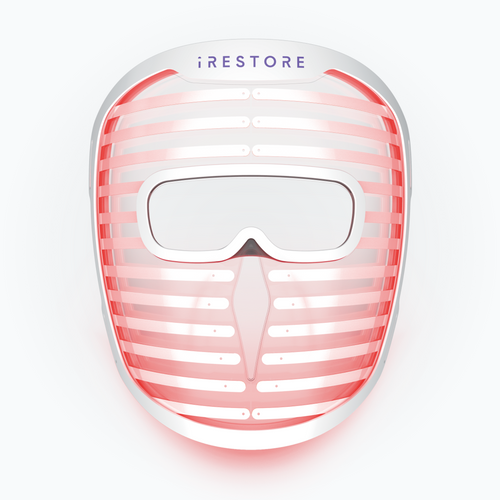
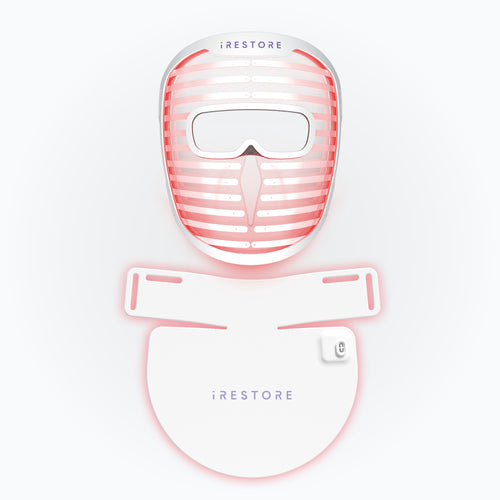
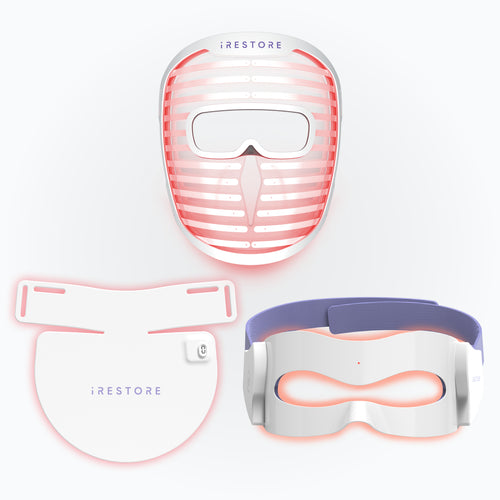
Why iRESTORE’s Illumina LED Face Mask Helps Supports Collagen
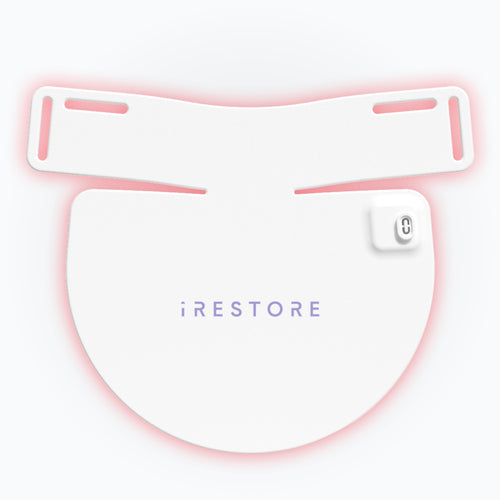
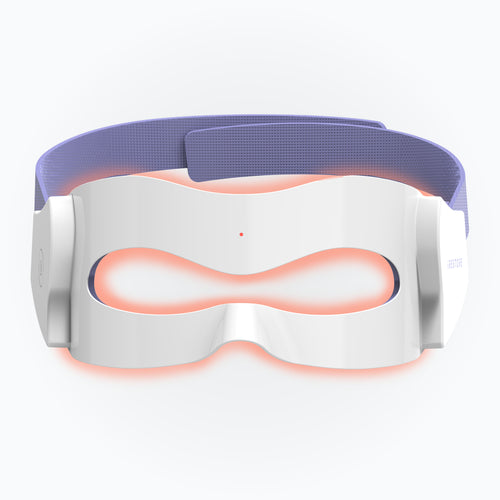
The iRESTORE Illumina LED Face Mask is designed to make collagen support simple, consistent, and gentle enough for regular use.
-
Targets the dermis with the right wavelengths
Illumina uses red and near-infrared light that reach the deeper skin layers where fibroblasts live, helping support collagen and elastin production over time. -
Provides even, full-face coverage
The LED layout delivers uniform light across the face, which supports smoother, more consistent results instead of treating small, isolated spots. -
Gentle enough for frequent use
There’s no heat and no UV, so most skin types—including more sensitive or mature skin, can use it regularly without stressing the barrier. -
Easy to build into a routine
The hands-free design makes it simple to use a few times a week while you relax, which is key for long-term collagen support.
With steady use, Illumina helps reinforce the collagen network, supporting firmer, smoother, and more elastic-looking skin.
Real People. Real Results.
Most people who use red light therapy regularly don’t see overnight changes—but they do notice steady, visible improvements over time.
Common results include:
-
Softer-looking fine lines
-
Slightly firmer, “bouncier” skin
-
Smoother texture that holds makeup better
-
A healthier, more refreshed glow
With consistency, these small changes add up to skin that looks and feels more supported and resilient.

Conclusion
Collagen naturally declines with age, which is why skin gradually loses firmness, elasticity, and smooth texture. Red light therapy offers a gentle way to support this process from within by improving cellular energy, activating fibroblasts, and creating a better environment for collagen to rebuild.
Used consistently, it can help soften fine lines, improve firmness, and support a smoother, more resilient skin surface without needles, heat, or harsh actives.
If you want a simple way to add collagen support to your routine, the iRESTORE Illumina LED Face Mask makes it easy to build red light therapy into your week and give your skin steady, low-stress help over time.
FAQs
1. How long does red light therapy take to show results on skin?
Most people notice smoother texture within a few weeks, with firmer-looking skin developing over a few months.
2. Can red light therapy help with fine lines and wrinkles?
Yes, consistent use can soften the appearance of fine lines by supporting collagen and elastin production.
3. Is red light therapy safe for all skin types?
Low-level red light therapy is gentle, non-invasive, and suitable for all skin types, including sensitive skin.
Disclaimer: The information in this article is for educational purposes only and is not intended as medical advice, diagnosis, or treatment. Hair and scalp conditions vary from person to person. If you have concerns about persistent shedding, irritation, or sudden changes in hair or scalp health, we recommend consulting a qualified healthcare professional.