

Sensitive skin can react to almost anything, new products, changes in weather, heat, friction, or even a simple cleanser. Redness, stinging, burning, and tightness are common, which is why many skincare treatments feel too strong or risky. People with reactive skin often struggle to find solutions that help without causing irritation or flare-ups.
Red light therapy has become a popular option because it works differently from harsh actives or heat-based treatments, as we explain in more detail in our LED light therapy colors guide. Instead of exfoliating or stimulating the skin aggressively, it uses gentle, non-UV wavelengths to support repair, reduce inflammation, and strengthen the barrier, similar to the benefits covered in our skin rejuvenation at home guide. This makes it one of the most promising options for people who want results but need a treatment their skin can tolerate.
Is Red Light Therapy Safe for Sensitive Skin?
Yes. Red light therapy is considered safe for sensitive skin because it does not use heat, UV light, or harsh ingredients that can trigger burning, stinging, or redness. Instead, it delivers low-energy wavelengths that help calm inflammation and support the skin’s natural repair process.
Sensitive skin often reacts when the barrier is weak or irritated. Red light therapy works gently at the cellular level by improving energy production (ATP), supporting collagen, and reducing inflammatory responses. This makes it suitable for people who struggle with retinol, acids, scrubs, or strong treatments.
Dermatologists often recommend red light therapy for skin types prone to redness, rosacea, or irritation because it soothes rather than stresses the skin, making it one of the few treatments sensitive skin usually tolerates well.
How to Use Red Light Therapy Safely on Sensitive Skin
Sensitive skin needs a slow, controlled approach. The goal is to let your skin benefit from red light therapy without triggering redness, stinging, or flare-ups.
Here is a safe way to get started:
-
Begin with short sessions
If your skin is reactive, think of red light therapy as a “patch test for light.” Start with 3–5 minute sessions, 2–3 times per week. For more timing guidance, see our article on how often to use an LED face mask. This gives you enough exposure to see how your skin responds without overloading it. If you wake up the next day without extra redness, burning, or tightness, it is usually a good sign that your skin is tolerating the treatment. -
Use on clean, dry skin
Always cleanse your face gently before using red light therapy. Avoid foaming or stripping cleansers that leave your skin feeling tight. Using the device on bare skin ensures the light reaches your cells properly and prevents product residue from reacting under the light. Pat your skin dry and avoid applying serums, oils, or creams until after the session. -
Increase gradually over time
After one to two weeks of short sessions, you can slowly build up. Many people with sensitive skin do well with 10–15 minutes per session, 3–5 times per week. Increase either the duration or the number of weekly sessions, not both at once. If at any point your skin feels hot, overly tight, or looks more flushed than usual, scale back to your previous level. -
Avoid strong actives around your sessions
Sensitive skin often reacts to retinol, exfoliating acids (AHA, BHA), or strong vitamin C formulas. To reduce the risk of irritation, avoid applying these products immediately before or after red light therapy, especially in the first few weeks. Instead, keep those actives on “off” nights, once your skin has adjusted and only if it already tolerates them well. -
Pair with barrier-supporting skincare afterward
After your session, focus on calming and replenishing ingredients. Simple moisturizers with ceramides, glycerin, hyaluronic acid, or niacinamide are good options. These help lock in hydration and support the barrier that red light therapy is helping to strengthen. Avoid layering multiple new products at once so you can clearly tell what your skin is reacting to, if anything. -
Watch your skin’s signals and adjust
Red light therapy should leave your skin feeling comfortable, not stressed. If you notice increased redness, burning, or a tight, “stripped” feeling that lasts beyond the session, treat that as a sign to reduce your exposure. Go back to shorter sessions or fewer days per week, then slowly increase again only if your skin feels calm.
Used this way, red light therapy becomes a gentle, predictable part of a sensitive-skin routine, supporting repair and resilience without adding to irritation.
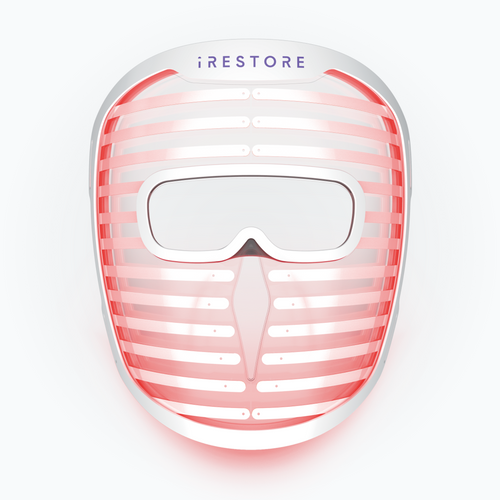
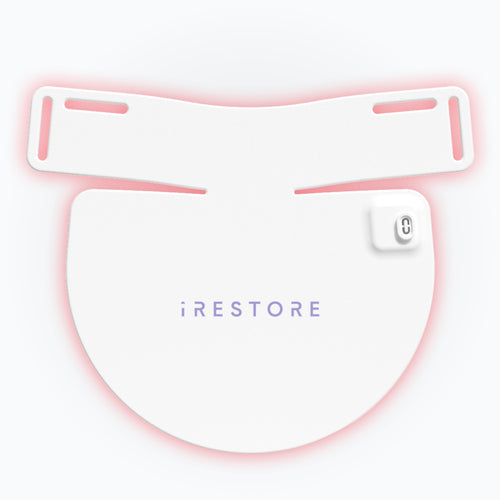
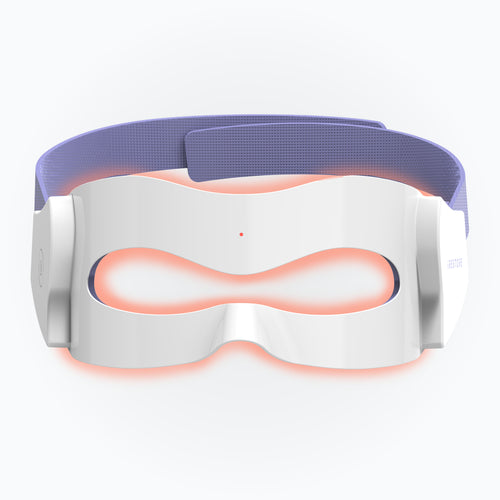
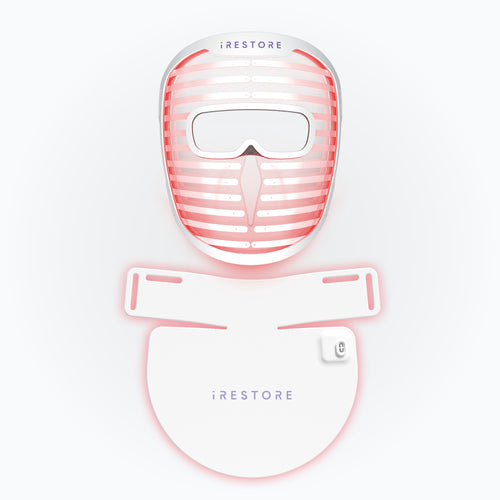
Why iRESTORE’s Illumina LED Face Mask Is a Good Option for Sensitive Skin
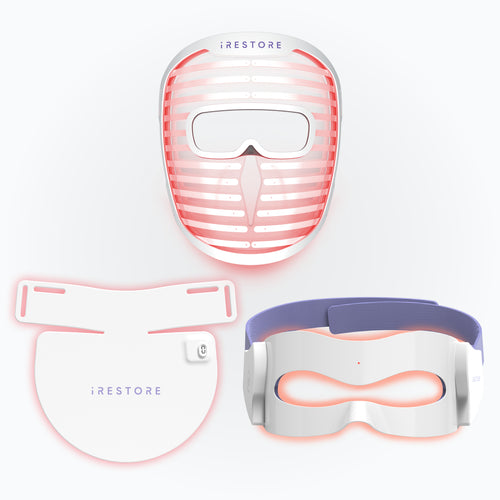
Sensitive skin needs treatments that help, not hurt. The iRESTORE Illumina LED Face Mask is built to support that.
-
Gentle, non-heating light
Illumina uses clinically backed red and near-infrared wavelengths that do not generate heat or UV, which helps avoid the flushing and irritation sensitive skin often gets from harsher treatments. -
Even, comfortable coverage
The LED layout is designed to distribute light evenly, reducing the risk of “hot spots” or overstimulated patches that can bother reactive skin. -
No products, no harsh ingredients
Because it works with light only, there are no fragrances, acids, or actives involved, ideal for skin that stings or burns easily with topicals. -
Supports calmer, stronger skin over time
The wavelengths used help reduce inflammation and support collagen, which can improve redness, comfort, and barrier resilience with consistent use.
Illumina fits easily into a gentle routine, making it a practical option for people who want the benefits of red light therapy without stressing sensitive skin.
How Sensitive Skin Users Respond to iRESTORE Red Light Therapy
For many people with sensitive skin, trying new treatments can feel risky. User experiences with iRESTORE’s red light therapy, especially the Illumina LED Face Mask, often highlight steady, gentle improvements rather than sudden, dramatic changes.
Common changes people notice over time include:
-
Calmer, less reactive skin
Fewer flare-ups after cleansing or environmental triggers, and less stinging with basic skincare. -
Reduced redness
Areas that used to look flushed or irritated appear more even and settled. -
Improved comfort and barrier strength
Skin feels less tight, dry, or “on edge,” and can better tolerate simple moisturizers or serums. -
Smoother, healthier-looking texture
With ongoing use, skin often looks more balanced and resilient, rather than thin or fragile.
Results vary by person, but the overall pattern is that red light therapy tends to support sensitive skin rather than aggravate it, especially when introduced slowly and used consistently.

FAQs
1. Is red light therapy suitable for sensitive skin?
Yes. Red light therapy is generally safe for sensitive skin because it uses low-energy, non-UV wavelengths that don’t heat or damage the skin barrier. It is widely recommended for redness, irritation, and inflammation relief.
2. Can red light therapy irritate sensitive or reactive skin?
Most people tolerate red light therapy extremely well. If your skin is reactive, start with shorter, less frequent sessions and monitor how your skin responds. iRESTORE devices are designed to be gentle and non-irritating for daily scalp use.
3. Can I use red light therapy if I have rosacea or dermatitis?
Many people with rosacea or dermatitis find that red light therapy helps reduce redness and inflammation.
Disclaimer: The information in this article is for educational purposes only and is not intended as medical advice, diagnosis, or treatment. Hair and scalp conditions vary from person to person. If you have concerns about persistent shedding, irritation, or sudden changes in hair or scalp health, we recommend consulting a qualified healthcare professional.