

LED face masks have become a skincare favorite, promising brighter, firmer, and clearer skin from the comfort of home. But one question keeps coming up: how often should you use an LED face mask to actually see results?
The answer isn’t just about using it more often. It’s about understanding how light interacts with your skin and giving your cells enough time to respond. Use it too little, and you won’t see much change. Use it too often, and your skin may feel dry or overstimulated.
The right frequency depends on your skin goals, device strength, and light wavelength whether you’re targeting acne, dullness, or fine lines. In this article, we’ll break down exactly how often to use your LED face mask safely, what signs of overuse to watch for, and how to build a routine that delivers visible, lasting results.
How LED Face Masks Work
LED face masks use light energy not heat or chemicals to trigger natural repair processes in your skin. Each color of light penetrates to a different depth and activates specific cellular responses:
-
Red light (630–660 nm): Improve collagen production, reduces fine lines, and promotes elasticity, the same principle behind red light therapy for hair growth.
-
Blue light (415–450 nm): Targets acne-causing bacteria and calms inflammation.
-
Near-infrared (800–850 nm): Supports circulation and deeper tissue recovery.
The process is called photobiomodulation, light absorbed by skin cells increases energy (ATP) and enhances regeneration.
What really matters is consistency. LED therapy works gradually; it needs regular use to build results. Overdoing it, on the other hand, won’t accelerate progress, it can leave your skin feeling dry or irritated.
How Often to Use an LED Face Mask
You don’t need to use an LED face mask every day to get results but you do need to use it consistently.
Most experts agree that three to five sessions per week is ideal for at-home use, similar to recommendations in LED light therapy colors and their effects and red-light studies. Each session should last about 10 to 20 minutes, depending on your device’s intensity and your skin’s tolerance. Using it more frequently won’t make results appear faster in fact, it can leave your skin feeling tight or overly dry.
Here’s a quick breakdown based on your routine and goals:
If You’re Just Starting Out
Start slow, about 3 times a week. This gives your skin time to adjust to the light exposure. After two to three weeks, you can gradually increase to four or five sessions if your skin feels comfortable.
If You’re Targeting Acne
For acne-prone skin, blue light therapy works best when used regularly. You can use it 4–5 times a week for 10–15 minutes per session. Once your breakouts are under control, reduce to 2–3 times weekly for maintenance.
If You’re Focused on Anti-Aging or Collagen Boosting
For firming and wrinkle reduction, red light therapy shows great results with 3–4 sessions a week. The benefits build over time as your skin produces more collagen and elastin, so steady use matters more than daily intensity.
If You’re Maintaining Results
Once your skin is balanced, reduce sessions to 1–2 times per week. Think of it like a workout: maintenance keeps your progress steady without overstimulating your skin.
Why Daily Use Isn’t Necessary
LED therapy works by triggering biological responses, it gives your skin cells energy, but they still need time to rest and rebuild. Overusing the mask won’t speed things up; it can actually slow results by overloading the skin barrier.
Use your LED face mask 3–5 times per week for 10–20 minutes. Be consistent, not aggressive, your skin needs rhythm, not repetition.
Signs You’re Overusing an LED Face Mask
With LED light therapy, balance is everything. Using your mask regularly delivers great results but giving your skin time to recharge is just as important.
Here are a few ways your skin might tell you it needs a short break:
-
Your skin feels a little tight or less hydrated than usual.
-
You notice a bit more warmth or flushing after a session.
-
Your glow seems to have plateaued, even with daily use.
If that happens, simply space your sessions a little farther apart or shorten the duration. Your skin thrives when it’s gently stimulated and allowed time to respond between treatments.
Consistency, not frequency, is what keeps your results long-lasting and healthy-looking.
How Long Before You See Results
LED light therapy works gradually, your skin needs time to renew and rebuild from within. Most users start noticing a visible glow and smoother texture after about 3 to 4 weeks of consistent use. For deeper changes like improved firmness, fewer fine lines, or a clearer tone, results typically appear within 6 to 8 weeks.
That timeline is reflected in real user experiences, too. Kenny S., a verified buyer, shared:
“I’ve been using this LED mask for 4 weeks now, and I love it! The wrinkles around my eyes and jowls are so much less noticeable—I love how lightweight and comfy it is. I can fold laundry or do other things around the house while wearing it. It only takes 10 minutes a day. I wish I would have bought this one first—I would have saved a lot of money.”

Results like these show that consistency, not intensity, drives visible improvements. With steady use, most people see progressive changes week after week, healthier, smoother, and more radiant skin that lasts.
Best Practices for Safe, Effective LED Use
A few simple habits can make your LED mask sessions safer and more effective — helping your skin get the most from every use.
-
Start with clean skin. Remove makeup, sunscreen, and oil before each session.
-
Follow the timer. Most masks work best with 10–20 minutes per session, longer isn’t necessary.
-
Stay consistent. Use your mask on a set schedule, a few times per week, for steady results.
-
Hydrate after use. Apply a lightweight serum or moisturizer to support recovery.
-
Use trusted devices. Choose FDA-cleared LED masks, like those from iRESTORE, to ensure safe, clinically tested light levels, just as you would for at-home red light therapy for skin repair.
With the right routine, LED light therapy becomes a simple, relaxing step in your weekly skincare, one that delivers visible, lasting results.
Conclusion
When it comes to LED light therapy, consistency always beats intensity. Using your mask a few times a week, not every day, gives your skin the right balance of stimulation and recovery time. Within a few weeks, you’ll notice smoother texture, better tone, and that healthy, lasting glow.
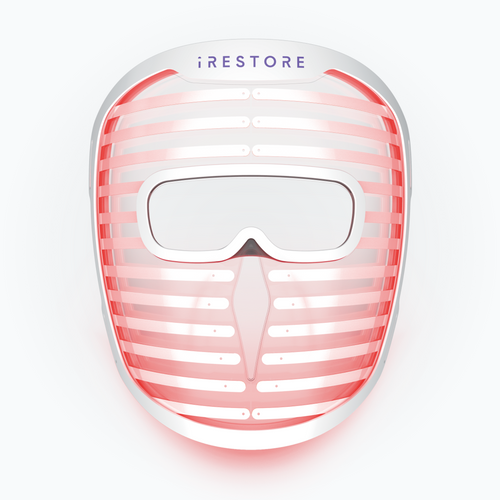
If you’re looking for a device that’s FDA-cleared, comfortable, and clinically validated for daily use, the iRESTORE Illumina LED Face Mask is designed exactly for that purpose. It makes it easy to build a safe, effective LED routine right at home.
Commit to a schedule that works for your skin, stay consistent, and let the light do the rest.
FAQs About LED Face Mask Usage
Can I use an LED face mask after applying skincare products?
It’s best to use your LED mask on clean, dry skin so the light can penetrate effectively. Apply serums or moisturizers after your session, especially hydrating or antioxidant-rich products.
Should I use my LED mask in the morning or at night?
Both are fine, but many people prefer using it at night since skin repair naturally happens while you sleep. Evening sessions also help calm redness and prep skin for rest.
Is LED light therapy suitable for sensitive skin?
Yes. LED light therapy is gentle and non-invasive, making it safe for sensitive or rosacea-prone skin. Start with shorter sessions (5–10 minutes) to see how your skin responds.
Disclaimer: The iRESTORE blog is for informational purposes only and is not intended to replace professional medical advice or treatment. Please do not ignore professional guidance because of information you’ve read here. If you have concerns about your hair or skin health, we encourage you to consult a qualified healthcare professional.