

Many people worry about their hairline without knowing what is normal. A small change can feel stressful, especially when online images show perfect hairlines everywhere. In reality, men and women are built differently, and that includes how their hairlines form and change.
One clear difference is how hairlines typically change over time: in men, the hairline often moves back first at the temples, creating a more angular or M-shaped look, while in women the front hairline usually stays in place and thinning shows up more as reduced fullness behind it.
Understanding the masculine vs feminine hairline can help you avoid panic and spot real concerns early. Some changes are natural with age, while others may signal early thinning. Knowing the difference matters.
What a Hairline Actually Means?
A hairline is the edge where your forehead meets your scalp hair. It helps frame your face and affects how balanced your features look. Even small shifts can change how your face appears.
A healthy hairline is not the same for everyone. Genetics, age, and hormones all play a role. Some people are born with higher or lower hairlines, and that alone does not mean hair loss.
What matters more is change over time. If your hairline slowly matures and then stabilizes, that is often normal. Sudden thinning, uneven edges, or visible scalp can be signs worth watching. If you are unsure, comparing signs of healthy and unhealthy hair can help you spot early changes more clearly.
6 Key Differences Between Male vs Female Hairline
Male and female hairlines differ in clear, visible ways. These differences come from biology, not better or worse hair.
1. Shape
Male hairlines often develop sharper angles at the front, which creates a straight or M shaped outline. This shape becomes more pronounced as recession progresses from the temples inward.
Female hairlines usually maintain a curved outline that blends smoothly into the forehead. Even when thinning occurs, the overall shape often stays intact rather than pulling back in sharp points.
2. Height
Hairline height differs due to how follicles respond to hormones over time. In men, the hairline naturally sits higher and continues to move upward with age. This change is usually noticeable from the early adult years.
In women, the hairline typically starts lower and remains closer to its original position. Any upward shift tends to be subtle rather than dramatic.
3. Temple Area
The temple region is a key visual marker of hairline change. In men, hair follicles at the temples are highly sensitive and often weaken first, leading to visible corner recession.
In women, temple follicles are more resistant. Even with overall thinning, the temple line often stays filled in, which helps preserve a fuller front appearance.
4. Density
Hair density loss follows different patterns across genders. Men usually experience concentrated thinning in specific zones, such as the frontal hairline or crown. This creates clear contrast between thin and thick areas.
Women, on the other hand, tend to lose density diffusely. The scalp may become more visible, but without sharply defined thinning spots.
5. Aging Pattern
Hairline changes in men often follow a predictable timeline, with noticeable shifts beginning in early adulthood and progressing steadily. These changes are easier to track visually year by year.
In women, aging affects the hairline more gradually. Changes may take decades to become obvious and often appear as reduced fullness rather than recession.
6. Hormone Response
Male hairlines are strongly influenced by DHT, a hormone that shortens the hair growth cycle and weakens follicles over time. This direct sensitivity explains why male pattern hair loss follows consistent patterns.
Female hairlines are less reactive to DHT alone and more affected by overall hormonal balance. Shifts related to stress, pregnancy, or menopause can influence hairline health without following a fixed pattern.
Why These Differences Happen?
The main reason male and female hairlines differ is hormones. Male hair follicles are more sensitive to DHT, a hormone linked to patterned hair loss. This is why many men see recession at the temples or crown.
Women also have DHT, but estrogen helps protect their hair follicles. Because of this, women usually keep their hairline shape but may lose density over time. Stress, nutrition, and health changes can make this thinning more noticeable.
Genetics also plays a strong role. If hairline changes run in your family, you may notice similar patterns. This does not mean hair loss is guaranteed, but it does raise awareness.
How to Tell If It’s a Normal Hairline or Early Thinning?
A normal hairline change happens slowly and then stops. For example, a man may notice a slightly higher hairline in his late twenties that stays stable for years. That is often called a mature hairline.
Early thinning looks different. You may see more scalp than before, uneven edges, or hair that feels finer near the front. Women often notice a widening part instead of a receding line.
If you are unsure, look at how your hair grows back after shedding. Understanding the difference between new hair growth and breakage can help you judge whether follicles are still active.
Can iRESTORE Laser Therapy Help With Hairline Concerns?
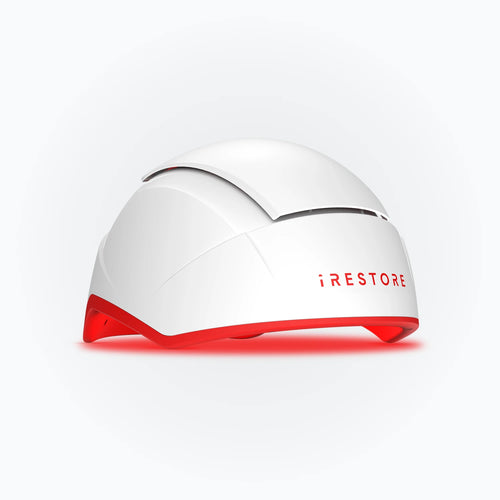
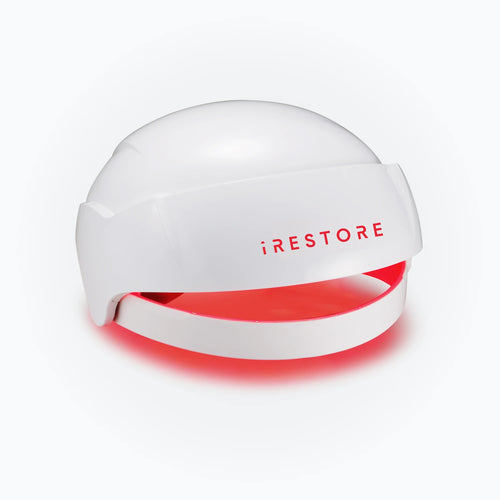
Laser therapy focuses on supporting hair follicles, not changing your natural hairline shape. It works by sending gentle red light energy to the scalp. This helps increase blood flow and cell activity around follicles.
For people with early thinning, this support can help slow further loss. Devices like iRESTORE laser systems are designed for consistent, at-home use, which matters more than fast results. Small improvements often build gradually.
Red light therapy can help support active follicles, strengthen thinning hairs, and slow early hairline thinning. It cannot recreate a hairline or regrow hair in areas where follicles are no longer active.
Conclusion
Male and female hairlines differ in shape, height, and how they change over time. These differences come from hormones, genetics, and natural aging, not from better or worse hair. Understanding male hairline vs female hairline helps remove fear and confusion when changes appear.
What matters most is not how your hairline looks today, but how it changes over time. Slow, stable shifts are often normal. Sudden thinning or visible scalp deserves attention.
Early awareness about your hairline and devices like iRESTORE’s laser systems enable better outcomes for long term hair health.
FAQs
Is a receding hairline normal for men?
Yes, many men develop a mature hairline as they age. This usually happens gradually and then stabilizes. It does not always mean hair loss is progressing.
Do women naturally have higher hairlines with age?
Women usually keep their hairline shape. However, they may notice thinning behind the hairline, especially during hormonal changes like menopause.
Is men’s hair different than women’s at the root level?
The hair itself is similar, but follicles react differently to hormones. This difference explains why thinning patterns are not the same.
Can lifestyle factors affect hairline changes?
Yes. Stress, nutrition, sleep, and even water quality can affect hair health. For example, long term exposure to mineral-heavy water may weaken hair over time.
When should I be concerned about hairline changes?
If changes happen quickly, include heavy shedding, or expose more scalp than before, it may be time to look deeper.
Disclaimer: The iRESTORE blog is for informational purposes only and is not intended to replace professional medical advice or treatment. Please do not ignore professional guidance because of information you’ve read here. If you have concerns about your hair or skin health, we encourage you to consult a qualified healthcare professional.