The iRESTORE Blog

Confidence Starts Here

Banner image of a woman wearing the Essential Device with two other man, one wearing the Elite Device while the other one is wearing the Professional Device. Banner image of a woman wearing the Essential Device with two other man, one wearing the Elite Device while the other one is wearing the Professional Device.

102 Results

Filters
Check Mark Box
Check Mark Box
Check Mark Box
Check Mark Box
Check Mark Box
Check Mark Box
Check Mark Box
Check Mark Box
Check Mark Box
Check Mark Box
Check Mark Box
Check Mark Box
Check Mark Box
7 Min to Read

Does Nutrafol Really Work? (2026) What the Science Says About This Hair Growth Supplement

One question comes up more than any other when people start researching hair loss solutions: does this supplement actually work?  Choosing a hair growth supplement can feel overwhelming, especially when you're spending close to $100 each month. Nutrafol has become one of the most popular options for people dealing with thinning hair, but is it worth it? The short answer is yes, for many people. Clinical studies show that about 80% of users experience improvements in hair growth, thickness, and reduced shedding after six months of consistent use. However, results vary based on the type of hair loss you're experiencing, and it takes patience and a significant financial commitment to see results. What is Nutrafol? Understanding the Product Nutrafol is a hair growth supplement that targets hair loss from multiple angles. Unlike sprays or foams you apply to your scalp, Nutrafol works from the inside out.  How It Works Your hair doesn't just fall out for one simple reason. Stress hormones, inflammation, poor nutrition, and hormonal imbalances can all disrupt your hair growth cycle. Nutrafol's approach tackles all these factors at once instead of just one. The supplement contains botanicals, vitamins, and minerals that aim to calm inflammation in your scalp. It also helps balance stress hormones like cortisol and provides nutrients your hair follicles need to stay healthy. Nutrafol works best for people noticing overall thinning across their scalp. If stress has you shedding more hair than normal, or if hormonal changes are affecting your hair thickness, Nutrafol might help. Many people try it as a natural option before moving to pharmaceutical treatments. What Are the Ingredients in Nutrafol? Nutrafol packs over 20 ingredients into each serving, but several stand out because research supports their role in hair health. Core Ingredients and Their Science Saw Palmetto comes from a small palm tree and may block DHT, a hormone that shrinks hair follicles in pattern baldness. Saw Palmetto can work similarly to finasteride for androgenetic alopecia, especially in men. Ashwagandha is an herb that helps your body handle stress better. When you're stressed, your body pumps out cortisol, which can push hair follicles into a shedding phase. Research shows ashwagandha lowers cortisol levels, potentially reducing stress-related hair loss. Curcumin is the active compound in turmeric that fights inflammation. Your scalp can get inflamed from pollution, harsh products, or internal factors. Curcumin's anti-inflammatory power may protect follicles from this damage. Marine Collagen provides building blocks your body uses to make hair. Collagen peptides can increase hair thickness and growth. The amino acids in collagen support the structure of each hair strand. Tocotrienols are a form of vitamin E with powerful antioxidant properties. Research shows tocotrienols can improve scalp circulation by protecting follicles from oxidative stress. Biotin and B Vitamins are essential for healthy hair, but true biotin deficiency is rare in developed countries. However, B vitamins work together to support cell growth and energy production, which your fast-growing hair follicles need.  If you're looking for a targeted supplement option, the iRESTORE REVIVE Hair Growth Formula combines key vitamins with DHT-blocking botanicals in a single daily formula. The Multi-Targeted Approach Here's what makes Nutrafol different from basic biotin pills. Instead of addressing just one possible cause of hair loss, it targets several pathways simultaneously. Your hair loss might stem from high stress AND inflammation AND nutritional gaps. This strategy explains why some people see results with Nutrafol after other supplements failed. If you've tried biotin alone without success, the problem might not be biotin deficiency. For even better absorption of topical treatments, pairing your supplement routine with a ScalpStim Derma Roller can help stimulate scalp circulation and prep follicles to receive nutrients more effectively. Does Nutrafol Really Work? What the Research Says The big question everyone asks: does nutrafol really work, or is it just expensive marketing? Clinical Studies on Nutrafol A 2022 study enrolled 98 participants, including 47 men aged 20-55 and 51 premenopausal women aged 20-45 with self-perceived mild to moderate hair thinning. This six-month study included people from diverse ethnic backgrounds: African American, Asian, Hispanic Caucasian, and Non-Hispanic Caucasian participants. The results showed significant improvements for all subjects at both 12 and 24 weeks. Investigator ratings for hair growth, coverage, density, and volume all showed statistically significant improvements. What makes this study particularly valuable is that it demonstrated Nutrafol works across different ethnicities, not just one demographic group. However, it's important to note that Nutrafol funded this study. While the research followed proper clinical trial protocols and was published in a peer-reviewed format, independent studies from researchers without financial ties to the company would strengthen the evidence. Individual Ingredient Research While studies on the complete formula continue to grow, plenty of research exists on Nutrafol's individual ingredients. Saw palmetto has shown effectiveness comparable to finasteride for treating pattern baldness. Multiple studies confirm ashwagandha's ability to reduce cortisol levels. Marine collagen peptides demonstrated hair growth benefits in separate clinical trials. What Users Report Customer reviews reveal clear patterns. Around 60-70% of users report positive results. People with positive experiences typically notice reduced shedding first, usually around the two to three-month mark. New baby hairs start appearing by month four or five. By month six, hair feels thicker and looks fuller. The 20-30% who see mixed or no results often feel frustrated after investing six months without significant change. About 10-15% report mild side effects like digestive discomfort or breakouts. Does Nutrafol Really Work for Women vs. Men? Nutrafol creates separate formulas for men and women because hair loss affects each gender differently. Understanding these differences helps you choose the right product and set realistic expectations. Nutrafol for Women Nutrafol Women is the most popular product and specifically targets female hair loss patterns. Women often experience overall thinning rather than a receding hairline. Hormonal fluctuations from pregnancy, menopause, or birth control can trigger this thinning. The clinical studies primarily focused on women, showing the strongest evidence for this group. Most women report seeing reduced shedding by month three and visible regrowth by month six. Understanding the signs of healthy hair can help you track your progress accurately. Nutrafol for Men Nutrafol Men includes saw palmetto and other DHT-blocking ingredients at higher concentrations. DHT is the main culprit behind male pattern baldness, which typically starts with a receding hairline or thinning crown. Men in early stages of hair loss see the best results. However, men with advanced hair loss may need stronger interventions. Many dermatologists suggest combining Nutrafol with topical minoxidil for better results. Is Nutrafol Worth It? Cost-Benefit Analysis At $88 per month, Nutrafol costs approximately $950 to $1,056 annually. This is significantly more expensive than basic biotin supplements but comparable to some prescription treatments. When Nutrafol May Be Worth It Nutrafol makes sense if you're experiencing stress-related or hormonal hair loss, want a natural approach before trying pharmaceuticals, or have tried single-ingredient supplements without success. You must commit to six months of consistent use and ensure the monthly cost fits your budget comfortably. When to Consider Alternatives Skip Nutrafol if you have advanced hair loss requiring medical intervention, face budget constraints that make the cost unsustainable, or have underlying health conditions causing hair loss. You should also consider alternatives if you need faster results, as prescription treatments often work more quickly. Also, budget-conscious shoppers may find the REVIVE Advanced Hair Growth Formula worth comparing, it targets similar pathways at a lower monthly cost. Safety and When to See a Dermatologist Nutrafol is generally considered safe for most adults, with ingredients that are well-tolerated. However, understanding potential side effects and knowing when to seek professional help is important. Is Nutrafol Safe? Most people tolerate Nutrafol well, but some experience mild side effects. Digestive upset is the most common complaint, especially during the first few weeks. Breakouts can occur due to the biotin content, though this usually resolves over time. Some ingredients may interact with medications, particularly blood thinners or hormone therapies. Always consult your doctor before starting any supplement, especially if you take prescription medications. Pregnant women should avoid standard Nutrafol formulas. The company offers specific postpartum formulations, but you should still consult your healthcare provider before use. When to See a Dermatologist First Don't rely on supplements alone if you experience sudden, dramatic hair loss. Patchy bald spots could indicate alopecia areata, which requires medical treatment. Scalp pain, itching, or visible skin changes also need professional evaluation. Hair loss accompanied by other symptoms like fatigue or weight changes might signal thyroid disorders or autoimmune conditions. A dermatologist can diagnose the specific cause and recommend the most effective treatment plan. If you see no improvement after six months of consistent Nutrafol use, schedule a dermatology appointment. You might need prescription treatments or combination therapy for better results. Conclusion Nutrafol can be effective for many people experiencing hair thinning, particularly when caused by stress, inflammation, hormonal changes, or nutritional gaps.  Clinical research shows it works for 60-70% of users who commit to consistent use over six months. However, realistic expectations are essential as it's not a miracle cure. If you're experiencing early to moderate hair loss and can commit to the investment, Nutrafol offers a science-backed approach that may deliver results.  For those seeking additional solutions, combining supplements with clinically proven treatments like iRESTORE red light therapy devices can provide a comprehensive approach to hair restoration. Patience and consistency remain essential regardless of which treatment you choose. FAQs About Nutrafol Q: How long does it take for Nutrafol to work? A: Most users notice reduced shedding within two to three months and visible hair growth improvements by six months. Results continue improving through nine to twelve months with consistent daily use. Q: Can I stop taking Nutrafol once I see results? A: Hair growth is an ongoing process. If you stop taking Nutrafol, the benefits will gradually fade and hair may return to its previous state. It's designed for long-term use. Q: Does Nutrafol work for all types of hair loss? A: Nutrafol works best for diffuse thinning, stress-related shedding, and early to moderate pattern baldness. It's less effective for scarring alopecia, alopecia areata, or advanced baldness. Q: Can men and women use the same Nutrafol formula? A: No, Nutrafol offers gender-specific formulas because men and women experience different types of hair loss driven by different hormonal factors. Using the formula designed for your needs gives better results. Disclaimer: The iRESTORE blog is for informational purposes only and is not intended to replace professional medical advice or treatment. Please do not ignore professional guidance because of information you’ve read here. If you have concerns about your hair or skin health, we encourage you to consult a qualified healthcare professional.

Read More
Man and woman wearing the Professional Device while sitting on a couch.

About iRESTORE

We believe in safe & clean hair care that empowers you to look and feel your best without compromising your health.

Explore the science
7 Min to Read

5 Potential Minoxidil Side Effects in Women

Many women start using minoxidil without fully knowing what to expect. Some stop too soon because of a side effect that was actually normal. Others push through something that needs medical attention. Minoxidil is one of the most popular treatments for female hair loss, but it does come with potential side effects. The most common minoxidil side effects in women include temporary shedding, scalp irritation, and unwanted facial hair growth. Less commonly, some women experience headaches, dizziness, or serious cardiovascular symptoms like heart palpitations or chest pain. Most of these side effects are manageable. Some go away on their own. But a few require medical attention right away. This article walks through all five so you know exactly what to watch for, what's normal, and when to seek help.What Is Minoxidil and Why Do Women Use It? Minoxidil is a topical medication applied directly to the scalp. It was originally developed as a blood pressure drug. Doctors noticed it caused unexpected hair growth as a side effect, and it was eventually approved for treating hair loss. Today, it's one of the few FDA-approved treatments for female pattern hair loss. It comes in two strengths: 2% and 5%. The 2% formula was the original recommendation for women, though the 5% version is now widely used as well. Minoxidil works by widening blood vessels in the scalp. This helps bring more oxygen and nutrients to hair follicles, which can push them into an active growth phase. Results typically take several months to appear, and the treatment needs to be continued to maintain them. Side Effect #1: Temporary Shedding Early On One of the first things many women notice after starting minoxidil is more hair falling out. This can be alarming, especially when the whole point of using it is to grow more hair. But this type of shedding is actually a normal part of the process. This is called the minoxidil initial shedding phase, and it happens because the medication pushes resting hair follicles into an active growth cycle. Old hairs fall out to make room for new ones. Think of it like clearing out old plants in a garden before new ones can grow. The minoxidil shedding phase in women typically lasts anywhere from 2 to 8 weeks. After that, shedding should slow down and new growth should start to appear. If shedding continues well beyond that window, it's worth checking in with your dermatologist. It also helps to know the difference between normal shedding and actual breakage. If you're unsure what you're seeing, this guide on new hair growth vs. breakage can help you tell the difference. Side Effect #2: Scalp Irritation, Itching, Dryness, or Flaking Some women develop scalp irritation after using minoxidil. This can show up as itching, redness, dryness, or flaking. It's one of the more common side effects of minoxidil in women, and it's usually linked to the formula rather than the active ingredient itself.   Many minoxidil solutions contain propylene glycol, a chemical used to help the medication absorb into the skin. Some people are sensitive to it. This sensitivity can cause a reaction known as contact dermatitis, which makes the scalp red, itchy, and inflamed. The good news is that the foam version of minoxidil typically does not contain propylene glycol. Switching to the foam formula often clears up the irritation for women who experience this reaction. You can also try doing a small patch test before applying it to your full scalp. If your scalp is already sensitive, it's worth reading about whether certain hair and scalp conditions affect your results before starting treatment. Keeping your scalp moisturized and avoiding harsh shampoos can also help reduce irritation while your skin adjusts. Side Effect #3: Unwanted Hair Growth on the Face or Body One of the more surprising minoxidil side effects women report is hair growing in places they don't want it. This is most common on the face, particularly along the hairline, cheeks, or upper lip. It can also appear on the arms or other areas of the body. This condition is called hypertrichosis, and it happens due to systemic absorption. When minoxidil is applied to the scalp, small amounts can be absorbed into the bloodstream. This can stimulate hair follicles in other parts of the body, not just the scalp. Minoxidil facial hair growth is more likely to happen if the product is applied too close to the forehead or hairline, or if hands aren't washed thoroughly after application. To lower your risk, apply minoxidil carefully and only to the areas of the scalp where you need it. Wash your hands right after. The good news is that this side effect is not permanent. According to Healthline, unwanted hair growth from minoxidil typically reverses after you stop using the treatment. If it bothers you before then, talk to your dermatologist about your options. Side Effect #4: Headache, Dizziness, or Lightheadedness Some women experience headaches or dizziness after applying minoxidil. These symptoms happen because minoxidil is a vasodilator. That means it widens blood vessels. When blood vessels dilate, blood pressure can drop slightly, which can make you feel lightheaded or give you a headache. These symptoms are usually mild and tend to ease up as your body adjusts to the medication. Starting with the lower 2% concentration can help reduce the chance of experiencing them. Applying minoxidil at night before bed is another common tip, since any dizziness is less noticeable when you're lying down and resting. However, if headaches are severe or dizziness is affecting your daily life, don't push through it. Check in with your doctor before continuing use. These symptoms on their own are rarely dangerous, but they're worth monitoring, especially in the first few weeks. Side Effect #5: Fast Heartbeat, Chest Pain, Swelling, or Sudden Weight Gain This is the most serious category of minoxidil side effects in women. While rare with topical use, some women do experience cardiovascular symptoms. These include a fast or irregular heartbeat, chest pain, swelling in the hands or feet, and sudden unexplained weight gain. These symptoms are linked to minoxidil heart palpitations and fluid retention. They happen when too much of the medication gets absorbed into the bloodstream, affecting the cardiovascular system. According to GoodRx, these side effects are more commonly associated with oral minoxidil than the topical version, but they can still occur. If you experience any of these symptoms, stop using minoxidil and seek medical attention right away. Do not wait to see if they pass on their own. Women with existing heart conditions, low blood pressure, or kidney disease should speak with their doctor before starting minoxidil at all. When to Seek Medical Help Not every side effect means you need to stop using minoxidil. Some symptoms, like early shedding and mild scalp irritation, are a normal part of the adjustment period. But others are clear signals that something needs attention. Contact your doctor right away if you experience any of the following: Chest pain or tightness A rapid or irregular heartbeat Swelling in your hands, feet, or face Sudden weight gain of more than 5 pounds in a day Severe or persistent headaches Scalp irritation that does not improve after switching formulas The general rule is simple: if a symptom is affecting your quality of life or feels serious, get it checked. It is better to pause treatment and get clarity than to push through something that could cause harm. A Non-Drug Alternative: iRESTORE Laser Hair Growth System If the side effects of minoxidil concern you, you're not alone. Many women look for alternatives that don't involve medication. One of the most well-researched options is low-level laser therapy, also known as LLLT. LLLT works by delivering safe, targeted light energy directly to the scalp. This stimulates hair follicles at the cellular level and encourages them to enter an active growth phase. It's a drug-free process, which means no systemic absorption and none of the side effects associated with minoxidil. iRESTORE offers FDA-cleared laser devices designed specifically for hair regrowth. For women looking for a side-effect-free approach to hair regrowth, iRESTORE's laser devices offer a practical, clinically studied alternative to medication. LLLT has a strong and growing body of research behind it. You can explore real before and after results from red light therapy for hair growth to get a clearer picture of what's possible. Also, here are real users who got real results from iRESTORE hair growth devices-  CHOOSE THE RIGHT DEVICE Conclusion Minoxidil is a proven treatment for female pattern hair loss, and most women who use it do so without serious problems. But knowing the potential side effects ahead of time puts you in a much better position to use it safely and effectively. From the temporary shedding phase in the early weeks to the rare but serious cardiovascular symptoms, each side effect has a clear explanation and a practical response. The key takeaway is that not all side effects are created equal. Some are your body adjusting to a new treatment. Others are warning signs that need immediate attention. Knowing the difference helps you stay in control of your hair health journey rather than feeling anxious every time something unexpected happens. If minoxidil doesn't feel like the right fit, that's okay too. Effective, drug-free options like iRESTORE's FDA-cleared laser devices give you a real path forward without the medication-related risks. Your hair health matters, and you have more options than you might think. Frequently Asked Questions 1. Is it normal to experience more hair shedding when I first start minoxidil? Yes, it is completely normal. The minoxidil initial shedding phase happens because the medication pushes dormant follicles into an active growth cycle. Old hairs fall out first to make room for new ones. This phase typically lasts 2 to 8 weeks. If shedding continues beyond that, consult your dermatologist. 2. Can minoxidil cause permanent facial hair growth in women? No, minoxidil facial hair growth is not permanent. It is a side effect of systemic absorption and typically reverses after you stop using the treatment. To reduce the risk, apply minoxidil carefully to the scalp only and wash your hands immediately after. 3. What concentration of minoxidil is safest for women — 2% or 5%? Both concentrations are FDA-approved for women. The 2% formula is generally considered the more conservative starting point, with a lower chance of systemic side effects like headaches or dizziness. The 5% formula may produce faster results but carries a slightly higher risk of side effects. Talk to your dermatologist about which strength is right for you. 4. How long does it take to see results from minoxidil for women? Most women start to see noticeable results after 3 to 6 months of consistent use. Hair growth is a slow process, and minoxidil needs time to move follicles through growth cycles. Stopping treatment early is one of the most common reasons women don't see results. 5. What should I do if I experience side effects from minoxidil? It depends on the side effect. Mild shedding and light scalp irritation are usually normal and temporary. For more serious symptoms like chest pain, rapid heartbeat, or severe swelling, stop using minoxidil immediately and seek medical attention. When in doubt, contact your dermatologist before making any changes to your treatment. 6. Are there effective alternatives to minoxidil without side effects? Yes. Low-level laser therapy (LLLT) is one of the most studied drug-free alternatives for hair loss. Devices like those from iRESTORE are FDA-cleared and designed for home use. They stimulate hair follicles using safe light energy without any of the systemic side effects associated with minoxidil. Disclaimer: The iRESTORE blog is for informational purposes only and is not intended to replace professional medical advice or treatment. Please do not ignore professional guidance because of information you’ve read here. If you have concerns about your hair or skin health, we encourage you to consult a qualified healthcare professional.

Read More
7 Min to Read

What is the Best Treatment for Under Eye Bags? Red Light Therapy vs. Other Solutions

You've tried countless eye creams, gotten more sleep, and even cut back on salt. But those under-eye bags are still there, making you look tired when you feel wide awake. Under-eye bags affect millions of people. They can stem from aging, genetics, or lifestyle habits. With so many treatment options available, it's hard to know what actually works.  Red light therapy offers the best science-backed, non surgical under eye bag treatment you can do at home. It stimulates collagen production, improves circulation, and reduces inflammation at the cellular level. Unlike expensive surgeries or ineffective creams, it addresses root causes without needles or downtime. What Causes Under-Eye Bags? (Understanding the Root Problem) Before you can treat under-eye bags effectively, you need to understand why they form. The Science Behind Under-Eye Bags Under-eye bags develop when tissues around your eyes weaken. The muscles supporting your eyelids lose strength over time. Fat that normally stays in place can move into your lower eyelids, making them puffy. Fluid also builds up below your eyes. Your skin loses collagen and elastin as you age, leading to sagging. Primary causes include: Aging: Natural loss of collagen and elastin Genetics: Family history plays a major role Fluid retention: Salt, allergies, hormones, sleeping position Lifestyle factors: Poor sleep, smoking, alcohol, sun exposure Fat herniation: Orbital fat pushes through weakened tissue Are Your Under-Eye Bags Temporary or Permanent? Temporary puffiness comes from fluid retention. You might wake up puffy after eating salty food. This type responds to lifestyle changes and cold compresses. Structural bags result from tissue weakening and fat displacement. They stay throughout the day and need more targeted treatment like red light therapy. Quick Self-Check: Pick Your Under-Eye Bag Type in 30 Seconds This quick test helps you identify your specific type of under-eye bags. Fluid Retention vs. Structural Bags Gently press your under-eye area and release. If the puffiness reduces temporarily, you have fluid retention. If nothing changes, you have structural bags. Visual identification: Fluid retention: Worse in morning, improves during day, feels soft Structural bags: Same all day, firm to touch, often has groove below Combined type: Many people have both When Under-Eye Bags Signal a Health Issue? Most under-eye bags are cosmetic. However, certain signs need medical attention. Seek help if you have: Sudden onset with pain or vision changes Severe swelling in one eye only Skin discoloration or rash Thyroid symptoms or allergic reactions The Best Eye Bag Treatment for Most People: Red Light Therapy When comparing eye bag treatment options, red light therapy stands out as the most effective under eye bag treatment for addressing multiple causes at once. Why Red Light Therapy Works for Under-Eye Bags? Red light therapy uses specific wavelengths (630-660nm red and 810-850nm near-infrared) to penetrate your skin. These wavelengths stimulate your cells to work better and repair themselves. Studies show red light therapy boosts collagen production and improves skin elasticity. It works at the cellular level instead of just hiding symptoms. How it addresses under-eye bags: Collagen production: Tightens loose skin by making more collagen and elastin Improved circulation: Removes excess fluid and reduces puffiness Cellular energy: Boosts ATP to promote tissue repair Reduced inflammation: Decreases swelling markers Red Light Therapy vs. Other Popular Treatments Treatment Effectiveness Cost Invasiveness Time Red Light Therapy High Moderate (one-time) Non-invasive 10-15 min/day Eye Creams Low-Moderate $20-$200/month Non-invasive Daily Dermal Fillers High (temporary) $600-$1,200/session Invasive Every 6-12 months Surgery Very High $3,000-$7,000+ Highly invasive Single + recovery Laser Resurfacing Moderate-High $1,000-$3,000 Moderately invasive Multiple sessions Eye creams only work on the surface. Fillers need repeat injections. Surgery involves risks and weeks of recovery. Red light therapy targets root causes without these downsides. Also, while eye bag laser treatment like laser resurfacing can help, it requires multiple expensive sessions and downtime. Red light therapy delivers similar collagen-boosting benefits without the invasiveness. Why iRESTORE Is the Ideal Red Light Therapy Solution? The iRESTORE Illumina Eye Mask uses clinically proven wavelengths at safe power levels for the delicate eye area. Generic devices often use wrong wavelengths or too much power. Key features:  FDA-cleared with built-in safety protocols Specifically designed for facial and under-eye treatment One-time investment replaces ongoing costs Use at home without appointments How Long It Takes to See Results with Red Light Therapy? Results appear gradually as your body rebuilds tissue from inside out. Realistic Timeline for Under-Eye Bag Improvement You need to set realistic expectations for the treatment, collagen only increases over several weeks of consistent use. Week 1-2: Subtle improvements in puffiness and hydration  Week 3-4: Noticeable reduction in morning puffiness, better skin texture  Week 6-8: Visible skin tightening, reduced bag prominence  Week 12+: Significant improvement in firmness and overall appearance Severity of bags, your age, consistency of use, and lifestyle habits all affect how fast you see results. By being consistent you can achieve similar results like these iRESTORE users-  How to Maximize Your Results? Red light therapy works best with good habits. Small daily changes speed up improvements. Best practices: Use daily for first 12 weeks, then 3-4 times weekly Drink at least 8 glasses of water daily Sleep 7-9 hours with head slightly elevated Avoid salty foods before bedtime Use SPF 30+ daily to protect skin Take weekly photos from the same angle and lighting. This helps you track gradual changes that are hard to notice day-to-day. How to Use Red Light Therapy for Under-Eye Bags? (Step-by-Step Guide) Using red light therapy correctly ensures the best results. Getting Started with iRESTORE Start with a completely clean, dry face. Any product can block light from reaching your skin cells. Treatment steps: Position your eye mask 6-8 inches from your face Start with 10 minutes per session (increase to 15 after first week) Use once daily at the same time Focus on under-eye bags, upper cheeks, and surrounding area Close your eyes or use protective eyewear Never use it while wearing contacts. Check with your doctor if you take light-sensitive medications. Stop if you experience any discomfort. Building a Consistent Routine Evening sessions work best for most people. You can follow with your nighttime skincare routine. The relaxing session also helps you sleep better. Set a daily phone alarm until the habit becomes automatic. Take weekly progress photos in natural light at the same time of day. Save them in a dedicated folder to compare your results. Looking at your starting photos after 8-10 weeks keeps you motivated when changes seem slow. Where iRESTORE Fits in Your Complete Eye Care Strategy? Red light therapy delivers best results as part of a bigger approach to under-eye care. Complementary Treatments That Enhance Results Apply hyaluronic acid serums right after your red light session. Your skin absorbs ingredients better at this point. The serum locks in moisture and plumps the under-eye area. Use caffeine-based eye creams in the morning for extra depuffing. Caffeine temporarily constricts blood vessels and drains excess fluid. Topical treatments to pair with: Hyaluronic acid serums: Apply after treatment for better absorption Caffeine eye creams: Use mornings for additional depuffing Retinol products: Alternate nights if skin tolerates (use caution around eyes) Antioxidant serums: Protect against free radical damage Get 7-9 hours of sleep with your head slightly elevated. Drink plenty of water but stop 2 hours before bed. Cut back on sodium, especially at night. Eat anti-inflammatory foods like berries, fatty fish, and leafy greens. What Red Light Therapy Cannot Fix? Severe fat herniation might need surgery. If large amounts of fat have pushed through, light therapy alone may not be enough. Extreme skin laxity from massive weight loss sometimes needs professional procedures. Dark circles from hyperpigmentation are different from bags and require different treatments. If you've used red light therapy consistently for 12 weeks without good results, see a dermatologist. They might recommend combining it with other treatments like fillers or laser resurfacing. When to See a Dermatologist or Doctor? While under-eye bags are usually cosmetic, certain situations need medical attention. Signs You Should Seek Professional Evaluation Get immediate help for: Sudden severe swelling Pain, redness, or vision changes Swelling only on one side Bags with other symptoms like fatigue, weight changes, or feeling cold Thyroid disorders, kidney disease, allergies, and sinus infections can all cause under-eye swelling. If you're concerned about underlying health issues, get checked out. When Home Treatments Aren't Enough? Consider professional help if you've tried red light therapy and lifestyle changes for 3+ months without improvement. Some people need additional treatments for very severe bags. Professional options include: Dermatologist consultation for prescription treatments Cosmetic procedures like fillers or laser treatments Surgical evaluation for blepharoplasty if appropriate A dermatologist can create a personalized plan combining multiple approaches for stubborn cases. Conclusion Under-eye bags don't have to be permanent. Red light therapy offers a scientifically-backed solution that addresses root causes without surgery's risks or creams' disappointments.  Start by identifying your under-eye bag type using the simple self-check. Use your device daily for the first 12 weeks, then maintain results with 3-4 sessions weekly.  Most people notice changes within 2-3 weeks and significant improvements by week 12. The changes last because you're stimulating your body's natural repair processes. Ready to see real results? Try iRESTORE risk-free and discover why thousands have made red light therapy their go-to solution for under-eye bags. FAQs 1. What is the best eye bag treatment that actually works? The best under eye bag treatment depends on your specific type of bags. For most people, red light therapy is the top choice because it addresses root causes like collagen loss and poor circulation without surgery or needles. 2. Can red light therapy completely eliminate under-eye bags? Red light therapy can significantly reduce under-eye bags by improving skin firmness, boosting collagen production, and reducing fluid retention. Results vary based on severity and cause. Most users see 50-80% improvement with consistent use over 12 weeks. 3. How does red light therapy compare to expensive eye creams? Eye creams provide temporary hydration and minor surface improvements. Red light therapy works at the cellular level to stimulate collagen production and improve circulation. It addresses root causes rather than just symptoms. One iRESTORE device replaces years of cream purchases. 4. Is red light therapy safe for the delicate eye area? Yes, when used properly with appropriate devices like iRESTORE. The wavelengths used are non-UV and have been extensively studied for safety. Learn more about red light therapy safety for sensitive skin. Always close your eyes during treatment and follow manufacturer guidelines. 5. Can I use red light therapy if I have fillers or Botox? Generally yes, but consult your injector first. Red light therapy can actually help extend injectable results by improving overall skin quality. Wait at least 2 weeks after injections before starting treatment. Disclaimer: The iRESTORE blog is for informational purposes only and is not intended to replace professional medical advice or treatment. Please do not ignore professional guidance because of information you’ve read here. If you have concerns about your hair or skin health, we encourage you to consult a qualified healthcare professional.  

Read More
8 Min to Read

How to Detangle Hair Without Damaging It

We've all been there. You wake up, look in the mirror, and see a bird's nest of tangled hair staring back at you. The thought of brushing it terrifies you because you know what's coming: painful pulling, broken strands, and a brush full of lost hair. So, how do you detangle hair without damaging it? Start at the ends and work upward, never from roots to tips. Apply a detangling product first for slip. Use the right tools for your hair type, like wide-tooth combs for curly hair or flexible-bristle brushes for straight hair. Most importantly, be patient and gentle with each stroke. Most people make the problem worse by using the wrong tools and techniques. They brush too hard, start in the wrong place, and rush through the process. But with the right approach, you can work through even the toughest knots while keeping your hair healthy and strong. Why Hair Tangles and What Actually Causes Breakage? Hair tangling is completely normal, but understanding why it happens helps you manage it better. Common Causes of Tangles: Hair texture and type: Curly, coily, and textured hair tangles more due to its structure Dryness and lack of moisture: Dry hair has a rough outer layer that catches on itself Friction: Rubbing against pillows, clothing, or towels creates knots Long hair: More length means more opportunity for strands to wrap around each other Damage: Split ends and weakened hair tangle more easily Skipping regular trims: Dead ends become knotted faster What Causes Breakage During Detangling: Dry brushing without any slip or product Using wrong tools like fine-toothed combs on thick hair Starting at the roots instead of the ends Rushing through with force Detangling when hair is too wet and stretched Step by Step: How to Detangle Hair Without Damaging It? Learning how to detangle hair easily comes down to following the right process. These four steps will help you work through any knot without causing damage. Step 1: Prepare Your Hair Before you pick up any brush, prepare your hair properly: Apply a detangling product, conditioner, or hair oil to create slip Section your hair into manageable parts (four to eight sections work best) Use hair clips to keep sections separate This preparation makes detangling easier and prevents breakage. Never start on dry, product-free hair. Step 2: Start from the Ends, Not the Roots  This is the golden rule. Always begin at the very ends of your hair: Start at the tips, working on small sections (one to two inches at a time) Gently work through knots with your fingers first Gradually move upward toward the roots as each section becomes tangle-free Never start at the scalp and drag down Starting at the roots pushes tangles together and causes unnecessary breakage. Step 3: Use the Right Detangling Motion  Your technique matters as much as your tools: Hold the hair section above where you're working to avoid scalp pulling Use short, gentle strokes rather than long, forceful pulls Stop if you hit a stubborn knot and work it out with your fingers first Be patient because rushing leads to breakage Think of it like untying a delicate necklace chain. Step 4: Work Through Severe Tangles with Extra Care For stubborn knots, take extra steps: Apply more detangling product directly to the tangled area Use your fingers to gently separate strands before using any tool Try the "seek and destroy" method by isolating individual knots Spend 10 to 15 minutes on a single section if needed Patience saves your hair from damage and prevents hair growth problems later. Tool Guide: What to Use for Your Hair Type? Choosing the right detangling tool makes all the difference between smooth, healthy hair and a brush full of broken strands. For Fine, Straight Hair: Wide-tooth comb for initial detangling Wet brush or flexible bristle brush for finishing Avoid metal combs or brushes with tight bristles that snag For Thick, Wavy Hair: Detangling brush with flexible bristles like Tangle Teezer or Wet Brush Wide-tooth comb for wet detangling Paddle brush for final styling Avoid fine-toothed combs that get stuck For Curly and Coily Hair: Wide-tooth comb or seamless comb to avoid snagging Denman brush for curl definition while detangling Your fingers (finger detangling is often the gentlest method) Felicia Leatherwood Detangler Brush Avoid brushes with ball-tipped bristles that catch on curls For Long Hair: Long-handled detangling brush to reach all sections Wide-tooth comb for sectioning Paddle brush for smoothing after detangling Essential Tool Features to Look For: Flexible bristles that bend with knots instead of pulling through them Seamless construction with no rough edges Comfortable grip for better control Appropriate spacing between teeth for your hair density The right tool makes detangling faster and protects your hair from damage. Invest in quality tools designed for your specific hair type. Wet vs. Dry Detangling: What Is Actually Safer? The debate continues, but the truth is simple. It depends on your hair type and condition. Wet Detangling: This method works better for curly and coily hair. Hair has more slip when coated with conditioner, making it easier to work through knots. It also helps maintain your natural curl pattern. However, wet hair stretches up to 30% before breaking. This makes it more vulnerable to damage if you're not gentle. Repeated swelling and shrinking can also cause hygral fatigue, which weakens your hair over time. How to do it right: Apply generous amounts of conditioner or detangling spray Use only wide-tooth combs or brushes designed for wet hair Be extremely gentle with your strokes Detangle in the shower with conditioner still in your hair for maximum slip Dry Detangling: Dry hair is stronger and more resilient. There's less risk of stretching damage, and you have more control during the process. The downside? Without proper products, dry detangling creates more friction. This can lead to breakage and frizz if you're not careful. How to do it right: Always use a detangling spray, oil, or leave-in conditioner first Never detangle completely product-free hair Use a brush with flexible bristles designed for dry hair The Verdict: Most hair experts recommend wet detangling with conditioner for curly and textured hair. For other hair types, damp detangling works best. This means hair that's about 70% dry with a leave-in product applied. It offers both strength and slip. What to Do When Your Hair Is Severely Tangled or Matted? Learning the best way to detangle matted hair requires special attention and extra patience. Don't panic and don't reach for scissors yet. Step 1: Don't Cut It Out Immediately Most matted hair can be saved with the right approach. Only consider cutting as a last resort after trying proper detangling methods. Step 2: Create Maximum Slip If you're wondering how to detangle hair without detangler, you need some kind of slip. Saturate the matted area with conditioner, detangling spray, or oil. Let it sit for 5 to 10 minutes to penetrate the knot. For extremely stubborn mats, apply conditioner and cover with a plastic cap overnight. Step 3: Work from the Outside In Start at the outer edges of the mat, not the center. Gently pull small sections away from the mat one at a time. Use your fingers to pick apart the knot before using any tools. Step 4: Use the Right Tools Start with your fingers always. Progress to a wide-tooth comb only after you've made significant progress. For small, tight knots, a rat-tail comb or bobby pin end can help separate individual strands. Step 5: Take Breaks Severe matting can take 30 minutes to several hours to resolve. Take breaks to avoid frustration and arm fatigue. Reapply product as needed to maintain slip throughout the process. When to Seek Professional Help: Visit a stylist if the mat is at the scalp and causes pain, if you have matting throughout your entire head, or if the matting is due to medical conditions or hair extensions. How to Prevent Tangles? Prevention is always easier than dealing with knots. Here are proven strategies to minimize tangling before it starts. Sleep Smart: Sleep on a silk or satin pillowcase to reduce friction Braid or loosely tie hair before bed (avoid tight ponytails) Use a silk or satin bonnet or hair wrap for extra protection Your hair rubs against your pillow all night. Regular cotton pillowcases create friction that tangles your hair while you sleep. Switching to silk or satin makes a noticeable difference. Moisture is Key: Keep hair hydrated with regular deep conditioning treatments Use leave-in conditioner daily, especially on ends Seal in moisture with natural oils like argan, jojoba, or coconut oil Dry hair tangles more because the rough outer layer catches on itself. Keeping your hair moisturized makes it smoother and less likely to knot. In the Shower: Detangle before washing if your hair tangles easily Use conditioner and detangle in the shower while hair is coated Don't pile hair on top of your head when shampooing After Washing: Gently squeeze water out instead of rubbing with a towel Use a microfiber towel or t-shirt to reduce friction Apply leave-in conditioner while hair is still damp Regular Maintenance: Get trims every six to eight weeks to prevent split ends Minimize heat styling, which causes dryness and tangles Use heat protectant when styling is necessary Protect your hair during windy weather by tying it up Following these simple habits keeps your hair smooth and tangle-free. A little prevention saves you time and protects your hair from damage. Conclusion Detangling doesn't have to mean damage. The key is understanding your hair type and treating it gently. Start at the ends, not the roots. Use the right tools for your specific hair texture. Add products for slip before you even pick up a brush. And most importantly, be patient with yourself and your hair. Remember that wet hair is more fragile, so be extra gentle when detangling in the shower. For severely matted hair, take your time and work from the outside in. Prevention is your best friend. Keep your hair moisturized with products like REVIVE Thickening Shampoo from iRESTORE, sleep on silk pillowcases, and get regular trims to prevent split ends. By following these techniques, you can say goodbye to breakage and hello to healthy, strong, tangle-free hair. Start implementing these gentle detangling methods today and watch your hair transform. FAQs 1. Should I detangle my hair when it's wet or dry? It depends on your hair type. Wet detangling with conditioner works best for curly and coily hair. For straight and wavy hair, detangle when it's about 70% dry with a leave-in product applied. Wet hair stretches and breaks more easily, so always be extra gentle. Never detangle completely dry hair without any product. 2. What's the fastest way to detangle severely matted hair? There's no safe shortcut. Saturate the mat with conditioner and let it sit for 5-10 minutes. Work from the outer edges inward using your fingers, not a brush. Pull small sections away from the mat one at a time. Severe mats can take 30 minutes to several hours. Rushing leads to breakage or needing scissors. 3. Can I detangle my hair without using detangler spray? Yes. Regular conditioner works even better than detangler spray. Hair oils like coconut, argan, or jojoba also provide excellent slip. Plain water helps in emergencies but isn't as effective. The key is never detangling completely dry, product-free hair. 4. Why does my hair tangle so easily even after I just brushed it? Your hair is probably too dry. Dry hair has a rough surface that catches on itself. Split ends also grab onto each other and create new tangles quickly. Fix this by using leave-in conditioner daily, deep conditioning weekly, sleeping on silk pillowcases, and getting trims every 6-8 weeks. 5. What type of brush or comb is best for detangling? For fine, straight hair, use a wet brush with flexible bristles. For thick, wavy hair, try a Tangle Teezer or Wet Brush. For curly and coily hair, use a wide-tooth seamless comb or your fingers. Look for flexible bristles that bend with knots and seamless construction that wo Disclaimer: The iRESTORE blog is for informational purposes only and is not intended to replace professional medical advice or treatment. Please do not ignore professional guidance because of information you’ve read here. If you have concerns about your hair or skin health, we encourage you to consult a qualified healthcare professional.

Read More
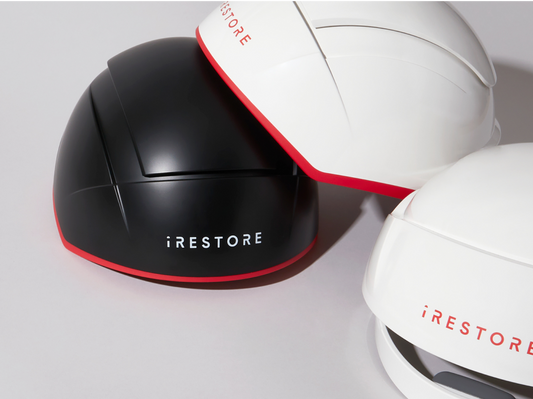
Image of the Elite, Professional and Essential helmet device in top view angle.

Reach Your Hair Growth Goals

Find out if iRESTORE can help you reverse your hair loss and restore your confidence. Take the quiz now to get personalized recommendations.

Take the quiz
5 Min to Read

How to Clean an LED Face Mask in 5 Easy Steps

If you are wondering how to clean an LED face mask at home, the good news is that it does not take much time or effort. You just need the right method and gentle products.

Read More
8 Min to Read

How to Replace iRESTORE Foam Pads

Did you know the foam pads in your iRESTORE helmet play a key role in fit and light placement, and that replacing them is a quick way to refresh comfort and performance?

Read More
5 Min to Read

Does Hair Dye Cause Hair Loss?

You dye your hair, and a few days later, you notice more strands in the shower. It is easy to assume the color caused your hair loss.

Read More
7 Min to Read

Bad Hair Product Ingredients to Avoid in Shampoo, Conditioner, and Styling

Most people focus on how a hair product makes their hair look, not what it contains. However, the ingredients inside your shampoo, conditioner, and styling products affect your scalp every single day.

Read More
5 Min to Read

Can Red Light Therapy Cause Cancer?

If you are considering red light therapy, it is normal to worry about safety. Many people ask, “can red light therapy cause cancer?”, especially when they hear the word “radiation.” 

Read More
5 Min to Read

Male vs Female Hairline: 6 Key Differences

Many people worry about their hairline without knowing what is normal. A small change can feel stressful, especially when online images show perfect hairlines everywhere.

Read More
5 Min to Read

Can Wearing Your Hair Up Cause Hair Loss?

If you wear your hair in a ponytail or bun most days, you may wonder, can wearing your hair up cause hair loss. It sounds harmless, but some styling habits place steady stress on your hairline. 

Read More
6 Min to Read

Benefits of Red Light Therapy Masks for Skin

Red light therapy masks have become popular in at-home skincare routines. Many people see them online and wonder what they actually do for the skin. Are the benefits real, or are they just another beauty trend?

Read More