

If you wear your hair in a ponytail or bun most days, you may wonder, can wearing your hair up cause hair loss. It sounds harmless, but some styling habits place steady stress on your hairline.
Wearing your hair up can contribute to hair loss when styles are tight and worn repeatedly. Constant pulling on the same areas can weaken the hair at the root, leading to a type of hair loss caused by tension rather than shedding. This does not happen to everyone, but the risk increases with how often and how tightly hair is styled.
Hair loss from styling does not happen overnight. It builds slowly, which makes it easy to miss early warning signs. Many people notice thinning only after years of repeating the same tight styles. Knowing what causes the damage is the first step to preventing it.
What Traction Alopecia Is?
Traction alopecia is hair loss caused by repeated pulling on the hair. It happens when tight styles place constant tension on the same areas of the scalp. Over time, this tension weakens hair follicles and slows healthy growth.
According to guidance from the American Academy of Dermatology, hairstyles that pull the hair tightly can damage follicles if worn often or for long periods. The damage usually appears along the hairline, temples, or around the forehead.
In the early stages, traction alopecia from ponytail is often reversible. When pulling continues for years, follicles may stop producing hair permanently. This is why early changes matter.
Which Hairstyles Are Most Likely to Cause Hair Loss?
Not every updo causes problems. The risk increases when styles are tight, worn often, and kept in place for many hours.
Common high-risk hairstyles include:
-
High ponytails that pull the hair straight back
-
Tight buns or top knots worn daily
-
Braids, cornrows, or extensions under tension
For example, someone who wears a tight ponytail for workouts and work may stress the same hairline spots every day. Over time, those areas thin first. Looser styles and variety reduce this repeated strain and help protect follicles.
Early Signs Your Hairstyle Is Damaging Your Hairline
Damage from tight hairstyles rarely happens overnight. It usually builds slowly, which makes it easy to ignore at first. Knowing what to look for helps you step in before thinning turns into lasting hair loss.
-
Scalp soreness after removing your hair
If your scalp feels tender, tight, or slightly painful once you take your hair down, it is a clear sign of tension. This discomfort means your follicles were under constant pull, even if the style felt fine while worn. -
Short, broken hairs along the hairline
Small, uneven hairs around your forehead or temples often signal breakage, not new growth. These strands tend to look thinner and more fragile, especially when compared to healthy regrowth patterns discussed in New Hair Growth vs Breakage. -
Gradual thinning at the temples or forehead
The hairline and temples absorb the most stress from tight styles. Early thinning in these areas may show up as a wider hairline or uneven density rather than obvious bald spots. -
A tight or itchy feeling while wearing the style
Persistent tightness, itching, or a pulling sensation during the day suggests your scalp is under strain. This feeling is not normal and often means the style is placing ongoing stress on the roots. -
Changes in hair texture near the hairline
Hair affected by tension may start to feel weaker, drier, or more brittle than the rest of your hair. Comparing these changes with the indicators in Signs of Healthy vs Unhealthy Hair can help you catch damage early.
Spotting these signs early gives you a chance to adjust your styling habits before the damage becomes permanent.
How to Prevent Hair Loss from Wearing Hair Up?
Preventing hair loss from wearing your hair up does not mean avoiding ponytails or buns altogether. The goal is to reduce repeated tension on the same areas so your follicles are not under constant stress. Small adjustments in how you style your hair can make a noticeable difference over time.
-
Choose looser styles whenever possible - Styles that sit gently on the scalp place less strain on the roots. A relaxed ponytail or a soft bun allows your hair to stay secured without constant pulling.
-
Rotate the placement of ponytails and buns - Wearing your hair up in the exact same spot every day concentrates stress on one area. Changing the position helps spread tension and protects vulnerable sections of your hairline.
-
Use soft, flexible hair ties - Fabric-covered ties or scrunchies reduce friction and pulling compared to tight elastics. They also make it easier to adjust your style without yanking at the hair.
-
Mix up your hairstyles during the week - Alternating between a low ponytail, a loose braid, and a half-up style gives your follicles time to recover. Variety prevents constant strain on the same hairs.
-
Pay attention to how your scalp feels - If a style feels tight or uncomfortable, it is a sign to loosen it or switch styles. Comfort is often the first indicator that your hair is being styled safely.
Can iRESTORE Help If You’re Seeing Thinning From Tight Hairstyles?
Tight hairstyles damage hair through pulling, not through hormones. Still, early thinning can benefit from extra follicle support once tension is reduced.
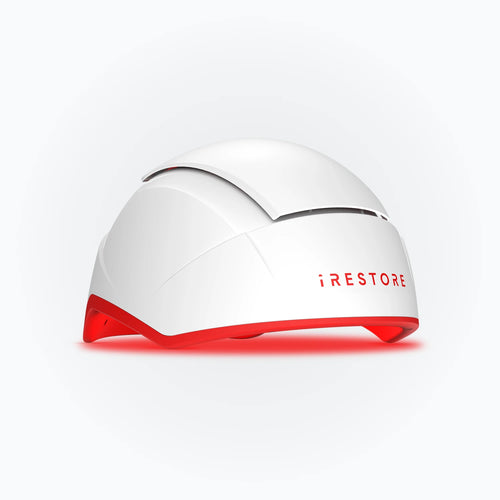
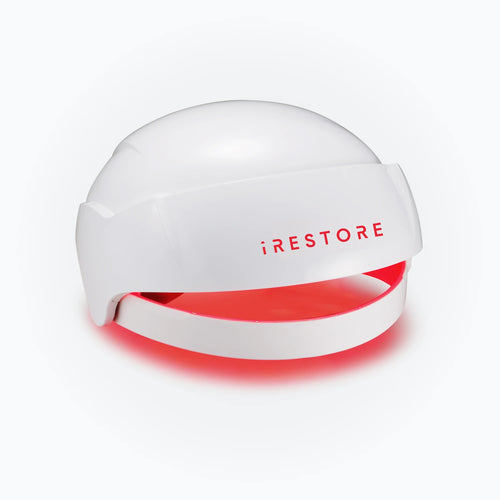
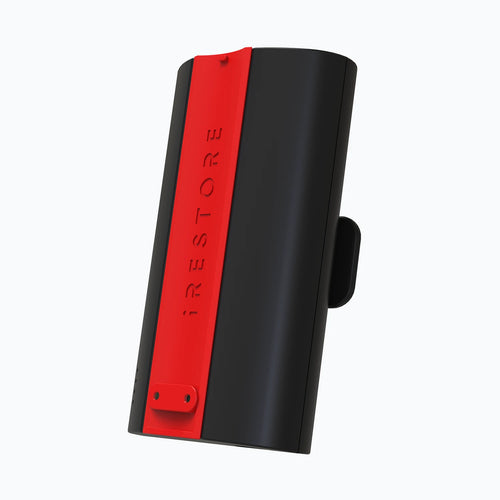
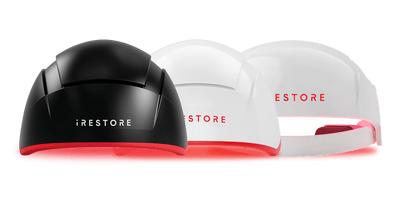
iRESTORE uses red light therapy to support scalp circulation and follicle activity. This can help weakened follicles function better when they are no longer under constant strain. It does not fix damage overnight, and it cannot reverse permanent follicle loss.
However, when used early and paired with gentler styling habits, iRESTORE may help maintain hair density. It works best as a support tool, not a replacement for changing the hairstyle habits that caused the problem.
Conclusion
So, can wearing your hair up cause hair loss? The answer depends on how tight, how often, and how long you wear those styles. Hair loss from traction builds slowly, which is why many people overlook it until thinning becomes visible.
The good news is that early traction alopecia is often preventable and sometimes reversible. Loosening styles, changing placement, and giving your scalp regular breaks can protect your hairline.
When combined with healthier habits, supportive options like iRESTORE’s red light therapy devices can help maintain follicle health and reduce further thinning over time.
FAQs
Can wearing your hair up too much cause hair loss?
Yes. Wearing tight styles often can place repeated tension on hair follicles, which may lead to traction alopecia over time.
Is ponytail hair loss permanent?
Early traction-related hair loss is often reversible. Long-term pulling can cause permanent damage if it continues for years.
How tight is too tight for hairstyles?
If a style causes pain, soreness, or scalp tenderness, it is too tight and puts stress on follicles.
Does sleeping with your hair tied up cause damage?
Yes. Tight styles during sleep increase tension for many hours and raise the risk of breakage and thinning.
Can red light therapy help traction alopecia?
Red light therapy may support follicle health when used early and combined with gentler styling habits. It cannot revive follicles that are already permanently damaged.
Disclaimer: The iRESTORE blog is for informational purposes only and is not intended to replace professional medical advice or treatment. Please do not ignore professional guidance because of information you’ve read here. If you have concerns about your hair or skin health, we encourage you to consult a qualified healthcare professional.