

If you are considering red light therapy, it is normal to worry about safety. Many people ask, “can red light therapy cause cancer?”, especially when they hear the word “radiation.”
As per latest studies- the answer is a no. Current medical research shows that red light therapy does not cause cancer and does not damage DNA.
The confusion usually comes from mixing red light with UV light or medical radiation. These are very different. Red light therapy uses low-level, non-ionizing light that works on the surface and just below the skin.
Why People Think Red Light Might Cause Cancer?
The fear around cancer often starts with the word “light.” Many people connect light exposure with sun damage, tanning beds, or radiation used in medical scans. Since UV light is known to raise skin cancer risk, it is easy to assume all light works the same way.
Another reason is the idea that red light “stimulates cells.” Some people worry that if healthy cells respond to light, cancer cells might too. However, this concern overlooks how different types of light interact with the body.
Authorities like the American Academy of Dermatology explain that cancer risk depends on whether light can damage DNA. Red light therapy does not fall into the category of DNA-damaging radiation, which is why it is not classified as carcinogenic.
Red Light vs UV Light: What’s the Actual Difference?
The key difference comes down to energy. UV light carries enough energy to damage DNA inside cells. This DNA damage is what increases cancer risk over time. This is why unprotected sun exposure raises skin cancer risk.
Red light therapy uses non-ionizing light. This type of light does not break DNA strands or cause mutations. Instead, it supports normal cell activity by helping cells produce energy more efficiently.
A simple way to think about it is this. UV light acts like a hammer hitting DNA. Red light acts more like a gentle signal telling cells to function normally. Because of this difference, red light therapy does not carry the same cancer risk as UV exposure.
What the Evidence Says About Red Light Therapy and Cancer Risk?
Scientific studies have looked closely at whether red light therapy can cause cancer or help cancer cells grow. So far, researchers have not found evidence that red light therapy triggers cancer in healthy tissue. This is mainly because red light does not damage DNA, which is the first step in cancer development.
Reviews published in medical journals indexed by the National Library of Medicine explain that red and near-infrared light are used in a field called photobiomodulation. These wavelengths support normal cell function and energy production without causing genetic mutations. This is why red light therapy is widely used in dermatology and physical therapy settings.
Some lab studies explore how red light affects already abnormal cells. These studies do not show that red light causes cancer to form. Instead, experts agree it should not be used directly over known tumors without medical advice. For general wellness and cosmetic use, the evidence supports safety.
When Should People Be Cautious With Red Light Therapy?
Even though red light therapy is considered safe, certain people should be more careful. Anyone with active cancer or unexplained skin lesions should talk to a doctor before starting treatment. This helps rule out conditions that need medical care first.
People who take medications that increase light sensitivity should also be cautious. These drugs can make skin react more strongly to light exposure. Using red light therapy without guidance could cause irritation in these cases.
If you have easily irritated or reactive skin, starting slow matters. This is covered in more detail here: Is Red Light Therapy Safe for Sensitive Skin?
How to Use At-Home Red Light Therapy Safely?
Safe use starts with choosing a well-designed device. At-home red light therapy works best when the device uses specific wavelengths that have been studied in clinical settings. Using unverified or overly powerful devices increases the risk of misuse.
Follow the recommended session length and frequency. More time does not mean better results. Most studies showing benefits use short, consistent sessions over weeks or months.
Also pay attention to placement and distance. Devices are designed to work at a set range. Staying within these guidelines helps ensure results without unnecessary exposure. When used as directed, at-home red light therapy fits safely into a long-term wellness routine.
Why iRESTORE Is a Better Fit for At-Home Red Light Therapy?
Not all at-home red light devices are built the same. Safety depends on controlled wavelengths, treatment timing, and consistent output. iRESTORE devices are designed around red and near-infrared light ranges that have been widely studied for cosmetic and hair support use.
Another key factor is structure. iRESTORE devices guide users on session length and frequency, which helps prevent overuse. This matters because safe results come from consistency, not longer exposure. Many concerns about whether red light therapy can cause cancer stem from misuse or misunderstanding, not from the therapy itself.
Conclusion
So, does red light therapy cause cancer? Based on current research, the answer remains no. Red light therapy does not damage DNA, and it does not carry the same risks as UV light or medical radiation. This is why it continues to be used in dermatology, wellness, and hair care settings.
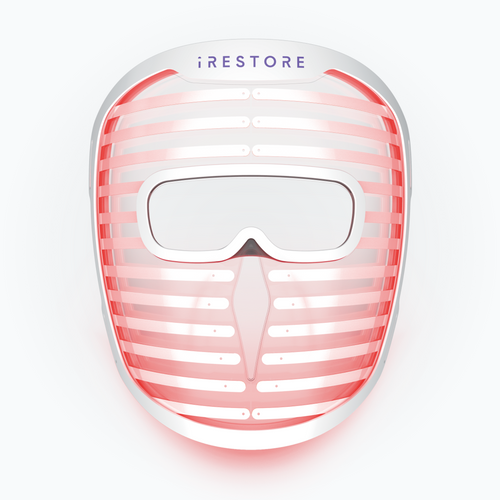
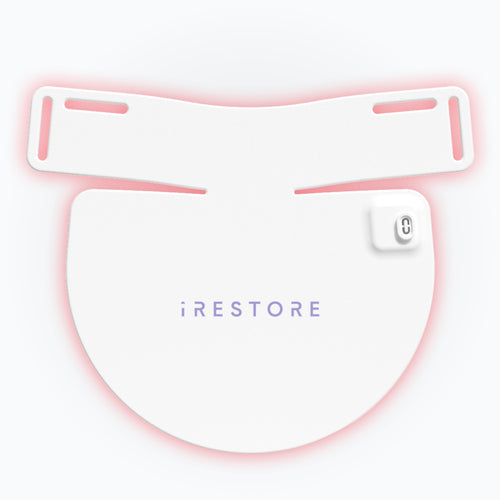
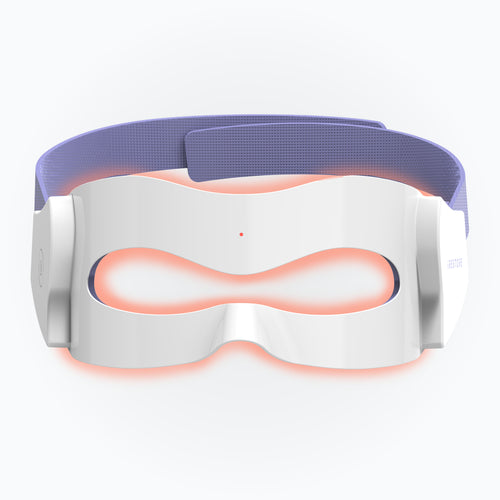
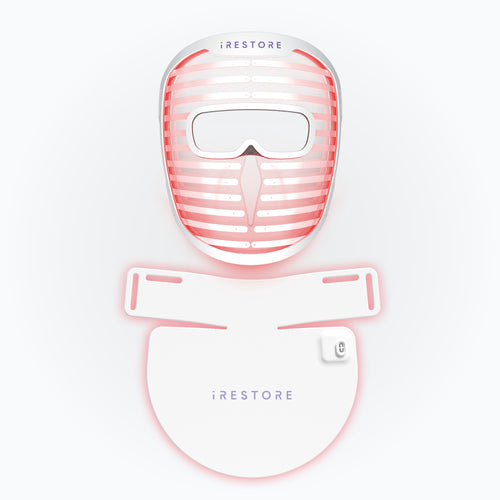
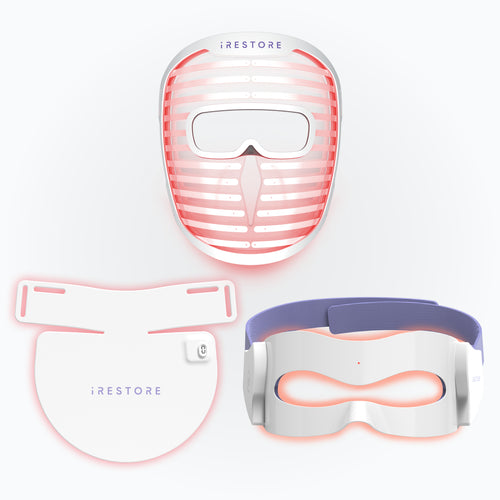
Most fears come from confusing different types of light or assuming that all radiation is harmful. When people understand how red light works, the concern becomes much smaller. Using a well-designed device like iRESTORE’s Illumina Face Mask and following instructions makes red light therapy a safe option for most users.
If you ever have a medical condition or unusual skin changes, speaking with a healthcare provider is the right first step. For everyday cosmetic and hair support use, red light therapy remains a low-risk, well-studied option.
FAQs
Can red light therapy cause cancer cells to grow?
There is no evidence showing that red light therapy causes cancer cells to grow in healthy tissue.
Is LED light therapy carcinogenic?
No. LED-based red light therapy is not classified as carcinogenic by medical or regulatory bodies.
Is red light therapy the same as UV light exposure?
No. UV light damages DNA and increases cancer risk. Red light does not.
Is it safe to use red light therapy long term at home?
Yes, when you use clinically designed devices and follow recommended guidelines.
Disclaimer: The iRESTORE blog is for informational purposes only and is not intended to replace professional medical advice or treatment. Please do not ignore professional guidance because of information you’ve read here. If you have concerns about your hair or skin health, we encourage you to consult a qualified healthcare professional.