

You dye your hair, and a few days later, you notice more strands in the shower. It is easy to assume the color caused your hair loss. This worry is common, especially for people who dye their hair often or cover grays regularly.
So, can dying your hair cause hair loss? In most cases, the answer is no. Hair dye does not usually cause permanent hair loss. However, it can damage the hair shaft and irritate the scalp if used incorrectly. This damage can make hair break or shed more than usual, which often feels like hair loss.
Understanding what is really happening helps you protect your hair and make safer choices when coloring it.
Does Hair Dye Cause Hair Loss or Just Hair Damage?
Hair dye mainly affects the part of hair you can see, not the root under your scalp. The chemicals open the outer layer of the hair so color can settle inside. This process weakens the hair strand over time, especially with repeated coloring.
Because of this, many people experience breakage rather than true hair loss. Broken strands fall from the middle or ends, while hair loss starts at the root. If you want help spotting the difference, this guide on New Hair Growth vs Breakage: How to Tell the Difference explains it clearly.
True hair loss from dye is rare. Most cases involve dryness, snapping, or thinning in appearance rather than damage to the follicle itself.
Does Ammonia in Hair Dye Cause Hair Loss?
Ammonia is used in many permanent dyes to open the hair cuticle and help color last longer. While effective, it can be harsh on both hair and scalp when used often.
Research shows ammonia can weaken hair structure and increase breakage when used repeatedly. This makes hair feel rough, brittle, and thinner over time. However, it does not usually stop hair from growing since follicles sit deeper in the scalp and stay protected.
Problems arise when ammonia causes scalp irritation or chemical burns, which can trigger temporary shedding. This type of shedding often improves once the scalp heals and irritation stops.
Common Reasons Your Hair Falls Out After Dyeing
Hair fall after dyeing often has more than one cause. In many cases, the timing makes dye the easy target, even when other factors play a role.
Repeated coloring weakens hair over time
Hair dye works by opening the cuticle to deposit color. When this happens again and again (especially on hair that has already been dyed), the internal structure gradually weakens. Over time, strands lose strength and snap more easily during washing, brushing, or styling. This breakage is often mistaken for sudden hair fall.
Dye overlap causes faster breakage
Applying dye repeatedly to the same lengths and ends instead of focusing only on new growth increases damage. These sections have already been chemically processed, so additional overlap reduces elasticity even further. The result is thinner, rougher hair that breaks shortly after coloring.
Overprocessing dries hair and reduces elasticity
Leaving dye on longer than recommended does not improve color results. Instead, it strips moisture from the hair and leaves strands stiff and brittle. When hair loses flexibility, it cannot handle everyday tension and breaks more easily, leading to noticeable shedding.
Scalp irritation can trigger temporary shedding
Some people experience scalp sensitivity or mild allergic reactions after dyeing. Inflammation, itching, or discomfort can disrupt the normal hair growth cycle. When follicles enter a resting phase due to irritation, increased shedding may follow for several weeks before growth normalizes.
Stress can also add to the problem. Dermatologists note that physical or emotional stress can push hair into a shedding phase called telogen effluvium. When this happens around the same time as dyeing, the two are often blamed together (even when stress is a major underlying factor).
Does Dyeing Your Hair Damage It Long Term?
Hair dye does not usually damage hair forever, but repeated use can cause lasting weakness. Over time, colored hair may lose moisture and elasticity, making it snap more easily during brushing or washing.
This type of damage changes how hair looks and feels. It can seem thinner, duller, or rough to the touch. If you are unsure whether your hair is damaged or healthy, this guide on Signs of Healthy vs Unhealthy Hair can help you spot early warning signs.
The good news is that damaged hair can improve with proper care. New hair growth usually comes in healthy once harsh treatments stop or slow down.
How to Dye Your Hair With Less Risk
You can still color your hair while reducing the risk of breakage and shedding. Small changes often make a noticeable difference.
Space coloring sessions to allow recovery
Coloring too frequently does not give hair enough time to regain moisture and strength. Spacing sessions at least 8 to 10 weeks apart helps reduce cumulative damage and lowers the risk of breakage over time.
Avoid permanent dye on previously colored ends
Permanent dye is most damaging when repeatedly applied to the same sections. Focusing only on new growth instead of re-dyeing the lengths and ends helps preserve elasticity and prevent unnecessary weakening.
Patch test every time, even with familiar dyes
Reactions can develop over time, even with products you have used before. A patch test helps identify potential irritation early and reduces the risk of scalp inflammation that could lead to temporary shedding.
Condition deeply before and after coloring
Well-hydrated hair tolerates chemical processing better. Deep conditioning before coloring improves flexibility, while conditioning afterward helps restore moisture lost during the dyeing process.
Reduce heat styling after dyeing
Heat styling adds extra stress to freshly colored hair. Limiting blow dryers, straighteners, and curling tools for at least a week after dyeing helps prevent breakage while hair is more vulnerable.
For example, someone covering grays every month may notice more breakage than someone who touches up roots every two months. Giving hair time to recover supports better strength and thickness over time.
Hair Falling Out After Dyeing: Will It Grow Back?
In most cases, yes, hair that falls out after dyeing grows back. This is especially true when the issue is breakage or temporary shedding, not damage to the follicle. Since dye works on the hair shaft, the root often stays healthy and keeps producing new hair.
Dermatologists explain that temporary shedding often follows irritation or stress to the scalp. According to guidance shared by the Cleveland Clinic, this type of shedding usually slows within a few months once the trigger is removed and normal growth resumes. This is why many people notice baby hairs returning after they stop frequent coloring.
If shedding continues for months without improvement, the cause may not be the dye alone. At that point, it helps to look deeper into growth cycles and scalp health.
When to Be Concerned About Thinning and What to Do Next
Certain signs make it clear that hair thinning needs closer attention rather than a wait-and-see approach.
-
Ongoing thinning that continues beyond normal seasonal shedding
-
Patchy hair loss or visible scalp in specific areas
-
Shedding that lasts longer than three to six months
-
Burning, itching, or scabbing on the scalp after dyeing
Hair thinning does not always come from color alone. Hormonal changes, genetics, or underlying scalp conditions can affect growth, which is why identifying the root cause matters more than guessing.
If you feel unsure, consulting a dermatologist can help clarify whether hair dye is truly contributing to the problem or simply happening at the same time.
Conclusion
So, does hair dye cause hair loss? In most cases, no. Hair dye is far more likely to cause breakage or temporary shedding than true hair loss from the root. When hair looks thinner after coloring, damage to the hair shaft is usually the real reason.
Problems often start with frequent coloring, harsh formulas, or poor aftercare. Over time, this weakens hair and makes breakage more noticeable. However, the follicle usually stays healthy, which means new hair can still grow normally.
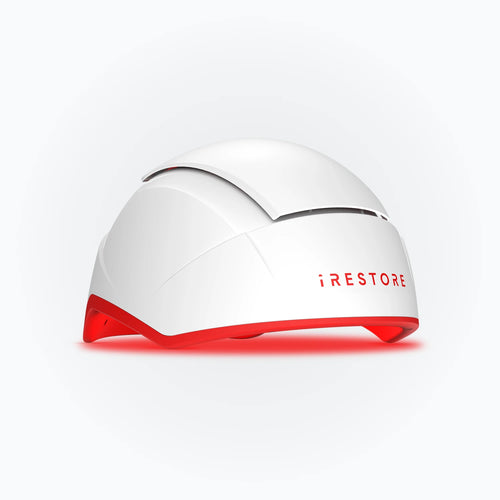
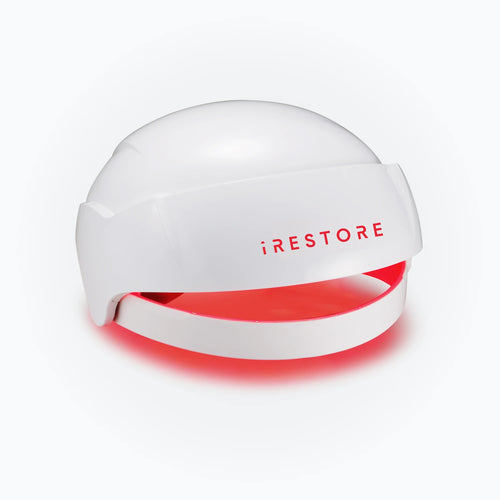
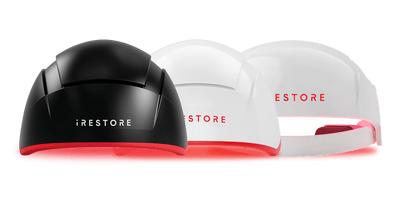
If you have noticed thinning over time, it can help to support overall hair health while you reduce chemical stress from dyes. Many people use tools like the iRESTORE Professional red light therapy system to stimulate follicles and promote healthier, fuller hair growth at home, backed by clinical results showing significant increases in hair count within a few months of regular use.
FAQs
Does hair dye cause hair loss permanently?
In most people, no. Hair dye usually causes breakage or temporary shedding, not permanent hair loss.
Is box dye worse than salon dye?
Box dyes often use stronger formulas meant to work on many hair types. This can increase damage if used often.
Can ammonia-free dye still cause problems?
Yes. Even without ammonia, frequent coloring can dry out hair and lead to breakage.
How often is it safe to dye your hair?
Most experts suggest waiting at least 8 to 10 weeks between permanent dye sessions.
Disclaimer: The iRESTORE blog is for informational purposes only and is not intended to replace professional medical advice or treatment. Please do not ignore professional guidance because of information you’ve read here. If you have concerns about your hair or skin health, we encourage you to consult a qualified healthcare professional.