

Gua sha has gone from ancient Chinese medicine to one of TikTok's favorite skincare tools. But does scraping a smooth stone across your face actually do anything real?
Gua sha can temporarily reduce facial puffiness through lymphatic drainage. It can boost blood flow and help your face look a bit more glowing for a few hours. However, clinical evidence for permanent anti-aging effects simply does not exist right now.
This article gives you the honest, evidence-based middle ground. We will look at what facial gua sha can realistically do for your skin, what it cannot do, the correct technique, and when professional treatments might be a better choice.
Does Gua Sha Actually Work? The Evidence-Based Answer
Let's get straight to the point. Does gua sha actually work? It depends entirely on what you expect it to do.
Gua sha delivers real, temporary effects. The gentle scraping motion moves fluid that collects under your skin overnight through a process called lymphatic drainage. Your face can look noticeably less puffy after just one session.
Also, as Cleveland Clinic explains, gua sha increases microcirculation in treated areas, helping promote blood flow through the body's smallest blood vessels.
A 2007 study found that gua sha increased surface blood flow by up to 400% in treated areas. That research was done on the body, not the face, but the basic mechanism still explains the temporary "glow" people notice.
Now for the reality check. Gua sha will not:
-
Permanently sculpt your jawline or change your face shape
-
Replace Botox, fillers, or professional treatments
-
Erase wrinkles or fine lines
-
Produce results that last beyond a few hours
What Is Gua Sha? Origin, Mechanism, and Modern Adaptation
Gua sha is a technique rooted in Traditional Chinese Medicine (TCM) that dates back centuries. The name breaks down simply: "gua" means to scrape, and "sha" refers to the reddish marks (called petechiae) that appear on the skin after treatment. Practitioners originally used firm pressure on the body to treat pain, stiffness, and illness.
The facial version popular on social media today is very different. Facial gua sha uses much lighter pressure and a smooth, flat stone. The goal is not to create redness or bruising. Instead, it targets three things:
-
Microcirculation: Gentle scraping brings more blood flow to the skin's surface, creating that temporary glow.
-
Lymphatic drainage: Sweeping strokes push excess fluid toward your lymph nodes, reducing puffiness.
-
Muscle tension release: Slow pressure along the jaw and forehead helps relax tightness from clenching or furrowing.
You will find gua sha tools made from jade, rose quartz, bian stone, and stainless steel. Many brands market specific materials as superior, but the material does not really affect results. What matters most is the shape of the tool and your technique.
What Facial Gua Sha Can Realistically Do?
Now that you understand what gua sha is and how it works, let's talk about the benefits you can actually expect.
Temporarily reduce morning puffiness. If you wake up with a puffy face, gua sha can help. The gentle sweeping motions push excess fluid toward your lymph nodes, where your body can drain it naturally. Many people notice a visible difference within five to ten minutes.
Give your skin a short-term glow. By boosting blood flow to the surface of your skin, gua sha delivers a temporary flush of color and radiance. This is the same reason your cheeks look rosy after a brisk walk. The effect typically fades within a few hours.
Release facial muscle tension. If you clench your jaw, grind your teeth, or furrow your brow throughout the day, tension builds up in those muscles. Gua sha can help relax that tightness, similar to how a massage loosens knots in your shoulders. People who carry stress in their face often find this benefit the most noticeable.
Help your skincare products absorb better. Using gua sha over a facial oil or serum creates light friction and warmth. This can help your products spread more evenly and sink into your skin a bit more effectively. If you layer multiple active ingredients and tools in your routine, it helps to know what pairs safely, like whether retinol and LED face masks can be used together.
Feel genuinely relaxing. This benefit is easy to overlook, but it matters. The slow, repetitive motions of gua sha can feel meditative. Taking five quiet minutes for yourself each morning has real value for your mood and stress levels, even if the skin benefits are modest.
What Facial Gua Sha Cannot Do?
The internet is full of exaggerated claims about gua sha, and being honest about its limits will save you time, money, and frustration.
It cannot permanently change your face shape or bone structure. No stone tool can reshape bone. Your facial structure is determined by genetics. The "sculpted" look you see in before-and-after photos is almost always reduced puffiness, not actual structural change. Once the fluid returns, so does the original appearance.
It cannot produce lasting lifting or sculpting. Some influencers show dramatic jawline transformations after weeks of gua sha. In reality, factors like lighting, angles, water retention, and even time of day play a huge role in how your face looks in photos. Gua sha may temporarily define your jawline by draining fluid, but the effect does not last.
It cannot replace Botox, fillers, or professional treatments. These are medical procedures that physically alter tissue. Gua sha works on the surface level only. Comparing the two is like comparing a daily walk to surgery for a knee injury. Both have value, but they solve very different problems.
It cannot eliminate wrinkles or fine lines. Wrinkles form because of collagen breakdown, sun damage, and repeated muscle movements over time. There is no robust scientific evidence that gua sha stimulates collagen production or reverses these deeper skin changes. If collagen support is your priority, learn how red light therapy for collagen production works differently.
It cannot do what clinical devices can. Tools like microcurrent devices and LED therapy panels have peer-reviewed research supporting their effects on muscle tone and collagen. Gua sha does not have that same level of evidence for anti-aging results.
How to Use Gua Sha on Your Face (Correct Technique)?
If you decide gua sha is worth adding to your routine, technique matters more than the tool you buy. Done incorrectly, you will not see much benefit and could even irritate your skin. Here is a simple step-by-step guide.
-
Start with a clean face. Wash your face thoroughly so you are not dragging dirt or bacteria across your skin.
-
Apply a facial oil or serum. You need something slippery on your skin. Gua sha should never be done on a dry face because the friction can tug at your skin and cause irritation.
-
Hold the tool at a 15 to 30 degree angle. Keep the tool almost flat against your skin. A steep angle creates too much pressure and can cause bruising.
-
Begin at your neck and sweep upward. This step is important and often skipped. Your lymph nodes are located along your neck, so you need to "open the pathway" for fluid to drain before you work on the rest of your face.
-
Work upward and outward on each area. Move from your jawline to your cheeks, then under your eyes, and finally across your forehead. Always stroke outward toward your hairline and upward toward your temples. Use slow, steady strokes rather than quick back-and-forth motions.
-
Use light to medium pressure only. Facial skin is thin and delicate. You should feel gentle pressure, not pain. If your skin turns red or feels sore, you are pressing too hard.
-
Spend 5 to 10 minutes, 2 to 3 times per week. You do not need to do gua sha every day. A few sessions per week is enough to enjoy the temporary benefits without overdoing it.
A few important cautions. Avoid gua sha on active acne breakouts, rosacea flares, sunburned skin, or any area where you have recently had a cosmetic procedure. If you have any skin condition that causes easy bruising or if you take blood thinners, talk to your doctor before trying gua sha.
Who Should and Shouldn't Use Gua Sha?
Gua sha is not for everyone, and knowing whether it fits your situation can save you from wasted effort or irritated skin.
Gua sha is a good fit if you:
-
Enjoy skincare rituals and find slow, intentional routines relaxing
-
Wake up with puffy eyes or a swollen face and want a simple way to reduce it
-
Carry tension in your jaw from clenching or grinding your teeth
-
Want to add a complementary step to your existing skincare routine
-
Have realistic expectations about temporary, subtle results
You should skip gua sha if you:
-
Have active acne, eczema, rosacea, or any inflamed skin condition
-
Take blood-thinning medications, which can make you bruise easily
-
Recently had cosmetic procedures like fillers, chemical peels, or laser treatments
-
Expect permanent face sculpting, wrinkle removal, or dramatic anti-aging results
There is one more thing worth mentioning for people with naturally lean faces. Gua sha works largely by reducing puffiness. If your face is already thin, less is more. Shorter sessions with lighter pressure will give you the relaxation benefit without overdoing the drainage.
Gua Sha vs. Other Facial Tools Compared

Gua sha is just one option in a growing market of facial tools. If you are wondering how it stacks up, this comparison breaks down the key differences.
|
Feature |
Gua Sha |
Jade Roller |
Microcurrent Device |
|
|
How it works |
Manual scraping for lymphatic drainage |
Gentle rolling for light massage |
Low-level electrical currents stimulate facial muscles |
Specific light wavelengths penetrate skin |
|
Best for |
Puffiness, tension relief, relaxation |
Light depuffing, product application |
Muscle toning, facial contouring |
Collagen stimulation, acne reduction |
|
Clinical evidence for anti-aging |
No facial-specific RCTs |
No clinical anti-aging evidence |
Some peer-reviewed studies support results |
Stronger clinical evidence for collagen and acne |
|
Skill required |
Moderate (angle and technique matter) |
Low (simple rolling motion) |
Low to moderate (follow device instructions) |
Low (hold device near skin) |
|
Price range |
$10 to $40 |
$10 to $30 |
$100 to $400+ |
$50 to $500+ |
|
Pain or discomfort |
None if done correctly |
None |
Mild tingling |
None |
A few things stand out in this comparison. Gua sha and jade rollers sit at the affordable end but offer only temporary cosmetic effects with no strong clinical backing for anti-aging.
A 2025 randomized controlled trial found that both gua sha and facial rollers reduced facial surface distances by 2 to 3 mm over 8 weeks, with gua sha showing greater effects on muscle tone.
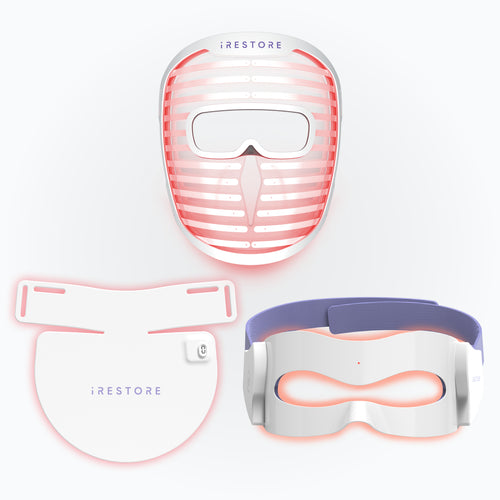
Microcurrent devices and LED panels cost significantly more, but they also have more scientific research supporting their claims. Want to see what LED results actually look like? Check out real LED face mask before and after photos.
So, no single facial tool does everything. The best choice depends on your goals, your budget, and how much time you want to invest.
Conclusion
So does gua sha actually work? Yes, but only if your expectations match reality. It can reduce morning puffiness, boost circulation, and release facial tension. Those effects are real, and they are also temporary.
Gua sha will not reshape your jawline, erase wrinkles, or replace professional treatments. The clinical evidence for permanent anti-aging benefits is not there yet.
What often gets lost in the debate is the value of the ritual itself. Slowing down, caring for your skin, and spending a few quiet minutes on yourself can lower stress and make your routine feel enjoyable. The people who love gua sha most are the ones with realistic expectations. They enjoy the process, appreciate the subtle glow, and do not chase miracles.
Frequently Asked Questions
1. Does gua sha actually work for face slimming?
Gua sha can make your face look slightly slimmer by draining excess fluid, but the effect is temporary. It cannot change bone structure or permanently reduce facial fat. What you see in dramatic before-and-after photos is usually reduced water retention, not true slimming.
2. Is there scientific evidence that gua sha helps with wrinkles?
Currently, there is no strong scientific evidence that gua sha reduces wrinkles. Wrinkles result from collagen loss, sun damage, and muscle movements over years. While gua sha boosts surface circulation temporarily, no peer-reviewed study has shown it stimulates enough collagen to smooth out fine lines.
3. Is gua sha better than a jade roller?
They are similar but not identical. Gua sha offers more targeted pressure and works better for tension relief and lymphatic drainage because of its flat edge. A jade roller is gentler and easier to use but provides lighter results. Neither has clinical anti-aging evidence. Your choice comes down to whether you prefer a more active technique or a simpler rolling motion.
4. Can gua sha damage your skin or cause bruising?
Yes, if done incorrectly. Pressing too hard, using a steep angle, or scraping over active breakouts can cause bruising, broken capillaries, or irritation. Always use light pressure, keep the tool nearly flat against your skin, and never use gua sha on inflamed or broken skin.
5. How often should you do gua sha on your face?
Two to three times per week is a good starting point. Daily use is fine if you keep the pressure light and sessions short (under ten minutes). Overdoing it can irritate sensitive skin, so pay attention to how your face responds and adjust from there.
Disclaimer: The iRESTORE blog is for informational purposes only and is not intended to replace professional medical advice or treatment. Please do not ignore professional guidance because of information you’ve read here. If you have concerns about your hair or skin health, we encourage you to consult a qualified healthcare professional.