

When someone says their hair is "thin," they could mean two completely different things. They might be talking about how each strand feels between their fingers. Or they might mean they don't have very much hair on their head.
This mix-up matters more than you'd think. Because the difference changes everything about how you care for your hair.
Strand diameter and density are two independent traits that people constantly confuse. Fine hair measures less than 60 microns across, while coarse hair sits above 80 microns. Density, on the other hand, is about how many strands grow on your head overall.
In this guide, you'll learn what thick and thin hair really mean, how to tell them apart with simple self-tests, why hair thins over time, and what actually works for each type. Let's clear up the confusion for good.
Thick vs Thin Hair: The Real Difference Most People Get Wrong
Most people use "thick" and "thin" as if they describe one thing. But they actually describe two.
Strand diameter is about how wide each individual hair is. You might hear this called "fine" or "coarse." A single strand of fine hair is narrow and soft. A coarse strand feels thicker and more textured between your fingers.
Hair density is about how many hairs grow on your head. Someone with high density has a lot of strands packed closely together. Someone with low density has fewer strands, so more scalp may be visible.
Here's why this matters: you can have fine hair that's also very dense. That means each strand is small, but you have a lot of them. Or you can have coarse hair with low density, where each strand is thick, but there aren't many.
So when someone says "I have thin hair," they could mean fine strands, low density, or both. Each one calls for a different approach to care.
Hair Diameter vs. Hair Density: Why Both Matter
The question of hair density vs thickness comes up a lot, so let's break these two traits down further. Understanding each one helps you figure out what your hair actually needs.
Strand Diameter: Fine, Medium, or Coarse
Your strand diameter is mostly genetic. It's determined by the size of your hair follicles and doesn't change much over time.
Hair scientists measure diameter in microns. Fine hair measures less than 60 microns across. Medium hair falls between 60 and 80 microns. Coarse hair is anything above 80 microns. To test yours at home, pull one strand and lay it on a white surface. If you can barely see or feel it, your hair is likely fine. If it's clearly visible and firm, it's probably coarse.
Hair Density: How Many Strands You Actually Have
Density refers to the total number of hairs on your head. The average person has about 100,000 strands, though this varies by natural hair color. Unlike diameter, your hair density can change over time due to hormones, aging, and health conditions.
The Four Hair-Type Combinations
When you put diameter and density together, you get four possible types:
-
Fine + Dense: Strands are thin, but plentiful. Hair may look full but feels soft and falls flat easily.
-
Fine + Low Density: Strands are small and there aren't many. Hair looks flat, and scalp may show through.
-
Coarse + Dense: Strands are thick and plentiful. Hair feels heavy and voluminous.
-
Coarse + Low Density: Strands are thick but fewer. Hair has texture but may lack overall fullness.
Knowing which group you fall into helps you choose the right products and treatments. Someone with fine, dense hair needs lightweight products that won't weigh things down. But someone with fine hair and low density may want to look more closely at whether they're experiencing actual hair loss.
Is Your Hair Naturally Fine, or Is It Thinning? How to Tell
This is the question that brings most people to search for "thick vs thin hair" in the first place. And the answer usually comes down to one thing: has your hair always been this way, or has it changed?
If your hair has felt soft and lightweight for as long as you can remember, you probably have naturally fine hair. That's your texture. It's not a problem to fix. It's just how your follicles are built.
But if your hair used to feel fuller and now it doesn't, something else may be going on. That shift often points to thinning, which is a gradual loss of density over time.
Here are a few simple ways to check:
-
The ponytail test: If you wear ponytails, compare how thick yours feels now to how it felt two or three years ago. A noticeable decrease in circumference can signal density loss.
-
The part-line check: Look at your part in the mirror. If it's gotten wider over time, or if you can see your scalp through your hair more than you used to, that's worth paying attention to.
-
The shedding count: Losing 50 to 100 hairs a day is normal. But if you're consistently finding more hair than usual on your pillow, in the shower, or in your brush, your density may be dropping.
None of these tests give you a medical diagnosis. But they can help you figure out whether you're dealing with natural fine hair or progressive thinning, and that difference shapes everything you do next.
What Causes Hair to Become Thinner Over Time?
If you've been wondering what causes thin hair, you're far from alone. Several common factors can reduce density over the years.
Androgenetic alopecia (AGA) is the most common cause. It's a genetic condition driven by hormones, and it affects roughly 50% of women by the time they reach age 50. In women, it usually shows up as a gradual widening of the part line rather than a receding hairline.
To learn more about how this pattern differs by gender, see Male vs. Female Hairline: What's Normal and When to Worry.
Hormonal changes also play a major role. Pregnancy, postpartum recovery, menopause, and thyroid imbalances can all shift hair growth cycles. Menopause-related hair loss is especially common because dropping estrogen levels can shorten the active growth phase of hair.
Nutritional gaps matter more than most people realize. Low levels of iron, vitamin D, biotin, and zinc have all been linked to increased shedding. Sometimes, improving your diet or adding a targeted supplement is enough to slow things down.
Aging itself changes hair naturally. As you get older, follicles gradually shrink. Each new growth cycle tends to produce a slightly finer strand. Over decades, this adds up.
External damage can make things worse, too. Heat styling, tight hairstyles, harsh chemical treatments, and even chronic stress can weaken strands and speed up shedding. If you regularly pull your hair back, check out this guide- Can Wearing Your Hair Up Cause Hair Loss?
The good news is that most of these causes are either treatable or manageable once you identify them.
What Actually Works for Thin or Fine Hair?
If you're searching for how to make thin hair thicker, the answer depends on which type of "thin" you're dealing with. These two situations call for very different solutions.
If Your Hair Is Naturally Fine
Fine hair isn't damaged or unhealthy. It just needs the right styling strategy. Volumizing mousses and root-lifting sprays can add body without weighing strands down. A good layered haircut creates movement and the appearance of fullness. And dry shampoo between washes helps absorb oil that can make fine hair go flat.
If Your Hair Is Thinning
Thinning hair needs more than styling tricks. It calls for treatments that target the root cause. Here are some options backed by evidence:
-
Minoxidil: The most widely studied topical treatment for hair loss. It works by extending the growth phase of hair follicles and is available over the counter in 2% and 5% formulations.
-
Nutrition and supplements: Correcting deficiencies in iron, vitamin D, or biotin can help slow shedding. Some people turn to supplements like Nutrafol, which combine several hair-supporting nutrients into one formula.
-
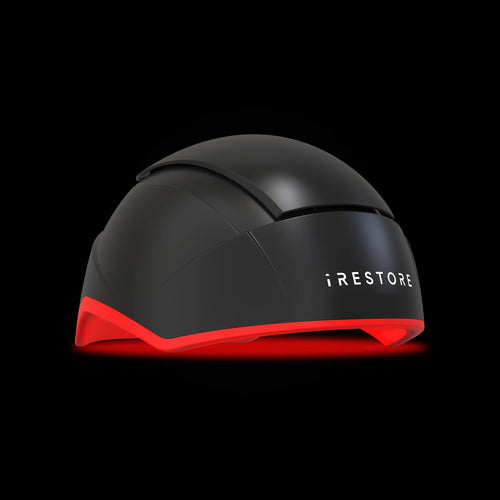
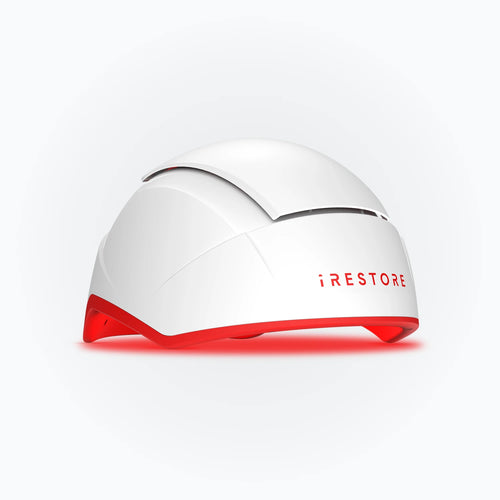
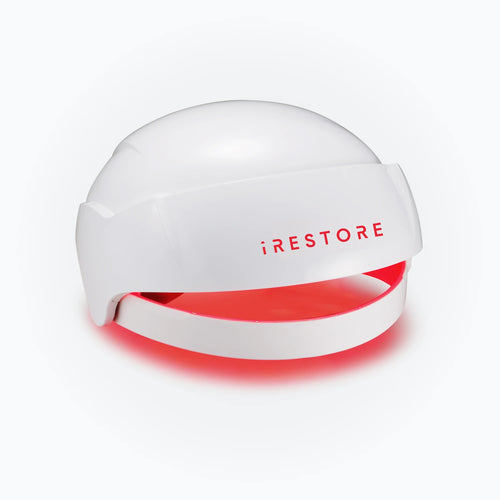
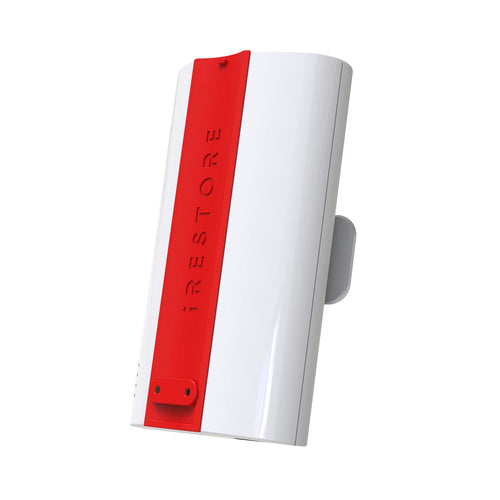
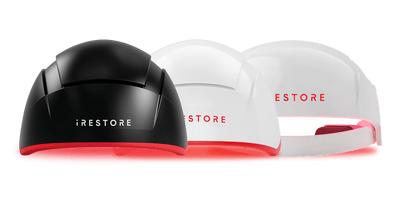
Low-level laser therapy (LLLT): Devices like iRESTORE laser caps use clinical-grade light energy to stimulate follicles at the scalp level. They're FDA-cleared and have shown hair count increases of over 43% in clinical studies, making them a popular non-drug option for people who want to treat thinning at home.
-
PRP (platelet-rich plasma): An in-office treatment where your own blood platelets are injected into the scalp to encourage growth. Results vary, but many dermatologists offer it as part of a broader treatment plan.
-
Scalp health basics: Keeping your scalp clean, balanced, and free from buildup supports healthier growth overall. A gentle exfoliating scalp scrub once a week can make a real difference.
The best results usually come from combining more than one approach. For instance, someone might use a laser therapy device a few times a week while also improving their nutrition and switching to gentler hair products.
Hair Care Routine for Fine Hair
If your hair is naturally fine, the right daily routine can make a big difference in how full and healthy it looks. The goal is simple: add volume and movement without weighing your hair down.
Washing
Fine hair tends to get oily faster than coarse hair because oil travels down the strand more quickly. Washing every other day works well for most people. Use a lightweight, volumizing shampoo and focus it on your roots where oil builds up most. Skip heavy 2-in-1 formulas. They leave behind residue that flattens fine hair almost immediately.
Conditioning
Conditioner is still important, but placement matters. Apply it only from the mid-lengths to the ends of your hair. Putting conditioner on your roots adds weight right where you need lift the most. If your hair is very fine, try a rinse-out conditioner instead of a leave-in. It gives you moisture without the heaviness.
Drying
How you dry your hair matters more than you might think. Rough towel-drying can cause breakage, especially with fine strands. Instead, gently squeeze out excess water with a microfiber towel or a soft t-shirt. When blow-drying, flip your head upside down and aim the heat at the roots. This simple trick gives you more lift at the crown.
Styling
A few product swaps can change everything. Volumizing mousse or a root-lifting spray applied to damp hair creates body that lasts all day. Avoid heavy serums and oils, which can make fine hair look greasy within hours. If you use a flat iron or curling wand, always apply a light heat protectant first. Fine hair is more vulnerable to heat damage because each strand is thinner. Products like hairspray won't cause hair loss on their own, but misuse can add unnecessary stress to fragile strands.
Common Mistakes to Avoid
Some well-meaning habits actually work against fine hair. Brushing too often can strip away volume and stimulate extra oil production at the scalp. Over-conditioning, especially with thick masks or oil treatments, can leave hair limp and lifeless. And skipping regular trims allows split ends to travel up the strand, making fine hair look even thinner at the bottom.
Also, watch out for bad hair product ingredients to avoid that may be weighing your fine hair down further.
Conclusion
The difference between fine hair and thin hair might seem small on the surface, but it changes almost everything about how you care for your hair. Fine hair is a texture you're born with. Thin hair, or low density, describes how much hair you actually have. And thinning is something different altogether, a gradual change that often has a treatable cause behind it.
Once you understand which category you fall into, you can stop guessing and start making choices that actually work. If your hair has always been soft and lightweight, the right routine and a few smart product choices can give you the volume and body you want. If your hair density has genuinely decreased over time, that's your signal to dig deeper and explore treatment options that address the cause, not just the appearance.
You don't have to figure it all out at once. Start with the self-tests in this guide to understand where you stand. From there, you can build a routine or a treatment plan that fits your hair and your life. The most important step is simply knowing the difference, and now you do.
FAQs
What is the difference between fine hair and thin hair?
Fine hair refers to the width of each individual strand. Thin hair refers to how many strands you have overall, also called density. You can have fine hair that's very dense, or coarse hair with low density. They're two separate traits that often get mixed up.
How do I know if my hair is fine or if it's thinning?
The simplest test is to think about whether your hair has changed. If it's always felt soft and lightweight, you likely have naturally fine hair. But if your ponytail feels smaller than it did a few years ago, or your part line has gotten wider, you may be experiencing thinning. The difference between fine hair vs thin hair often comes down to whether your hair has always been this way or something has shifted.
Can thin hair become thick again?
It depends on the cause. If thinning is driven by nutritional deficiencies, stress, or hormonal shifts, restoring density is often possible with the right treatment. However, if follicles have been inactive for a long time, regrowth becomes harder. The earlier you address thinning, the better your chances.
What causes hair to get thinner with age?
As you age, hair follicles gradually shrink and produce finer strands with each growth cycle. Hormonal changes, especially during and after menopause, can speed this process up. Reduced blood flow to the scalp and slower cell turnover also play a role.
What is the best haircut for fine thin hair?
Layered cuts tend to work best. They create movement and the illusion of volume without removing too much length. Blunt cuts at chin or shoulder length can also make fine hair look fuller. Avoid very long styles with no layers, which can pull fine hair flat against the head.
Does hair density change over time?
Yes. Unlike strand diameter, which stays mostly the same throughout your life, hair density can shift. Aging, hormonal changes, medical conditions, and even prolonged stress can all reduce the number of active follicles on your scalp.
Is fine hair more prone to hair loss?
Fine hair isn't more likely to fall out than coarse hair. However, because each strand is thinner, even a small amount of shedding becomes more noticeable. Someone with fine hair may notice density changes sooner than someone with coarse hair, even if they're losing the same number of strands.
What treatments actually work for thinning hair in women?
Several options have solid evidence behind them. Minoxidil is the most widely studied topical treatment. Low-level laser therapy devices like iRESTORE are FDA-cleared and offer a non-drug approach. PRP injections can stimulate regrowth in a clinical setting. And correcting nutritional gaps in iron, vitamin D, or biotin often helps reduce shedding. Most dermatologists recommend combining more than one approach for the best results.
Disclaimer: The iRESTORE blog is for informational purposes only and is not intended to replace professional medical advice or treatment. Please do not ignore professional guidance because of information you’ve read here. If you have concerns about your hair or skin health, we encourage you to consult a qualified healthcare professional.