

Hair loss affects the majority of women at some point in their lives. The most common cause is female pattern hair loss (androgenetic alopecia), a gradual, patterned thinning typically starting at the crown and widening part. But hair loss in women can also stem from hormonal changes, thyroid disorders, nutritional deficiencies, stress, and autoimmune conditions, each requiring a different treatment approach.
This article walks you through causes and types first, because the right diagnosis leads to the right treatment. Then it covers what works, including FDA-cleared devices you can use at home. To learn more, you can also visit our iRESTORE Hair Hub.
The Most Common Causes of Hair Loss in Women
Hair loss is not one condition. It is a symptom with many possible causes. Below are the seven most common ones. Each looks and behaves differently, so read them like a checklist.
1. Female Pattern Hair Loss (Androgenetic Alopecia) - Most Common
Female pattern hair loss is the leading cause of thinning in women. In fact, fewer than 45% of women go through life with a full head of hair, and this condition becomes more common with age. The odds climb further after menopause.
The cause is genetic. Your hair follicles inherit a sensitivity to a hormone called DHT (dihydrotestosterone). DHT slowly shrinks these follicles over time. This is the same hormone behind male pattern baldness, but the pattern in women looks different.
Here is what to look for:
-
Thinning at the crown and a widening centre part
-
A frontal hairline that usually stays intact
-
Slow, steady progression measured on the Ludwig Scale (stages I to III)
Without treatment, this type is permanent and gets worse. The good news is that several FDA-cleared treatments can slow or partly reverse it, including minoxidil 5%, LLLT at 655nm (iRESTORE devices), and PRP.
2. Telogen Effluvium - Temporary Diffuse Shedding
Telogen effluvium is sudden, heavy shedding all over the scalp. Think of it as your hair reacting to a shock. Common triggers include childbirth, major illness, surgery, severe stress, crash dieting, and recovery from COVID-19.
The timing is a big clue. Shedding usually starts two to four months after the trigger. It also spreads evenly across the scalp rather than focusing on the crown.
Here is the reassuring part. This type is temporary. It usually clears up within 6 to 12 months once the trigger passes. The most common version is postpartum hair loss, which we cover in detail in our postpartum hair loss guide.
3. Hormonal Changes - Menopause and Perimenopause
Your hormones shift during perimenopause and menopause. As oestrogen levels drop, the balance tips toward androgens like DHT. In women who are genetically prone to it, this speeds up female pattern hair loss.
This type is gradual and patterned, not sudden. You will notice slow crown thinning rather than a burst of shedding. Female-pattern hair loss increases with age and varies according to age at onset and hormone status.
4. PCOS (Polycystic Ovary Syndrome)
PCOS is a common hormone condition that can cause hair loss at a younger age. Women with PCOS produce higher levels of androgens like DHT. Those extra androgens drive androgenetic alopecia earlier than usual.
Hair loss from PCOS rarely shows up alone. It often comes with other signs of high androgens. Watch for excess facial or body hair, acne, and irregular periods. If you notice this mix, ask your doctor about a hormone check.
5. Thyroid Disorders
Your thyroid controls how fast your body uses energy. When it runs too slow (hypothyroidism) or too fast (hyperthyroidism), your hair can suffer. Both problems cause diffuse shedding, meaning hair thins evenly across the whole scalp rather than at the crown.
The good news is that this type is reversible. Once you treat the thyroid problem, your hair usually recovers. To learn more, read our full guide on whether thyroid problems cause hair loss.
6. Nutritional Deficiencies
Your hair needs fuel to grow. When your body runs low on key nutrients, growth slows and shedding increases. Iron is the most important one to check. Research shows that women with hair loss tend to have lower ferritin, a marker of iron stores, than women without it, and many hair specialists treat levels under 30 ng/mL as a concern.
Other nutrients matter too, including vitamin D, zinc, biotin, and protein. But do not start taking supplements blindly. Get a blood panel first so you treat a real deficiency, not a guess.
7. Alopecia Areata
Alopecia areata is an autoimmune condition. Your immune system mistakenly attacks your own hair follicles. Instead of even thinning, it creates round, patchy bald spots. It can also affect your eyebrows and eyelashes.
This type behaves differently from the others, so it needs different care. New prescription drugs called JAK inhibitors are now FDA-approved for it. If you see sudden bald patches, see a dermatologist right away.
How to Tell Which Type You Have?
Now that you know the causes, the next step is figuring out which one fits you. The pattern of your hair loss is the biggest clue. So is what else is happening in your body at the same time.
Use the table below as a quick self-check. It is not a diagnosis, but it will point you in the right direction before you see a doctor.
|
Type |
Hair Loss Pattern |
Associated Symptoms |
Reversible? |
|
Female pattern hair loss (AGA) |
Crown thinning, widening part, preserved hairline |
Family history of hair loss |
Slows with treatment; progressive without |
|
Telogen effluvium |
Diffuse all-over shedding |
Occurred 2–4 months after a trigger |
Yes, resolves in 6–12 months |
|
Menopausal/hormonal |
Crown thinning (accelerated AGA) |
Perimenopause symptoms, 40s–50s |
Slows with treatment |
|
PCOS |
Crown/diffuse thinning |
Irregular periods, acne, excess body hair |
Improves with hormonal treatment |
|
Thyroid |
Diffuse all-over; outer eyebrow loss |
Thyroid symptoms |
Yes, with thyroid treatment |
|
Nutritional deficiency |
Diffuse, increased daily shedding |
Fatigue, confirmed blood deficiency |
Yes, with supplementation |
|
Alopecia areata |
Round patchy bald spots |
May affect brows/lashes |
Often, but unpredictable |
Here is a simple way to use this table. First, look at your pattern. Is it focused at the crown, spread all over, or in round patches? Next, think about timing and other symptoms. Did a stressful event happen a few months ago? Are your periods irregular?
For example, imagine a new mother who notices heavy shedding about three months after giving birth. Her pattern is diffuse and her trigger is clear. That points to telogen effluvium, not permanent hair loss. A woman in her late 40s with slow crown thinning and no clear trigger fits a different picture, closer to female pattern hair loss.
Treatment Options - What the Evidence Shows
Here is the encouraging part. You have real, proven options today. The best choice depends on your type of hair loss, so match the treatment to your diagnosis. Below are the main treatments and what the science says about each.
One important note before we start. The laser therapy discussed below works for androgenetic alopecia specifically. It is not a treatment for thyroid hair loss, alopecia areata, or telogen effluvium.
Minoxidil (Topical or Oral)
Minoxidil is the standard first-line treatment for female pattern hair loss. Most women use the 5% topical version once a day, though a 2% version is also common.
It works by cutting short the resting phase of your hair and nudging follicles back into active growth. In one clinical trial reviewed by researchers, women using 5% minoxidil gained noticeably more hair after about a year than those using a dummy treatment.
Hence, minoxidil helps many women grow some hair back and slows further loss. But you have to keep using it, since stopping leads to shedding within three to four months.
Spironolactone (Anti-androgen, Prescription)
Spironolactone is a prescription pill that blocks androgens. It is the most commonly prescribed anti-androgen for female pattern hair loss in premenopausal women in the US. Doctors usually prescribe 100 to 200mg daily.
Think of it as a shield. It stops DHT from reaching the follicle receptor, which slows the shrinking process. It does require a prescription and is not safe during pregnancy, so talk with your doctor first.
Low-Level Laser Therapy (LLLT) - FDA-Cleared At-Home Option
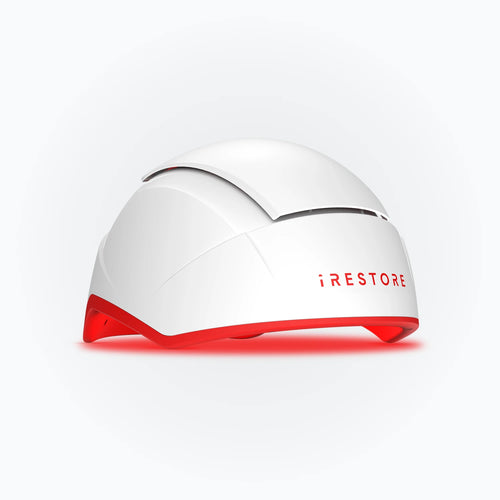
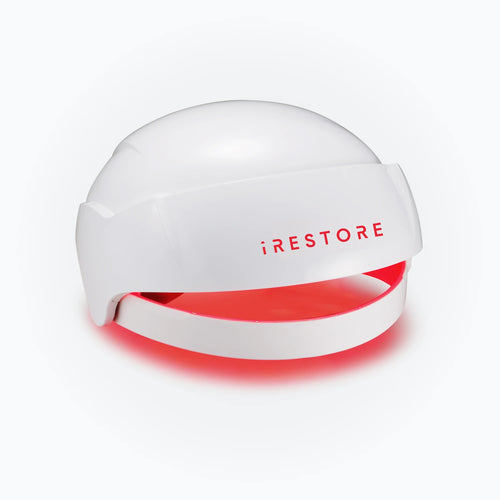
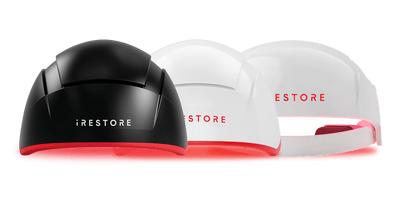
Low-level laser therapy, or LLLT, uses gentle red light to wake up tired follicles. It is a drug-free option you can use at home. The iRESTORE Elite is FDA 510(k) cleared for androgenetic alopecia in women, while the iRESTORE Professional and Essential are FDA registered.
So how does light grow hair? The red light delivers energy at 655nm to the little power plants inside your follicle cells, called mitochondria. This boosts their fuel, called ATP, and nudges resting follicles back into their growing phase. It is a bit like giving a stalled engine a jump start.
The clinical evidence is growing stronger. In one 2024 study, Yang and colleagues found that LLLT combined with minoxidil outperformed minoxidil alone for female pattern hair loss.
Also, a 2026 trial by Shin and colleagues had people with AGA use an at-home red-light device for 12 months and found their hair density climbed by about a quarter, with men and women benefiting alike.
All iRESTORE hair devices work at 655nm, and the Elite adds 625 and 680nm. That falls in the same red-light range Shin's team proved effective in their 12-month trial. None of the iRESTORE hair devices use 850nm.
Using it is simple. Each session lasts about 25 minutes, every other day. Most women see initial results after 16 weeks of steady use.
PRP (Platelet-Rich Plasma) - Clinical Procedure
PRP uses your own blood to stimulate growth. A clinic draws a small sample, spins it to concentrate the platelets, then injects that into your scalp. It is an in-office procedure, not something you do at home.
Doctors often pair PRP with laser therapy for better results. It works best as part of a plan rather than a standalone fix.
Hair Transplant - Surgical Option
A hair transplant is the most permanent option. Surgeons use a method called FUE to move healthy follicles from a thick donor area to thinning spots. It works best for women with established female pattern hair loss.
Recovery and results take time. Many doctors recommend LLLT after surgery to support the transplanted follicles and protect the ones you still have.
When to See a Dermatologist?
Some hair loss you can watch at home. Other cases need a professional eye. A dermatologist can run tests, confirm your type, and rule out serious causes.
See a doctor if any of these apply to you:
-
Sudden, rapid, or patchy hair loss. This can signal alopecia areata or a scarring type that needs fast care.
-
Hair loss with other symptoms. Signs like thyroid problems, irregular periods, or ongoing fatigue point to a deeper cause. A blood panel can find it.
-
No recovery after a known trigger. If your hair has not bounced back 12 months after an event like illness or childbirth, get it checked.
There is no prize for waiting. The sooner you know your type, the sooner you can start the right plan.
Key Takeaways
-
Female pattern hair loss (androgenetic alopecia) is the most common cause of hair loss in women. It is driven by genetic sensitivity to DHT and becomes more common with age.
-
Most other causes, like telogen effluvium, thyroid disorders, and nutritional deficiencies, are temporary and reversible once you address the root problem.
-
Diagnosis comes first. The pattern of your loss, your timing, and your other symptoms point to which type you have and which treatment fits.
-
FDA-cleared treatments for female pattern hair loss include minoxidil 5%, LLLT at 655nm (iRESTORE), and prescription anti-androgens like spironolactone.
-
iRESTORE hair devices work at 655nm, the same red-light range proven effective in a 12-month clinical trial. They do not use 850nm, which is reserved for iRESTORE body devices like the Flex, Apex, and Sculpt.
-
Earlier treatment produces better outcomes, because follicle shrinking is progressive and acting early saves more follicles.
Frequently Asked Questions
What is the most common cause of hair loss in women?
The most common cause is female pattern hair loss (androgenetic alopecia). It shows up as gradual, patterned thinning at the crown and a widening centre part. It is driven by a genetic sensitivity of hair follicles to DHT (dihydrotestosterone) and becomes more common with age.
Is hair loss in women permanent?
Female pattern hair loss is progressive without treatment, but early care can slow it or partly reverse it. Other causes, including telogen effluvium, thyroid disorders, and nutritional deficiencies, are usually temporary. They reverse once you treat the underlying problem.
What does female pattern hair loss look like?
It shows as thinning at the crown and a widening centre part, with the front hairline usually preserved. Doctors stage it using the Ludwig Scale (I to III). Unlike men, women rarely develop a fully receding hairline.
What causes sudden hair loss in women?
Sudden all-over shedding is most often telogen effluvium, a temporary reaction to a physical or emotional shock. Common triggers include childbirth, major illness, surgery, severe stress, and rapid weight loss. Sudden patchy loss may point to alopecia areata and needs a dermatologist's review.
Does menopause cause hair loss in women?
Yes. The drop in oestrogen during perimenopause and menopause shifts your hormone balance toward androgens like DHT. In women who are genetically prone, this can speed up female pattern hair loss. It usually appears as slow crown thinning rather than sudden shedding.
Does red light therapy help hair loss in women?
Yes, for androgenetic alopecia specifically. LLLT at 655nm is FDA-cleared for female pattern hair loss. In a 12-month trial, people using an at-home red-light device saw their hair density rise by about a quarter. iRESTORE hair devices work in that same proven range.
What vitamins help with hair loss in women?
Iron, vitamin D, zinc, and protein are the most relevant nutrients. Low ferritin, a marker of iron stores, is linked to hair shedding, and many specialists treat levels under 30 ng/mL as a concern. A blood panel from your doctor can spot specific gaps before you start any supplements.
What is the best treatment for female pattern hair loss?
Minoxidil 5% topical is the standard first-line treatment. LLLT at 655nm (iRESTORE devices) is the main non-drug FDA-cleared option, and research shows it works even better when paired with minoxidil. Doctors often add prescription spironolactone for premenopausal women.
Can PCOS cause hair loss in women?
Yes. PCOS raises androgen levels, which drives androgenetic alopecia, often at a younger age than usual. Treatment usually combines anti-androgen therapy (spironolactone) with topical minoxidil and LLLT.
At what age does hair loss typically start in women?
Female pattern hair loss can begin any time after puberty but most often becomes visible in the 30s and 40s. It rises sharply around menopause. Telogen effluvium shedding can happen at any age after a triggering event.
Loved by 600,000+ customers worldwide.
What our customers say:


Disclaimer: This article is for informational purposes only and is not a substitute for professional medical advice, diagnosis, or treatment. Always consult a qualified dermatologist or healthcare provider about your specific hair loss concerns. iRESTORE laser devices are intended for androgenetic alopecia (female and male pattern hair loss). Individual results may vary. The iRESTORE Elite is FDA 510(k) cleared for the treatment of androgenetic alopecia; the iRESTORE Professional and Essential are FDA registered.