

Most people blame their brush the moment they notice extra hair shedding during styling. It is a reasonable suspicion, but in almost every case, the tool is not the problem. The technique is.
Neither combs nor brushes cause hair loss on their own. What they can cause is breakage, and that is a very different thing. Knowing the difference, and knowing which tool suits your hair type, eliminates most styling damage immediately.
This guide breaks down exactly how combs and brushes work differently, which one belongs in your routine, and which habits are quietly damaging your hair every day.
How Combs and Brushes Work Differently?
Combs and brushes are built for different jobs. Understanding what each one actually does helps you use them correctly and avoid unnecessary damage.
A comb works by separating individual strands with evenly spaced teeth. Because it moves through hair one section at a time, it creates less friction overall. This makes combs the better choice for detangling, working through knots, and handling fragile or wet hair.
A brush works differently. Its bristles engage multiple strands at once, which makes it more efficient at smoothing dry hair, distributing natural oils from the scalp down the length of the strand, and adding polish to a finished style.
Think of a comb as a precision tool and a brush as a finishing tool. Each has a specific role, and using one where the other belongs is where most damage starts.
Does Brushing Cause Hair Loss? The Real Answer
This is the fear behind most searches on this topic, so let's address it directly. Brushing does not cause hair loss. Healthy follicles hold onto their hairs firmly, and a brush does not generate enough force to pull an anchored strand from a healthy root.
What brushing does is dislodge hairs that are already in the telogen phase, which is the natural resting and shedding stage of the hair growth cycle. These hairs were going to fall out anyway. Brushing simply brings them out all at once instead of gradually throughout the day. This is why a clump in the brush looks alarming even when shedding is completely normal.
However, there are two situations where brushing does cause real damage:
-
Brushing wet hair with the wrong tool: Wet hair stretches more than dry hair and snaps much more easily under tension. Using a paddle or round brush on soaking wet hair causes shaft breakage, not follicle loss, but it adds up quickly over time.
-
Aggressive root-start brushing on tangled hair: Forcing a brush from root to tip through knots creates compounding tension that stresses both the strand and the follicle repeatedly.
Neither situation causes permanent hair loss, but both cause visible damage that is easy to prevent.
The Right Tool for Every Hair Type
Picking the right tool is not about personal preference. It is about what your hair actually needs based on its current state and texture. Here is a clear breakdown by hair type:

Wet Hair
Always use a wide-tooth comb or a dedicated wet detangling brush on wet hair. Never use a paddle brush or round brush on soaking wet strands. Wet hair is at its weakest and stretches before it snaps. A wide-tooth comb moves through sections with minimal friction and significantly reduces breakage.
Fine or Thinning Hair
When it comes to finding the best brush for thinning hair, the answer is always the gentlest option available. A soft boar bristle brush or a wide-tooth comb are both good options on dry hair. Avoid nylon pin brushes, which snag and pull fine strands rather than gliding through them. The less tension you create, the better.
Thick Straight Hair
Thick straight hair can handle more. A mixed bristle paddle brush works well for smoothing and styling dry hair. The combination of nylon and boar bristles moves through thicker sections efficiently without generating excessive friction.
Curly or Coily Hair
Curly and coily hair is most vulnerable to breakage when dry. Detangle only on damp hair, using a wide-tooth comb or your fingers to work through sections gently. Start at the ends and work upward toward the roots. A detangling brush is an option too, but always move from ends to roots, never the other way around.
Color-Treated or Chemically Processed Hair
Chemical processing weakens the hair shaft significantly. Use a wide-tooth comb and minimize brushing frequency overall. The less mechanical stress on already compromised strands, the less breakage you will see between treatments.
For Shine and Scalp Health
If distributing natural oils and adding shine is the goal, a boar bristle brush on dry, fully detangled hair is the best tool for the job. It pulls sebum from the scalp down the length of the strand, which is something no comb can replicate as effectively.
Brushing and Combing Mistakes That Cause Real Damage
Learning how to brush hair without breakage starts with knowing which mistakes to stop making. So, here is what to stop doing:
Starting from the Root
Running a brush or comb from root to tip through tangled hair creates compounding knots. Each stroke tightens the tangle rather than releasing it, and eventually the strand snaps. Always start at the ends and work upward in small sections.
Brushing Wet Hair with the Wrong Tool
A paddle or round brush on soaking wet hair is one of the fastest ways to cause breakage. Wet hair stretches under tension before it snaps, and stiff bristles on wet strands generate exactly the kind of stress that damages the shaft. Stick to a wide-tooth comb or detangling brush until hair is at least partially dry.
Over-Brushing
The old advice of 100 brush strokes a day is not just outdated, it is actively harmful. Excessive brushing creates repeated friction against the hair cuticle, which roughens and weakens it over time. Brush only as much as you need to style or detangle, and stop there.
Using a Dirty Brush
A brush that has not been cleaned in weeks is carrying a load of shed hair, product residue, scalp oil, and bacteria. Every time you run it through clean hair, you are transferring all of that back onto your strands and scalp. Clean your brush regularly and it will do its job properly.
Forcing Through Tangles
If you hit resistance, stop. Forcing a brush or comb through a knot snaps the strands involved rather than releasing them. Section the hair, apply a light detangling spray if needed, and work through the knot gently from the bottom up.
Using a Brush with Broken Bristles
Broken or splayed bristles create uneven tension across the brush head. Some strands get pulled harder than others, which leads to inconsistent breakage patterns. Check your brush regularly and replace it every six to twelve months.
Breakage vs. Shedding: How to Tell the Difference?
This is the question that sits underneath most searches about brushing and hair loss. The two look similar in the moment but have completely different causes and completely different fixes.
Breakage produces short strands with no bulb at the tip. The strand snapped somewhere along the shaft rather than releasing from the root. Breakage is caused by mechanical stress, dryness, chemical damage, or heat. It is almost always a technique or product issue, and it is fixable.
Shedding produces full-length strands with a small white or clear bulb at the root end. That bulb is the hair follicle sheath, and its presence means the hair completed its natural growth cycle and released from the root normally. According to the American Academy of Dermatology, losing between 50 and 100 hairs per day is completely normal for most people.
The tool in your hand is not causing shedding. If you are consistently seeing full shed strands with bulbs in amounts that feel beyond normal, that is a separate conversation from technique.
Understanding what healthy hair growth looks like and how to support it is a good next step, and this guide on National Hair Growth Month covers the basics of actively supporting your hair from the inside out.
How to Clean Your Brush and Why It Matters?
Cleaning your brush is one of the most overlooked parts of a healthy hair routine. A dirty brush undoes a lot of the work you put into washing and caring for your hair.
Every time you brush, your tool collects shed hair, scalp oil, product residue, and dead skin cells. When you use that same brush on freshly washed hair, all of that goes straight back onto your clean strands and scalp. Over time, this contributes to buildup, dullness, and a scalp environment that is harder to keep clean between washes.
Here is how to keep your brush in good condition:
Remove Shed Hair After Every Use
Get into the habit of pulling collected hair out of your brush after each session. It takes ten seconds and prevents buildup from compacting into the bristle base, which becomes much harder to clean over time.
Wash Your Brush Once a Week
Fill a bowl with warm water and add a small amount of gentle shampoo. Swirl the brush bristle-side down and work the shampoo through the base with your fingers. Rinse thoroughly and shake out the excess water.
Dry It Bristle-Side Down
Always dry your brush with the bristles facing down. Drying it bristle-up allows water to sit in the cushion base, which breaks down the glue holding the bristles in place and shortens the life of the brush significantly.
Replace Your Brush Regularly
Even a well-maintained brush has a lifespan. Splayed, broken, or missing bristles create uneven tension across the brush head and increase the risk of breakage. Replace your brush every six to twelve months depending on how frequently you use it.
Conclusion
The comb vs. brush debate has a simple answer: both tools are useful, and neither one causes hair loss when used correctly. The damage people attribute to their brush almost always comes down to technique, timing, and tool choice for their specific hair type.
Switch to a wide-tooth comb for wet hair, work from ends to roots when detangling, and stop brushing more than you need to. Those three changes alone eliminate the majority of styling-related breakage for most people. Add a weekly brush cleaning habit and you have a routine that actively protects your hair rather than working against it.
If you are still seeing more shedding than feels normal after cleaning up your technique, the brush is not the answer. Shedding at that level has a biological cause, and it is worth looking into.
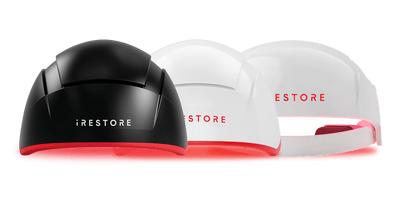
For those dealing with thinning that goes beyond styling habits, iRESTORE's FDA-cleared hair growth devices are designed to support follicle health at the root level, where brushes and combs simply cannot reach.
FAQs
Is a comb or brush better for thinning hair?
A wide-tooth comb or a soft boar bristle brush are both good options for thinning hair. The priority is minimizing tension and friction on already fragile strands. Avoid nylon pin brushes and any tool that snags or pulls. Always detangle wet hair with a wide-tooth comb and save the brush for dry, fully detangled hair only.
Does brushing your hair make it fall out faster?
No. Brushing does not accelerate hair loss. It collects hairs that were already in the shedding phase and loosely attached to the follicle. Those hairs were going to fall regardless. What brushing can cause is shaft breakage if the technique or tool is wrong, but that is different from follicle-level hair loss.
Should I use a comb or brush on wet hair?
Always use a wide-tooth comb or a dedicated wet detangling brush on wet hair. Wet hair is significantly more fragile than dry hair and breaks easily under the tension that a standard brush creates. Work from the ends upward and avoid forcing through any knots or tangles.
What type of brush is best for fine or thinning hair?
A soft boar bristle brush is the gentlest option for fine or thinning hair. It smooths the cuticle, distributes natural oils, and adds shine without generating the kind of friction that snaps delicate strands. A wide-tooth comb is equally good for detangling. Avoid dense nylon pin brushes, which are too aggressive for fine hair.
How many times should you brush your hair per day?
There is no magic number. Brush only as much as your styling routine requires. The old advice of 100 strokes a day is a myth and causes more friction damage than benefit. For most people, one gentle brushing session per day on dry hair is sufficient. If your hair is already fragile or thinning, less is more.
Can over-brushing cause permanent hair loss?
No. Over-brushing causes shaft breakage and cuticle damage from repeated friction, but it does not destroy follicles or cause permanent hair loss. Once you reduce brushing frequency and improve your technique, breakage typically decreases within a few weeks. Permanent hair loss has internal causes that styling habits alone cannot create.
Disclaimer: The iRESTORE blog is for informational purposes only and is not intended to replace professional medical advice or treatment. Please do not ignore professional guidance because of information you’ve read here. If you have concerns about your hair or skin health, we encourage you to consult a qualified healthcare professional.