

Rice water has been used for centuries in parts of Asia as a beauty treatment. Recently, TikTok brought it back in a big way, with thousands of videos showing dramatic before-and-after results. But does rice water help hair grow, or is something else going on?
Rice water can actually improve how your hair looks and feels, but it does not stimulate hair growth. The science supports its ability to smooth and strengthen hair strands, but there is no clinical evidence that it grows new hair or reverses thinning.
This article breaks down what rice water really contains, what the research says, and what it simply cannot do. If you want honest answers instead of hype, you are in the right place.
What Is Rice Water?
Rice water is exactly what it sounds like: the starchy water left behind after soaking or boiling rice. It contains several compounds that are good for hair, including inositol (a type of sugar alcohol), amino acids, and B-vitamins.
There are two main types:
-
Plain rice water: Made by soaking rice in water for 30 minutes, then straining it. It's gentle and easy to make.
-
Fermented rice water: Made by leaving the soaked rice water at room temperature for 24 to 48 hours before straining. Fermentation slightly lowers the pH and increases the concentration of inositol, which some people believe makes it more effective.
Rice water has deep cultural roots. The Yao women of Huangluo village in China are famous for their floor-length hair, which they have traditionally washed with fermented rice water. This story helped spark the modern obsession with rice water as a hair growth tool. However, it is worth noting that the Yao women's hair health is likely influenced by many factors, not just rice water.
What the Research Actually Shows?
Here is where things get interesting. The science around rice water is real, but it is also limited.
The most solid evidence relates to inositol, one of the key compounds in rice water. Research has shown that inositol can penetrate damaged hair strands and reduce surface friction. This means it helps smooth the outer layer of the hair, making it less likely to break or tangle. Think of it like putting a protective coating on a scratched surface. It does not fix the structure underneath, but it does make the surface easier to work with.
However, there are no large-scale clinical trials showing that rice water stimulates hair follicles or increases hair count. Medical News Today acknowledges that while the existing evidence is promising for hair texture, it does not conclusively prove rice water as a hair growth treatment.
In short, most of what you see in rice water before-and-after videos is improved hair appearance, not new hair growth. That is still a real benefit, but it is a very different claim.
What Rice Water Can and Cannot Do for Your Hair?
Understanding what rice water is actually good for can save you a lot of time and disappointment.
What it can realistically do:
-
Reduce breakage by temporarily strengthening the hair shaft
-
Improve smoothness and shine
-
Make detangling easier
-
Provide mild protein conditioning for damaged or low-protein hair
What it likely cannot do:
-
Stimulate dormant hair follicles
-
Reverse thinning caused by genetics or hormones
-
Block DHT, the hormone linked to pattern hair loss
-
Replace any clinically proven hair growth treatment
A good way to think about it: rice water works on the hair strand you can see, not on the follicle beneath your scalp. If your hair is damaged, dry, or breaking off, rice water may genuinely help.
But if your hair is thinning because follicles are shrinking or going dormant, no topical rinse is going to fix that. You can learn more about what that process looks like in this guide on what hair miniaturization is and why it matters.
How to Use Rice Water for Hair Growth (Step-by-Step)?
If you want to try rice water, doing it right makes a difference. Here is a simple, practical guide.
Fermented vs. Plain Rice Water: Which Is Better?
Fermented rice water has a higher concentration of inositol and a lower pH, which may make it slightly more effective for surface repair. However, it has a stronger smell and can be too protein-heavy for some hair types. Plain rice water is gentler and still delivers most of the same benefits. If you have fine or low-porosity hair, plain is the safer starting point.
DIY Preparation Method
-
Measure half a cup of uncooked rice and rinse it briefly to remove dirt.
-
Soak it in two to three cups of water for 30 minutes (plain) or leave it covered at room temperature for 24 to 48 hours (fermented).
-
Strain out the rice and pour the water into a clean bottle.
-
Store it in the fridge for up to one week.
How to Apply
As a rinse: After shampooing and conditioning, pour the rice water over your hair. Massage it gently into your scalp and work it through your lengths. Leave it on for five to 20 minutes, then rinse thoroughly with cool water.
As a mask: Apply more generously and leave it on a bit longer, focusing on the ends and any damaged sections.
How Often to Use
Once or twice a week is the sweet spot for most people. Using it more often can lead to protein overload, which actually makes hair feel stiff and brittle, the opposite of what you want.
Do's and Don'ts
-
Do dilute it with extra water if your hair feels stiff after the first use.
-
Do follow up with a moisturizing conditioner to balance the protein.
-
Don't use it daily, especially if you have low-porosity or fine hair.
-
Don't expect to see new hair growth from this routine alone.
Who Benefits Most From Rice Water?
Rice water is not a one-size-fits-all solution. It works best for a specific type of hair concern.
You are likely to see the most benefit if your hair is:
-
Chemically treated, bleached, or heat-damaged
-
Prone to breakage or split ends
-
Lacking protein and feeling limp or weak
On the other hand, rice water is probably not the right tool if you are dealing with signs of genuine hair loss, active thinning, or a visibly receding hairline. These are signs that the problem is happening at the follicle level, not at the surface of the hair strand.
Rice water is a conditioning tool. It can make existing hair look and feel better. But for people experiencing real hair loss, it is important not to let a surface-level fix delay a real solution.
Rice Water vs. Clinically Proven Hair Growth Treatments
If you are dealing with actual hair thinning, it helps to see how rice water stacks up against treatments that have real clinical backing.
|
Treatment |
What It Does |
Clinical Evidence |
Best For |
|
Rice Water |
Conditions hair shaft, reduces breakage |
Limited; no clinical trials on follicle stimulation |
Damaged, low-protein hair |
|
Minoxidil |
Extends the hair growth phase, increases blood flow to follicles |
Strong; FDA-approved |
Pattern hair loss in men and women |
|
iRESTORE Laser Therapy |
Stimulates follicles using low-level laser light |
FDA-cleared; 43%+ increase in hair count in 16 weeks |
Thinning hair, pattern baldness, drug-free regrowth |
The key difference here is where each treatment works. Rice water works on the outside of your hair strand. Minoxidil and laser therapy work at the follicle level, which is where real hair growth actually begins. These are two completely different problems requiring two completely different solutions.
It is also worth understanding what happens to follicles over time. When hair follicles shrink gradually, a process called miniaturization, strands get thinner and shorter with each growth cycle until they stop growing altogether.
No conditioning rinse can reverse that process. You can read more about new hair growth vs. breakage to better understand what you are actually seeing in your hair.
Where iRESTORE Fits In
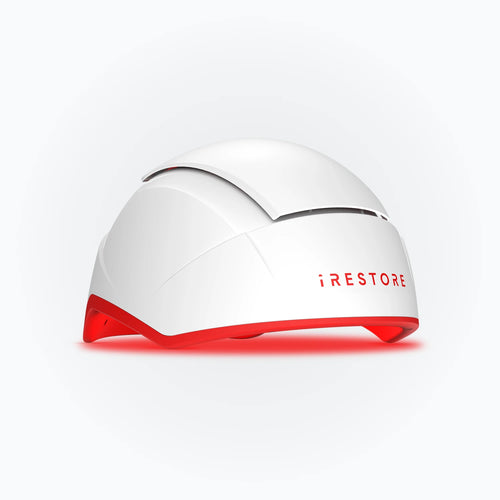
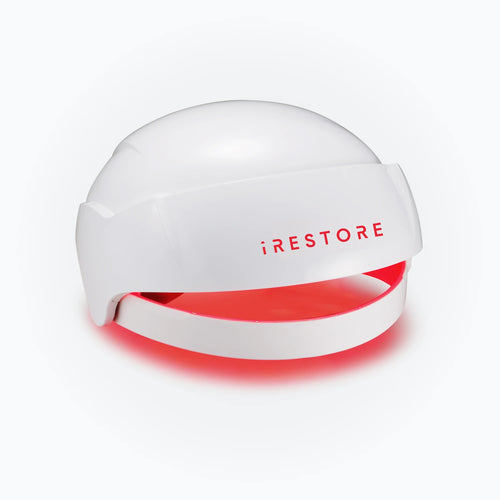
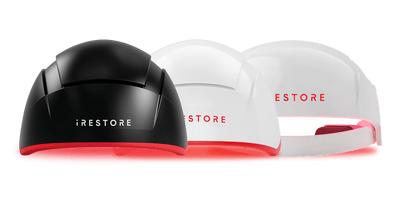
For anyone who has moved past the "my hair just needs some moisture" stage and into genuine thinning territory, iRESTORE Elite offers something rice water simply cannot: follicle-level stimulation backed by clinical data.
iRESTORE uses low-level laser therapy (LLLT), also called photobiomodulation, to deliver light energy directly to hair follicles. This energizes follicle cells and encourages them to re-enter the active growth phase. In a clinical study, users saw a 43% increase in hair count after just 16 weeks of consistent use. The device is FDA-cleared, drug-free, and designed for at-home use.

To understand how often you should use it for the best results, check out this guide on how often to use red light therapy for hair growth.
Think of it this way: rice water belongs in your hair care routine. iRESTORE belongs in your hair growth routine. The two can absolutely coexist, but they are solving different problems. If you are serious about regrowth, rice water is not enough on its own.
Conclusion
Rice water is a legitimate hair care ingredient with real, if modest, benefits. It can smooth your strands, reduce breakage, and improve shine, especially if your hair has been through chemical treatments or heat damage. There is genuine science behind inositol and its ability to repair surface-level damage, and that is worth acknowledging.
But the viral claims go too far. Rice water does not stimulate follicles, reverse thinning, or replace any clinically proven hair loss treatment. The before-and-after videos on TikTok mostly show healthier-looking hair, not genuinely new growth. That distinction matters, especially if you are losing hair and looking for a real solution like Red Light Therapy devices from iRESTORE.
FAQs
1. Is fermented rice water better than regular rice water hair growth results?
Fermented rice water has a higher concentration of inositol and a slightly lower pH, which may make it more effective for repairing surface damage. However, it is stronger and may not suit all hair types, particularly fine or low-porosity hair.
2. Can rice water reverse hair thinning or pattern baldness?
No. Pattern baldness and hormonal hair thinning happen at the follicle level. Rice water works on the hair strand, not the follicle, so it cannot address the root cause of thinning or baldness.
3. How do I make rice water for hair growth at home?
Rinse half a cup of uncooked rice, soak it in two to three cups of water for 30 minutes, strain, and store in the fridge for up to a week. For fermented rice water, leave it covered at room temperature for 24 to 48 hours before straining.
4. Is rice water safe for all hair types?
It is generally safe, but people with low-porosity or fine hair should use it sparingly. Too much protein can make these hair types feel stiff and brittle. Always follow up with a moisturizing conditioner.
5. What is better than rice water for real hair growth?
For clinically proven hair regrowth, options like iRESTORE laser therapy and minoxidil are backed by strong evidence. Unlike rice water, these treatments work at the follicle level to stimulate real, measurable growth.
Disclaimer: The iRESTORE blog is for informational purposes only and is not intended to replace professional medical advice or treatment. Please do not ignore professional guidance because of information you’ve read here. If you have concerns about your hair or skin health, we encourage you to consult a qualified healthcare professional.