

Many women start using minoxidil without fully knowing what to expect. Some stop too soon because of a side effect that was actually normal. Others push through something that needs medical attention.
Minoxidil is one of the most popular treatments for female hair loss, but it does come with potential side effects. The most common minoxidil side effects in women include temporary shedding, scalp irritation, and unwanted facial hair growth. Less commonly, some women experience headaches, dizziness, or serious cardiovascular symptoms like heart palpitations or chest pain.
Most of these side effects are manageable. Some go away on their own. But a few require medical attention right away. This article walks through all five so you know exactly what to watch for, what's normal, and when to seek help.
What Is Minoxidil and Why Do Women Use It?
Minoxidil is a topical medication applied directly to the scalp. It was originally developed as a blood pressure drug. Doctors noticed it caused unexpected hair growth as a side effect, and it was eventually approved for treating hair loss.
Today, it's one of the few FDA-approved treatments for female pattern hair loss. It comes in two strengths: 2% and 5%. The 2% formula was the original recommendation for women, though the 5% version is now widely used as well.
Minoxidil works by widening blood vessels in the scalp. This helps bring more oxygen and nutrients to hair follicles, which can push them into an active growth phase. Results typically take several months to appear, and the treatment needs to be continued to maintain them.
Side Effect #1: Temporary Shedding Early On
One of the first things many women notice after starting minoxidil is more hair falling out. This can be alarming, especially when the whole point of using it is to grow more hair. But this type of shedding is actually a normal part of the process.
This is called the minoxidil initial shedding phase, and it happens because the medication pushes resting hair follicles into an active growth cycle. Old hairs fall out to make room for new ones. Think of it like clearing out old plants in a garden before new ones can grow.
The minoxidil shedding phase in women typically lasts anywhere from 2 to 8 weeks. After that, shedding should slow down and new growth should start to appear. If shedding continues well beyond that window, it's worth checking in with your dermatologist.
It also helps to know the difference between normal shedding and actual breakage. If you're unsure what you're seeing, this guide on new hair growth vs. breakage can help you tell the difference.
Side Effect #2: Scalp Irritation, Itching, Dryness, or Flaking
Some women develop scalp irritation after using minoxidil. This can show up as itching, redness, dryness, or flaking. It's one of the more common side effects of minoxidil in women, and it's usually linked to the formula rather than the active ingredient itself.
Many minoxidil solutions contain propylene glycol, a chemical used to help the medication absorb into the skin. Some people are sensitive to it. This sensitivity can cause a reaction known as contact dermatitis, which makes the scalp red, itchy, and inflamed.
The good news is that the foam version of minoxidil typically does not contain propylene glycol. Switching to the foam formula often clears up the irritation for women who experience this reaction. You can also try doing a small patch test before applying it to your full scalp.
If your scalp is already sensitive, it's worth reading about whether certain hair and scalp conditions affect your results before starting treatment. Keeping your scalp moisturized and avoiding harsh shampoos can also help reduce irritation while your skin adjusts.
Side Effect #3: Unwanted Hair Growth on the Face or Body
One of the more surprising minoxidil side effects women report is hair growing in places they don't want it. This is most common on the face, particularly along the hairline, cheeks, or upper lip. It can also appear on the arms or other areas of the body.
This condition is called hypertrichosis, and it happens due to systemic absorption. When minoxidil is applied to the scalp, small amounts can be absorbed into the bloodstream. This can stimulate hair follicles in other parts of the body, not just the scalp.
Minoxidil facial hair growth is more likely to happen if the product is applied too close to the forehead or hairline, or if hands aren't washed thoroughly after application. To lower your risk, apply minoxidil carefully and only to the areas of the scalp where you need it. Wash your hands right after.
The good news is that this side effect is not permanent. According to Healthline, unwanted hair growth from minoxidil typically reverses after you stop using the treatment. If it bothers you before then, talk to your dermatologist about your options.
Side Effect #4: Headache, Dizziness, or Lightheadedness
Some women experience headaches or dizziness after applying minoxidil. These symptoms happen because minoxidil is a vasodilator. That means it widens blood vessels. When blood vessels dilate, blood pressure can drop slightly, which can make you feel lightheaded or give you a headache.
These symptoms are usually mild and tend to ease up as your body adjusts to the medication. Starting with the lower 2% concentration can help reduce the chance of experiencing them. Applying minoxidil at night before bed is another common tip, since any dizziness is less noticeable when you're lying down and resting.
However, if headaches are severe or dizziness is affecting your daily life, don't push through it. Check in with your doctor before continuing use. These symptoms on their own are rarely dangerous, but they're worth monitoring, especially in the first few weeks.
Side Effect #5: Fast Heartbeat, Chest Pain, Swelling, or Sudden Weight Gain
This is the most serious category of minoxidil side effects in women. While rare with topical use, some women do experience cardiovascular symptoms. These include a fast or irregular heartbeat, chest pain, swelling in the hands or feet, and sudden unexplained weight gain.
These symptoms are linked to minoxidil heart palpitations and fluid retention. They happen when too much of the medication gets absorbed into the bloodstream, affecting the cardiovascular system. According to GoodRx, these side effects are more commonly associated with oral minoxidil than the topical version, but they can still occur.
If you experience any of these symptoms, stop using minoxidil and seek medical attention right away. Do not wait to see if they pass on their own. Women with existing heart conditions, low blood pressure, or kidney disease should speak with their doctor before starting minoxidil at all.
When to Seek Medical Help
Not every side effect means you need to stop using minoxidil. Some symptoms, like early shedding and mild scalp irritation, are a normal part of the adjustment period. But others are clear signals that something needs attention.
Contact your doctor right away if you experience any of the following:
-
Chest pain or tightness
-
A rapid or irregular heartbeat
-
Swelling in your hands, feet, or face
-
Sudden weight gain of more than 5 pounds in a day
-
Severe or persistent headaches
-
Scalp irritation that does not improve after switching formulas
The general rule is simple: if a symptom is affecting your quality of life or feels serious, get it checked. It is better to pause treatment and get clarity than to push through something that could cause harm.
A Non-Drug Alternative: iRESTORE Laser Hair Growth System
If the side effects of minoxidil concern you, you're not alone. Many women look for alternatives that don't involve medication. One of the most well-researched options is low-level laser therapy, also known as LLLT.
LLLT works by delivering safe, targeted light energy directly to the scalp. This stimulates hair follicles at the cellular level and encourages them to enter an active growth phase. It's a drug-free process, which means no systemic absorption and none of the side effects associated with minoxidil.
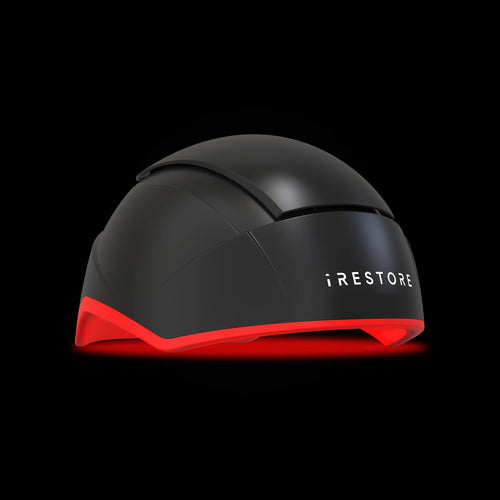
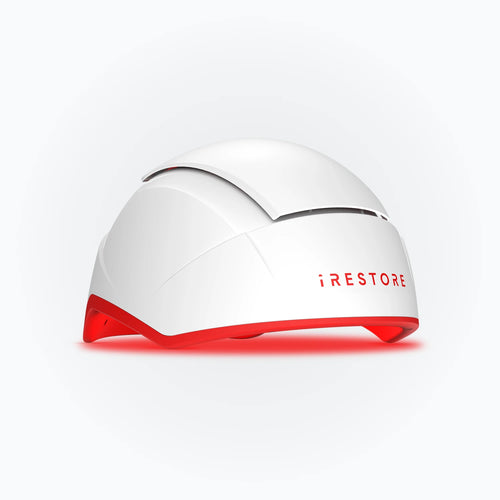
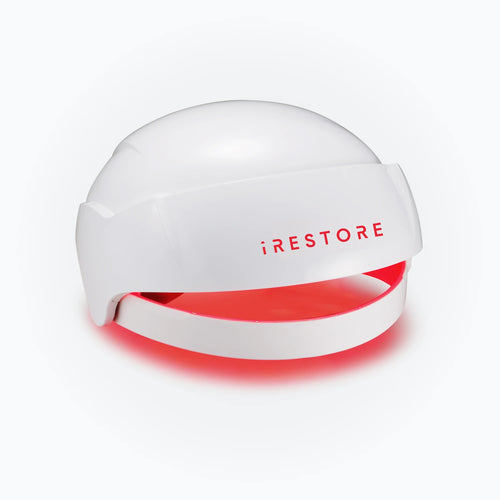
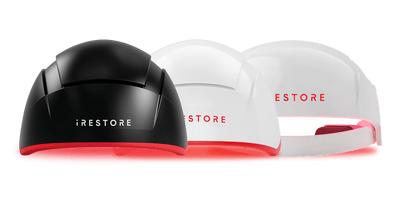
iRESTORE offers FDA-cleared laser devices designed specifically for hair regrowth. For women looking for a side-effect-free approach to hair regrowth, iRESTORE's laser devices offer a practical, clinically studied alternative to medication.
LLLT has a strong and growing body of research behind it. You can explore real before and after results from red light therapy for hair growth to get a clearer picture of what's possible. Also, here are real users who got real results from iRESTORE hair growth devices-

Conclusion
Minoxidil is a proven treatment for female pattern hair loss, and most women who use it do so without serious problems. But knowing the potential side effects ahead of time puts you in a much better position to use it safely and effectively. From the temporary shedding phase in the early weeks to the rare but serious cardiovascular symptoms, each side effect has a clear explanation and a practical response.
The key takeaway is that not all side effects are created equal. Some are your body adjusting to a new treatment. Others are warning signs that need immediate attention. Knowing the difference helps you stay in control of your hair health journey rather than feeling anxious every time something unexpected happens.
If minoxidil doesn't feel like the right fit, that's okay too. Effective, drug-free options like iRESTORE's FDA-cleared laser devices give you a real path forward without the medication-related risks. Your hair health matters, and you have more options than you might think.
Frequently Asked Questions
1. Is it normal to experience more hair shedding when I first start minoxidil?
Yes, it is completely normal. The minoxidil initial shedding phase happens because the medication pushes dormant follicles into an active growth cycle. Old hairs fall out first to make room for new ones. This phase typically lasts 2 to 8 weeks. If shedding continues beyond that, consult your dermatologist.
2. Can minoxidil cause permanent facial hair growth in women?
No, minoxidil facial hair growth is not permanent. It is a side effect of systemic absorption and typically reverses after you stop using the treatment. To reduce the risk, apply minoxidil carefully to the scalp only and wash your hands immediately after.
3. What concentration of minoxidil is safest for women — 2% or 5%?
Both concentrations are FDA-approved for women. The 2% formula is generally considered the more conservative starting point, with a lower chance of systemic side effects like headaches or dizziness. The 5% formula may produce faster results but carries a slightly higher risk of side effects. Talk to your dermatologist about which strength is right for you.
4. How long does it take to see results from minoxidil for women?
Most women start to see noticeable results after 3 to 6 months of consistent use. Hair growth is a slow process, and minoxidil needs time to move follicles through growth cycles. Stopping treatment early is one of the most common reasons women don't see results.
5. What should I do if I experience side effects from minoxidil?
It depends on the side effect. Mild shedding and light scalp irritation are usually normal and temporary. For more serious symptoms like chest pain, rapid heartbeat, or severe swelling, stop using minoxidil immediately and seek medical attention. When in doubt, contact your dermatologist before making any changes to your treatment.
6. Are there effective alternatives to minoxidil without side effects?
Yes. Low-level laser therapy (LLLT) is one of the most studied drug-free alternatives for hair loss. Devices like those from iRESTORE are FDA-cleared and designed for home use. They stimulate hair follicles using safe light energy without any of the systemic side effects associated with minoxidil.
Disclaimer: The iRESTORE blog is for informational purposes only and is not intended to replace professional medical advice or treatment. Please do not ignore professional guidance because of information you’ve read here. If you have concerns about your hair or skin health, we encourage you to consult a qualified healthcare professional.