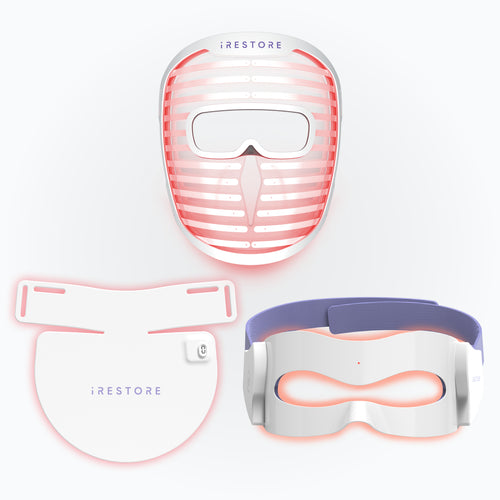


If you're using red light therapy and niacinamide, you're probably wondering: can I use them together? Will they cancel each other out?
Yes, they're completely safe to combine and may even enhance each other through complementary cellular pathways. The correct order is to apply niacinamide after your red light session, not before.
In this guide, you'll learn the science behind why they work together, the correct application order, a step-by-step protocol for both skin and scalp, and what to avoid before a red light session. This reader is beyond the basics, so let's get specific.
Can You Use Niacinamide With Red Light Therapy? (Yes, Here's Why)
Niacinamide and red light therapy are safe to use together. They support your cells through two different but connected pathways, so they complement each other rather than compete.
Here's how each one works:
-
Niacinamide is a form of vitamin B3. Your body converts it into NAD+, a molecule that drives cellular repair. Think of NAD+ as the building crew that fixes damage inside your cells.
-
Red light therapy uses red or near-infrared light (630 to 850nm) to activate an enzyme called cytochrome c oxidase in your mitochondria. This boosts ATP production, the energy currency your cells run on.
Niacinamide feeds the repair process (NAD+). Red light supercharges energy output (ATP). They work upstream and downstream on the same energy chain, which is why combining them makes scientific sense for both skin and scalp.
What Niacinamide Does (for Skin and Hair)?
Niacinamide is one of the most versatile skincare ingredients, and it's gaining attention for hair and scalp health too. It's gentle, stable, and works well with almost every other active.
For skin, niacinamide strengthens your skin barrier, the outer layer that keeps moisture in and irritants out. Studies show it reduces transepidermal water loss (TEWL), meaning your skin holds onto hydration better. It also helps reduce redness and inflammation, making it ideal for uneven skin tone or sensitivity.
For hair and scalp, niacinamide supports the scalp barrier the same way it helps facial skin. A healthier scalp creates a better environment for hair follicles.Research suggests niacinamide may support hair follicle health by reducing a protein called DKK-1, which can push follicles into early regression. The science is still early, but the findings are promising for those dealing with thinning hair or scalp health concerns.
One major advantage of niacinamide is that it doesn't cause irritation or make your skin sensitive to light. That matters when you're combining it with red light therapy, where certain ingredients can actually get in the way.
What Red Light Therapy Does (for Skin and Hair)?
Red light therapy delivers specific wavelengths of light to your skin and scalp through a process called photobiomodulation. These wavelengths penetrate the surface and interact directly with your cells.
For skin, red light therapy stimulates collagen production and speeds up wound healing. It reduces oxidative stress, which is one of the main drivers of premature aging. Over time, consistent use can improve skin texture, firmness, and tone.
For hair, red light therapy is one of the few treatments with FDA clearance for androgenetic alopecia (pattern hair loss). It works by increasing blood flow to hair follicles and extending the growth phase of the hair cycle. In clinical studies, iRESTORE devices have shown a 43% or greater increase in hair count. That's a significant result from a non-invasive, at-home treatment.
The key takeaway is that red light therapy creates the energy environment your cells need to repair, grow, and function at their best. When you add niacinamide into that equation, you're giving those cells even more resources to work with.
Why They Work Well Together?
Now that you understand what each one does individually, here's why the combination is so effective.
Complementary pathways. Niacinamide works upstream by boosting NAD+. Red light works downstream by boosting ATP. Together, they support the full cellular energy chain from two angles. Your cells get both the repair materials and the energy to use them.
Dual anti-inflammatory action. Both niacinamide and red light therapy reduce inflammation, but through different mechanisms. Niacinamide calms surface-level irritation and strengthens the skin barrier. Red light reduces inflammation at the cellular level by lowering oxidative stress. This makes the combination especially useful for sensitive or reactive skin and irritated scalps.
No contraindication. Unlike retinol or AHAs, niacinamide does not make your skin photosensitive. That's a critical distinction. Some ingredients can interfere with light therapy or increase the risk of irritation when combined with it. Niacinamide has none of those issues, which makes it one of the safest actives to pair with any red light device.
The Correct Protocol: Step-by-Step
Getting the order right matters. The general rule is simple: red light first, niacinamide after. Applying products before your session can scatter photons and reduce how much light actually reaches your cells.
For skin (face and body):
-
Cleanse your skin so it's free of makeup, sunscreen, and oils.
-
Do your red light therapy session on bare, clean skin.
-
After your session, apply a niacinamide serum (look for 5% concentration or higher).
-
Follow with your regular moisturizer.
For scalp and hair:
-
Start with a clean, dry scalp.
-
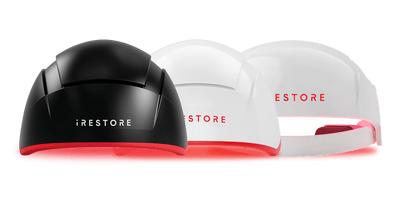
Use your red light therapy device. For a clinically tested option, iRESTORE's laser hair growth devices are FDA-cleared and designed specifically for at-home scalp treatment.
-
After your session, apply a niacinamide-based scalp treatment.
-
Style as usual.
Frequency: Follow your red light therapy schedule. For iRESTORE, that's typically 3 to 4 sessions per week. Niacinamide is gentle enough to use daily, so you can apply it after every session and on off days too.
What NOT to Use Before Red Light Therapy?
A lot of people ask what to put on skin before red light therapy. However, clean, bare skin gives the best results. Knowing what to pair with red light therapy is important. But knowing what to avoid is just as critical.
Never apply these before a session:
-
Heavy creams and oils. They sit on the skin's surface and block light from penetrating effectively.
-
Sunscreen and makeup. SPF and cosmetic layers reflect or absorb photons before they reach your cells.
-
Retinol (vitamin A). It increases photosensitivity and can cause irritation when combined with light exposure. Use retinol at night on days you don't do red light, or wait several hours after your session.
-
AHAs and BHAs (glycolic acid, salicylic acid). These chemical exfoliants also increase skin sensitivity. Apply them at a different time of day, ideally 8 to 12 hours apart from your red light session.
Niacinamide does not belong on this list. It's explicitly safe with red light therapy. However, applying it after your session is still the optimal approach so nothing sits between the light and your skin.
Building a red light therapy skincare routine around this simple rule: light first and actives after. This makes it easy to stay consistent and get the best results.
For more on choosing the right wavelengths for your sessions, check out this guide on the best red light wavelength for hair growth: 650nm vs 850nm.
Conclusion
Niacinamide and red light therapy are one of the smartest combinations you can add to your skincare or hair growth routine. They work through different cellular pathways, they don't interfere with each other, and niacinamide carries zero photosensitivity risk. The protocol is simple: always do your red light session on clean, bare skin or scalp, then apply niacinamide afterward.
If you're serious about hair regrowth, pairing an FDA-cleared device like iRESTORE Elite with a niacinamide scalp treatment gives you a science-backed protocol that targets follicle health from two directions.
The bottom line: stop wondering if these two are safe together and start using them the right way. Your cells will thank you.
Frequently Asked Questions
Can you use serums with red light therapy?
Yes, but apply them after your session, not before. Serums sit on the skin's surface and can block light from reaching your cells. This applies to niacinamide serums, hyaluronic acid, peptides, and most other actives. Always do red light on clean, bare skin first.
Should I apply niacinamide before or after red light therapy?
Always after. Applying any product before red light therapy can scatter photons and reduce how much light reaches your cells. Niacinamide is safe with red light, but it works best as a post-session step.
What should I put on my skin before red light therapy?
Nothing. Clean, bare skin gives the best results. Remove makeup, sunscreen, serums, and oils before your session. Save all your skincare products for after the light therapy is done.
Can niacinamide help with hair growth?
Early research is promising. Niacinamide supports keratin production and strengthens the scalp barrier, both of which create a healthier environment for hair follicles. Pairing it with a red light therapy device like iRESTORE may enhance those benefits.
What products should you avoid before red light therapy?
Avoid heavy creams, oils, sunscreen, makeup, retinol, AHAs, and BHAs before a session. These can block light penetration or increase skin sensitivity. Stick to clean, bare skin for the best results.
Can you use retinol and red light therapy together?
Yes, but not at the same time. Retinol increases photosensitivity, so apply it at least 8 to 12 hours apart from your red light session. Using retinol at night on your off days is the safest approach.
How often should I combine niacinamide and red light therapy?
Follow your red light therapy schedule, which is typically 3 to 4 sessions per week for devices like iRESTORE. You can apply niacinamide after every session and on off days too, since it's gentle enough for daily use.
Does red light therapy help niacinamide absorb better?
Red light therapy increases blood flow and cellular activity in the skin, which may support better absorption of topicals applied afterward. While there's no direct clinical study on this specific pairing, the increased circulation from red light creates favorable conditions for any post-session product
Disclaimer: The iRESTORE blog is for informational purposes only and is not intended to replace professional medical advice or treatment. Please do not ignore professional guidance because of information you’ve read here. If you have concerns about your hair or skin health, we encourage you to consult a qualified healthcare professional.