

Many new mothers are blindsided by how much hair they lose in the months after delivery. Handfuls in the shower, clumps on the pillow, thinning along the temples — it can feel like something is seriously wrong.
It is not. Postpartum hair loss affects over 90% of new mothers and is almost always temporary. It has a clear biological cause, a predictable timeline, and in most cases, it resolves on its own within a year.
This article explains exactly what is happening, when it will stop, and what actually helps recovery.
What is postpartum hair loss?
During pregnancy, rising estrogen levels keep your hair in its growth phase for longer than usual. This is why so many women notice thicker, fuller hair while pregnant. Fewer strands shed, and the ones growing stay put.
The most important thing to understand is that this is not permanent. Your hair is not gone. It is resting, and it will grow back.
Why does postpartum hair loss happen?
After delivery, estrogen levels drop sharply. All those hairs that stayed put during pregnancy suddenly enter the shedding phase at the same time. Think of it like a dam breaking. Months of normal shedding arrive all at once instead of gradually over time.
This condition is called telogen effluvium, which simply means a large number of hairs shifting into the resting and shedding phase together. It sounds scary, but the follicles themselves are not damaged. They are just cycling back to their normal rhythm after the hormonal shift of pregnancy.
When Does Postpartum Hair Loss Start and When Does It Stop?
Most mothers notice postpartum shedding starting somewhere between two and six weeks after delivery. This timing lines up with the sharp drop in estrogen that happens after birth. For many women, the question of when postpartum hair loss will stop feels urgent, and the honest answer is that it follows a fairly predictable pattern for most people.
Here is a general timeline to expect:
-
Weeks 2 to 6: Shedding begins, often gradually at first
-
Months 3 to 4: Peak shedding phase, when loss feels most dramatic
-
Months 6 to 9: Shedding slows and new regrowth begins to appear
-
Month 12 and beyond: Most mothers return to their pre-pregnancy hair density
However, some factors can delay recovery. Low iron levels are one of the most common. Research shows that ferritin levels below 70 ng/mL can impair hair growth, and iron deficiency is extremely common in the postpartum period. Thyroid dysfunction, ongoing stress, nutritional gaps, and breastfeeding-related hormonal changes can also extend the shedding phase beyond the typical window.
If your shedding is still significant at the six-month mark, that is worth paying attention to. The next sections explain what to look for and when to seek help.
How Much Shedding Is Normal vs. a Warning Sign?
Postpartum shedding can feel dramatic, and it often is. But there is a difference between shedding that is part of the normal recovery process and shedding that signals something else is going on.
|
Normal postpartum shedding |
Signs to see a doctor |
|
Handfuls of hair in the shower or on your pillow |
Shedding that shows no sign of slowing by month 6 |
|
Thinning along the temples and part line, evenly distributed across the scalp |
Patchy or asymmetric loss rather than all-over thinning |
|
Noticeably less volume overall, but no bare patches |
Scalp burning, itching, or visible redness |
|
Shedding that peaks around months 3 to 4 and then gradually slows |
Fatigue, unexpected weight changes, or brain fog alongside hair loss, possible thyroid dysfunction |
|
Fine, shorter regrowth strands appearing along the hairline by months 6 to 9 |
Shedding that started more than 6 months after delivery, this may not be postpartum hair loss at all |
That last point is important. Not all hair loss in the postpartum period is caused by the hormonal shift of delivery.
Is It Postpartum Hair Loss or Something Else?
Sometimes what looks like postpartum telogen effluvium is actually a different condition that has been triggered or unmasked by the hormonal changes of pregnancy and delivery. Here are the most common ones to be aware of:
Postpartum thyroiditis
This condition affects around 5 to 10% of new mothers and causes the thyroid to become inflamed after delivery. It can trigger hair loss as part of a wider set of symptoms including fatigue, mood changes, and weight fluctuation. A simple TSH blood test can confirm or rule this out.
Iron deficiency anemia
Blood loss during delivery and the demands of breastfeeding make iron deficiency very common in new mothers. Low ferritin is one of the most frequently overlooked reasons why postpartum shedding extends beyond the normal window. Ask your doctor to check your ferritin specifically, not just your general iron levels.
Female pattern hair loss
The hormonal shift of delivery can unmask or accelerate genetic hair thinning that was already present. Unlike postpartum telogen effluvium, this type of loss does not resolve on its own. If your thinning feels progressive rather than temporary, learning what hair miniaturization is can help you understand what may be happening at the follicle level.
Alopecia areata
This is an autoimmune condition that causes patchy, asymmetric hair loss. It is distinct from the diffuse, all-over shedding of postpartum hair loss and needs a dermatologist's evaluation.
If any of these feel relevant, ask your GP for a blood panel that includes ferritin, TSH, CBC, and an androgen panel. Getting the right diagnosis early makes a real difference in how quickly you can start addressing the actual cause.
What Actually Helps Postpartum Hair Recovery?
The good news is that there are genuine ways to support your hair through this period. None of these are miracle cures, but used consistently, they give your body the best conditions for recovery.
Prioritize nutrition
Your body has just been through an enormous amount. Replenishing key nutrients is one of the most impactful things you can do. Focus on iron if your ferritin is low, protein since hair is made almost entirely of it, zinc, vitamin D, and biotin if you have a confirmed deficiency. A postnatal supplement can help cover the basics while your diet stabilizes.
Support your scalp
Gentle scalp massage a few times a week supports blood circulation to the follicles. Avoid tight hairstyles like high ponytails and buns, which add traction stress to already fragile new growth. Loose styles are kinder to your hair right now.
Handle your hair gently
Use a wide-tooth comb instead of a brush on wet hair. Minimize heat styling where you can. Avoid extensions, which add weight and tension to weakened strands. Small habits add up significantly during a vulnerable growth phase.
Manage stress where possible
Cortisol prolongs the shedding phase. We know that asking a new mother to reduce stress is easier said than done. But even small, consistent actions like prioritizing sleep when you can and accepting help when it is offered make a real difference to your body's recovery timeline.
Consider red light therapy
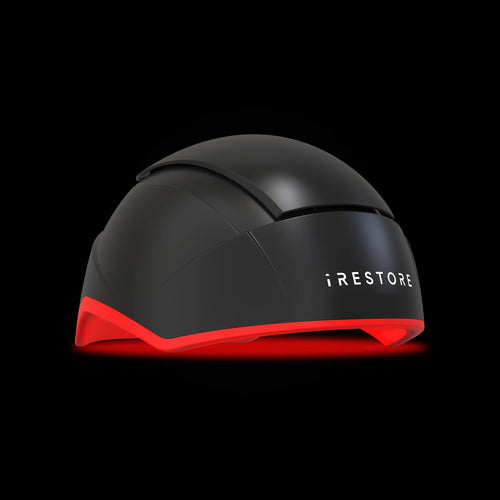
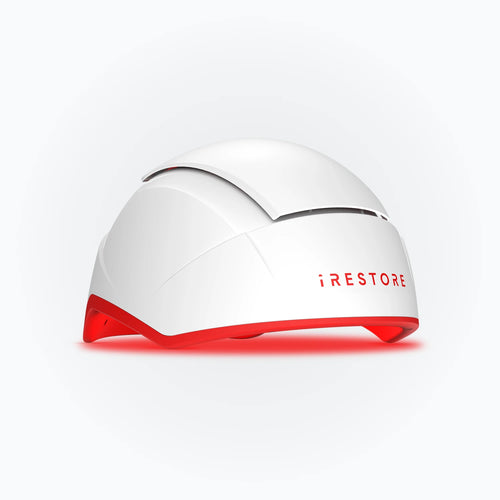
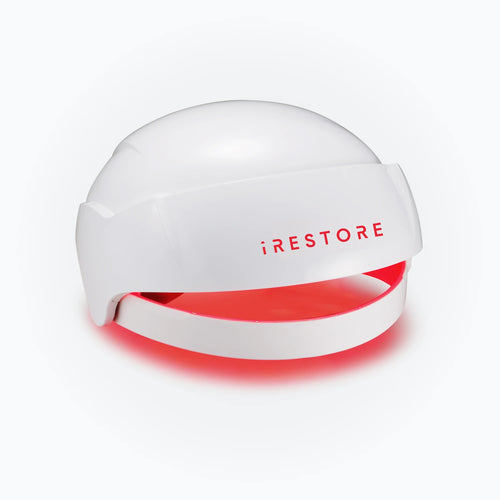
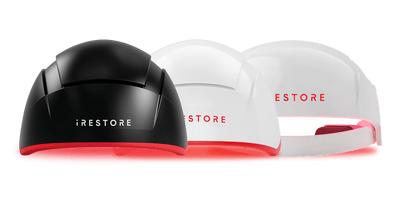
For mothers whose shedding extends past nine months, FDA-cleared devices like iRESTORE offer a non-drug option that supports follicle recovery through a process called photobiomodulation.
It stimulates cellular energy in the follicle and encourages the growth phase. It is safe to use postpartum, and for specific guidance on safety during breastfeeding, this article on whether red light therapy is safe during pregnancy and breastfeeding covers everything you need to know.
What to Avoid During Postpartum Recovery?
Recovery is as much about what you stop doing as what you start. A few common habits can slow down the process significantly, and some are worth flagging specifically for breastfeeding mothers.
-
Aggressive chemical treatments: Color, bleach, and relaxers all stress the hair shaft at a time when your strands are already fragile. If possible, hold off on chemical processing until shedding has visibly slowed.
-
High-dose biotin without a confirmed deficiency: Biotin supplements are heavily marketed for hair loss, but they are only effective if you are genuinely deficient. Taking high doses without a deficiency not only wastes money but can interfere with certain lab results, including thyroid tests.
-
Minoxidil during breastfeeding: Minoxidil is not recommended for mothers who are breastfeeding due to limited safety data on its effects during lactation. If you are considering it, discuss it with your doctor first and wait until you have finished breastfeeding.
-
Crash dieting or very low calorie intake: Many new mothers feel pressure to lose pregnancy weight quickly. However, severe calorie restriction is one of the most reliable ways to extend the shedding phase. Your hair needs nutritional support to recover. Undereating works directly against that.
-
Tight hairstyles: High ponytails, tight buns, and extensions add traction stress to already weakened strands. This is especially damaging along the temples, where postpartum thinning tends to be most visible. Loose, low-tension styles protect fragile regrowth.
Conclusion
Hair loss after pregnancy is one of the most common and least talked about experiences of new motherhood. It is shocking when it starts, and it can feel relentless at its peak. But for the vast majority of mothers, it is temporary. Your follicles are intact and your hair will come back.
The most useful thing you can do right now is give your body what it needs to recover. Focus on nutrition, handle your hair gently, and avoid the habits that slow the process down. Most mothers see shedding slow significantly by months six to nine, with density returning close to normal by the end of the first year.
If your hair has not started recovering by month six, or if shedding feels different from what is described in this article, do not wait it out alone. A simple blood panel can rule out iron deficiency, thyroid dysfunction, and other treatable causes.
For mothers whose recovery is taking longer than expected, tools like iRESTORE's hair growth systems offer a safe, drug-free way to support follicle recovery while your body continues to rebalance.
FAQs
When does postpartum hair loss start and when does it stop?
Hair loss after pregnancy typically starts between two and six weeks post delivery and peaks around months three to four. For most mothers, shedding slows significantly by months six to nine and hair density returns close to normal by the end of the first year. Factors like iron deficiency and thyroid dysfunction can extend the timeline.
Is postpartum hair loss permanent?
In the vast majority of cases, no. Hair loss after pregnancy is a temporary condition caused by a hormonal shift, not follicle damage. The follicles remain intact and hair regrows as hormones stabilize. If loss continues past twelve months or appears patchy, a medical evaluation is worth seeking.
How much postpartum hair loss is normal?
Handfuls of hair in the shower, thinning along the temples and part line, and noticeably reduced volume are all within the normal range. What is not normal is patchy or asymmetric loss, scalp irritation, or shedding that does not slow by month six. Those signs warrant a doctor visit.
What vitamins help with postpartum hair loss?
Iron is the most important nutrient to address, particularly if your ferritin levels are low. Protein, zinc, vitamin D, and biotin if you have a confirmed deficiency are also worth focusing on. A postnatal multivitamin can help cover the gaps while your diet stabilizes after delivery.
Does breastfeeding make postpartum hair loss worse?
Breastfeeding keeps prolactin levels elevated and estrogen levels suppressed, which can extend the hormonal imbalance that drives shedding. It does not cause additional hair loss directly, but it can delay the hormonal recovery that allows shedding to slow. This is one reason why some breastfeeding mothers experience shedding for longer than the typical window.
What is the fastest way to recover from postpartum hair loss?
There is no shortcut, but the combination of replenishing key nutrients, managing stress, handling hair gently, and avoiding tight styles gives your body the best conditions for recovery. For mothers whose shedding extends past nine months, FDA-cleared red light therapy devices offer an additional non-drug option to support follicle recovery.
Disclaimer: The iRESTORE blog is for informational purposes only and is not intended to replace professional medical advice or treatment. Please do not ignore professional guidance because of information you’ve read here. If you have concerns about your hair or skin health, we encourage you to consult a qualified healthcare professional.