

Pumpkin seed oil contains beta-sitosterol, a plant sterol that partially inhibits 5-alpha reductase. That is the enzyme that converts testosterone to DHT (dihydrotestosterone), the primary driver of androgenetic alopecia.
A 2014 randomised double-blind placebo-controlled trial found men taking 400mg Pumpkin seed oil daily grew 40% more hair than the placebo group after 24 weeks. However, the study was small, excluded women, and pumpkin seed oil is far less potent than pharmaceutical 5-alpha reductase inhibitors like finasteride.
So does pumpkin seed oil help with hair growth? Yes, but with limits. It has the strongest evidence of any plant-based hair ingredient. Still, that rests on one small study in men.
This article explains how the oil works, what the science really says, how it compares to other options, and how to use it well. To learn more about hair loss, start with what causes hair loss.
How Pumpkin Seed Oil Works for Hair Loss: The DHT Mechanism
Most pattern hair loss starts with one hormone: DHT. Your body makes it when an enzyme called 5-alpha reductase (5-AR) turns testosterone into DHT inside your scalp. DHT then attaches to follicles that are sensitive to it because of your genes.
Once DHT binds, it slowly shrinks those follicles. This is called miniaturisation. Your growth cycles get shorter, your hairs grow thinner, and some follicles stop making hair.
Pumpkin seed oil acts at the start of this chain. Its main active compound, beta-sitosterol, blocks part of the 5-AR enzyme. Less 5-AR means less DHT. Less DHT means a weaker shrinking signal.
Think of it like turning down a faucet instead of shutting it off. The water still flows, just slower. That is why the effect is real but gentle. The oil also holds delta-7-sterols, which add a mild anti-androgen effect through a slightly different route.
But Finasteride blocks the same enzyme far more strongly. Pumpkin seed oil's block is only partial, which is why its results are modest by comparison. You can see this same DHT process in other topics, like whether creatine causes hair loss.
What Does the Clinical Evidence Show?
Let's look at the actual science. The most important study is that 2014 trial by Cho and colleagues, published in Evidence-Based Complementary and Alternative Medicine.
The design was solid. Researchers gave 76 men with mild-to-moderate hair loss either 400mg of pumpkin seed oil or a placebo each day. Neither the men nor the researchers knew who got which. The study ran 24 weeks. The oil group ended with far more hair, and no one reported harmful side effects.
That said, it has clear weak spots. The sample was small, at only 76 people. It included men only, so we have no female data. It also had no active comparator, meaning no group took a proven drug like minoxidil for comparison. And no larger trial has repeated the results yet.
Lab research supports the idea but stops short of proof. Between 2019 and 2024, studies confirmed that beta-sitosterol partially blocks 5-AR and that delta-7-sterols add anti-androgen activity. However, lab and animal findings cannot be applied directly to people.
So where does that leave us? The evidence is genuine but thin. One good study is a strong start, but still just one study. For now, pumpkin seed oil belongs in a clear category: a promising ingredient with limited but real evidence. That puts it ahead of most natural claims, but below proven options like minoxidil or laser therapy.
Pumpkin Seed Oil vs Other Natural DHT Blockers
Pumpkin seed oil is not the only natural option that targets DHT. Several plant-based ingredients work through similar paths. Here is how they compare.
|
Ingredient |
How It Works |
Best Evidence |
Evidence Level |
|
Pumpkin seed oil |
Beta-sitosterol blocks 5-AR |
1 RCT (76 men, 24 weeks); 40% vs 10% hair gain |
Limited but positive; strongest plant-based trial |
|
Saw palmetto |
Fatty acids block 5-AR |
Several studies, including a controlled trial on 60 people over 180 days |
Slightly more studies; similar mechanism |
|
Rosemary oil |
Blocks 5-AR; boosts blood flow |
1 trial vs minoxidil 2% with similar results; authorship concerns raised in 2024 |
Moderate; popular but debated |
|
Finasteride (prescription) |
Strong, targeted 5-AR blocker |
Multiple large trials; FDA-approved for men |
Strong; prescription only |
A few takeaways stand out. Pumpkin seed oil and saw palmetto are close cousins. Both use plant compounds to block the same enzyme. Saw palmetto has slightly more research behind it, but each rests on modest trials.
Rosemary oil is worth a look too, though its main study drew later questions about authorship. You can read more in our guide to rosemary oil for hair growth. Finasteride sits in a separate class. It is far stronger, but it is a drug, not a natural option, and it is not recommended for women who may become pregnant.
How to Use Pumpkin Seed Oil for Hair Loss?
If you decide to try it, using it the right way matters. There are two main methods: taking it by mouth or applying it to your scalp.
Oral Supplementation (Primary Evidence Route)
The clinical trial used oral capsules at 400mg daily. This is the only dose with real evidence behind it. Look for cold-pressed, unrefined pumpkin seed oil capsules, since that form keeps the active plant sterols intact.
For best results, follow these simple steps:
-
Take your capsule with food to help your body absorb it.
-
Use it every day, not just now and then.
-
Give it at least 12 to 16 weeks before you judge the results.
One caution is important. Pumpkin seed oil affects hormone pathways. Do not use it during pregnancy or breastfeeding. Talk to your healthcare provider first, especially if you take other medicines or hormone treatments.
Topical Application
Some people rub the oil straight onto their scalp instead. There is no trial data for topical use, so this route is less proven. Still, the logic makes sense, since the oil reaches the follicle directly.
If you go topical, keep it simple:
-
Apply cold-pressed, unrefined oil to your scalp 2 to 3 times a week.
-
Leave it on for 30 to 60 minutes, or overnight.
-
Rinse and wash as usual.
Quality is not a small detail here. Cold-pressed, unrefined oil holds the beta-sitosterol and healthy fats that make it work. Refined or heat-treated oils often lose those compounds, leaving you with far less benefit.
Pumpkin Seed Oil and iRESTORE: Complementary, Not Competing
Here is where many people get confused. They assume they must pick one treatment. In truth, pumpkin seed oil and laser therapy solve two different problems at once.
The two work on separate pathways:
-
Pumpkin seed oil targets the DHT pathway by blocking 5-AR, cutting the hormone that shrinks follicles.
-
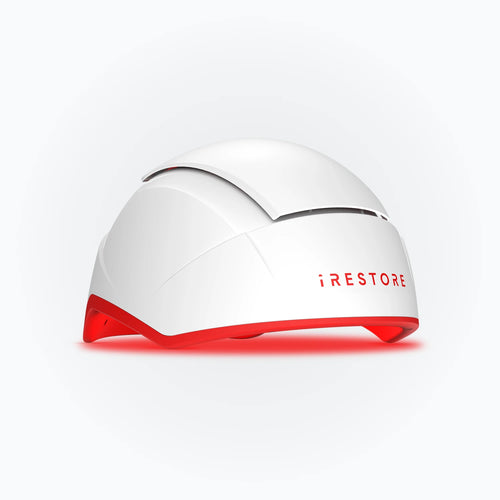
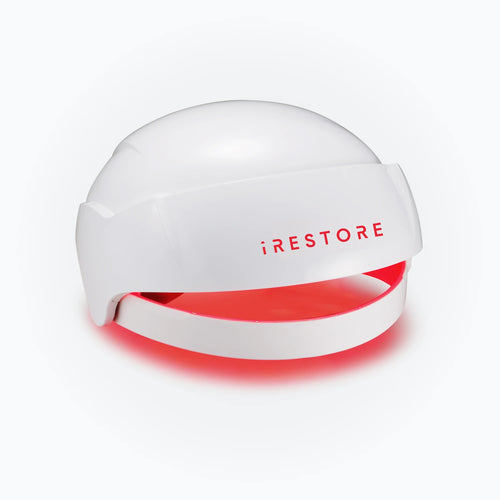
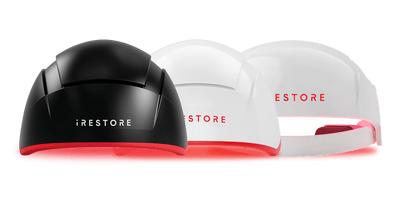
iRESTORE LLLT uses photobiomodulation. Red light at 655nm gives follicle cells more energy, helping resting follicles return to their active growth phase.
For confirmed pattern hair loss, this pairing makes sense. The oil handles the hormone driver, while the laser feeds the follicles directly. Using both covers more ground than either alone.
This matters most for people who prefer drug-free options. Neither is as strong as finasteride plus minoxidil, but the safety profile is very different. That is exactly why many readers choose this route.
Ready to add the clinical-grade step? Explore the iRESTORE Elite laser system for FDA-cleared LLLT at 625/655/680nm.
Key Takeaways
Before you decide, here are the main points to remember:
-
Pumpkin seed oil contains beta-sitosterol, a plant sterol that partially blocks 5-alpha reductase, the enzyme that makes DHT.
-
The 2014 trial found men taking 400mg daily grew far more hair than the placebo group over 24 weeks. It is the strongest clinical evidence for any plant-based hair ingredient.
-
The evidence has limits. The study was small, left out women, and no larger trial has repeated it. Treat the oil as promising, not proven.
-
For topical use, cold-pressed unrefined oil is a must. Refined oil loses the sterols and fats that make it work.
-
Pumpkin seed oil and iRESTORE LLLT work on different pathways, which makes them a logical natural combination for pattern hair loss.
Frequently Asked Questions
Does pumpkin seed oil block DHT?
Yes, partially. Its beta-sitosterol blocks 5-alpha reductase, the enzyme that turns testosterone into DHT. Less DHT means a weaker shrinking signal to sensitive follicles. Still, this block is far gentler than drugs like finasteride.
Does pumpkin seed oil help with hair growth? Is there evidence?
Yes, there is real evidence. A 2014 trial found men taking 400mg daily grew 40% more hair than the placebo group, which grew only 10%. The study was small at 76 people and has not been repeated, but it was properly designed and peer-reviewed.
How much pumpkin seed oil should I take daily for hair loss?
The trial used 400mg of oil daily in capsule form. This is the only dose with direct evidence behind it. Choose cold-pressed, unrefined capsules, and allow at least 3 to 6 months before judging results.
Can women use pumpkin seed oil for hair loss?
The 2014 trial only included men, so there is no female-specific data. The mechanism still applies to women, since DHT also drives female pattern hair loss, though the hormone picture is more complex. Consult your dermatologist first if you are pregnant, breastfeeding, or taking hormonal medicine.
How long does pumpkin seed oil take to show results for hair?
The trial measured results at 24 weeks, or six months. Most men showed improvement by then, but timelines vary with hair loss severity and consistency. Allow at least 3 to 4 months of daily use before you evaluate.
Is pumpkin seed oil better than saw palmetto for hair loss?
Both work through a similar mechanism but use different active compounds. Pumpkin seed oil has one well-designed trial, while saw palmetto has more studies that are mostly smaller and shorter. They are often combined, since their different profiles may cover the same pathway more broadly.
Can I use pumpkin seed oil with red light therapy?
Yes, they work through completely different mechanisms. The oil targets the DHT pathway, while red light therapy at 655nm boosts follicle energy to restart growth. The two approaches complement each other rather than overlap.
Is topical or oral pumpkin seed oil better for hair loss?
The only trial used oral capsules at 400mg daily. There is no trial data for topical scalp use, though the rationale is plausible. If you go topical, cold-pressed unrefined oil is required, since refined oil loses the active sterols.


Disclaimer: The information in this article is for educational purposes only and is not intended as medical advice. Consult a qualified healthcare provider before starting any new treatment for hair loss. iRESTORE is loved by 600,000+ customers worldwide.