

Hair loss has many causes. The most common is androgenetic alopecia, or genetic pattern hair loss. Other causes include thyroid problems, hormone shifts, poor nutrition, stress, certain medications, and scalp conditions. Many of these are temporary and reversible with the right treatment.
Finding the correct cause is the essential first step. Some types of hair loss are permanent without help. Others fade away on their own once the trigger is gone.
This guide covers the 10 most common causes of hair loss. For each one, you will learn what it means and what it means for your treatment options. Let's start with the single most important distinction.
Permanent vs Temporary Hair Loss: The Critical Distinction
Before we look at specific causes, you need to understand one key idea. Not all hair loss works the same way. Some loss is permanent, and some is temporary. Knowing which type you have changes everything about your next steps.
Think of your hair follicles like tiny factories in your scalp. Each one grows a single strand of hair. What happens to these factories decides whether your hair comes back.
Permanent Hair Loss
Permanent hair loss happens when follicles get damaged or destroyed. In genetic pattern hair loss, the follicles slowly shrink over time. This process is called miniaturization. The follicles make thinner, weaker hairs until they stop making hair at all.
Scarring can also cause permanent loss. When scar tissue replaces a follicle, that factory is gone for good. Permanent hair loss will not fix itself. It needs active treatment to slow down or manage.
Temporary Hair Loss
Temporary hair loss is different, and the news here is better. The follicles are still alive and healthy. They have just entered a resting phase and stopped growing hair for now.
Once you remove the trigger, the follicles wake back up. Your hair then grows back on its own. Stress, illness, and poor diet often cause this kind of shedding. In most cases, patience and fixing the root problem are enough.
The 10 Most Common Causes of Hair Loss
Now let's break down each cause one by one. We will look at what triggers it, whether it is permanent or temporary, and how people treat it. Some causes you can manage at home. Others need a doctor's help.
As you read, notice which type each cause falls under. This will help you understand your own situation faster.
1. Androgenetic Alopecia (Genetic Pattern Hair Loss)
Androgenetic alopecia is the most common cause of hair loss by far. People often call it male pattern baldness or female pattern baldness. It affects roughly half of all men over the age of 50 and a large number of women too.
This type is genetic, which means you inherit it from your family. The real driver is a hormone called DHT, short for dihydrotestosterone. Some follicles are sensitive to DHT, and this hormone slowly shrinks them over time.
The pattern looks different depending on your sex:
-
In men: The hairline pulls back into an M-shape, and the crown thins out. To learn the early warning signs, see our guide on big forehead vs receding hairline.
-
In women: The hair thins across the top of the scalp, but the front hairline usually stays in place.
Here is the important part. Androgenetic alopecia is permanent without treatment. The follicles keep shrinking as the years pass, making thinner hairs each cycle. The good news is that several proven treatments can slow this down:
-
Minoxidil: A topical liquid or foam that helps keep follicles active.
-
Finasteride: An oral medication for men that blocks DHT.
-
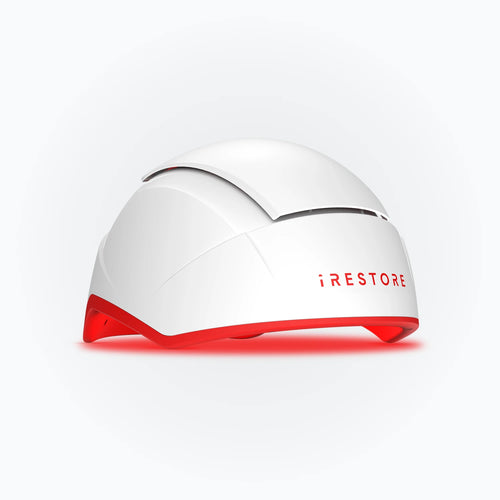
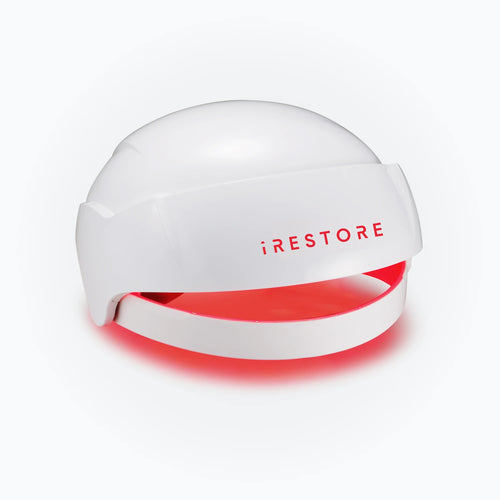
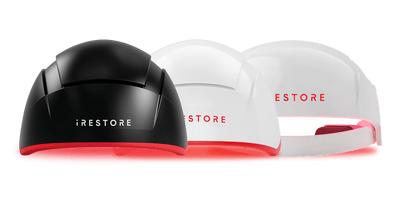
Low-level laser therapy (LLLT): FDA-cleared devices like iRESTORE that use light to support follicles.
We will cover how laser therapy works in detail later in this article. Early treatment matters most, because follicles that are still present respond far better than those already lost.
2. Telogen Effluvium
Telogen effluvium is the second most common cause of hair loss. It causes sudden, widespread shedding across the whole scalp. Unlike genetic hair loss, it does not follow a set pattern.
This type is triggered by a shock to your body. The stress pushes many follicles into their resting phase at once. A few months later, all that hair falls out together.
Common triggers include:
-
Major illness or high fever
-
Surgery or physical injury
-
Rapid weight loss or crash diets
-
Childbirth (also called postpartum hair loss)
-
Severe emotional stress
One strange feature of this condition is the delay. The shedding does not start right away. Instead, there is usually a gap of two to three months between the trigger and the visible hair loss. Many people forget about the original event by the time their hair starts falling.
The good news is that telogen effluvium is temporary. The follicles stay alive and healthy the entire time. Once you remove the trigger, your hair usually grows back within six months. Treatment focuses on fixing the root cause and supporting your body with good nutrition.
3. Thyroid Disorders
Your thyroid is a small gland in your neck. It makes hormones that control how your body uses energy. When it stops working correctly, your hair can suffer.
Both types of thyroid trouble can cause hair loss:
-
Hypothyroidism: An underactive thyroid that makes too little hormone.
-
Hyperthyroidism: An overactive thyroid that makes too much hormone.
In either case, the result is often the same. You may notice thinning hair spread evenly across your scalp. Some people also find their hair feels dry, brittle, or different in texture.
The best news is that this type is reversible. Once a doctor treats the thyroid problem, your hormone levels return to normal. As your body balances out, your hair usually grows back over time. If you think your thyroid may be to blame, read our detailed guide on whether thyroid problems cause hair loss.
4. Alopecia Areata
Alopecia areata is different from the causes above. It is an autoimmune condition, which means your immune system attacks your own body by mistake. In this case, it targets your hair follicles.
The result is easy to spot. Instead of general thinning, you get round bald patches. These smooth, coin-sized spots can appear anywhere on the scalp. Sometimes they show up on the beard or eyebrows too.
Key facts about alopecia areata:
-
It is unpredictable and can come and go without warning.
-
Hair may regrow on its own, then fall out again later.
-
In rare cases, it spreads to the entire scalp or body.
Because this is an immune problem, home remedies will not fix it. A dermatologist should always guide treatment. Common options include corticosteroids to calm the immune system and newer medicines called JAK inhibitors. If you notice sudden patchy bald spots, see a doctor for a proper diagnosis.
5. Nutritional Deficiencies
Your hair needs the right fuel to grow. When your diet lacks key nutrients, your follicles are among the first to feel it. Your body sends nutrients to vital organs first, and hair sits low on that list.
Several deficiencies are known to trigger hair loss:
-
Iron: Low iron is one of the most common causes, especially in women. In fact, a lack of iron can lead to noticeable shedding.
-
Zinc: This mineral helps repair and grow hair tissue.
-
Vitamin D: Low levels are linked to thinning and shedding.
-
Biotin: A B vitamin that supports healthy hair strands.
The good news is that this cause is fully reversible. Once you fix the shortage, your hair usually recovers over a few months.
However, do not rush to buy supplements just yet. Too much of some nutrients can actually harm your hair. Get a simple blood test first to find out what you are missing. Then you can supplement the right way, based on real numbers rather than guesswork.
6. Hormonal Changes
Hormones act like messengers in your body. They control many functions, including hair growth. When your hormone levels shift, your hair often shifts too.
Several life stages and conditions can cause these changes:
-
Postpartum: After giving birth, many women shed hair as hormones drop back to normal.
-
Menopause: Falling estrogen levels can lead to thinning hair.
-
PCOS: Polycystic ovary syndrome raises certain hormones that affect follicles.
Take the example of a new mother. During pregnancy, high hormone levels keep her hair thick and full. After birth, those levels fall fast, and heavy shedding follows a few weeks later.
Most hormonal hair loss is temporary or manageable. Postpartum shedding usually stops on its own within a year. For menopause or PCOS, a doctor can suggest hormonal treatments to help. In most cases, the follicles stay healthy and ready to grow again.
7. Stress
Stress does more than affect your mood. It can also show up in your hair. When your body faces heavy stress, it can push follicles into their resting phase.
There are two ways stress can lead to hair loss:
-
Physical stress: A major event like surgery, illness, or injury can trigger sudden shedding.
-
Chronic psychological stress: Long-term worry or anxiety can worsen ongoing hair loss.
This kind of shedding is a form of telogen effluvium, which we covered earlier. The link between stress and hair loss is not always obvious. Because of the delay, the shedding often starts two to three months after the stressful period.
The good news is that stress-related hair loss is temporary. Once the stress fades, your follicles wake back up. Most people see their hair return within three to six months. Managing stress through rest, exercise, and support helps your hair and your health at the same time.
8. Medications
Sometimes the very medicines that treat one problem can cause another. Hair loss is a known side effect of several common drugs. This happens because some medications disrupt the normal hair growth cycle.
Drugs that can trigger hair loss include:
-
Chemotherapy: These powerful cancer drugs are the most well-known cause.
-
Blood thinners: Used to prevent clots, they can cause shedding in some people.
-
Antidepressants: Certain types affect the hair cycle.
-
Beta-blockers: Common heart and blood pressure medicines.
-
Retinoids: Strong vitamin A drugs used for skin conditions.
In most cases, this hair loss is reversible. Once you stop the medication, your hair usually grows back over time.
However, there is one rule you must never break. Do not stop taking any prescribed medication on your own. Always consult your prescribing physician before making any changes. Your doctor can weigh the benefits of the drug against the hair loss and may suggest a safer option.
9. Scalp Conditions
Healthy hair needs a healthy scalp to grow from. When the skin on your head has a problem, your follicles can struggle. Several scalp conditions are known to cause hair loss.
Common culprits include:
-
Seborrheic dermatitis: A condition that causes red, flaky, itchy skin.
-
Psoriasis: An immune-related condition that creates thick, scaly patches.
-
Ringworm: A fungal infection that leads to patchy, itchy hair loss.
The good news is that most of these are reversible. Once you treat the underlying condition, your hair usually grows back. A dermatologist can prescribe the right cream, shampoo, or medicine for your specific issue.
There is one important exception to watch for. Scarring alopecias, such as lichen planopilaris, are different. These conditions destroy the follicle and leave scar tissue behind. Because the damage is permanent, early treatment is critical to save the hair you still have.
10. Traction Alopecia
Traction alopecia has a very different cause from the others. It does not come from hormones, genes, or illness. Instead, it comes from constant physical pulling on your hair.
Certain hairstyles put steady tension on the roots:
-
Tight ponytails or buns
-
Braids and cornrows
-
Hair extensions and weaves
Over time, this pulling stresses the follicles. You often see it first along the hairline, where the strain is greatest. The hair in these areas grows thinner and eventually falls out.
The outcome depends heavily on timing. In the early stage, traction alopecia is reversible. If you loosen your hairstyles, the follicles can recover and regrow hair. But if the pulling continues for years, it causes permanent scarring. At that point, the follicles are damaged for good and the hair will not return.
10-Cause Summary Table
Here is a quick view of all 10 causes side by side. Use it to spot which type may match your situation.
|
Cause |
Type |
Reversible? |
Primary Treatment |
|
Androgenetic alopecia |
Permanent |
Slows with treatment |
Minoxidil, LLLT, finasteride (men) |
|
Telogen effluvium |
Temporary |
Yes, resolves on its own |
Remove trigger, nutritional support |
|
Thyroid disorder |
Temporary (if treated) |
Yes, with thyroid medication |
Thyroid medication |
|
Alopecia areata |
Variable |
Often, but unpredictable |
Corticosteroids, JAK inhibitors |
|
Nutritional deficiency |
Temporary |
Yes, with supplementation |
Blood test plus targeted supplements |
|
Hormonal changes |
Variable |
Often |
Hormonal management |
|
Stress |
Temporary |
Yes, 3 to 6 months post-trigger |
Remove stressor |
|
Medications |
Temporary |
Yes, after discontinuing |
Consult physician |
|
Scalp conditions |
Variable |
Mostly (except scarring types) |
Treat underlying condition |
|
Traction alopecia |
Early reversible; chronic permanent |
Early stage only |
Reduce tension on hair |
When Is Hair Loss Treatable with iRESTORE?
By now you can see that hair loss has many causes. No single treatment works for all of them. This is why finding the correct cause matters so much. It points you toward the right solution.
iRESTORE laser devices are made for one specific cause: androgenetic alopecia. It is the most common cause of permanent hair loss. Importantly, it is the only cause for which iRESTORE devices are FDA-cleared.
So how does the technology work? The devices use low-level laser therapy, or LLLT for a process called photobiomodulation. Here is what that means for your hair:
-
The light reaches the shrinking follicles in your scalp.
-
It boosts the energy inside the follicle cells.
-
This can slow down the miniaturization process.
-
It may support thicker, healthier regrowth over time.
Laser therapy may also help hair recover from telogen effluvium. It does this by giving follicles extra energy during the regrowth phase.
However, honesty matters more than sales here. iRESTORE is not a cure-all, and it will not treat every cause on this list. LLLT is not a treatment for:
-
Alopecia areata
-
Traction alopecia
-
Scalp infections
-
Thyroid disorders
-
Nutritional deficiencies
For those causes, you must address the root problem first. If your hair loss is genetic, though, LLLT is a proven and gentle option. You can explore all your choices on the iRESTORE Hair Hub or view the iRESTORE Elite device directly.
Key Takeaways
-
The most common cause of hair loss, androgenetic alopecia, is genetic and permanent without treatment. It affects around half of all men over 50.
-
Most other causes, such as thyroid problems, deficiencies, stress, medications, and postpartum shedding, are temporary and reversible once you address the underlying cause.
-
Identifying the correct cause is essential. Treating genetic hair loss with thyroid medication will not work, and the reverse is equally true.
-
FDA-cleared LLLT devices like iRESTORE are specifically indicated for androgenetic alopecia. They stimulate follicles through photobiomodulation.
-
Sudden, rapid, or patchy hair loss should prompt a dermatologist consultation, as it may point to autoimmune conditions that need proper diagnosis.
-
Early intervention produces the best outcomes for genetic hair loss. Follicles that are shrinking but still present respond far better than follicles already lost.
Frequently Asked Questions
What is the most common cause of hair loss?
The most common cause is androgenetic alopecia, also known as genetic pattern hair loss. It accounts for most permanent hair loss in both men and women. This type is driven by a hormone called DHT, which slowly shrinks the follicles over time.
What causes sudden hair loss?
Sudden hair loss is often caused by telogen effluvium. This is heavy shedding triggered by a shock to the body, such as illness, surgery, childbirth, or severe stress. The shedding usually starts two to three months after the trigger and is temporary.
Can stress cause permanent hair loss?
In most cases, stress-related hair loss is temporary. It pushes follicles into a resting phase, and hair regrows within three to six months once the stress fades. However, long-term stress that goes unmanaged can worsen other ongoing types of hair loss.
What vitamin deficiency causes hair loss?
Several deficiencies can cause hair loss, including low iron, zinc, vitamin D, and biotin. Iron deficiency is one of the most common, especially in women. A simple blood test can confirm what you are missing before you start any supplements.
What causes hair loss in women specifically?
Women often experience hair loss from hormonal changes, such as postpartum shifts, menopause, or PCOS. Genetic pattern hair loss also affects women, usually as diffuse thinning across the top of the scalp. Iron deficiency and thyroid problems are other common causes in women.
What is the difference between temporary and permanent hair loss?
Temporary hair loss happens when healthy follicles enter a resting phase, so hair regrows once the trigger is gone. Permanent hair loss happens when follicles are damaged, shrunken, or scarred. Permanent types need active treatment, while temporary types often resolve on their own.
What Real Customers Say
Thousands of users have shared their iRESTORE results. Here are a few verified reviews.


iRESTORE is loved by 600,000+ customers worldwide.
Disclaimer: This article is for informational purposes only and is not a substitute for professional medical advice. LLLT devices are cleared to treat androgenetic alopecia within specific classifications and are not intended for those with advanced hair loss or complete baldness. Individual results may vary. Always consult a qualified healthcare provider before starting any new hair loss treatment.