

Most people focus on how a hair product makes their hair look, not what it contains. However, the ingredients inside your shampoo, conditioner, and styling products affect your scalp every single day. Over time, the wrong ingredients can lead to dryness, irritation, buildup, and increased hair fall.
So, what ingredients should you avoid in hair products? Any ingredients that strip natural oils, irritate the scalp, or create heavy buildup can weaken hair over time. These include harsh cleansers, strong fragrances, and coating agents that sit on the scalp instead of nourishing it. Avoiding these helps maintain a healthier scalp environment where hair can grow more easily.
Many people searching for what ingredients to avoid in shampoo are already dealing with thinning, breakage, or scalp discomfort. The good news is that small changes can add up. By learning which ingredients harm hair health and which ones support it, you can protect your scalp and create a better environment for stronger hair over time.
What Makes an Ingredient “Bad” for Hair?
Not every ingredient causes problems for every person. Issues start when an ingredient interferes with the scalp’s natural balance.
Think of your scalp like soil. Healthy soil supports growth, but dry or clogged soil slows it down. Harsh ingredients can strip natural oils, irritate the skin, or leave residue that blocks hair follicles.
These effects often happen slowly. Many people do not notice irritation or dryness right away. Instead, the scalp becomes more sensitive over weeks or months of regular use. This is why ingredient choices matter even if a product seems fine at first.
In simple terms, bad hair products or ingredients either dry out the scalp, clog it, or stress it. None of these help hair grow well.
Hair Ingredients to Avoid in Any Product
Some ingredients appear across shampoos, conditioners, and styling products. These are worth checking for no matter what type of hair product you use.
Common ingredients to be cautious of include:
-
Harsh sulfates like SLS and SLES – These cleanse aggressively and can strip the scalp of natural oils, leading to dryness, irritation, and increased breakage over time.
-
Parabens used as preservatives – While they extend shelf life, parabens may irritate sensitive scalps and are best avoided if you are already dealing with thinning or discomfort.
-
Synthetic fragrances – Often made from undisclosed chemical blends, synthetic fragrances are a common cause of scalp sensitivity and ongoing irritation.
-
Phthalates – These are sometimes used to stabilize fragrance and texture but can disrupt the scalp’s natural balance with repeated exposure.
-
Formaldehyde-releasing preservatives – Used to prevent bacterial growth, these can irritate the skin and stress the scalp when used regularly.
-
Short-chain alcohols that dry hair – Ingredients like alcohol denat evaporate quickly, pulling moisture from the scalp and hair strands and making hair more prone to breakage.
These ingredients often improve foam, scent, or shelf life. However, with repeated use, they can irritate the scalp and weaken hair strands.
For someone already worried about thinning, repeated irritation matters. A calmer scalp supports healthier hair over time and helps keep routines consistent, especially when using hair growth tools like iRESTORE that work best alongside good scalp care.
What Ingredients to Avoid in Shampoo?
Shampoo touches your scalp more than any other hair product. Because of this, harsh ingredients here can cause the most damage over time.
Ingredients to watch out for include:
-
Strong sulfates that strip natural oils
-
Coal tar, often used in dandruff shampoos
-
Artificial dyes
-
Heavy preservatives that can irritate skin
Strong sulfates clean aggressively. While this may feel refreshing at first, it often leaves the scalp dry and tight. A dry scalp may respond by producing more oil, which can lead to flakes or buildup.
For example, someone who shampoos daily after workouts may notice itching or redness after a few weeks. Switching to a gentle, sulfate free shampoo often reduces irritation without sacrificing cleanliness.
In some cases, scalp irritation from harsh shampoos can be compounded by external factors like mineral buildup, which is why issues such as hard water and hair loss are often discussed together.
What Ingredients to Avoid in a Conditioner?
Conditioner helps soften hair, but some formulas rely on heavy coating ingredients instead of real moisture.
Ingredients to be cautious of include:
-
Non water soluble silicones
-
Mineral oil
-
Petroleum based fillers
-
Thick butters that weigh hair down over time
-
Protein heavy formulas used too often
These ingredients can make hair feel smooth right away. However, they often sit on the surface instead of nourishing the hair. Over time, this buildup can weigh hair down and block moisture.
This kind of buildup can make hair snap easily, which is why many people confuse surface-level damage with shedding when comparing new hair growth vs breakage.
A common example is hair that feels soft on day one but dull and flat after a few weeks. This often happens because layers of product never fully wash out. Lightweight conditioners rinse clean and allow hair to absorb moisture better.
What Ingredients to Avoid in Styling Products?
Styling products stay on the hair and scalp longer than shampoo or conditioner. This makes ingredient choice even more important.
Ingredients to limit include:
-
Drying alcohols like alcohol denat
-
Heavy synthetic fragrances
-
Sticky resins and strong holding polymers
-
Thick waxes that cause buildup near the scalp
-
Silicone heavy formulas that are hard to wash out
These ingredients can dry hair strands and irritate the scalp, especially when used daily. Over time, this can lead to breakage near the roots and increased shedding during washing.
For instance, someone who uses hair gel every morning may notice flakes or stiffness near the hairline. A lighter styling product with flexible hold often provides the same look without stressing the scalp.
Healthy styling habits support a calm scalp, which is important when trying to improve hair strength and reduce thinning.
What to Use Instead: Simple Swaps That Actually Help
Avoiding bad ingredients does not mean switching to expensive or hard to find products. Small, smart swaps often work best.
Look for these better alternatives instead:
-
Gentle, sulfate free cleansers
-
Lightweight conditioners that rinse clean
-
Water soluble silicones or silicone free formulas
-
Natural humectants like aloe or glycerin
-
Products labeled fragrance free or lightly scented
These ingredients clean and condition without stressing the scalp. They support moisture instead of stripping it away.
For example, switching from a harsh shampoo to a gentle cleanser often reduces itching within weeks. Hair may feel softer and easier to manage without extra products.
How to Read a Hair Product Label Fast?
Ingredient labels can feel overwhelming, but you do not need to understand everything to make better choices.
Start by checking the first five ingredients. These make up most of the formula. If harsh sulfates or drying alcohols appear early, the product may be too strong for regular use.
Next, watch for vague terms like fragrance. This single word can hide many ingredients. If you have a sensitive scalp, fragrance free options are safer.
Finally, ignore bold marketing claims on the front. Words like natural or clean do not guarantee gentle formulas. The ingredient list always tells the real story.
Where iRESTORE Fits In If You Are Worried About Thinning?
Hair growth tools work best when the scalp stays healthy and calm. Irritating products can slow progress, even when you follow a consistent routine.
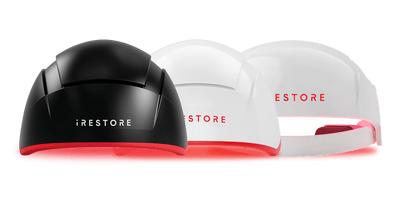
This is where smarter product choices matter. When you avoid ingredients that cause dryness or buildup, your scalp stays more balanced. This supports treatments like iRESTORE, which uses low level laser therapy to stimulate hair follicles and encourage hair regrowth over time.
iRESTORE is designed to increase blood flow to the scalp and help follicles stay in the growth phase longer. When used consistently alongside gentle hair products, it can better support thicker looking hair and reduced shedding over time.

Conclusion
Healthy hair starts with daily choices. The products you use on your scalp matter just as much as styling or treatments. When you avoid ingredients in hair products that dry, clog, or irritate the scalp, you give your hair a better chance to stay strong.
You do not need to replace everything at once. Start with your shampoo, then adjust other products as needed. Over time, these small changes can lead to a calmer scalp, less breakage, and better support for hair growth tools and routines.
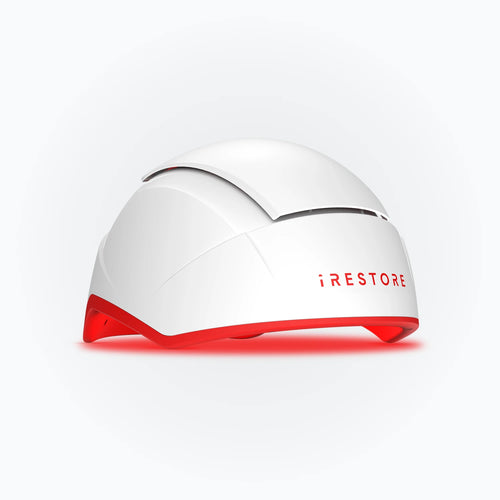
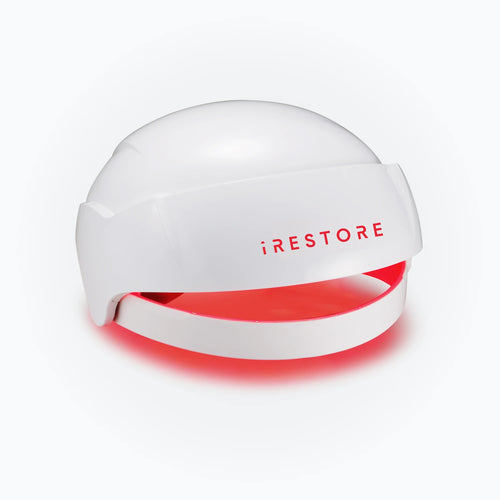
When your scalp stays calm and clean, it creates a better foundation for natural hair support. Many people combine gentle product choices with light therapy tools like iRESTORE Essential or iRESTORE Professional, which are designed to support hair regrowth at home when used consistently as part of a healthy routine.
FAQs
Are sulfates always bad for hair?
Sulfates are not harmful for everyone. However, frequent use can dry out the scalp, especially if you wash often. Many people with sensitive or thinning hair do better with gentler cleansers.
Can silicones cause hair loss?
Silicones do not cause hair loss directly. The issue comes from buildup. Heavy silicones can block moisture and make hair weaker over time if they are not washed out well.
Do natural products always work better?
Not always. Some natural ingredients can still irritate the scalp. The goal is balance, not perfection. Gentle formulas matter more than labels.
How long does it take to see improvement after switching products?
Most people notice less irritation or dryness within a few weeks. Stronger hair and better texture may take one to three months.
Can bad ingredients make thinning worse?
Yes. Repeated irritation and buildup can weaken hair at the roots. This can make thinning more noticeable over time.
Disclaimer: The iRESTORE blog is for informational purposes only and is not intended to replace professional medical advice or treatment. Please do not ignore professional guidance because of information you’ve read here. If you have concerns about your hair or skin health, we encourage you to consult a qualified healthcare professional.