
The iRESTORE Blog
Confidence Starts Here




37 Results

Is Hair Loss Reversible? Here’s What Science Says
If you’ve ever wondered if hair loss is reversible, the answer is: sometimes yes, depending on what’s causing it. Many types of hair thinning happen because the follicle is stressed, lacking nutrients, or temporarily disrupted but still alive. In fact, research shows that over 50% of men and 40% of women experience reversible forms of hair thinning before age 50. Most early stage shedding happens when follicles enter a “resting” phase too quickly, a condition called telogen effluvium. The good news? Up to 90% of telogen effluvium cases can recover naturally within months especially when the underlying trigger is addressed. This is why experts emphasize early action before miniaturization becomes permanent. But not all thinning works the same way. Pattern hair loss (androgenetic alopecia) accounts for 95% of hair loss in men and is also common in women. While this type involves gradual follicle shrinkage, studies show many follicles remain dormant, which means they may still respond to therapies that improve energy production and circulation. This includes supportive approaches like nutrition, scalp care, and red light therapy. So yes, hair loss can be reversible, especially when caught early and supported with science-backed treatments that help reactivate weakened follicles. What Reversible Hair Loss Look Like When hair thinning is reversible, the follicle is still alive and capable of producing new strands. This usually shows up as reversing hair thinning rather than complete bald patches. In most cases, the follicle has simply shifted into a resting phase, not died. Dermatology studies show that 90–95% of follicles in early hair loss remain viable, meaning they can re-enter growth with the right stimulation A key sign of reversible hair loss is diffuse shedding more hair in your brush, sink, or shower, but not a sharply defined bald spot. This pattern is typical in stress-related or nutrient-related shedding. In telogen effluvium specifically, up to 300 hairs per day can shed temporarily, compared to the normal 50–100. You may also notice that your strands look thinner, weaker, or shorter than usual. This happens when follicles shrink slightly (hair miniaturization) but haven’t shut down. The presence of shorter, wispy regrowth often called “baby hairs” is a strong indicator that the follicle is still active and can recover. If hair shedding is temporary and the hairline is mostly intact, it’s a sign the follicles haven’t undergone permanent changes. This is especially true when thinning appears after stress, postpartum shifts, illness, crash dieting, or medication changes in situations in which the vast majority of follicles return to normal once the trigger has passed. Common Causes of Hair Loss Hair thinning can happen for many reasons, and understanding the root cause is what determines whether hair loss is reversible. Most people experience more than one trigger at the same time: stress, hormones, scalp health, and genetics all influence how your follicles function. 1. Hormonal Imbalances Hormonal shifts are one of the biggest contributors to reversing hair thinning issues. In androgenetic alopecia (pattern hair loss), follicles become sensitive to DHT (a hormone), which causes gradual miniaturization. According to the American Hair Loss Association, DHT sensitivity accounts for 95% of hair loss in men and is also a major factor in women. 2. Stress-Related Shedding High stress pushes follicles into a resting phase too early, leading to sudden shedding. This is one of the most reversible hair loss types: studies show up to 90% of telogen effluvium cases recover within 6–9 months once the underlying trigger is resolved. 3. Nutrient Deficiencies Low levels of iron, vitamin D, zinc, and essential amino acids can weaken follicles, making them shed more easily. Research shows nearly 70% of women with diffuse shedding have at least one detectable deficiency. Nutritional issues are highly reversible once corrected. 4. Poor Scalp Health Scalp inflammation, product buildup, dandruff, and micro-imbalances can choke the follicle and reduce oxygen and nutrient delivery. Chronic scalp inflammation is linked to higher rates of follicle miniaturization and early thinning. Keeping the scalp clean, hydrated, and balanced often reverses early symptoms. 5. Genetics & Follicle Miniaturization In mature-receeding hairline differences which are mostly influenced by genetics, follicles shrink slowly over years not overnight. The key insight from dermatology research: miniaturized follicles remain alive, even in long-term thinning, meaning treatments that support energy production (like red light therapy) may help them recover. 6. Illness, Medication, and Hormonal Transitions Events like severe illness, fever, COVID-19, thyroid disorders, postpartum changes, and certain medications often push follicles into shedding. These cases are typically temporary and reversible because the follicles remain structurally intact. Science-Backed Ways to Reverse Early Hair Thinning If you’re still in the early stages of thinning, the good news is that hair loss is reversible for many people. The key is supporting the follicle before miniaturization becomes advanced. These science-backed methods help reactivate weakened follicles and improve density over time. 1. Improve Scalp Microcirculation Healthy follicles need oxygen and nutrients to function. Poor circulation can weaken the follicle, but improving blood flow helps revive dormant strands. Clinical studies show that scalp-massage stimulation increased hair thickness by 9% after 24 weeks, indicating that circulation plays a major role in reversing hair thinning. 2. Reduce Scalp Inflammation Inflammation around the follicle is a major driver of thinning and miniaturization. Anti-inflammatory care, gentle cleansing, soothing ingredients, and avoiding product buildup can help protect the follicle environment. Research shows that inflammation accelerates follicle shrinkage, especially in people with genetic sensitivity. 3. Support Follicle Energy Production (ATP Boost) Hair follicles are highly energy dependent. When stressed, they produce less ATP, which slows growth. Treatments that boost mitochondrial activity can help reactivate dormant follicles. A study found that increasing ATP levels in follicles can “enhance hair production and extend the anagen (growth) phase.” 4. Address Nutritional Gaps Low levels of iron, vitamin D, zinc, or protein can weaken hair. Addressing deficiencies is one of the most reliable ways to improve reversible hair loss especially for women. A 2020 study showed 70% of women with diffuse thinning improved after correcting key nutrient deficits. 5. Strengthen the Hair Growth Cycle A healthy cycle means more follicles stay in the growth (anagen) stage. Practices like stress management, sleep support, and avoiding tight hairstyles can reduce cycle disruption. Chronic stress is linked to a significant increase in telogen-phase follicles, which is reversible once the stress is reduced. 6. Use Science-Backed Ingredients & Therapies Ingredients like rosemary extract, caffeine, peptides, and antioxidants can help improve scalp health and stimulate growth pathways. Studies show caffeine-based topicals can increase follicle activity by 33–40%, making them helpful for early-stage thinning. 7. Consider Red Light Therapy (LLLT) Low-level laser therapy supports cellular energy production (ATP), improves blood flow, and helps reverse early follicle miniaturization. Multiple controlled studies show that LLLT can increase hair density by 20–25% in 16–24 weeks, especially for early-stage thinning. Red Light Therapy: How It Helps Support Regrowth Red light therapy is one of the most researched non-invasive options for people looking to address early thinning. It works by supporting the follicle’s energy production and helping weakened strands recover making it especially useful when hair loss is reversible. iRESTORE’s Role in Reversing Early Thinning iRESTORE uses clinically studied red light wavelengths designed to support follicle energy production and density. It’s drug-free, non-invasive, and suitable for people in the early-to-moderate stages of thinning where reversing hair thinning is most achievable. 1. It Increases Cellular Energy (ATP) Inside the Follicle: Low-Level Light Therapy (LLLT) uses wavelengths of 650–680 nm to stimulate the mitochondria inside hair follicles. This boost in ATP helps support stronger, longer, and thicker strands. 2. It Helps Reverse Early Follicle Miniaturization: In the early stages of androgenetic alopecia, follicles shrink but remain alive. LLLT helps counter this by improving energy flow and nutrient delivery to the follicle. Studies show that red light therapy can extend the anagen (growth) phase and help miniaturized follicles produce visibly stronger strands again. 3. It Improves Scalp Microcirculation: Healthy blood flow is essential for reversing thinning. Red light therapy increases microcirculation, which delivers oxygen and nutrients directly to the follicle root. One study found that participants using LLLT saw a 20–25% increase in hair density within 4–6 months. Real people. Real experiences. The question “is hair loss reversible?” is something real people ask when they’re scared of losing more hair. Many iRESTORE users started where you are now: noticing extra shedding, a wider part, or a thinner crown, and wondering if it was too late. By acting early and staying consistent with supportive treatments like red light therapy, they’ve seen less shedding, stronger strands, and visibly fuller hair over time. Their stories are a reminder that while no solution works for everyone, early, science-backed care can make a real difference. Conclusion So, is hair loss reversible? In many cases, yes, especially when you catch it early. Most follicles don’t die; they simply weaken, miniaturize, or shift into a resting phase due to stress, hormones, inflammation, or nutritional gaps. Research shows that a large percentage of early-stage thinning can improve with the right support, whether that’s better scalp care, nutrition, lifestyle changes, or science-backed therapies. Reversing early thinning often comes down to one principle: support the follicle before long-term miniaturization sets in. Irestore’s Red Light Therapy (LLLT), in particular, has strong evidence showing it can help boost cellular energy, improve microcirculation, and encourage follicles to re-enter the growth phase making it one of the most researched non-invasive tools available. If you’re noticing shedding, a widening part, or changes in texture, remember that early action matters. Supporting your scalp and follicles now can significantly increase the chances that hair loss is reversible in your case. FAQs 1. Can hair loss be fully reversed naturally? In many cases, yes, especially when the follicle is still active. Nutritional deficiencies, stress-related shedding, postpartum shedding, and scalp inflammation often cause reversible hair loss once the trigger is addressed. 2. How long does it take to see improvement? Most people begin noticing early regrowth within 3–6 months, depending on the cause and the treatments used. Therapies like red light therapy, improved scalp health, and nutritional support help accelerate recovery when hair loss is reversible. 3. Is thinning at the crown reversible? Often, yes, especially in the early stages. Crown thinning typically starts with follicle miniaturization, not follicle death. Studies show that miniaturized follicles can still respond to treatments that boost circulation and cellular energy.Disclaimer: The iRESTORE blog is for informational purposes only and is not intended to replace professional medical advice or treatment. Please do not ignore professional guidance because of information you’ve read here. If you have concerns about your hair or skin health, we encourage you to consult a qualified healthcare professional.
Read More
About iRESTORE
We believe in safe & clean hair care that empowers you to look and feel your best without compromising your health.

Why Is My Hair Thinning at the Crown? Early Signs & Fixes
If you’ve started noticing a patch of scalp showing through at the top of your head, you’re not alone. Hair thinning at the crown is one of the most common early signs of pattern hair loss. It usually happens when hair follicles in the crown area begin to shrink due to hormonal changes, stress, or poor scalp health, producing finer, weaker strands over time. In men, it’s often linked to male pattern baldness driven by DHT sensitivity, while in women, it appears as gradual thinning at the crown or part line due to hormonal imbalance, stress, or nutritional deficiencies. Crown hair loss can often be slowed and even reversed if addressed early through consistent scalp care, nutrition, and technologies like red light therapy for hair regrowth that reactivate dormant follicles. In this guide, we’ll cover how to identify early signs of hair thinning, what’s really causing it, and the most effective ways to regrow hair on the crown naturally including iRESTORE’s clinically proven red light therapy system. What Does Hair Thinning at the Crown Look Like? Hair thinning at the crown often starts subtly, a little more scalp showing under bright light, or your hair part appearing wider than usual. For many people, this change happens so gradually that it’s easy to miss until photos or mirrors make it obvious. In men, it usually shows up as a circular patch of thinning hair on the top of the head, which can slowly expand outward, a pattern linked to male pattern baldness caused by DHT (dihydrotestosterone) sensitivity. In women, it tends to appear as diffuse thinning or a widening part, while the hairline often remains intact. These early shifts are your follicles signaling distress: either from hormonal changes, stress, or nutrient deficiencies. The sooner you identify them, the more likely it is that the follicles can be reactivated before they shrink permanently. Early detection and consistent treatment especially with low-level laser therapy (LLLT) can make a major difference in restoring hair density at the crown before the thinning becomes visible from every angle. Common Causes of Thinning at the Crown If you’re wondering what common hair loss triggers are, the answer often lies beneath the surface within your hormones, stress levels, and scalp environment. Let’s break down the most common causes that lead to this specific type of crown hair loss and what you can do to prevent further damage. 1. Genetics and Hormones The most frequent cause of thinning hair on the top of the head is androgenetic alopecia commonly known as pattern baldness. It’s hereditary and driven by sensitivity to dihydrotestosterone (DHT), a hormone that causes follicles at the crown to shrink over time. Early intervention can help prevent these follicles from miniaturizing permanently. 2. Stress and Poor Sleep Chronic stress and sleep deprivation elevate cortisol levels, which disrupt the hair growth cycle and push follicles prematurely into the telogen (resting) phase, a condition known as telogen effluvium. This leads to shedding concentrated at the crown and temples, where circulation is already weaker. 3. Nutrient Deficiency Your follicles need consistent nourishment to thrive. Low levels of iron, vitamin D, and biotin can slow down cell renewal and weaken hair roots. A diet lacking in protein or omega-3s can further dull scalp health, especially when combined with stress or hormonal shifts. 4. Scalp Buildup or Hard Water Exposure to hard water or excess product buildup can block follicles and limit oxygen flow. Over time, this leads to inflammation, reduced nutrient absorption, and a flaky, irritated scalp all of which accelerate crown hair thinning. No matter the cause, the key is to address it early. Once follicles remain dormant for too long, it becomes harder to restore density but not impossible. Clinical tools like red light therapy for hair regrowth can help reenergize follicles and reverse early thinning when paired with better sleep, nutrition, and scalp hygiene. Early Signs You Shouldn’t Ignore Hair thinning at the crown doesn’t happen overnight; it develops gradually, and most people overlook the earliest warning signs until the thinning becomes visible in photos or under harsh light. Recognizing these indicators early gives you the best chance to regrow hair on the crown naturally before follicles shrink permanently. 1. Increased Scalp Visibility If you’ve noticed the top of your head reflecting more light than usual or your scalp showing through your hair part, it’s one of the first visible symptoms of stunted hair loss. This means your follicles are beginning to miniaturize, producing finer and shorter strands. 2. Widening Hair Part For many women, female pattern hair loss begins as a widening central part rather than patchy shedding. This gradual change signals a reduction in overall hair density and is best managed with early scalp stimulation and balanced nutrition. 3. Short, Fine “Baby” Hairs Around the Crown Tiny, uneven hairs near the crown can indicate follicle recovery or, in some cases, breakage due to weak hair shafts. Healthy regrowth usually feels soft and grows steadily over weeks, while breakage stays frizzy or uneven. 4. Excess Shedding During Shower or Brushing Seeing more strands in your brush or shower drain especially from the top region is often an early stage of telogen effluvium. While daily shedding (50–100 hairs) is normal, consistent excess loss concentrated at the crown signals stress or hormonal disruption. 5. Scalp Sensitivity or Itching An itchy or tender scalp at the crown can stem from inflammation, buildup, or reduced blood circulation. Left unaddressed, this irritation can slow growth and trigger thinning hair on top of the head. How to Fix Thinning at the Crown Naturally If you’ve caught hair thinning at the crown early, you’re already ahead. The goal now is to reactivate dormant follicles, strengthen existing strands, and improve the scalp environment naturally and consistently. Here’s how to support regrowth from every angle. 1. Stimulate Follicles with Red Light Therapy One of the most effective non-invasive ways to restore density is red light therapy for hair regrowth. iRESTORE’s FDA-cleared Laser Hair Growth System uses Low-Level Laser Therapy (LLLT) to deliver light energy directly to your hair follicles, helping boost cellular energy (ATP) and increase scalp circulation. This process encourages follicles in the resting (telogen) phase to re-enter the growth (anagen) phase, resulting in thicker, stronger strands over time. Learn how iRESTORE’s device is clinically proven to regrow hair in iRESTORE Laser Hair Growth System Is Now Clinically Proven to Grow Hair 2. Support Hair Growth Through Nutrition Your scalp health starts from within. Nutrients like iron, zinc, biotin, and vitamin D support keratin production and follicle regeneration. Adding foods rich in omega-3 fatty acids, such as salmon, walnuts, and chia seeds, also promotes scalp hydration and circulation. 3. Prioritize Scalp Care and Hygiene Healthy follicles need a clean, oxygen-rich environment. Use a gentle exfoliating shampoo once a week to remove sebum, product buildup, and dead skin cells. Avoid harsh chemical treatments or tight hairstyles that put unnecessary tension on the crown area, which can accelerate breakage. See the Results:Learn how the iRESTORE Red Light Therapy Can Help You Stop Hair Shedding and achieve fuller, healthier hair. Conclusion Hair thinning at the crown is often one of the first visible signs of pattern hair loss but it’s also one of the most treatable when addressed early. Whether it’s caused by hormonal imbalance, stress, or poor scalp circulation, the key lies in reactivating dormant follicles before they stop producing new growth. Lifestyle changes like improving nutrition, sleep, and scalp care play a big role. But when it comes to restoring density, few options are as effective or as easy to use as iRESTORE’s FDA-cleared Red Light Therapy Device. Using clinically proven Low-Level Laser Therapy (LLLT), the iRESTORE Laser Hair Growth Devices deliver precise light energy to the follicles, helping: Reactivate dormant hair roots in the crown and top areas Boost cellular energy (ATP) for stronger, thicker hair growth Improve scalp circulation and nutrient delivery Reduce shedding caused by stress or poor sleep FAQs 1. Is crown hair loss reversible? In many cases, crown hair loss is reversible if treated early. When follicles are still active, therapies like red light therapy for hair regrowth, improved nutrition, and stress management can help restore hair density. 2. How long does it take to regrow hair on the crown? With consistent care, most people begin to see visible improvement in 3 to 6 months. Follicle recovery varies depending on the cause and the treatment used. 3. Can red light therapy regrow hair at the top of the head? Yes. Red light therapy works exceptionally well for thinning hair on the top of the head, including the crown. By boosting cellular energy (ATP) and oxygen flow, it helps transition follicles back into the growth (anagen) phase, leading to thicker, healthier strands over time. Disclaimer: The iRESTORE blog is for informational purposes only and is not intended to replace professional medical advice or treatment. Please do not ignore professional guidance because of information you’ve read here. If you have concerns about your hair or skin health, we encourage you to consult a qualified healthcare professional.
Read More
Hair Miniaturization Explained: The First Step Toward Balding
Noticing strands grow thinner, softer, and shorter? That’s often hair miniaturization, the early, silent step toward pattern hair loss. As follicles shrink, each new hair emerges with a smaller diameter and a shorter growth phase, making the scalp look progressively more visible. The upside is early action helps. Dermatologist-approved options like FDA-cleared red light therapy support follicle energy, scalp microcirculation, and healthier growth, before thinning becomes harder to address. What Is Hair Miniaturization? Hair miniaturization is the gradual shrinking of hair follicles that leads to thinner, weaker strands over time. It’s a key process behind pattern hair loss, where healthy terminal hairs slowly turn into fine, wispy vellus hairs that barely cover the scalp. This happens when the hair growth cycle shortens. The anagen (growth) phase becomes briefer, and the resting (telogen) phase lengthens, so each new strand grows back finer and sheds more easily. Over time, the follicle becomes so small that it can no longer produce visible hair. The process is often triggered by dihydrotestosterone (DHT), the same hormone linked to mature vs. receding hairlines in men and women, a hormone that binds to receptors in hair follicles and causes them to shrink. While DHT sensitivity is largely genetic, environmental factors like stress, poor scalp health, and nutritional deficiencies can accelerate the cycle. Recognizing hair miniaturization early is crucial because follicles that haven’t completely closed can still respond to treatment and begin producing thicker, healthier hair again. Causes of Hair Miniaturization Several factors can trigger or accelerate hair miniaturization, gradually weakening the follicles and disrupting normal growth cycles. 1. Hormonal Factors (DHT Sensitivity): The most common cause is a hormone called dihydrotestosterone (DHT), a byproduct of testosterone that binds to follicle receptors. Over time, DHT causes the follicle to shrink, leading to finer, shorter strands and eventually dormant follicles. 2. Genetic Predisposition: If pattern hair loss runs in your family, chances are your follicles are genetically more sensitive to DHT. This hereditary form of miniaturization is known as androgenetic alopecia and can start as early as your 20s or 30s. 3. Scalp Health and Circulation: Poor scalp health, excess buildup, or reduced blood flow can limit the nutrients reaching your follicles. Inflammation or clogged pores around the follicles can further restrict healthy growth. 4. Stress and Lifestyle Factors: High stress, lack of sleep, and nutritional deficiencies (especially iron, zinc, and vitamin D) can all accelerate follicle weakening. Harsh treatments and tight hairstyles that strain the scalp can make it worse, much like wearing a hat too tightly over time. Addressing these root causes early by improving scalp circulation, supporting hormonal balance, and protecting follicle health can help slow or even reverse miniaturization before permanent loss occurs. Can Hair Miniaturization Be Reversed? In many cases, yes, hair miniaturization can be slowed or partially reversed, but only if the follicles are still active. Once a follicle becomes completely dormant, regrowth becomes difficult. That’s why early detection and consistent treatment matter most. Reversing miniaturization focuses on restoring follicle health and prolonging the hair growth cycle. Dermatologists often recommend: Low-Level Laser Therapy (LLLT): Boosts cellular energy and blood flow to help revive miniaturized follicles, especially when used with the optimal red light wavelength (650nm vs. 850nm). DHT Blockers: Medications or topical treatments that prevent DHT from binding to follicles. Topical Minoxidil: Encourages follicles to stay longer in the growth (anagen) phase. Nutritional Support: Balanced intake of protein, iron, zinc, and biotin to strengthen hair at the root. When started early, these approaches can thicken hair shafts, improve scalp density, and reactivate weaker follicles helping you preserve your natural hair longer. How Red Light Therapy Helps Counter Hair Miniaturization Red light therapy, also known as Low-Level Laser Therapy (LLLT), is one of the safest and most effective ways to address hair miniaturization at its root cause and works best when used consistently, discover how often to use red light therapy for results. Using clinically tested wavelengths of light (650–680 nm), this therapy re-energizes dormant or weakened follicles by stimulating cellular activity and restoring scalp circulation. When light energy penetrates the scalp, it boosts ATP production, the energy source for cells improving oxygen and nutrient delivery to the follicles. This helps reactivate the growth (anagen) phase, leading to thicker, fuller hair over time. Clinical studies show that consistent red light therapy can significantly improve hair density, strand thickness, and overall scalp health, making it an ideal early intervention for miniaturization. iRESTORE’s FDA-cleared red light therapy system uses this proven technology to help restore your hair naturally and safely at home. Try the iRESTORE Laser Hair Growth System, trusted by thousands for visible results in just a few months. When to Seek Professional Help for Miniaturization If you’re noticing consistent thinning, widening parts, or a more visible scalp, it’s time to consult a professional. Early diagnosis matters, a dermatologist or trichologist can confirm whether hair miniaturization is the cause and recommend treatments based on your hair’s current growth stage. A professional evaluation may include scalp imaging (trichoscopy), hormonal analysis, or nutrient testing to identify contributing factors such as DHT sensitivity, inflammation, or deficiencies. Combining professional care with home-based solutions like FDA-cleared red light therapy often delivers the best results. Medical guidance ensures you address both internal and external causes of thinning while red light therapy helps re-energize weakened follicles and support long-term regrowth. Conclusion Hair miniaturization doesn’t happen overnight, it’s a gradual process that gives you time to act. Recognizing it early and choosing evidence-based treatments can make a real difference in keeping your hair stronger for longer. With consistent care, healthy scalp habits, and technologies like iRESTORE’s FDA-cleared red light therapy, you can help slow miniaturization, reactivate weaker follicles, and restore confidence in your hair’s natural growth cycle. Taking action at the first signs of thinning is the key to prevention and the first step toward healthier, fuller hair. FAQs How can I tell the difference between normal shedding and hair miniaturization? Normal shedding involves full-sized strands with visible roots, while miniaturization causes hairs to regrow thinner, softer, and shorter. A dermatologist or trichologist can confirm through scalp imaging. Does hair miniaturization affect men and women differently? Yes. In men, miniaturization often starts at the temples or crown, leading to receding patterns. In women, it typically appears as overall thinning along the part or top of the head. How long does it take to see improvement after starting red light therapy? Most users notice reduced shedding and thicker regrowth within 3–6 months of consistent use. Results vary depending on the stage of miniaturization and overall scalp health. Can stress cause or worsen hair miniaturization? Yes. Chronic stress increases cortisol, which can disrupt the hair growth cycle and accelerate miniaturization. Managing stress through sleep, exercise, and relaxation can support recovery. Disclaimer: The iRESTORE blog is for informational purposes only and is not intended to replace professional medical advice or treatment. Please do not ignore professional guidance because of information you’ve read here. If you have concerns about your hair or skin health, we encourage you to consult a qualified healthcare professional.
Read More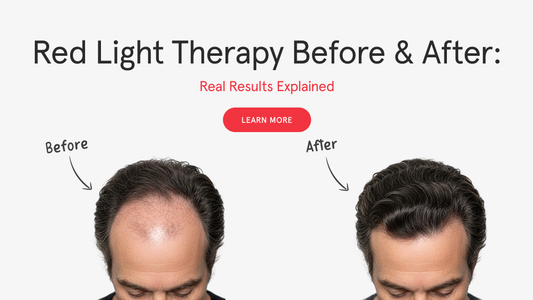
Red Light Therapy Before & After: Real Results Explained
Red light therapy is one of the few non-invasive treatments clinically shown to support natural hair regrowth also used in skin rejuvenation treatments at home for improving texture and tone. Using wavelengths between 630–850 nm, it stimulates hair follicles, boosts circulation, and helps dormant follicles grow stronger, healthier strands. Results take time, most users notice visible changes after 3–6 months of consistent use. In this article, we’ll look at real before-and-after results, what to expect along the way, and how FDA-cleared devices like iRESTORE help make those results possible. Red Light Therapy Hair Growth Before and After (Real User Results) Seeing is believing and when it comes to red light therapy, the results speak for themselves. Across thousands of users, consistent use over several months has led to stronger, fuller, and healthier-looking hair, visible in both real photos and clinical trials. Red light therapy works by energizing the hair follicle cells through specific wavelengths (around 650 nm), similar to how red light therapy helps reduce facial scars and improve tissue healing. This improves blood circulation, increases ATP production, and reactivates dormant follicles that were previously in the resting phase. The outcome? Noticeably thicker strands and renewed hair growth in areas of thinning or shedding. In controlled studies, participants using FDA-cleared devices like iRESTORE reported up to a 35% increase in hair count after 16 to 24 weeks of consistent use, similar findings have been seen in how often to use red light therapy for hair growth. The change is often gradual, reduced shedding first, followed by denser coverage and improved scalp health but it becomes remarkably clear when tracked month over month. Below are three real user stories that show what this progress looks like in practice: Alyssa, 34 — Widening Parts “Tired of my widening part, I tried this device. Six months later, my hair is stronger and thicker. Worth every penny!” In just 6 months, Alyssa noticed visible improvement in her part line, reduced breakage, and a healthier scalp environment that supported new hair growth. Albert, 37 — Thinning Crown “I’ve been using the device for six months. I’m seeing significant growth in my crown. Keep up the routine and you’ll see growth!” Albert’s consistency paid off — the crown area, typically slow to respond, showed clear thickening and coverage within 6 months. Emma, 48 — Bald Spots “I’ve consistently used the device for 18 months. Massive growth! As long as you are consistent, the results will come!” Emma’s results reflect long-term dedication. Over 18 months, she saw steady filling in previously sparse areas, proving that consistency is the key to success. These transformations show what’s possible when science meets commitment. To see more real users who’ve experienced visible changes with iRESTORE, visit the full Before & After Results Gallery. The Hair Growth Timeline: What to Expect Month by Month Red light therapy results build gradually, it’s a process of restoring follicle activity and strengthening your hair from the roots up. Understanding what happens at each stage helps set the right expectations and keeps you motivated to stay consistent. Weeks 1–4: Early Cellular Repair In the first few weeks, most users don’t see visible changes yet but the foundation is forming. The light stimulates energy production (ATP) inside your hair follicle cells, increasing blood flow and reducing inflammation around the scalp. You may notice less shedding and a healthier scalp environment. Weeks 4–12: Reduced Shedding and Stronger Strands As follicles begin to repair, shedding starts to slow. You might feel new, soft “baby hairs” emerging, or notice that existing strands feel thicker and stronger. This phase often builds confidence, small but real progress starts showing in mirror photos. Months 3–6: Noticeable Regrowth This is when most people start seeing visible results, new hair filling in thinning areas, a denser crown, or a more even hairline. Clinical studies have shown up to 35% more hair density within this window for consistent users. 6+ Months: Full Growth and Maintenance By this point, follicles are active and producing new hair regularly. Users often notice richer texture, stronger strands, and improved scalp coverage. Continued use maintains these results and helps prevent future thinning. Consistency beats intensity. Using an FDA-cleared device like iRESTORE three to four times a week yields sustainable, long-term improvement with each month building on the last. What Impacts and Improves Your Results Your results with red light therapy depend on a few key factors and the good news is, most of them are within your control. Consistency is everything. Use your device 3–4 times per week for at least a few months. Hair growth is a slow biological process, steady use makes all the difference. Device quality matters. FDA-cleared systems like iRESTORE use clinically validated wavelengths (~650 nm) proven to stimulate follicles safely and effectively. Healthy scalp, healthy growth. A clean scalp allows better light absorption, adding techniques like how to massage your scalp for hair growth can further improve results. Patience pays off. Most users see visible change around 3–6 months, with continued thickening after that. Combine smartly. Supplements like biotin or topical serums can complement red light therapy when used responsibly. Use the right device, stay consistent, and give your scalp the environment it needs to thrive, that’s the formula behind every great before-and-after story. Conclusion: Real Results Come from Real Consistency Red light therapy delivers visible, lasting results but only when you give it time to work. Hair regrowth is a gradual process, and consistency makes all the difference. Most users begin noticing stronger, thicker hair within 3–6 months, with continued improvements over time. The key is to stay patient and use an FDA-cleared device like the iRESTORE Laser Hair Growth System Elite, which delivers clinically tested wavelengths proven to safely reactivate dormant follicles and support healthy regrowth. Every before-and-after story starts the same way with a few short sessions a week and a commitment to keep going. Stay consistent, and your next photo could be the “after” someone else looks up to. FAQs Can red light therapy reverse hair thinning? Yes, it can slow or reverse early-stage thinning by strengthening active follicles and reactivating dormant ones. Results depend on consistency and stage of hair loss. Do before-and-after results differ for men and women? Both men and women experience improvements, though thinning patterns differ. Women often see fuller coverage across the crown, while men notice denser regrowth around the hairline and crown. Are the results from red light therapy permanent? Results can last as long as you continue using your device. Like exercise, consistent use maintains progress, while stopping treatment may allow hair thinning to resume. Can I combine red light therapy with other treatments like minoxidil or supplements? Yes, many users combine it with biotin, DHT blockers, or minoxidil for added support. Always check with a dermatologist before starting combined treatments. How do I track my red light therapy progress? Take clear scalp photos every 4 weeks in consistent lighting and angles. Comparing these side-by-side helps you see gradual improvements over time. Disclaimer: The iRESTORE blog is for informational purposes only and is not intended to replace professional medical advice or treatment. Please do not ignore professional guidance because of information you’ve read here. If you have concerns about your hair or skin health, we encourage you to consult a qualified healthcare professional.
Read More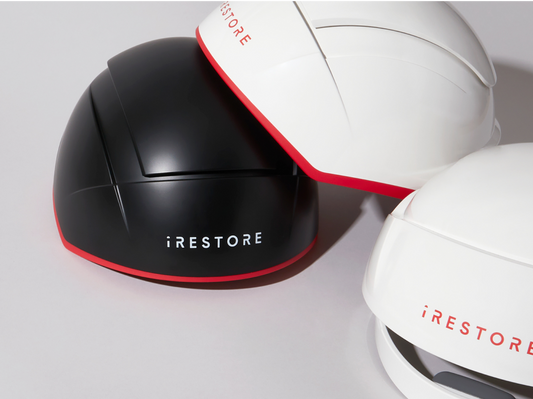
Reach Your Hair Growth Goals
Find out if iRESTORE can help you reverse your hair loss and restore your confidence. Take the quiz now to get personalized recommendations.
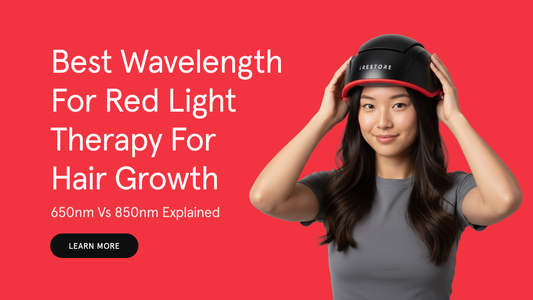
Best Wavelength for Red Light Therapy for Hair Growth (650nm vs 850nm Explained)
Red light therapy has emerged as a revolutionary, non-invasive solution for hair restoration, offering hope to millions experiencing hair loss. With FDA-cleared technology now available, understanding which wavelength delivers the best results for your specific needs becomes crucial. The two most studied wavelengths are 650nm and 850nm, each offer unique benefits for stimulating hair growth, but choosing the right one depends on your hair loss stage and treatment goals. This comprehensive guide explores the science behind each wavelength, helping you make an informed decision for your hair restoration journey. Backed by clinical studies showing measurable results, red light therapy provides a drug-free alternative that naturally stimulates your hair follicles back to life. What is Red Light Therapy for Hair Growth? Red light therapy (RLT), also known as low-level laser therapy (LLLT), is a non-surgical, FDA-cleared treatment that stimulates dormant hair follicles using specific wavelengths of light. It enhances blood circulation to the scalp, delivering essential nutrients to hair follicles and boosting cellular energy, which revitalizes weakened hair roots. For more on how red light therapy helps with hair restoration, check out our article on Does Red Light Therapy Help with Scars?. RLT activates the anagen (growth) phase of the hair cycle, promoting thicker, healthier hair. Clinical studies show an average hair density increase of 43.2%, with 100% of participants experiencing hair growth. This drug-free treatment is safe, gentle, and effective, making it a proven solution for both early thinning and more advanced hair loss. How Does Red Light Therapy Stimulate Hair Growth? Red light therapy stimulates hair growth by energizing hair follicles through photobiomodulation. Specific wavelengths of light increase ATP production in follicle cells, reviving dormant follicles and promoting active hair growth. Improved circulation also plays a key role, as the light dilates blood vessels, boosting nutrient and oxygen delivery to hair roots, while removing waste products that can hinder follicle function. Additionally, RLT reduces inflammation, which is often linked to hair loss. This process extends the anagen (growth) phase, leading to thicker, healthier hair. Consistent treatment results in improved hair density, shaft diameter, and overall scalp health. RLT provides gentle, non-invasive stimulation, making it an ideal long-term solution for healthy hair growth. Understanding Red Light Wavelengths (650nm vs 850nm) 650nm (Red Light) The 650nm wavelength produces visible red light that penetrates 1-2 millimeters into the scalp, effectively stimulating follicles in the upper dermal layers. To learn more about how red light therapy benefits different types of hair loss, refer to How Much Hair Loss is Normal and When to Worry. It targets follicular keratinocytes and dermal papilla cells, key for hair growth. This wavelength is ideal for early-stage hair thinning or preventive treatment, helping to activate miniaturized follicles and prevent further hair loss. Clinical studies show that 650nm therapy increases hair count and hair shaft diameter, with optimal results after 12-16 weeks of daily 25-30 minute sessions. 850nm (Near-Infrared Light) The 850nm wavelength penetrates 3-4 millimeters deeper into the scalp, reaching dormant or deeply miniaturized follicles. This deeper penetration stimulates mitochondrial activity, promoting hair growth in areas where surface treatments are ineffective. It is especially beneficial for advanced hair loss, reactivating stubborn follicles that haven't responded to other treatments. Research shows that 850nm light can reactivate previously dormant follicles, offering hope for those with significant thinning or bald spots. Key Differences Between 650nm and 850nm for Hair Growth Penetration Depth The key difference between the 650nm and 850nm wavelengths is their depth of penetration. For further insight on the differences between these wavelengths, explore The Difference Between Laser and LED for Hair Growth. 650nm red light offers surface-level stimulation, focusing on follicles in the upper scalp layers, making it ideal for recently affected or mild thinning areas. On the other hand, 850nm near-infrared light penetrates 3-4 millimeters deeper into the scalp, targeting follicles that have migrated deeper due to miniaturization. This depth difference impacts treatment effectiveness at different stages of hair loss. 650nm is great for prevention and early intervention, while 850nm becomes crucial for treating more advanced hair loss with deep follicular miniaturization. Effectiveness in Different Stages of Hair Loss For mild hair thinning, 650nm is most effective by preventing further miniaturization and encouraging thicker growth from weakening follicles. It helps maintain existing hair density and stimulates growth in early-stage hair loss. Using 650nm early on can prevent progression to more advanced hair loss. In contrast, 850nm is better for advanced hair thinning and rejuvenating deeply miniaturized follicles. Its deeper penetration allows it to reach follicles that haven’t responded to surface-level treatments, making it ideal for individuals with long-standing hair loss or significant balding areas. 850nm has been shown to reactivate follicles that were previously dormant for months or even years. Treatment Duration and Intensity Treatment protocols vary due to the difference in penetration. 650nm typically requires 20-30 minute daily sessions for optimal results, as surface-level stimulation needs frequent treatment to maintain follicular activity. On the other hand, 850nm may allow for more flexible treatment schedules due to its deeper, longer-lasting effects. Sessions usually last 15-25 minutes, and once initial results are seen, treatment frequency can be reduced to every other day. The deeper tissue effects provide sustained benefits, making it possible to extend the time between sessions while maintaining effectiveness. Research Supporting 650nm vs 850nm for Hair Growth Clinical research supports the effectiveness of both 650nm and 850nm wavelengths for hair restoration, each offering distinct benefits. A study in the American Journal of Clinical Dermatology found that 650nm therapy increased hair density by 37% over 16 weeks, with significant improvements in hair count, shaft thickness, and scalp coverage. 850nm near-infrared therapy has shown impressive results for advanced hair loss, with clinical trials revealing that 68% of participants with androgenetic alopecia experienced reactivation of dormant follicles. This wavelength's deeper penetration effectively treats follicles unresponsive to surface-level therapies, offering hope for individuals with established balding. Comparative studies show 650nm excels in preventing early-stage hair loss progression, while 850nm is more effective at reversing follicle miniaturization. Combined therapy using both wavelengths has resulted in up to a 51% improvement in hair density, demonstrating the benefits of personalized treatment based on hair loss severity and duration. Recommendations for Effective Use of Red Light Therapy To maximize results, follow the treatment protocols for your chosen wavelength. For 650nm therapy, use the device for 25-30 minutes daily, positioning it 6-12 inches from your scalp. For 850nm, start with 15-25 minute daily sessions for 12 weeks, then reduce to every-other-day maintenance. Ensure full scalp coverage and clean your scalp before each session. Combine therapy with a healthy hair care routine. Use sulfate-free shampoos, avoid heat styling, and maintain a diet rich in protein, vitamins, and minerals. Stay hydrated, manage stress, and track progress with consistent photos over 12-16 weeks. Choosing the Right Wavelength and Device for Your Hair Growth Needs For Early-Stage Hair Thinning: If you're noticing early signs of thinning or have a family history of hair loss, 650nm is the ideal wavelength. It stimulates follicles just beginning to miniaturize, preventing further deterioration and encouraging thicker growth. For Advanced Hair Loss: 850nm near-infrared therapy is best for those with established balding or significant thinning. Its deeper penetration reactivates follicles that surface treatments can’t reach, offering the best chance for regrowth in more advanced stages. How to Assess Your Hair Loss Stage: Early-stage loss typically involves thinning with maintained coverage, while advanced loss shows visible scalp and reduced density. The duration of hair loss can help indicate the appropriate wavelength—recent loss suggests early-stage, while long-term loss calls for deeper treatment. Choosing the Right Device: Select devices based on coverage area, power output, and wavelength specifications. Laser caps offer hands-free convenience, while handheld devices provide targeted treatment. Ensure the device is FDA-cleared, with sufficient power density and verified wavelength accuracy, and fits comfortably into your routine. CHOOSE THE RIGHT DEVICE Conclusion The choice between 650nm and 850nm wavelengths depends on your hair loss stage. 650nm is ideal for early-stage thinning, stimulating follicles and preventing further miniaturization. For advanced hair loss, 850nm provides deeper penetration to reactivate dormant follicles. With FDA-cleared red light therapy, like the iRESTORE Hair Growth System, you can restore hair fullness without drugs. See visible results in as little as three months by choosing the right wavelength and maintaining consistent treatment. Stay dedicated to your routine with iRESTORE for thicker, healthier hair and renewed confidence. Experience the benefits of scientifically-backed, non-invasive hair restoration today. FAQs Which red light wavelength is best for early-stage hair thinning? For early-stage thinning, 650nm is most effective. It stimulates follicles that are just beginning to miniaturize, preventing further hair loss and promoting thicker growth. Which red light wavelength is best for advanced hair loss? For advanced hair loss, 850nm is ideal as it penetrates deeper into the scalp and can reactivate dormant follicles that surface-level treatments can't reach. Can I use both 650nm and 850nm wavelengths together? Yes, combining 650nm and 850nm therapies has shown synergistic effects, resulting in up to a 51% improvement in hair density, especially in cases where both early-stage and advanced hair loss are present. Disclaimer: The iRESTORE blog is for informational purposes only and is not intended to replace professional medical advice or treatment. Please do not ignore professional guidance because of information you’ve read here. If you have concerns about your hair or skin health, we encourage you to consult a qualified healthcare professional.
Read More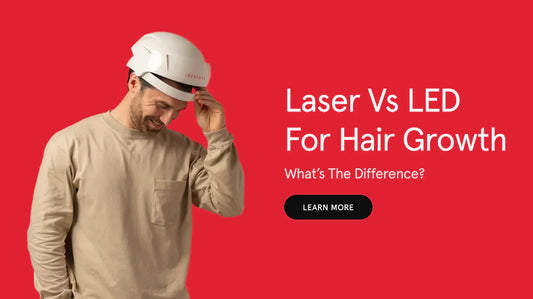
Laser vs LED for Hair Growth: What’s the Difference?
Light-based therapies have quickly become one of the most talked about options in modern hair care. By using safe, low-level red light, these devices work beneath the surface of the scalp to energize follicles and support natural growth. They offer a non-invasive approach that fits easily into daily routines, making them appealing to both men and women looking to improve hair density. But within this category, one debate stands out: Laser vs LED: which technology is better for hair growth? Both use red light to target the scalp, yet they work in different ways and offer unique benefits. Lasers are known for their precision, while LEDs provide wider coverage and comfort. For someone exploring hair growth solutions, understanding the difference can help in choosing the right device. Lasers vs LEDs: How They Differ Both lasers and LEDs use red light to stimulate hair follicles, but they deliver it in different ways. Understanding how each works can help you see their strengths and limitations. Laser Hair Growth Devices use narrow, concentrated beams of light. Because the light is focused, it penetrates deeper into the scalp and targets hair follicles with precision. This makes lasers effective for stimulating regrowth in specific areas. However, lasers typically cover a smaller section of the scalp at a time, which means longer sessions or fewer follicles treated per use. They also tend to be more expensive because of their medical-grade design. LED Hair Growth Devices, on the other hand, spread light over a wider area. The beams are less concentrated but cover more of the scalp in one session. This broader exposure can be especially convenient for at-home users since it requires less effort and saves time. LEDs are also generally more affordable and comfortable, making them a practical choice for everyday routines. The trade-off is that they may not penetrate quite as deeply as lasers, so results often rely on consistent long-term use. Feature Laser Devices (LLLT) LED Devices Light Focus Narrow, concentrated beams Broad, diffused beams Coverage Area Targets small sections at a time Covers larger areas of the scalp Penetration Deeper, more precise Shallower, gentler Effectiveness Strong, clinically proven Proven with consistent long-term use Ease of Use Longer sessions, less convenient Hands-free, comfortable for daily use Cost Higher, medical-grade pricing More affordable and accessible Best For Targeted regrowth in specific areas Everyday at-home convenience How Light Therapy Works for Hair Growth Red light therapy, also known as low-level light therapy (LLLT), is built on a simple idea: light can energize your cells. When red light reaches the scalp, it penetrates into the skin and stimulates the hair follicles. This process helps improve blood circulation, increases the delivery of oxygen and nutrients, and “wakes up” follicles that may be inactive. Instead of masking thinning hair, light therapy supports the natural growth cycle. It encourages follicles to remain in the growth phase (anagen) for a longer period, which can lead to thicker, fuller hair over time. The treatment is non-invasive, meaning there are no needles, no drugs, and no surgeries involved. It uses only safe, controlled light that works with your body’s natural processes.. Another key point is that this light is very different from UV rays from the sun. UV can burn or damage skin, while the red light used in hair growth devices is low-level, gentle, and safe for repeated use. With consistent sessions, users often notice reduced shedding and stronger hair density in treated areas. Why Laser and LED Hair Growth Devices Are Safe to Use at Home One of the most common questions people ask about light-based hair growth devices is whether they’re safe. Both lasers and LEDs used for hair restoration fall under low-level light therapy (LLLT), which is non-invasive and gentle. Unlike UV rays from the sun, this type of red light does not burn the skin, damage tissue, or increase cancer risk. Instead, it works with your body’s natural processes to encourage healthier hair growth. From a comfort standpoint, both lasers and LEDs are designed for regular at-home use. Neither produces heat, so there’s no burning or discomfort during a session. The main difference lies in how the light is delivered. Laser devices feel more targeted but cover smaller areas, meaning sessions may take longer. LED devices provide broader coverage, creating a more relaxed and user-friendly experience. For the best results, it’s important to choose FDA-cleared devices and follow usage instructions carefully. Consistency is essential, and moderation is equally important, since using the device as directed ensures reliable performance and long-term comfort. In short, both laser and LED devices are safe and comfortable when properly designed and used as recommended. Getting the Best of Both Lasers and LEDs with iRESTORE When it comes to choosing between lasers and LEDs for hair growth, many people wonder which option will deliver the best results. Instead of forcing you to pick one, iRESTORE combines both technologies into a single device, giving users the benefits of each. By using medical-grade lasers alongside high-quality LEDs, iRESTORE devices are able to deliver the precision of lasers and the broad coverage of LEDs at the same time. The lasers penetrate deeper into the scalp to target follicles with focused energy, while the LEDs bathe larger sections in gentle light to ensure no areas are missed. This combination helps maximize stimulation across the scalp in every session. Safety and comfort are built into the design. The devices are FDA-cleared, meaning they meet rigorous safety standards for at-home use. Sessions are hands-free, non-invasive, and completely pain-free, making it easy to stay consistent, which is the key to seeing thicker, fuller hair over time. Trusted by over 500K customers worldwide, iRESTORE has become one of the most recognized names in at-home hair restoration. It’s an approach designed not only to restore hair but also to restore confidence. Regrow Hair, Regain Confidence with iRESTORE The debate between lasers vs LEDs for hair growth often comes down to precision versus coverage. Lasers deliver focused, deeper light for targeted stimulation, while LEDs spread light more broadly for convenience and comfort. Both can be proven, and both are safe when used as directed. The real difference lies in how each fits your lifestyle and goals. With iRESTORE, you don’t have to choose. By combining lasers and LEDs in one device, iRESTORE provides the benefits of both technologies in a single, easy-to-use system. The result is maximum scalp coverage, safe light delivery, and a treatment that fits seamlessly into your daily routine. Trusted by over 500K customers worldwide, iRESTORE helps users restore not just their hair, but also their confidence. Confidence restored! FAQs Are laser and LED hair growth devices safe to use at home? Yes. Both lasers and LEDs fall under low-level light therapy (LLLT), which is non-invasive, gentle, and FDA-cleared in reputable devices. They do not emit harmful UV rays, cause burns, or damage tissue when used as directed. Which works better for hair growth: lasers or LEDs? Both are clinically proven, but they work in slightly different ways. Lasers penetrate deeper with precision, while LEDs provide broader, gentler coverage. Results often depend on consistency of use. How long does it take to see results from light therapy devices? Most users notice reduced shedding and early signs of regrowth in 3 to 6 months, with continued improvements over time when used consistently. How does iRESTORE combine lasers and LEDs? iRESTORE devices use medical-grade lasers for precision and high-quality LEDs for broad coverage. This dual approach ensures maximum scalp stimulation in every session. Can iRESTORE work for both men and women? Yes. iRESTORE is FDA-cleared to treat genetic hair loss (androgenetic alopecia) in both men and women, supporting fuller, healthier hair growth. Disclaimer: The iRESTORE blog is for informational purposes only and is not intended to replace professional medical advice or treatment. Please do not ignore professional guidance because of information you’ve read here. If you have concerns about your hair or skin health, we encourage you to consult a qualified healthcare professional.
Read More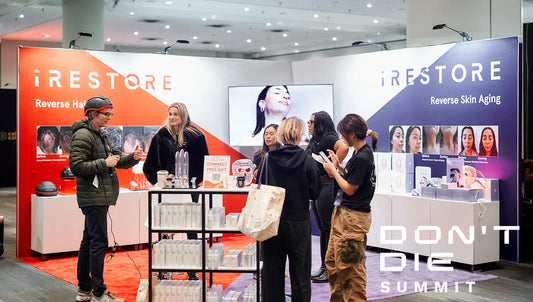
Red Light Therapy for Longevity: iRESTORE Joins Bryan Johnson at the Don’t Die Summit
We couldn’t be more excited to share that iRESTORE is partnering with the Don’t Die Summit, a groundbreaking event led by Bryan Johnson. Known for his work in biohacking and longevity, Bryan is bringing together the brightest minds in health, wellness, and cutting-edge science.
Read More
5 Most Common Hair Loss Triggers (And How To Prevent It Now)
By now, you know that our goal at iRESTORE is to help you with your hair growth journey. And through our products, we strive to be your go-to for your hair growth needs. However, it’s equally as important for you to know some things that can cause you to lose your hair. It’s normal to lose strands of hair daily. But if you’re noticing any sudden, major changes with your hair loss, there could be some deeper issues that you may want to address to prevent further damage. There are many reasons why you might be seeing sudden hair loss, but we’re going to focus on some of the most common causes. Certain causes of hair loss are uncontrollable, and some can be handled personally, while others may require you to seek professional assistance. 1. Stress We’ve unfortunately all been here! Life sometimes gets the best of us and we have to maneuver through tough times. And although we don’t intend for it to happen, it’s important to understand the effects stress can have on our hair. Stress can cause inflammation, which can lead to hair loss, and traumatic events like an accident, illness or emotional shock can jumpstart the issue. According to Mayo Clinic, there are three types of hair loss that can be related to high-stress levels: telogen effluvium, trichotillomania, and alopecia areata. Telogen effluvium occurs when stress pushes large amounts of hair follicles into a resting phase leading to potential, sudden hair loss within a few months. Trichotillomania is an urge to pull out hair from your scalp or other areas of your body. For many, hair pulling can be a method used to deal with stress, loneliness, boredom, or frustration. Alopecia areata happens when the body’s immune system attacks the hair follicles, resulting in hair loss. The good news here is that stress and hair loss don’t have to be permanent if steps are taken to manage your stress. So, if you notice sudden or patchy hair loss or more than usual hair loss when combing or washing your hair, talk to your doctor to ensure you don’t have a medical condition that requires treatment. 2. Poor Nutrition I know your parents always told you to eat your greens! A lot can fall under the poor nutrition category like not eating enough, following a restrictive diet, and not getting enough hearty, healthy foods. Dramatically restricting your calorie intake means that you aren’t getting enough essential nutrients, like protein. If continued over a period of time, this can lead to the condition discussed above, telogen effluvium. The good news here is that adopting a healthier lifestyle can reverse this type of hair loss and your hair can grow back. At iRESTORE, we specialize in hair, but these suggestions are, of course, valid for your overall health. Be sure to eat a combination of vitamin-rich foods like fruits, vegetables, and healthy whole grains. 3. Genetics Some people will see hair loss thanks to their parents, and their parents, and so on. Thanks, mom and dad! Heredity is one of the most common causes of hair loss and the gene can come from either the mother’s or father’s side, although you’re more likely to be affected if both parents had hair loss. Makes sense but it doesn’t seem fair! To be sure, a scalp biopsy can show if your hair follicles have been replaced with smaller follicles. If so, it’s a safe determinant of hereditary hair loss. 4. Prescription Drugs Although essential for many people, it’s pivotal to note that certain prescription drugs can potentially lead to hair loss. Just to name a few, some people have seen hair loss when using certain antidepressants and high blood pressure medicines. If you are starting to see sudden loss after taking prescribed medication, consult with your doctor, as there might be alternative medications that you can switch to. You can also add our delicious Biotin Vitamin Gummies to your daily healthy routine when taking other prescriptions. Made with natural ingredients, our vitamins are made to nourish your hair and help restore your hair to its former health. 5. Using Poor Quality Hair Care You want to hold on to your precious locks, so why not provide your hair with the best products? Certain hair products can contain low-grade oils and other ingredients that clog your hair follicles, causing strands to fall out. So, invest in some quality products like our Thickening Duo. Our duo revitalizes hair follicles and moisturizes dry scalp and repairs damaged hair. It is professionally formulated to infuse nutrients into every strand and repairs dry, brittle hair. And our iRESTORE Elite, Professional and Essential are clinically proven and FDA-cleared methods of low-level red light therapy used to combat hair loss and thinning. When it comes to poor-quality products, chemicals obviously fall right in line. While many of us love that extra splash of color, it isn’t always the best idea for everyone. Hair straighteners, relaxers, and other powerful treatments can quite literally burn your hair. So, the next time you are looking for a change, consult with your hairdresser on ways to get the look you’re going for while avoiding damaging treatments. Overall These five reasons are some of the most common causes for hair loss but PLEASE do some additional research if you think that you might be personally experiencing loss due to a different, specific reason, and be confident in knowing that there are often ways to get help.
Read More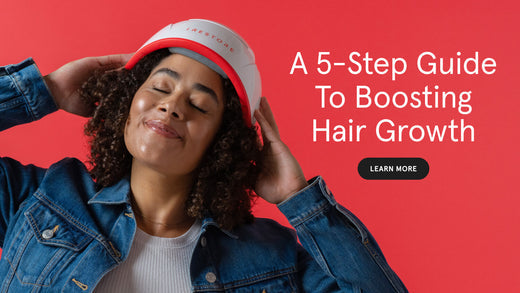
A 5-Step Guide To Boosting Hair Growth
Are you struggling with slow hair growth? Do you want to have longer, thicker, and healthier hair? If so, you’re not alone. Many people wish they could grow their hair faster, but unfortunately, there is no magic solution for hair growth. However, there are some things you can do to promote hair growth and improve the health of your hair. In this blog post, we’ll share 5 hair tips for boosting hair growth. 5 Hair Growth Tips 1. Practice good hair care Good hair care is essential for healthy hair growth. This includes washing your hair regularly, using a gentle shampoo and conditioner, and avoiding tight hairstyles that can pull on your hair. It’s also important to use a wide-tooth comb or a brush with soft bristles to avoid damaging your hair. 2. Use hair growth products Many hair growth products are available in the market that claim to promote hair growth. Some of our top-selling products include Thickening Shampoos, Conditioners, and supplements, such as our high-quality Biotin Vitamin Gummies! These products often contain ingredients such as biotin, keratin, and collagen that can help strengthen your hair and promote hair growth. Don’t forget to check out our Low-Level Laser Therapy Devices. 3. Maintain a healthy hairstyle Heat styling tools such as flat irons, curling irons, and hairdryers can damage your hair and lead to breakage. Heat can cause your hair to become dry, brittle, and more prone to breakage. If you must use heat styling tools, use them sparingly, and make sure to apply a heat protectant spray to your hair before using them. 4. Nutrition is crucial to your health Your diet has a significant impact on your hair growth. Eating a balanced diet with plenty of protein, vitamins, and minerals can help your hair grow faster and stronger. Foods that are rich in protein include eggs, chicken, fish, and legumes. For healthy hair growth, vitamins like vitamin D, C, and E, as well as minerals like zinc and iron, are essential. 5. Massage your scalp Massaging your scalp can help improve blood flow to your hair follicles, which can promote hair growth. You can do this by using your fingertips to massage your scalp in a circular motion for a few minutes each day. You can also use a scalp massager or a hairbrush with soft bristles to massage your scalp. While there is no magic solution for hair growth, following these tips can help promote healthy hair growth and improve the health of your hair. Remember that healthy hair takes time and patience, but with the right care and attention, you can achieve your hair growth goals. Curious if iRESTORE will work for you. Take this hair loss quiz and receive a free consultation. In conclusion, these are 5 hair tips for boosting hair growth. Hair loss happens to us all, but you can reduce your hair loss with the right treatments, hair care routine, and hair products. Your hair will have everything it needs to reach your hair goals. If you want to try out some new anti-hair loss products, check out iRESTORE! Join us on Facebook Groups for more hair loss tips. https://t.jo.my/irestore–fb–group
Read More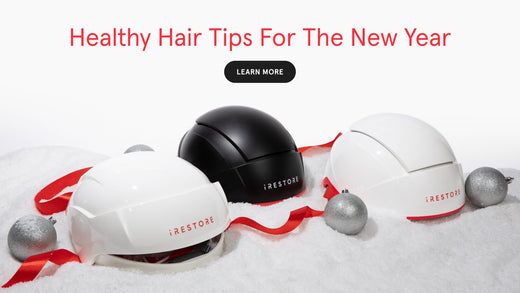
Healthy Hair Tips For The New Year
We want you to achieve your hair goals consistently throughout the year. We're here to help. If you have no idea where to begin, we've got you covered!
Read More
iRESTORE The Solution For Hair Growth
It's our goal to provide you with honest information, and thousands of success stories, about what makes iRESTORE stand out.
Read More
Biotin: Everything You Need To Know
Biotin helps create thick and shiny hair to boost your hair's health and give it vital nutrients. Here's how biotin can help you reach your hair goals!
Read More