

Alopecia areata is an autoimmune condition in which the immune system attacks hair follicles, causing sudden, patchy hair loss. It is different from androgenetic alopecia, a genetic and androgen-related condition that usually causes gradual pattern hair loss.
This guide explains the signs, possible causes, diagnosis, regrowth, and treatment of alopecia areata. For a broader overview of other conditions, visit What Causes Hair Loss?
What Is Alopecia Areata?
Alopecia areata is an autoimmune disease that can cause hair loss on the scalp, face, or body. It develops when the immune system mistakenly attacks the hair follicles and interrupts normal hair growth. Because it is a non-scarring form of hair loss, affected follicles usually remain capable of producing hair.
The condition can affect people of any age, sex, race, or ethnicity. It is not contagious. Its extent and long-term course vary widely between individuals.
What Are the Main Forms of Alopecia Areata?
Alopecia areata can appear in several forms or clinical patterns:
-
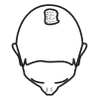
Patchy alopecia areata: The most common form causes one or more round or oval areas of hair loss on the scalp or body.
-
Alopecia totalis: All or nearly all hair is lost from the scalp.
-
Alopecia universalis: All or nearly all hair is lost from the scalp, face, and body.
-
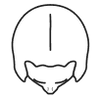
Diffuse alopecia areata: Hair thins more widely across the scalp instead of falling out in distinct patches.
-
Ophiasis-pattern alopecia areata: Hair loss forms a band around the sides and lower back of the scalp.
NIAMS identifies patchy alopecia areata, alopecia totalis, and alopecia universalis as the three main types. Clinicians also use terms such as diffuse and ophiasis-pattern alopecia areata to describe other patterns of hair loss, as explained by the National Alopecia Areata Foundation.
What Are the Symptoms of Alopecia Areata?
The most recognizable symptom of alopecia areata is the sudden appearance of one or more smooth, round or oval areas of hair loss.
These patches commonly develop on the scalp or beard, but the condition can also affect the eyebrows, eyelashes, nostril hair, and other body hair.
Other possible signs include:
-
Short, broken “exclamation-point” hairs that narrow near the scalp
-
A band of hair loss along the back and sides of the scalp
-
Itching, tingling, or burning before or during hair loss
-
Eye irritation after the loss of eyebrows or eyelashes
-
Tiny nail dents, lengthwise ridges, roughness, splitting, or brittleness
The exposed skin usually appears smooth without a rash, swelling, or scarring. The American Academy of Dermatology reports that approximately 10% to 20% of people with alopecia areata develop nail changes.
These signs can suggest alopecia areata, but they cannot confirm it. Other conditions can cause patchy hair loss, so sudden or unexplained hair loss should be evaluated by a dermatologist.
What Causes Alopecia Areata?
Researchers have not identified one exact cause of alopecia areata. The condition develops through a combination of immune, genetic, and environmental factors. Immune cells mistakenly target susceptible hair follicles, causing inflammation that interrupts normal hair production.
Genetics can affect susceptibility, but alopecia areata does not follow a simple inheritance pattern. Having a close relative with the condition may increase your likelihood of developing it. However, many people with alopecia areata have no family history.
Some health conditions are also associated with a higher likelihood of alopecia areata. These include autoimmune thyroid disease, psoriasis, vitiligo, and allergic conditions such as eczema and hay fever.
An association does not mean that one condition directly causes the other. Many people with alopecia areata are otherwise healthy. .
Can Stress Trigger Alopecia Areata?
Stress is not the underlying cause of alopecia areata. The condition develops through autoimmune activity in people with biological susceptibility.
Emotional stress or illness may precede hair loss in some people. However, most cases have no identifiable trigger.
How Is Alopecia Areata Diagnosed?
A dermatologist can often diagnose alopecia areata by examining the areas of hair loss, nearby hairs, follicle openings, and nails. They will also ask when the hair loss began, how it has progressed, and whether you or a close relative has a history of alopecia areata or another autoimmune condition.
A handheld magnifying device called a dermatoscope may provide a closer view of the scalp and hair follicles. If the pattern is unclear, the dermatologist may remove a few hairs or take a small skin sample for examination under a microscope.
Blood tests are not required in every case. A dermatologist may order them when your medical history or other symptoms suggest thyroid disease, iron deficiency, a nutritional deficiency, or another possible cause of hair loss.
Alopecia Areata vs. Androgenetic Alopecia: Why the Difference Matters
Alopecia areata and androgenetic alopecia are both non-scarring forms of hair loss, but they have different causes, patterns, and treatment approaches. Alopecia areata involves autoimmune activity and often develops suddenly.
Androgenetic alopecia is influenced by genetic and androgen-related factors, and it usually progresses gradually.
|
Feature |
Alopecia areata |
Androgenetic alopecia |
|
Underlying process |
Autoimmune |
Genetic and androgen-related |
|
Typical onset |
Often sudden |
Usually gradual |
|
Common pattern |
Smooth, distinct patches |
Progressive patterned thinning |
|
Areas affected |
Scalp, beard, eyebrows, eyelashes, or body |
Primarily the scalp |
|
Common scalp changes |
One or more clearly defined patches |
Receding hairline, crown thinning, or widening part |
|
Treatment approach |
Dermatologist-directed treatment for autoimmune hair loss |
Treatments intended for pattern hair loss |
|
iRESTORE clearance |
iRESTORE hair systems are not cleared for this condition |
iRESTORE hair systems are FDA-cleared for androgenetic alopecia within their labeled indications |
Where iRESTORE Fits?
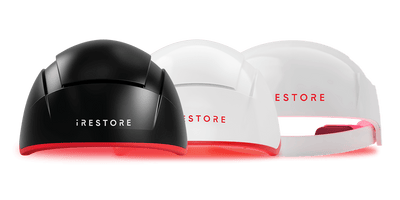
Gradual crown thinning, a widening part, or a receding hairline may suggest androgenetic alopecia rather than alopecia areata. Our explains the condition, its common patterns, and where iRESTORE devices fit.
Gradual crown thinning, a widening part, or a receding hairline may suggest androgenetic alopecia rather than alopecia areata. Our guide to androgenetic alopecia explains the condition, its common patterns, and where iRESTORE hair systems fit.
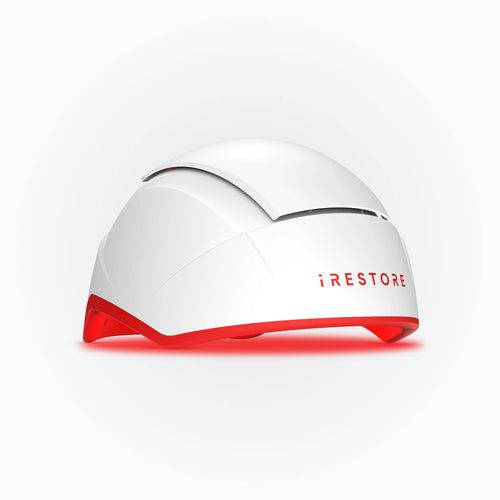
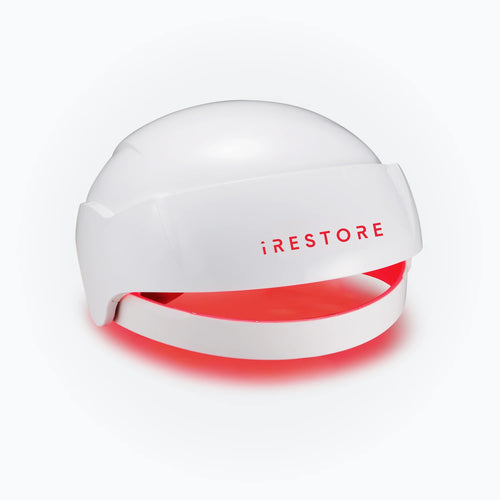
For general information, visit the iRESTORE Hair Hub. iRESTORE hair systems are FDA-cleared for androgenetic alopecia within their labeled indications. They are not FDA-cleared to treat alopecia areata.
What Can You Expect From Alopecia Areata Regrowth?
Alopecia areata regrowth can occur without treatment because the condition does not usually destroy the follicles. However, no one can reliably predict when hair will return, how complete the regrowth will be, or whether another episode will occur.
Regrowth is generally more likely when hair loss affects only a few limited patches. Hair may return within a few months. Regrowing hair may initially appear white or gray and may later regain its previous color. Some people develop new patches while hair is regrowing in another area.
The long-term course varies. Some people experience one episode, while others have repeated periods of loss and regrowth.
More extensive hair loss, early onset, nail changes, and a family history of alopecia areata may be associated with a less favorable prognosis. These factors cannot predict an individual outcome with certainty.
Treatment may promote regrowth for some people, but it cannot guarantee a permanent result or prevent recurrence.
What Treatment Options Are Available?
No single alopecia areata treatment works for everyone. A dermatologist may consider age, the extent and location of hair loss, its duration, previous treatments, overall health, and its effect on daily life.
Some people with limited patches may choose to monitor the condition for spontaneous regrowth.
Treatment for Limited Patchy Hair Loss
Corticosteroids help suppress the inflammation affecting the hair follicles. A dermatologist may inject corticosteroids into individual patches or prescribe a topical form. Injections are often considered for adults with a small number of patches, while topical corticosteroids may be used for children or people who cannot tolerate injections.
Other options may include anthralin. Minoxidil may sometimes be used to support regrowth, but it does not address the autoimmune process behind alopecia areata.
Treatment for Extensive or Severe Alopecia Areata
Contact immunotherapy may be considered when hair loss is extensive. A dermatologist applies a substance to the affected skin to produce a controlled allergic reaction that is intended to redirect the local immune response. This treatment requires regular clinical visits and medical supervision.
The U.S. Food and Drug Administration has approved three oral Janus kinase, or JAK, inhibitors for certain people with severe alopecia areata:
-
Baricitinib: Adults with severe alopecia areata
-
Ritlecitinib: Adults and adolescents aged 12 years and older with severe alopecia areata
-
Deuruxolitinib: Adults with severe alopecia areata
JAK inhibitors block specific signaling pathways involved in the immune response associated with alopecia areata. These medications can cause serious adverse effects and require an individualized assessment of risks, medical history, drug interactions, and monitoring needs. They are not appropriate for every person.
The American Academy of Dermatology provides an overview of current treatment options.
Supportive Care During Hair Loss
Sunscreen or a head covering can protect exposed scalp skin. Glasses may help protect the eyes when eyebrow or eyelash loss reduces their natural protection from sunlight and debris.
Wigs, hairpieces, artificial eyebrows, and cosmetic products can help people manage visible changes if they choose.
When to See a Dermatologist?
Schedule a dermatology evaluation if you notice sudden, patchy, or otherwise unexplained hair loss. Early evaluation can confirm the type of hair loss and identify an appropriate treatment approach.
Seek professional care if:
-
Hair loss develops rapidly or new patches continue to appear
-
Hair loss affects your eyebrows, eyelashes, beard, or body
-
You notice nail changes alongside hair loss
-
Your scalp becomes painful, inflamed, scaly, or scarred
-
You want support managing the practical effects of visible hair loss
An evaluation does not guarantee faster or complete regrowth. It can establish a diagnosis, document the extent of hair loss, and help you review appropriate options.
Treatment decisions may depend on age, affected areas, duration, severity, medical history, and personal preferences.
Key Takeaways
|
Frequently Asked Questions
Q1. Does shaving your head help alopecia areata grow back?
A1. No. Shaving cuts the visible hair shaft but does not alter the follicle or the autoimmune activity involved in alopecia areata. Some people shave their remaining hair for cosmetic or practical reasons.
Q2. Can alopecia areata and androgenetic alopecia occur together?
A2. Yes. Alopecia areata and androgenetic alopecia have different underlying processes, so one diagnosis does not exclude the other. A dermatologist can assess the pattern and characteristics of the hair loss to determine whether more than one condition may be present.
Q3. Can diet or vitamin deficiencies cause alopecia areata?
A3. Alopecia areata is an autoimmune condition, not a nutritional-deficiency disorder. However, nutrient deficiencies can contribute to other forms of hair loss. A dermatologist may order selective blood tests when symptoms or medical history suggest another cause.
Q4. Can red light therapy treat alopecia areata?
A4. Clinical evidence for low-level light therapy primarily concerns androgenetic alopecia, or pattern hair loss. iRESTORE hair systems combine lasers and LEDs under Lumitech™ and are not FDA-cleared to treat alopecia areata.
Disclaimer: This article is for informational purposes only and is not a substitute for diagnosis or treatment by a qualified healthcare professional. Consult a dermatologist about sudden, patchy, or otherwise unexplained hair loss.