

If you have been through a stressful period and started seeing extra hair in the shower or on your pillow, it is fair to ask:
“Is hair loss from stress reversible?”
In most cases, yes. Stress can cause hair loss, usually in the form of telogen effluvium, where more hairs than usual leave the active growth (anagen) phase and enter the resting (telogen) phase together. This leads to increased daily shedding a few months after a major shock or period of overload. Telogen effluvium is one of the most common causes of hair loss related to stress and is generally considered a temporary, self-limiting condition once the trigger settles and the body recovers.
Both short, intense events like illness, surgery, childbirth, or a major life change and long-term stress such as burnout, caregiving strain, or chronic sleep disruption can contribute to this shift. Because the follicles usually remain healthy, hair loss from stress often grows back once stress is reduced and overall health is supported.
Why Does Stress Cause Hair Loss?
To understand why stress causes hair loss, you have to look at the hair growth cycle. Each strand moves through:
-
Anagen: active growth
-
Telogen: resting phase before shedding
With telogen effluvium, one of the most common causes of hair loss related to stress described in our guide on how much hair loss is normal and when to worry, a major physical or emotional stressor pushes more hairs than usual out of growth and into the resting phase at the same time. A few months later, those resting hairs shed together, which is why you suddenly see more hair fall even after the stressful event has passed.
Stress hormones, low-grade inflammation, and nutrient shifts all play a role in this process. The good news is that the follicles are usually still alive, which is why hair loss from stress is often temporary once the trigger settles and your body finds its balance again.
Types of Hair Loss Linked to Stress
Stress doesn’t cause just one kind of shedding. It can affect the hair cycle in a few different ways, and knowing which pattern you match helps you understand what to expect and when to get help.
Telogen Effluvium (Most Common and Usually Reversible)
This is the classic stress hair loss pattern and the one most people mean when they ask, “Can stress cause hair loss?”
-
A major physical or emotional stressor (illness, surgery, childbirth, crash dieting, burnout) pushes more hairs than usual into the telogen or resting phase.
-
A few months later, you see diffuse shedding across the scalp, a smaller ponytail, or a wider part.
-
The follicles themselves stay intact, which is why hair loss from stress often grows back once the trigger eases and your health is supported.
Trichotillomania (Hair Pulling Linked to Stress and Anxiety)
Here, stress and anxiety show up as a compulsive urge to pull out hair, often from the scalp, brows, or lashes.
-
Hair loss looks patchy or uneven, with broken hairs of different lengths.
-
The issue is not the hair cycle itself but the repeated pulling.
-
Regrowth depends on reducing or stopping the behavior and on how long the pulling has been happening. Support from a mental health professional is often helpful.
Alopecia Areata (Stress-Associated Autoimmune Flares)
Severe or ongoing stress does not directly “cause” alopecia areata, but it can trigger or worsen flare-ups in people who are already prone to it.
-
Hair loss appears as round or oval smooth bald patches, not overall thinning.
-
This is very different from a typical female stress hair loss pattern or diffuse telogen effluvium.
-
Medical evaluation is important here. Some regrowth can happen on its own, but treatment decisions should be made with a dermatologist.
Symptoms of Hair Loss Due to Stress (What Stress Hair Loss Looks Like)
Stress-related shedding has a recognizable pattern. Instead of one bald spot or a receding hairline, hair loss from stress usually looks like even, all-over thinning. Here are the most common signs:
-
More hair in the shower, on your brush, or on your pillow
Many people notice a sudden jump in daily shedding, sometimes double or triple what they are used to. This often appears 2–3 months after the stressful event, which is why it can feel “out of nowhere.”
-
Thinning across the entire scalp, not just one area
Unlike pattern thinning, stress shedding does not target a specific region. If you are only seeing thinning at the top or crown, overlapping factors may be present, similar to what we explain in our guide on crown-focused hair thinning.
-
A smaller ponytail or wider part
Because more hairs enter the resting phase at once, changes in density are most noticeable when tying your hair or looking at your part. In stress shedding, the individual hairs are not shrinking; they are simply shedding earlier than they should.
-
Shedding that began after a stressful event
Illness, surgery, emotional shock, rapid weight changes, disrupted sleep, or burnout can all trigger shedding. Recognizing this timeline helps separate stress-related shedding from long-term, chronic causes.
Female Stress Hair Loss Pattern
In many women, stress hair loss appears as:
-
Diffuse thinning over the top and crown of the head
-
A ponytail that feels noticeably thinner
-
A part line that looks wider in photos or strong lighting
In stress-related shedding, individual hairs are not necessarily shrinking; more of them are simply shedding at the same time. However, stress can also unmask early genetic thinning, so a widening part can be a mix of stress and underlying pattern hair loss.
Is Hair Loss from Stress Reversible?
In most cases, yes, hair loss from stress is reversible.
When stress triggers telogen effluvium, more hairs than usual shift into the resting and shedding phase, but the follicles themselves usually stay healthy. That is why, for many people, the honest answer to “does hair loss from stress grow back?” is yes, as long as the trigger is addressed and overall health is supported.
Shedding often:
-
Increases for a few weeks
-
Then slowly settles as your body recovers
Is followed by short “baby hairs” and gradual improvement in fullness over the next 3–6 months
For some, it can take 6–12 months to feel close to their previous density, especially if stress was severe or long lasting.
What Can Affect Reversibility?
Several factors influence how quickly how to regain hair loss from stress works for you:
-
Ongoing or repeated stressors
If intense stress, burnout, or poor sleep continue, follicles may stay in the resting phase longer and shedding can drag on.
-
Underlying health issues
Thyroid imbalances, anemia, hormonal changes, postpartum shifts, or nutritional gaps can slow regrowth. These are worth discussing with a doctor if shedding is persistent.
-
Scalp health
Inflammation, buildup, or irritation can make it harder for new hairs to grow well, even when stress improves.
-
Genetic tendency to thinning
Stress can unmask early pattern hair loss. In that case, shedding may improve, but density might not fully return to its previous baseline without additional treatment.
Even when progress is slow, supporting your body, reducing stress where possible, and using gentle, consistent hair care all improve the odds that stress-related hair loss moves in the right direction over time.
How to Regain Hair Loss from Stress
Stress-related shedding improves when you support both your body and your follicles. Here’s a clear, actionable plan for how to regain hair loss from stress, written to be easy to follow and grounded in healthy hair fundamentals.
1. Address the Root Cause of Stress:
Your hair can only recover once the underlying stressor eases. This might include taking time off after illness or surgery, setting healthier boundaries at work, adjusting an overloaded schedule, or seeking support for emotional stress. Chronic pressure can keep follicles in the resting phase longer, which is why reducing the stress load is the most important first step.
2. Support Your Body with Nutrition & Key Nutrients:
Hair needs a steady supply of nutrients to stay in the growth (anagen) phase.
Focus on:
-
Sufficient protein
-
Iron and ferritin
-
Vitamin D
-
B vitamins (especially B12 and folate)
-
Zinc and omega-3s
3. Switch to Gentle Hair & Scalp Care
A stressed scalp does best with a gentle routine:
-
Avoid harsh chemicals, relaxers, or frequent bleaching
-
Limit tight hairstyles that pull at the roots
-
Use mild, hydrating shampoos and conditioners
-
Be extra gentle when detangling wet hair
-
Reduce heat styling or use lower temperatures
4. Use Evidence-Based Hair Growth Treatments
Medical treatments and supportive therapies can help move follicles back into the growth phase:
-
Topical minoxidil, when recommended by a doctor
-
Low-level light therapy (LLLT), a non-invasive option supported by clinical research
-
Scalp massages to improve circulation
-
Addressing buildup or scalp inflammation
5. Build a Stress-Calming Routine:
Hair recovers best when the body feels safe and stable. Gentle, repeatable habits make a bigger impact than occasional intense efforts:
-
Consistent sleep schedule
-
Daily movement (walking counts)
-
Breathwork or meditation
-
Journaling or therapy
-
Managing caffeine/alcohol intake where helpful
6. Track Progress and Be Patient:
Photos every 4–6 weeks are the best way to see improvement, since daily changes are too subtle to notice. Look for:
-
Short baby hairs along the hairline or crown
-
Less shedding over time
-
Slightly improved fullness or lift at the roots
How iRESTORE and Red Light Therapy Support Hair Regrowth After Stress
Once you are working on stress, sleep, and nutrition, red light therapy for hair shedding can be a helpful way to support follicles as they move back into the growth phase.
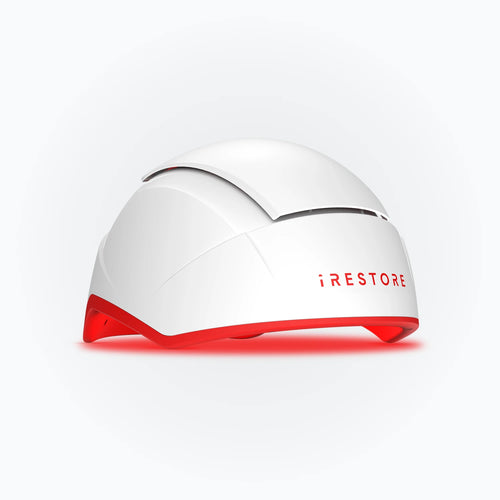
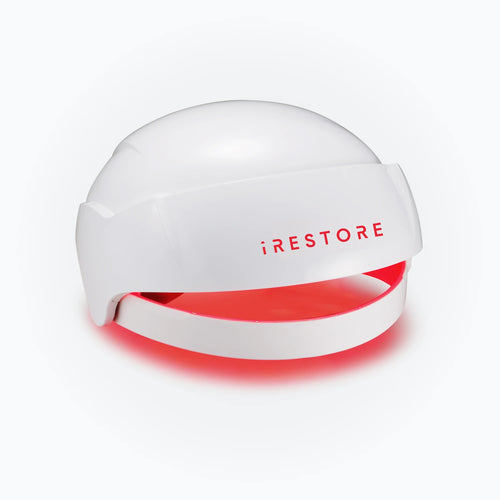
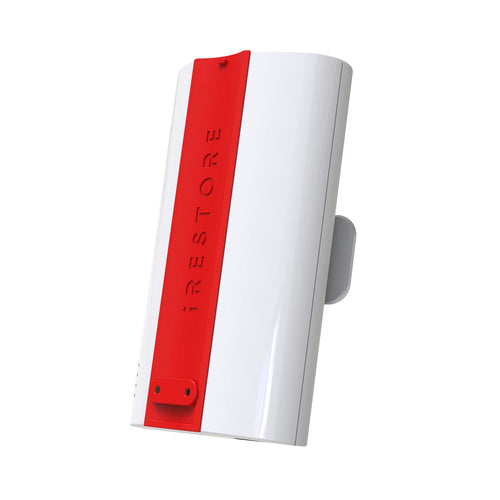
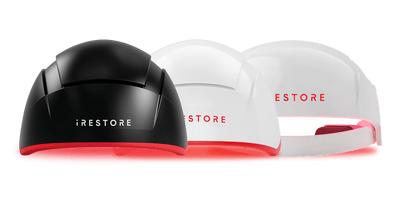
Low-level light therapy (LLLT), like the technology used in the iRESTORE Hair Growth System, uses specific wavelengths of red light to:
-
Support blood flow around the hair follicle
-
Boost cellular energy inside follicle cells
-
Help more hairs stay in or return to the anagen (growth) phase
This makes LLLT a useful add-on when you are trying to regain hair loss from stress, especially in cases of telogen effluvium where follicles are still alive but “paused.”
How LLLT Helps During Stress Recovery
During stress-induced shedding, hairs are pushed into the resting phase earlier than usual, but the follicles are not typically scarred or destroyed. Red light therapy can:
-
Encourage resting follicles to re-enter growth more efficiently
-
Support a healthier scalp environment by improving circulation
-
Promote thicker, stronger regrowth over time
These effects are gradual, which is why consistency matters.
Using iRESTORE for Best Results
To get the most from iRESTORE during recovery from stress-related hair loss:
-
Follow the recommended usage schedule for your device, a few sessions per week
-
Stay consistent, since red light effects build slowly over weeks and months
-
Combine LLLT with gentle hair care, balanced nutrition, and better sleep
-
Give it at least 3 to 6 months to fairly judge changes in shedding, density, and texture
Red light therapy does not replace the need to manage stress or treat medical issues, but it can be a reliable, non-invasive tool that supports follicles while the rest of your routine helps your body reset.

Conclusion
Most people experiencing stress-related shedding recover fully not because of luck, but because the follicles themselves remain healthy and capable of restarting the growth cycle once the stress load eases. When supported with better sleep, nutrient balance, gentle scalp care, steady routines, and treatments like LLLT, is hair loss from stress reversible becomes more than a question it becomes your expected outcome.
iRESTORE Hair Growth System fits into that recovery process as a supportive, non-invasive tool designed to help follicles transition out of the resting phase and back into active growth. When paired with lifestyle changes and consistency, it becomes a reliable part of a long-term hair health routine.
FAQs About Stress and Hair Loss
1. Will my hair grow back after stress-related shedding?
Yes in most cases does hair loss from stress grow back, because the follicles remain alive and capable of re-entering the growth phase once the stress trigger improves.
2. How do I know if stress or hormones are causing my shedding?
Stress shedding is diffuse and sudden, while hormonal or pattern thinning often follows a crown or hairline pattern similar to what we outline in crown thinning.
3. Can I use iRESTORE with other treatments?
Low-level light therapy pairs well with topical treatments, scalp care routines, and approaches like scalp massage.
Disclaimer: The iRESTORE blog is for informational purposes only and is not intended to replace professional medical advice or treatment. Please do not ignore professional guidance because of information you’ve read here. If you have concerns about your hair or skin health, we encourage you to consult a qualified healthcare professional.