

Noticing your scalp through your hair can be concerning, especially if it happens suddenly or under bright lighting. Many people experience this at some point, particularly after washing their hair or when their hair is parted in a certain way.
This often leads to a common question: is visible scalp normal, or does it indicate early hair thinning?In many cases, some scalp visibility is completely normal and does not mean you are losing hair.
The key is understanding what level of visibility is expected and when it may signal a change in hair density. With the right information, you can better assess whether any action is needed or if there is no cause for concern.
When Seeing Your Scalp Is Normal vs. Not?
Seeing your scalp can feel alarming, but it is often harmless. Hair type, lighting, and styling all affect how much scalp shows. What matters most is whether anything has changed over time.
What’s Considered Normal Scalp Visibility?
Some scalp visibility is part of normal hair. Fine hair, straight hair, or low density hair often shows more scalp. This is especially true under bathroom lights or direct sunlight.
You may also notice more scalp when your hair is wet. Wet strands stick together and lie flat. Once your hair dries, volume usually returns. If this pattern has stayed the same for years, it is likely your natural baseline.
A good way to check is to compare how your hair looks today with older photos. If the amount of visible scalp looks similar, that is a reassuring sign. You can also explore related signs of hair health in this guide on healthy vs unhealthy hair.
Warning Signs of Abnormal Thinning
Changes over time matter more than a single bad hair day. If your part looks wider than it did months ago, thinning may be starting. New areas of visible scalp can also signal a problem.
Another sign is excess shedding. Cleveland clinic notes that most people shed about 50 to 150 hairs per day, which is considered normal. Consistently losing much more than that can point to active thinning.
Family history also plays a role. If close relatives have pattern hair loss and you see increasing scalp visibility, early action can help slow progression.
Common Reasons Your Scalp Is Showing Through
Scalp visibility usually happens because of differences in hair density, hair structure, or temporary changes in the hair growth cycle. In many cases, it does not indicate permanent hair loss, but understanding the underlying reason helps determine whether treatment is needed.
-
Natural hair density and texture:
Hair density varies widely between individuals. People with fewer follicles, finer strands, or flatter hair may see more scalp even when hair is healthy. -
Hair and scalp color contrast:
High contrast, such as dark hair on a lighter scalp, makes the scalp more noticeable under normal lighting, especially along the part. -
Temporary styling and lifestyle factors:
Heavy products, tight hairstyles, and frequent pulling or flattening of hair can separate strands and expose more scalp. -
Short-term shedding and health triggers:
Seasonal shedding, stress, illness, or nutrient deficiencies like low iron or vitamin D can cause temporary thinning that usually reverses once corrected. -
Progressive hair loss conditions:
Conditions such as androgenetic alopecia, alopecia areata, or thyroid disorders can lead to ongoing thinning and increased scalp visibility, particularly at the crown or part, and require medical evaluation.
Why You Can See Your Scalp More Than Before?
You may see your scalp more than before due to gradual changes in hair thickness, growth cycles, or external factors that affect hair coverage over time. These changes are often subtle at first but become noticeable as they accumulate.
-
Age-related thinning:
As you age, individual hair strands often become finer and spend less time in the growth phase, leading to reduced overall coverage. -
Shortened hair growth cycles:
Hair may shed more frequently and regrow more slowly, which can increase scalp visibility even without active hair loss. -
Hair damage from styling and treatments:
Repeated coloring, bleaching, or heat styling can weaken the hair shaft, causing breakage and a thinner appearance. -
Environmental and water-related factors:
Sun exposure and mineral buildup from hard water can dry out hair, weigh it down, and make the scalp more visible. -
Hormonal or medical influences:
Hormonal shifts, certain medications, and conditions like thyroid disorders or PCOS can disrupt hair growth patterns and increase scalp visibility.
How to Tell If It’s Just Your Part or Actual Thinning?
You can tell the difference between a normal hair part and actual thinning by looking for consistent changes over time rather than a single observation. Natural parts tend to remain stable, while thinning shows gradual, measurable shifts.
Quick checklist to assess thinning at home:
-
Compare recent photos with images from one or two years ago taken under similar lighting to see if the part looks wider.
-
Check hair texture along the part; thinning hair often feels finer or shorter near the scalp.
-
Notice how your hair responds to styling; natural parts usually appear fuller with added volume, while thinning areas do not.
-
Observe whether the part width stays consistent or slowly increases over several months.
-
Pay attention to overall strand thickness; healthy hair feels uniform, while thinning hair feels softer and weaker near the roots.
If multiple changes appear gradually rather than suddenly, it may indicate early thinning and is worth monitoring or addressing early.
Can iRESTORE Red Light Therapy Help If I’m Seeing More Scalp?
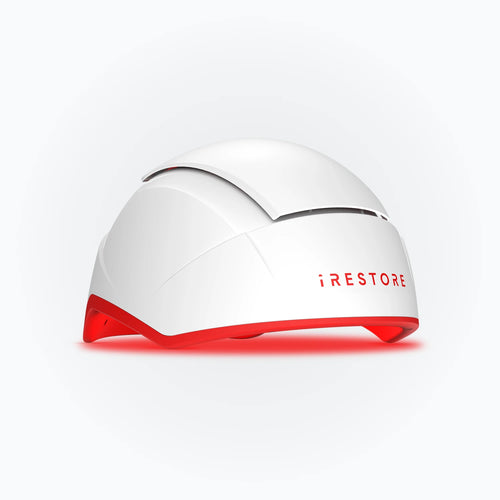
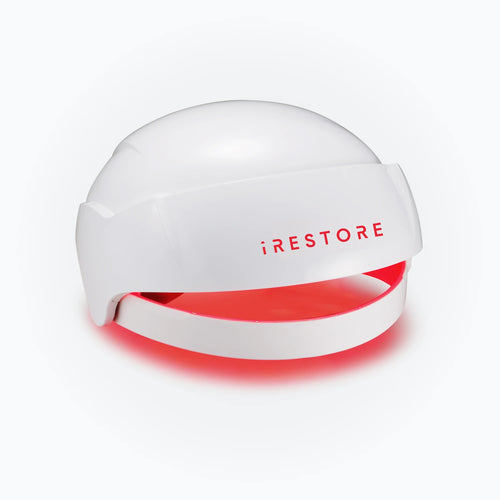
Yes, iRESTORE red light therapy can help when increased scalp visibility is due to early or moderate thinning rather than a cosmetic part. The FDA-cleared technology delivers low-level red light to stimulate still-active follicles, support cellular energy, and improve scalp circulation.
This matters because follicles that are weakened but not inactive respond best to early intervention, which is why noticing scalp changes sooner often leads to better outcomes.
iRESTORE’s approach is built on more than 20 years of laser technology experience and is backed by clinical research conducted under dermatology supervision. In controlled studies, consistent use led to meaningful increases in hair count within a few months, without drugs or surgery.
Today, iRESTORE is trusted by over 600,000 customers worldwide and is frequently recommended by doctors as a non-invasive option for managing thinning and maintaining existing hair.

When to See a Dermatologist?
You should see a dermatologist if scalp visibility is sudden, worsening, or accompanied by other symptoms. Rapid or patchy hair loss, along with pain, burning, itching, or redness on the scalp, often needs medical evaluation because it can indicate inflammation, infection, or autoimmune conditions.
Hair loss that extends beyond the scalp, such as thinning eyebrows or body hair, is also a sign to seek professional help. If noticeable thinning begins soon after starting a new medication or medical treatment, a dermatologist can help identify whether it is the trigger.
Many dermatologists now recommend FDA-cleared red light therapy as a low-risk option, either on its own or alongside other treatments, with usage frequency tailored to the individual cause and stage of hair thinning.
Conclusion
Seeing your scalp through your hair can feel scary, but it is not always a sign of hair loss. For many people, it comes down to hair type, lighting, or normal aging. If the visibility has stayed the same over time, it is often nothing to worry about.
However, progressive changes deserve attention. Widening parts, finer strands, and increased shedding are signals to act early. Early care gives you more options and better outcomes.
If thinning is present, non-invasive solutions now exist. iRESTORE Hair Growth System offers a science-backed way to support hair growth without drugs or surgery. Understanding your hair today helps protect it for the future.
FAQs About Scalp Visibility and Hair Thinning
Is it normal to see my scalp through my hair when it is wet?
Yes. Wet hair clumps together and lies flat, which reduces volume. Once dry, scalp visibility should decrease again.
My hair is so thin I can see my scalp. Am I balding?
Not always. Natural hair density varies. If this look is new or worsening, it may signal early thinning. Comparing older photos helps clarify changes.
Is visible scalp through hair more common in women?
Yes. Visible scalp through hair in females is often noticed along the center part. Also, longer hair can make scalp visibility more noticeable. Female pattern hair loss usually shows as widening parts, not bald patches.
If I can see my scalp under bright lights, am I balding?
Harsh lighting shows more scalp for almost everyone. What matters is whether this look is new compared to past years.
Can stress make my scalp more visible?
Yes. Stress can push hair into a shedding phase months later. This is often temporary, and growth usually returns with time.
How soon can treatments help if thinning is starting?
Results take patience. Hair grows slowly. Many people notice less shedding within weeks, with visible improvement after a few months of consistent care.
Disclaimer: The iRESTORE blog is for informational purposes only and is not intended to replace professional medical advice or treatment. Please do not ignore professional guidance because of information you’ve read here. If you have concerns about your hair or skin health, we encourage you to consult a qualified healthcare professional.