

Choosing between an LED mask and a wand can feel confusing at first. Both promise brighter skin and fewer fine lines. However, they work very differently in real life.
In simple terms, an LED mask treats your whole face at once. An LED wand treats one small spot at a time. This difference affects results, time, and consistency.
You need to learn how each device works, who it suits best, and which one offers better value over time. This will help you make a confident choice between LED face mask vs wand.
What Is an LED Face Mask?
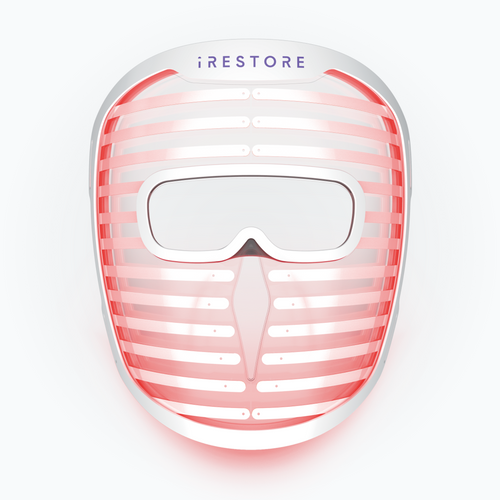
An LED face mask is a wearable device that covers most of your face. It uses red or near-infrared light to support skin repair and collagen production. You wear it for a set time while the light reaches your skin evenly.
Because the mask sits at a fixed distance, every area gets similar exposure. This makes results more consistent over time. Many dermatology clinics use full-face LED panels, and at-home masks follow the same idea at a safer strength.
Red light therapy is widely used for skin health.Most people use an LED mask a few times a week. Since it is hands-free, it fits easily into a normal routine.
What Is an LED Wand?
An LED wand is a handheld device that shines light on a small area. You move it across your face and treat one spot at a time. This makes it popular for quick touch-ups or focused concerns.
However, the results depend heavily on how you use it. You must hold the wand at the right distance and spend equal time on each area. Many people rush or miss spots without realizing it.
Think of it like watering plants with a cup instead of a sprinkler. It works, but it takes longer and requires more effort. For full-face goals like tone or firmness, this approach can feel slow and uneven.
LED Wand vs Mask: Key Differences
The biggest difference between an LED mask and a wand is how much skin they treat at once. A mask covers your full face in one session. A wand treats small areas one by one. This changes both results and effort.
With a mask, you get even light across your skin. With a wand, results depend on how steady and patient you are. Many users miss areas or stop early, which affects progress over time.
Here is a simple comparison to make the difference clear.
|
Feature |
LED Mask |
LED Wand |
|
Coverage |
Full face at once |
One small area at a time |
|
Ease of use |
Hands-free |
Requires manual effort |
|
Time needed |
Short and fixed sessions |
Longer total treatment time |
|
Consistency |
Even exposure |
User-dependent |
|
Best for |
Overall skin health |
Spot treatment |
As consistency matters in light therapy, full-face coverage often leads to better long-term results.
Which One Is Worth Buying?
The right choice depends on your goal and lifestyle. If you want to treat one small spot now and then, a wand can work. However, most people buy LED devices for overall skin tone, firmness, and aging concerns.
For those goals, full-face treatment matters. Studies on red light therapy show that repeated, even exposure helps support collagen activity over time. This process works best when the light reaches the skin consistently.
In real life, many users start strong with a wand but stop using it often. Masks remove that friction. You put it on, press start, and let it work.
Why an LED Mask Is the Better Buy for Most People
Most skincare routines fail because they are hard to maintain. LED masks solve this problem by being simple and predictable. You do not need skill, timing, or precision.
A mask also saves time. Treating your whole face in one session is faster than moving a wand across each area. Over weeks and months, this difference adds up.
For people focused on long-term skin health, masks offer better value. They deliver steady results with less effort. That consistency is why LED masks are often the preferred option for at-home light therapy.
Where iRESTORE Fits In
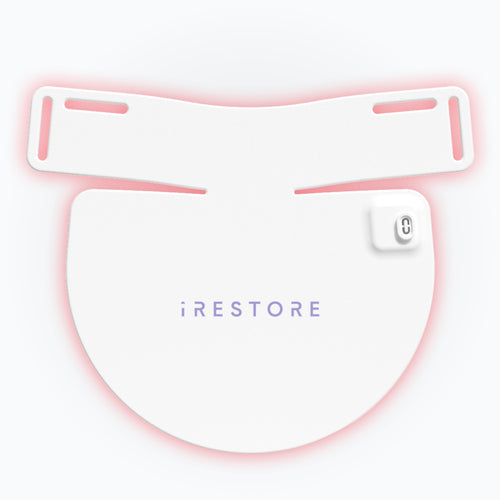
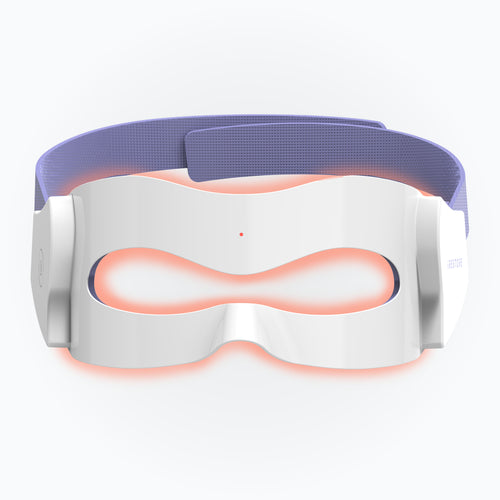
iRESTORE’s LED face mask is designed for people who want simple and consistent results. It delivers red and near-infrared light evenly across the face. This helps remove guesswork from at-home treatments.
Unlike handheld tools, the mask keeps the light at the right distance. This allows each session to deliver the same level of exposure. Over time, this consistency supports visible improvements in skin tone and firmness.
iRESTORE also focuses on comfort and routine-friendly use. You can wear the mask while relaxing, reading, or winding down. Many users have spoken highly about the comfortable and light-weight design of the iRESTORE mask.

How to Use the iRESTORE LED Face Mask
Using the iRESTORE LED face mask is simple. Most users start with short sessions a few times per week. You place the mask on clean skin, start the session, and let it run.
Because the mask treats your whole face at once, sessions stay short and predictable. This helps users stick with the routine long enough to see changes. Many people notice gradual improvements in skin texture and brightness over several weeks.
Patience matters here. LED therapy works through steady use, not instant results.
Conclusion
Choosing between an LED mask and a wand comes down to ease and consistency. Wands can help with small, targeted areas, but they require time and effort. Many users struggle to use them regularly.
An LED mask removes those barriers. It treats your full face in one session and fits easily into daily life. For most people looking for long-term skin benefits, a mask is the more practical and reliable choice.
FAQs
Is an LED wand as effective as an LED mask?
An LED wand can help with small, focused areas. However, it does not treat the full face evenly. An LED mask provides consistent exposure, which usually leads to better overall results.
How long does it take to see results from LED light therapy?
Most people notice gradual changes after a few weeks of regular use. Skin tone and texture improve slowly with consistent sessions.
Can I use an LED mask every day?
Some people do, but most routines recommend a few sessions per week. Overuse does not speed up results. Consistency matters more than frequency.
Is LED light therapy safe for long-term use?
When used as directed, LED light therapy is considered safe for most skin types. Devices made for home use operate at controlled light levels.
Which is better for anti-aging, an LED light therapy mask vs wand?
For anti-aging goals like firmness and smoothness, an LED mask is usually better. It treats the whole face evenly, which supports more balanced results over time.
Disclaimer: The iRESTORE blog is for informational purposes only and is not intended to replace professional medical advice or treatment. Please do not ignore professional guidance because of information you’ve read here. If you have concerns about your hair or skin health, we encourage you to consult a qualified healthcare professional.