

Retinol and LED face masks are two of the most popular skincare tools right now, and for good reason. Both deliver real, visible results. But if you are using both, you have probably wondered whether they are safe to combine and which one goes first.
So, yes you can use retinol with an LED face mask. Not only are they safe to use together, but they can actually work better as a pair than either one alone.
The key is getting the order right. Use them in the wrong sequence and you risk irritation, redness, and underwhelming results. This guide walks you through exactly what to do, what to skip, and how to build a routine that gets the most out of both.
What Is Retinol? (Quick Recap)
Retinol is a form of vitamin A, and it is one of the most well-studied ingredients in skincare. It works by speeding up the rate at which your skin cells turn over. This means old, dull cells shed faster and fresh ones rise to the surface more quickly.
Over time, this process helps with a range of skin concerns:
-
Fine lines and wrinkles
-
Uneven skin tone and dark spots
-
Skin texture and roughness
-
Collagen loss that comes with aging
These benefits are well-documented, clinical research confirms that topical retinol measurably improves the appearance of fine lines and wrinkles over time.
However, retinol comes with a trade-off. In the first few weeks of use, it can make your skin more sensitive than usual. You might notice dryness, peeling, or mild redness. This is normal, but it does mean you need to be thoughtful about what you pair it with and when.
Retinol also comes in different strengths. Over-the-counter products typically contain 0.025% to 1% retinol. Prescription versions, like tretinoin, are significantly stronger. The stronger the formula, the more careful you need to be when combining it with other active treatments.
How LED Face Masks Work?
LED stands for light-emitting diode. An LED face mask sends specific wavelengths of light into your skin to trigger natural repair and renewal processes. Think of it like giving your skin cells a gentle nudge to do their job better.
Different colors of light target different concerns. Here is a quick breakdown:
-
Red light (630 to 660 nm): Supports collagen production and speeds up skin healing. Studies show it stimulates fibroblasts which are responsible for producing collagen and elastin.
-
Near-infrared light: Penetrates deeper into the skin for cellular repair below the surface.
-
Blue light: Targets the bacteria that cause acne breakouts.
One important point: LED masks produce no UV light and no heat. This makes them very different from sun exposure or laser treatments. They are gentle enough for regular use and do not carry the same risks as more intense light-based treatments.
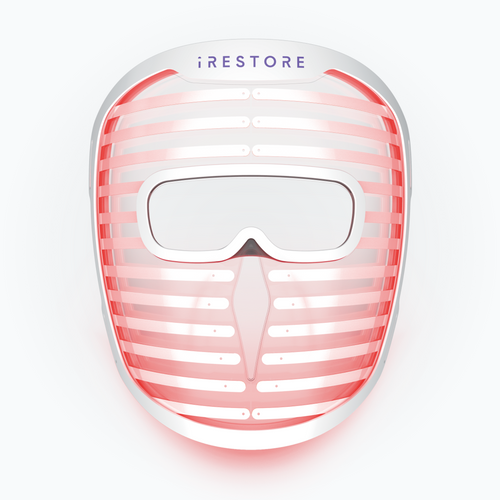
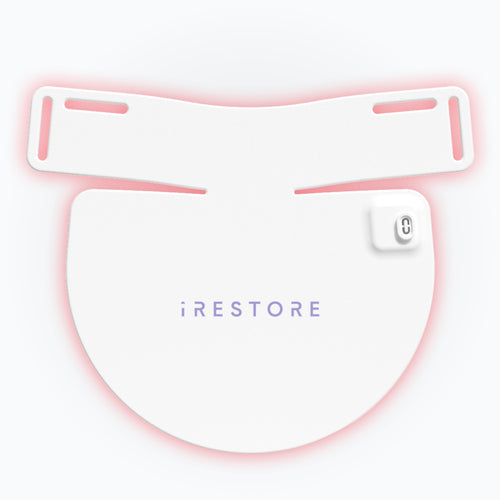
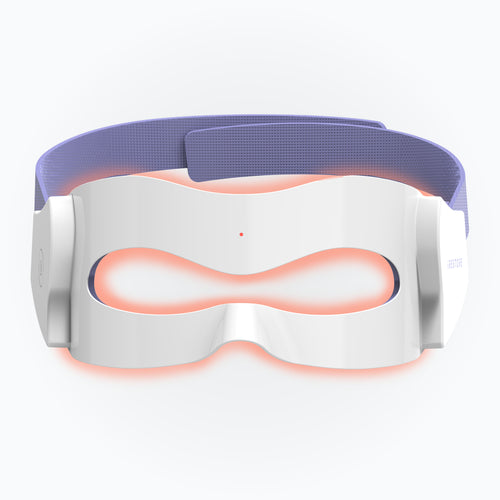
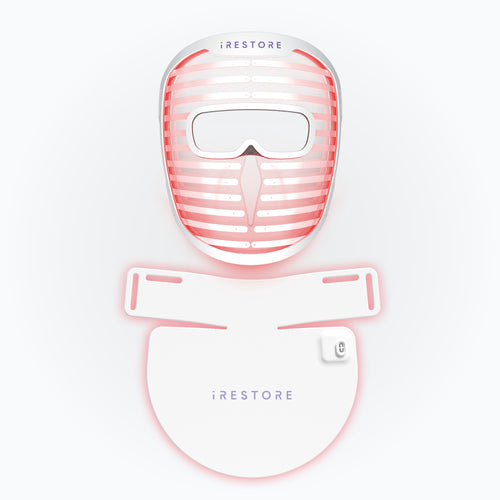
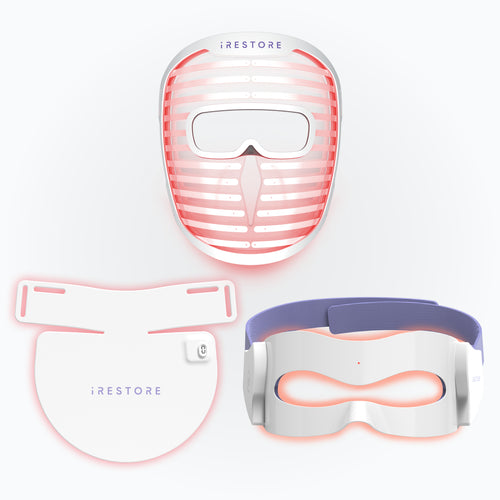
The iRESTORE Illumina LED Face Mask uses clinically studied wavelengths to deliver these benefits at home, with a design that makes it easy to use consistently. Consistency is what gets results with LED therapy, so ease of use really does matter.
Can You Use Retinol and an LED Face Mask Together?
The answer is yes, and here is why it actually makes sense to combine them.
Retinol and red light therapy both support collagen production and skin renewal. However, they work through completely different pathways. Retinol activates receptors inside your skin cells to speed up cell turnover.
LED light works at the mitochondrial level, energizing cells to repair and regenerate more efficiently. Because they work differently, they do not cancel each other out. Instead, they reinforce the same goals from two different angles.
Think of it like two coaches training the same athlete. One focuses on strength, the other on speed. Their methods are different, but they are both helping the athlete perform better. That is exactly what retinol and LED therapy do for your skin.
Research consistently supports the efficiency of Red Light Therapy and retinol’s anti-aging effects. So, a combination is even better. The main thing to get right is the order in which you use them, which brings us to the next section.
The Right Order: Retinol Before or After LED Mask?
This is the question most people get wrong, so let us make it simple and clear.
The Recommended Routine: LED Mask First, Then Retinol
Always use your LED mask before applying retinol. Do your LED session on clean, dry skin. Then wait five to ten minutes and apply your retinol afterward as part of the rest of your evening routine.
Why Using Retinol Before LED Can Cause Irritation?
Retinol temporarily makes your skin more sensitive. If you apply it before your LED session, the light can amplify that sensitivity and lead to redness or discomfort. This is not because LED masks are harsh. It is simply because sensitized skin reacts more easily to any kind of stimulation. Doing the LED session first sidesteps this problem entirely.
Morning vs. Night Routine Considerations
Retinol should always be used at night. It breaks down when exposed to sunlight and increases your skin's sensitivity to UV rays. LED mask sessions can technically be done at any time of day, but pairing both in the same evening routine is the most practical approach. It also means you only need one dedicated skincare session instead of two.
How Long to Wait Between Your LED Session and Retinol?
Give your skin five to ten minutes to settle after your LED session before applying retinol. You do not need to wait long. This short window is enough to let your skin calm down and reduces the chance of any irritation from layering the two treatments too quickly.
Mistakes to Avoid While Using Retinol With an LED Face Mask
To follow the right retinol with red light therapy order you need to avoid these common mistakes that can hold back your results or cause unnecessary irritation. Here is what to watch out for:
Applying Retinol Right Before Your LED Session
This is the most common mistake and the easiest one to fix. Always do your LED session first, then apply retinol afterward.
Jumping Straight to a Strong Retinoid
If you are new to retinol or new to combining it with LED therapy, start with a lower-strength formula. Prescription-strength tretinoin used in the same routine without a proper build-up period can cause significant irritation.
Skipping SPF the Next Morning
Retinol increases your skin's sensitivity to sunlight. The morning after using retinol, sunscreen is not optional. Skipping it can lead to sun damage that undoes the progress you are making.
Over-Exfoliating at the Same Time
If you are already using retinol and LED therapy, adding frequent chemical or physical exfoliation on top can push your skin into overdrive. Scale back exfoliation while your skin adjusts.
Expecting Fast Results
Both retinol and LED therapy are long-game treatments. Most people start seeing meaningful changes after six to twelve weeks of consistent use. Patience is part of the process.
Getting the order and supporting habits right from the start is what separates a routine that works from one that causes unnecessary setbacks. Simplify the routine, follow the correct order, and your skin will respond far better.
Building Your Full Routine: Where the iRESTORE Illumina Fits In
Now that you know the right order, let us put it all together into a simple evening routine.
Step-by-step evening routine:
-
Cleanse your face and pat dry
-
Use the iRESTORE Illumina LED Face Mask for 10 to 20 minutes
-
Wait five to ten minutes after your session
-
Apply toner or serum (optional)
-
Apply retinol
-
Follow with moisturizer
-
Apply eye cream if you use one
This routine is straightforward and does not take long. The iRESTORE Illumina fits naturally into step two because it works best on clean skin before any actives are applied.
The iRESTORE Illumina is designed specifically for at-home use, making it easy to stay consistent. In a iRestore Illumina clinical study, 94.59% of participants agreed their skin appearance improved with regular use, and 97.30% found the device easy to use.
Consistency drives results with LED therapy, and a device this simple to use makes that consistency much easier to maintain. Here are some results that real iRESTORE users achieved with consistent use-

Who Should Be Extra Cautious Using Retinol With an LED Face Mask?
Combining retinol and LED therapy is safe for most people, but some groups need to take a more careful approach.
You should slow down and patch test first if you have:
-
Sensitive or reactive skin that flares up easily with new products
-
Active rosacea or eczema, as retinol can trigger flare-ups even without LED therapy involved
You should consult a dermatologist before combining both if you are:
-
Currently using prescription tretinoin or on a course of Accutane
-
Unsure whether your skin condition is suitable for either treatment
You should avoid retinol altogether if you are:
-
Pregnant or breastfeeding, as retinol is not considered safe during this period regardless of what other treatments you use
If you fall into the sensitive skin category, it helps to know that LED masks themselves are very well tolerated by most skin types. You can read more about whether red light therapy is safe for sensitive skin before making any decisions.
The general rule is simple: when in doubt, start slow, patch test, and check with a professional if you are managing a skin condition or are on prescription skincare.
Conclusion
Retinol and red light therapy are not just compatible, they are one of the smartest combinations in modern skincare. Retinol works inside your cells to speed up renewal and build collagen. LED light energizes those same cells from a different angle entirely.
So, red light therapy and retinol together cover more ground than either treatment could alone. The key is keeping the routine simple and the order correct. LED mask first, then retinol, with a short wait in between.
The iRESTORE Illumina makes the LED side of this routine easy to stick to. It is designed for real life, not just for people with an hour to spare each evening. If you have been on the fence about adding an LED mask to your retinol routine, this is your sign to try it the right way.
FAQs
1. Can I use my LED face mask and retinol in the same skincare routine?
Yes. They are safe to use together and can complement each other well. The key is using your LED mask first, then applying retinol afterward. This order reduces the risk of irritation and helps both treatments perform at their best.
2. Should I use retinol before or after my LED face mask?
Always use your LED mask first. Apply retinol after your session, once your skin has had five to ten minutes to settle. Applying retinol before LED exposure can cause unnecessary redness and sensitivity.
3. How long should I wait after red light therapy to apply retinol?
Wait five to ten minutes after your LED session before applying retinol. This short window is enough to let your skin calm down before layering on an active ingredient.
4. Does red light therapy make retinol work better?
They do not directly boost each other, but they support the same skin goals through different mechanisms. Together, they can produce better overall results than using either one alone, particularly for collagen production, skin texture, and fine lines.
5. Can retinol make my skin more sensitive to LED light therapy?
Retinol does increase general skin sensitivity, which is why you should always do your LED session before applying retinol, not after. LED masks produce no UV light or heat, so the risk is low when you follow the correct order.
Disclaimer: The iRESTORE blog is for informational purposes only and is not intended to replace professional medical advice or treatment. Please do not ignore professional guidance because of information you’ve read here. If you have concerns about your hair or skin health, we encourage you to consult a qualified healthcare professional.