

You've tried countless eye creams, gotten more sleep, and even cut back on salt. But those under-eye bags are still there, making you look tired when you feel wide awake.
Under-eye bags affect millions of people. They can stem from aging, genetics, or lifestyle habits. With so many treatment options available, it's hard to know what actually works.
Red light therapy offers the best science-backed, non surgical under eye bag treatment you can do at home. It stimulates collagen production, improves circulation, and reduces inflammation at the cellular level. Unlike expensive surgeries or ineffective creams, it addresses root causes without needles or downtime.
What Causes Under-Eye Bags? (Understanding the Root Problem)
Before you can treat under-eye bags effectively, you need to understand why they form.
The Science Behind Under-Eye Bags
Under-eye bags develop when tissues around your eyes weaken. The muscles supporting your eyelids lose strength over time. Fat that normally stays in place can move into your lower eyelids, making them puffy.
Fluid also builds up below your eyes. Your skin loses collagen and elastin as you age, leading to sagging.
Primary causes include:
-
Aging: Natural loss of collagen and elastin
-
Genetics: Family history plays a major role
-
Fluid retention: Salt, allergies, hormones, sleeping position
-
Lifestyle factors: Poor sleep, smoking, alcohol, sun exposure
-
Fat herniation: Orbital fat pushes through weakened tissue
Are Your Under-Eye Bags Temporary or Permanent?
Temporary puffiness comes from fluid retention. You might wake up puffy after eating salty food. This type responds to lifestyle changes and cold compresses.
Structural bags result from tissue weakening and fat displacement. They stay throughout the day and need more targeted treatment like red light therapy.
Quick Self-Check: Pick Your Under-Eye Bag Type in 30 Seconds
This quick test helps you identify your specific type of under-eye bags.
Fluid Retention vs. Structural Bags
Gently press your under-eye area and release. If the puffiness reduces temporarily, you have fluid retention. If nothing changes, you have structural bags.
Visual identification:
-
Fluid retention: Worse in morning, improves during day, feels soft
-
Structural bags: Same all day, firm to touch, often has groove below
-
Combined type: Many people have both
When Under-Eye Bags Signal a Health Issue?
Most under-eye bags are cosmetic. However, certain signs need medical attention.
Seek help if you have:
-
Sudden onset with pain or vision changes
-
Severe swelling in one eye only
-
Skin discoloration or rash
-
Thyroid symptoms or allergic reactions
The Best Eye Bag Treatment for Most People: Red Light Therapy
When comparing eye bag treatment options, red light therapy stands out as the most effective under eye bag treatment for addressing multiple causes at once.
Why Red Light Therapy Works for Under-Eye Bags?
Red light therapy uses specific wavelengths (630-660nm red and 810-850nm near-infrared) to penetrate your skin. These wavelengths stimulate your cells to work better and repair themselves.
Studies show red light therapy boosts collagen production and improves skin elasticity. It works at the cellular level instead of just hiding symptoms.
How it addresses under-eye bags:
-
Collagen production: Tightens loose skin by making more collagen and elastin
-
Improved circulation: Removes excess fluid and reduces puffiness
-
Cellular energy: Boosts ATP to promote tissue repair
-
Reduced inflammation: Decreases swelling markers
Red Light Therapy vs. Other Popular Treatments
|
Treatment |
Effectiveness |
Cost |
Invasiveness |
Time |
|
Red Light Therapy |
High |
Moderate (one-time) |
Non-invasive |
10-15 min/day |
|
Eye Creams |
Low-Moderate |
$20-$200/month |
Non-invasive |
Daily |
|
Dermal Fillers |
High (temporary) |
$600-$1,200/session |
Invasive |
Every 6-12 months |
|
Surgery |
Very High |
$3,000-$7,000+ |
Highly invasive |
Single + recovery |
|
Laser Resurfacing |
Moderate-High |
$1,000-$3,000 |
Moderately invasive |
Multiple sessions |
Eye creams only work on the surface. Fillers need repeat injections. Surgery involves risks and weeks of recovery. Red light therapy targets root causes without these downsides.
Also, while eye bag laser treatment like laser resurfacing can help, it requires multiple expensive sessions and downtime. Red light therapy delivers similar collagen-boosting benefits without the invasiveness.
Why iRESTORE Is the Ideal Red Light Therapy Solution?
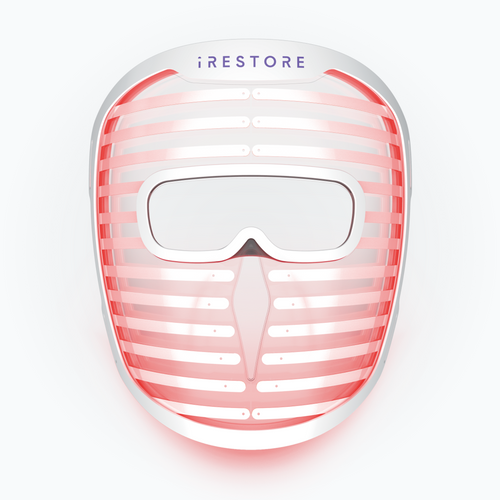
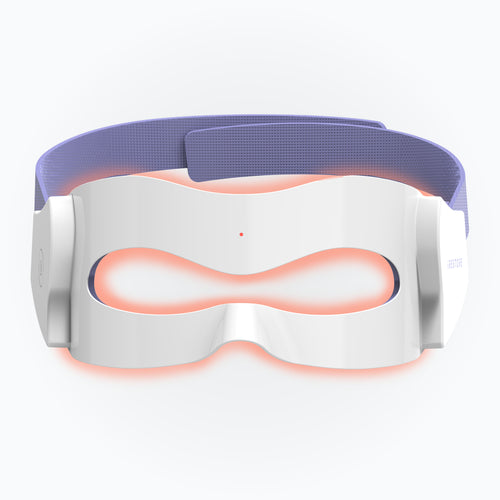
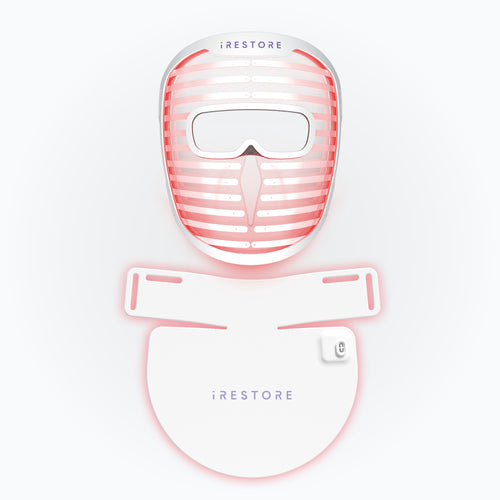
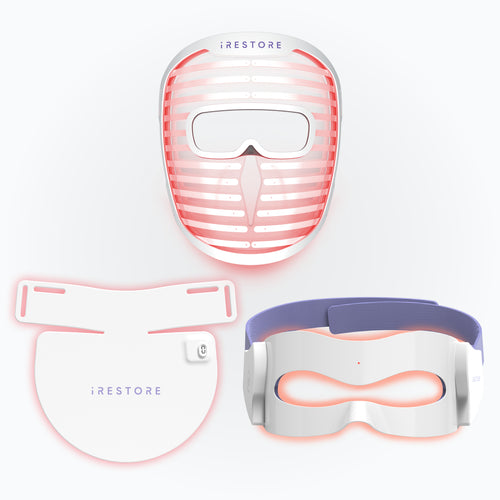
The iRESTORE Illumina Eye Mask uses clinically proven wavelengths at safe power levels for the delicate eye area. Generic devices often use wrong wavelengths or too much power.
Key features:
-
FDA-cleared with built-in safety protocols
-
Specifically designed for facial and under-eye treatment
-
One-time investment replaces ongoing costs
-
Use at home without appointments
How Long It Takes to See Results with Red Light Therapy?
Results appear gradually as your body rebuilds tissue from inside out.
Realistic Timeline for Under-Eye Bag Improvement
You need to set realistic expectations for the treatment, collagen only increases over several weeks of consistent use.
Week 1-2: Subtle improvements in puffiness and hydration
Week 3-4: Noticeable reduction in morning puffiness, better skin texture
Week 6-8: Visible skin tightening, reduced bag prominence
Week 12+: Significant improvement in firmness and overall appearance
Severity of bags, your age, consistency of use, and lifestyle habits all affect how fast you see results. By being consistent you can achieve similar results like these iRESTORE users-

How to Maximize Your Results?
Red light therapy works best with good habits. Small daily changes speed up improvements.
Best practices:
-
Use daily for first 12 weeks, then 3-4 times weekly
-
Drink at least 8 glasses of water daily
-
Sleep 7-9 hours with head slightly elevated
-
Avoid salty foods before bedtime
-
Use SPF 30+ daily to protect skin
Take weekly photos from the same angle and lighting. This helps you track gradual changes that are hard to notice day-to-day.
How to Use Red Light Therapy for Under-Eye Bags? (Step-by-Step Guide)
Using red light therapy correctly ensures the best results.
Getting Started with iRESTORE
Start with a completely clean, dry face. Any product can block light from reaching your skin cells.
Treatment steps:
-
Position your eye mask 6-8 inches from your face
-
Start with 10 minutes per session (increase to 15 after first week)
-
Use once daily at the same time
-
Focus on under-eye bags, upper cheeks, and surrounding area
-
Close your eyes or use protective eyewear
Never use it while wearing contacts. Check with your doctor if you take light-sensitive medications. Stop if you experience any discomfort.
Building a Consistent Routine
Evening sessions work best for most people. You can follow with your nighttime skincare routine. The relaxing session also helps you sleep better.
Set a daily phone alarm until the habit becomes automatic. Take weekly progress photos in natural light at the same time of day. Save them in a dedicated folder to compare your results.
Looking at your starting photos after 8-10 weeks keeps you motivated when changes seem slow.
Where iRESTORE Fits in Your Complete Eye Care Strategy?
Red light therapy delivers best results as part of a bigger approach to under-eye care.
Complementary Treatments That Enhance Results
Apply hyaluronic acid serums right after your red light session. Your skin absorbs ingredients better at this point. The serum locks in moisture and plumps the under-eye area.
Use caffeine-based eye creams in the morning for extra depuffing. Caffeine temporarily constricts blood vessels and drains excess fluid.
Topical treatments to pair with:
-
Hyaluronic acid serums: Apply after treatment for better absorption
-
Caffeine eye creams: Use mornings for additional depuffing
-
Retinol products: Alternate nights if skin tolerates (use caution around eyes)
-
Antioxidant serums: Protect against free radical damage
Get 7-9 hours of sleep with your head slightly elevated. Drink plenty of water but stop 2 hours before bed. Cut back on sodium, especially at night. Eat anti-inflammatory foods like berries, fatty fish, and leafy greens.
What Red Light Therapy Cannot Fix?
Severe fat herniation might need surgery. If large amounts of fat have pushed through, light therapy alone may not be enough.
Extreme skin laxity from massive weight loss sometimes needs professional procedures. Dark circles from hyperpigmentation are different from bags and require different treatments.
If you've used red light therapy consistently for 12 weeks without good results, see a dermatologist. They might recommend combining it with other treatments like fillers or laser resurfacing.
When to See a Dermatologist or Doctor?
While under-eye bags are usually cosmetic, certain situations need medical attention.
Signs You Should Seek Professional Evaluation
Get immediate help for:
-
Sudden severe swelling
-
Pain, redness, or vision changes
-
Swelling only on one side
-
Bags with other symptoms like fatigue, weight changes, or feeling cold
Thyroid disorders, kidney disease, allergies, and sinus infections can all cause under-eye swelling. If you're concerned about underlying health issues, get checked out.
When Home Treatments Aren't Enough?
Consider professional help if you've tried red light therapy and lifestyle changes for 3+ months without improvement. Some people need additional treatments for very severe bags.
Professional options include:
-
Dermatologist consultation for prescription treatments
-
Cosmetic procedures like fillers or laser treatments
-
Surgical evaluation for blepharoplasty if appropriate
A dermatologist can create a personalized plan combining multiple approaches for stubborn cases.
Conclusion
Under-eye bags don't have to be permanent. Red light therapy offers a scientifically-backed solution that addresses root causes without surgery's risks or creams' disappointments.
Start by identifying your under-eye bag type using the simple self-check. Use your device daily for the first 12 weeks, then maintain results with 3-4 sessions weekly.
Most people notice changes within 2-3 weeks and significant improvements by week 12. The changes last because you're stimulating your body's natural repair processes.
Ready to see real results? Try iRESTORE risk-free and discover why thousands have made red light therapy their go-to solution for under-eye bags.
FAQs
1. What is the best eye bag treatment that actually works?
The best under eye bag treatment depends on your specific type of bags. For most people, red light therapy is the top choice because it addresses root causes like collagen loss and poor circulation without surgery or needles.
2. Can red light therapy completely eliminate under-eye bags?
Red light therapy can significantly reduce under-eye bags by improving skin firmness, boosting collagen production, and reducing fluid retention. Results vary based on severity and cause. Most users see 50-80% improvement with consistent use over 12 weeks.
3. How does red light therapy compare to expensive eye creams?
Eye creams provide temporary hydration and minor surface improvements. Red light therapy works at the cellular level to stimulate collagen production and improve circulation. It addresses root causes rather than just symptoms. One iRESTORE device replaces years of cream purchases.
4. Is red light therapy safe for the delicate eye area?
Yes, when used properly with appropriate devices like iRESTORE. The wavelengths used are non-UV and have been extensively studied for safety. Learn more about red light therapy safety for sensitive skin. Always close your eyes during treatment and follow manufacturer guidelines.
5. Can I use red light therapy if I have fillers or Botox?
Generally yes, but consult your injector first. Red light therapy can actually help extend injectable results by improving overall skin quality. Wait at least 2 weeks after injections before starting treatment.
Disclaimer: The iRESTORE blog is for informational purposes only and is not intended to replace professional medical advice or treatment. Please do not ignore professional guidance because of information you’ve read here. If you have concerns about your hair or skin health, we encourage you to consult a qualified healthcare professional.