

If you have persistent itchy, red bumps on your scalp, they may not be dandruff or acne. In some cases, these symptoms can indicate folliculitis, a common scalp condition that is often misunderstood.
Scalp folliculitis can cause itching, soreness, and small bumps that look like pimples. In some cases, it can even lead to hair shedding if ignored. Many people search for answers online before seeing a doctor, especially when they worry about hair loss.
Recognizing these signs early helps you protect your scalp, prevent flare-ups, and reduce the risk of long-term hair damage.
What Is Folliculitis?
Folliculitis is inflammation or infection of the hair follicles. Hair follicles are the tiny openings in your skin where each hair grows. When these follicles get irritated or infected, small bumps can form.
Folliculitis often starts when bacteria enter damaged follicles. Fungi, viruses, or even friction can also trigger it. This is why folliculitis is considered a common skin condition across all age groups.
When folliculitis affects the scalp, it often shows up as itchy or tender bumps near the hairline. Mild cases may clear in a few days. However, repeated or deep infections can damage follicles and raise the risk of scarring or hair loss.
If you are unsure whether changes in your hair are normal, you may find it helpful to compare signs using this guide on Signs of Healthy vs Unhealthy Hair.
Types of folliculitis include:
-
Superficial folliculitis, which affects the upper part of the follicle
-
Deep folliculitis, which involves the whole follicle and can be more painful
What Are the Main Symptoms of Folliculitis?
Folliculitis often starts with small changes that are easy to miss. Many people mistake early symptoms for simple scalp acne or irritation.
Common symptoms include:
-
Small red bumps clustered around hair follicles
-
White or yellow tips filled with pus
-
Itching or tenderness on the scalp
-
Light crusting around affected areas
In some cases, symptoms become more uncomfortable over time. Untreated folliculitis can spread to nearby follicles, making bumps larger and more painful.
You may also notice burning, soreness, or increased hair shedding in the affected areas. For example, someone who wears a tight helmet daily may see bumps spread along pressure points. If symptoms worsen or keep returning, this often signals the need for medical care.
What Does Folliculitis Look Like?
Scalp folliculitis has a few clear visual signs.
Most people notice small red or pink bumps around individual hair follicles. Some bumps have white or yellow centers filled with pus. The skin around them often looks swollen or irritated.
Folliculitis usually starts in one area, such as the hairline or crown. It does not spread evenly across the scalp like flakes do. Mild cases may show only a few bumps. Severe cases can cause oozing, scabbing, and visible hair thinning.
If you already see changes in hair density, learning about New Hair Growth vs Breakage can help you tell whether shedding is temporary or related to scalp damage.
Difference Between Folliculitis vs Acne vs Ingrown Hair
These conditions look similar, but they have different causes and treatments. Knowing the difference helps you avoid using the wrong products.
Folliculitis always starts in hair follicles. It often appears in clusters and feels itchy or tender. Acne forms when pores clog with oil and dead skin. It usually affects the face, chest, or back more than the scalp.
Ingrown hairs happen when a hair curls back into the skin. They often appear after shaving and usually show one trapped hair in a single bump.
According to the Indiana University Bloomington, folliculitis often flares after friction, sweating, or shaving. Acne does not follow this pattern. If scalp bumps appear after tight headwear or workouts, folliculitis is more likely.
What Causes Folliculitis?
-
Damage to hair follicles: Folliculitis begins when hair follicles become damaged, allowing germs or irritation to cause inflammation.
-
Bacterial infections: Bacteria, most commonly Staphylococcus, normally live on the skin without causing harm. When they enter irritated follicles, an infection can develop.
-
Fungal overgrowth: Yeast and other fungi can overgrow on the scalp and trigger folliculitis, especially in warm or sweaty conditions.
-
Non-infectious irritation: Tight hairstyles, heavy hair oils, frequent shaving, and excessive sweating can irritate follicles and lead to flare-ups.
-
Lifestyle-related triggers: Habits like wearing helmets or headgear daily without proper scalp cleansing can cause repeated irritation and outbreaks.
-
Underlying health factors: Conditions such as diabetes, a weakened immune system, or long-term steroid use can increase the risk of developing folliculitis.
How to Prevent Folliculitis Flare Ups?
-
Maintain regular scalp hygiene: Keep your scalp clean to reduce oil, sweat, and product buildup that can irritate hair follicles. Wash regularly, especially after workouts or heavy sweating.
-
Limit heavy hair products: Avoid thick oils, pomades, and styling creams on the scalp, as they can trap sweat and bacteria and worsen irritation.
-
Be mindful with headwear: Clean helmets and hats frequently, and avoid wearing them for long periods to reduce heat and moisture buildup.
-
Follow gentle shaving practices: If you shave your head, use an electric razor, avoid shaving too close, and allow your skin time to recover between sessions.
-
Consider water quality: Hard water and mineral buildup can irritate sensitive scalps over time. If you notice dryness or itching after washing, this guide on Does Hard Water Cause Hair Loss? explains how water quality affects scalp health.
When to See a Dermatologist?
As per Mayoclinic, you should see a dermatologist if bumps spread, become painful, or do not improve after a few days of home care. Oozing sores, bald patches, or frequent flare ups also need professional attention.
A dermatologist will examine your scalp closely. In some cases, they may take a small sample to rule out conditions like psoriasis or fungal infections. Early treatment lowers the risk of scarring and permanent hair loss.
If hair thinning becomes ongoing, learning why hair growth slows can be helpful. This article on Why Your Hair Stops Growing explains how scalp health affects long-term growth.
At Home Treatment Options Before Seeing a Doctor
For mild cases, home care can ease symptoms and support healing. The first step is removing triggers. Stop shaving, avoid tight headwear, and pause irritating hair products.
Warm compresses can calm itching and swelling. Apply them to affected areas for ten minutes, a few times a day. Avoid scratching, since broken skin can spread infection.
Over the counter options may help in early stages. Medicated shampoos with antifungal ingredients can reduce yeast overgrowth. Gentle antibiotic ointments may help small areas, but avoid overuse.
According to Mayoclinic, if symptoms do not improve within a few days, prescription treatment may be needed. Worsening pain, spreading redness, or fever should always prompt a doctor visit.
Conclusion
Scalp folliculitis can feel frustrating, especially when bumps itch, hurt, or raise concerns about hair loss. The good news is that most cases are manageable when you recognize the signs early and take the right steps.
Paying attention to changes like spreading bumps, pain, or shedding makes a real difference. Mild cases often improve with simple care, but persistent or severe symptoms should not be ignored.
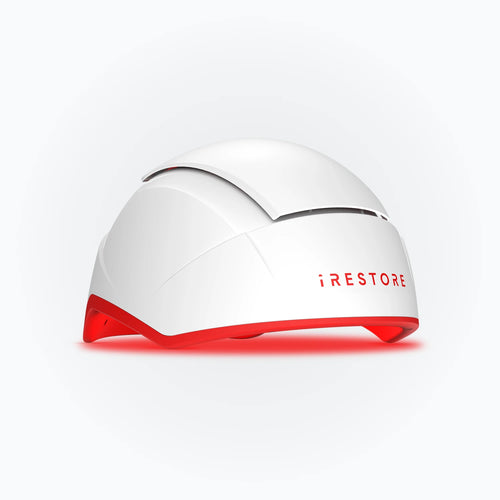
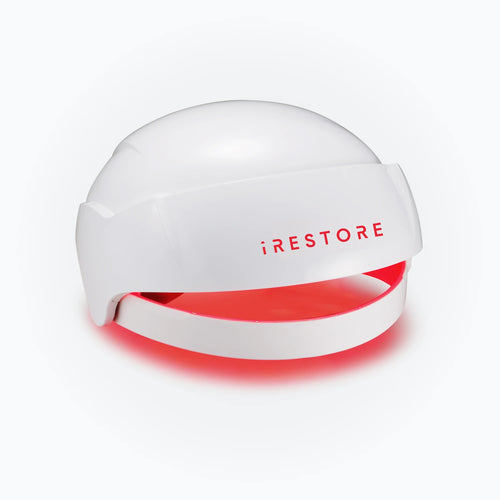
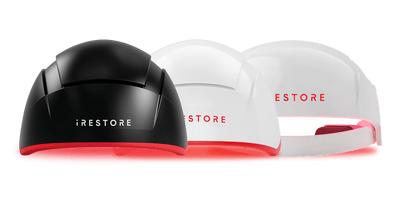
Early treatment lowers the risk of scarring and long-term damage to hair follicles, and some people choose supportive tools like iRESTORE red light therapy to help maintain hair density once the scalp has healed.
FAQs
Is folliculitis contagious?
Folliculitis is usually not very contagious. Most forms do not spread from person to person through casual contact. However, bacteria like staph can spread through shared towels, razors, or poorly cleaned hair tools. Good hygiene lowers this risk.
How long does folliculitis last?
Mild folliculitis often clears within seven to ten days once the trigger is removed. More severe cases may last longer and need medical treatment. Recovery time depends on the cause and how early treatment begins.
Can folliculitis cause permanent hair loss?
Yes, severe or untreated folliculitis can damage hair follicles. This damage may lead to scarring and permanent hair loss in affected areas. Early care greatly reduces this risk.
What is the difference between folliculitis and dandruff?
Dandruff causes flaky skin without inflamed follicles. Folliculitis causes red, often pus filled bumps around individual hairs. Dandruff usually responds to basic anti dandruff shampoos, while folliculitis may need targeted treatment.
Can I wash my hair if I have folliculitis?
Yes, washing your hair is important. Use lukewarm water and gentle shampoos. Avoid harsh scrubbing and very hot water, since these can irritate the scalp further.
Will folliculitis go away on its own?
Some mild cases resolve without treatment once irritation stops. If bumps spread, become painful, or keep coming back, medical care is needed to prevent complications.
Can stress cause folliculitis?
Stress does not directly cause folliculitis, but it can weaken your immune response. This makes infections more likely and may worsen existing scalp issues.
Is it safe to color or treat hair during folliculitis?
It is best to wait until the scalp heals. Hair dyes and chemical treatments can irritate inflamed follicles and slow recovery. A dermatologist can guide you on safe timing.
Disclaimer: The iRESTORE blog is for informational purposes only and is not intended to replace professional medical advice or treatment. Please do not ignore professional guidance because of information you’ve read here. If you have concerns about your hair or skin health, we encourage you to consult a qualified healthcare professional.