

Red light therapy panels work by sending specific wavelengths of red and near-infrared light into your body. These wavelengths reach your cells and help them produce more energy. This process is called photobiomodulation, which simply means using light to change how cells behave.
This guide explains how the light affects your body at a cellular level, which wavelengths matter most and what makes one panel better than another.
What Is Red Light Therapy?
Red light therapy uses low levels of red and near-infrared light to support healing in the body. The light falls in the 590 to 1060 nanometer range. It does not give off harmful UV rays, and it does not heat your skin like a heat lamp.
Doctors and researchers also call this treatment photobiomodulation, or PBM for short. You may also see it called low-level laser therapy, or LLLT. All these terms describe the same idea, which is using safe wavelengths of light to support cell function.
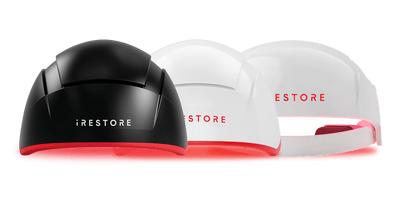
People use red light therapy for skin rejuvenation, muscle recovery, joint pain relief, and hair growth support. The FDA has cleared certain devices for over-the-counter use, including iRESTORE devices for androgenetic alopecia. It is non-invasive and drug-free. You simply sit or stand in front of a panel for a short session.
How Red Light Therapy Panels Actually Work?
Here is the simple version. The LEDs in a panel send out photons, which are tiny packets of light energy. These photons pass through your skin and reach the cells underneath. Inside each cell, a part called the mitochondria absorbs the light and starts a helpful chain reaction.
Think of mitochondria as the power plants of your cells. They make a molecule called adenosine triphosphate, or ATP, which is the fuel your cells use to repair and function. When red and near-infrared light hits the mitochondria, ATP production speeds up.
Here is the step-by-step process:
-
Photons hit the skin. Red and near-infrared light passes through the surface and reaches deeper tissue.
-
Cytochrome c oxidase absorbs the light. This is the main light receptor inside the mitochondria.
-
ATP production increases. The light removes a roadblock called nitric oxide, letting cells make more energy.
-
Cellular repair speeds up. More ATP means cells can fix damage and lower inflammation faster.
A simple analogy helps. Imagine your cells are tiny factories that have slowed down. Red light acts like a fresh power supply, giving them the boost to ramp production back up. This mechanism was studied in detail by Dr. Michael Hamblin, a former Harvard Medical School researcher who published widely on photobiomodulation.
It is important to know that not all light works this way. Random heat lamps will not give you the same effect. The wavelengths must be in the right range, which we will cover next.
Red Light vs. Near-Infrared Light: What's the Difference?
Most quality panels use two types of light: red light and near-infrared light. They look and act differently, but both work through the same cellular process. The main difference is how deep they go into your body.
Red light (630 to 660 nanometers) is the visible red glow you see. It penetrates about 2 to 5 millimeters into the skin. This makes it best for surface-level goals like skin tone, fine lines, collagen production, and hair follicles on the scalp.
Near-infrared light (810 to 1060 nanometers) is invisible to the eye. It reaches up to 10 millimeters or more into the body, depending on the wavelength. This deeper reach makes it ideal for muscle recovery, joint pain, and inflammation in deeper tissues.
Here is a quick comparison:
|
Light Type |
Wavelength Range |
Penetration Depth |
Best For |
|
Red Light |
630 to 660 nm |
2 to 5 mm |
Skin, collagen, hair follicles |
|
Near-Infrared |
810 to 940 nm |
5 to 10 mm |
Muscles, joints, recovery |
|
Deep Near-Infrared |
1060 nm |
10+ mm |
Deep tissue, joint pain |
The best panels combine both. For example, the iRESTORE Apex panels deliver eight wavelengths, including 660nm for skin and 1060nm for deep tissue. This dual approach lets you treat surface and deep concerns in one session.
What Makes a Red Light Therapy Panel Effective? (The 5 Factors)
Not all panels are built the same. Two devices that look similar can give very different results. Here are the five factors that actually matter when judging a panel.
1. Wavelength Accuracy
The light must hit the exact wavelengths the cells respond to. Panels that drift away from the proven 630 to 660nm and 810 to 850nm peaks deliver weaker results. Look for devices that list precise wavelengths on the spec sheet.
2. Irradiance (Power Density)
Irradiance is how much light energy reaches your skin. It is measured in milliwatts per square centimeter (mW/cm²). Higher irradiance means shorter sessions and stronger effects. A weak panel may need 30 minutes per area, while a strong one delivers the same dose in 10 minutes.
Sports orthopedic physical therapist Dr. Eric Busi has explained that the iRESTORE Apex panel uses 5W LEDs with up to 10 times the irradiance of basic devices.
https://cdn.shopify.com/videos/c/o/v/bc119e646dac467d8ebc62d3bffc73ac.mp4
3. Coverage Area
Bigger panels treat more of your body at once. A small handheld device works for a single spot like a shoulder. A full-body panel like the Apex 2160 covers your entire torso in one session, which saves time.
4. Treatment Distance
Light intensity drops fast as you move away from the panel. Most panels work best at 6 to 12 inches from the skin. Always check the manufacturer's distance chart before each session.
5. Clinical Evidence and Build Quality
Look for panels backed by real studies and durable hardware. The iRESTORE Apex line, for example, comes with a 10-year warranty, which is three times the industry standard. That kind of warranty signals confidence in build quality and long-term performance.
What Can Red Light Therapy Panels Actually Treat?
Red light therapy is not a cure-all, but the science supports several real benefits. Here is what the research currently shows for the most common uses.
Hair loss. The FDA has cleared certain red light devices, including iRESTORE products, for treating androgenetic alopecia in men and women. The light stimulates follicles and supports new growth. You can learn more about how often to use red light therapy for hair growth in our dedicated guide.
Skin rejuvenation. Studies show red and amber light support collagen production, help reduce wrinkles and improve skin complexion.
Muscle recovery and pain. Athletes use red light therapy to recover faster after workouts. A 2022 randomized clinical study by Padoin et al. found that 940nm near-infrared light supported muscle recovery within 48 hours and reduced muscle damage markers.
Joint pain. Deep near-infrared light at 1060nm is FDA 510(k) exempt for the temporary relief of muscle and joint pain. It also supports local circulation, which helps stiff joints feel better.
Wound healing and inflammation. Early research shows red light may support faster wound closure and lower inflammation. Evidence is still growing, but results so far are promising.
The takeaway is simple. Red light therapy works best for skin, recovery, hair, and pain support. It is not a replacement for medical treatment when you have a serious health issue.
How to Use a Red Light Therapy Panel for Best Results?
Using a panel correctly matters as much as buying a good one. The right routine helps you see results faster. Here is a simple framework to follow.
Distance. Stand or sit 6 to 12 inches from the panel. Closer is more intense but covers a smaller area. Farther is gentler but treats more of your body at once.
Duration. Most sessions run 10 to 20 minutes per area. Strong panels may only need 10 minutes, while weaker ones may take 20 or more. Always follow the device manual.
Frequency. Aim for 3 to 5 sessions per week. Daily use is fine for most people, but rest days can help your body adjust at the start.
What to wear. Less is more. Light cannot pass through clothing well, so expose the skin you want to treat. Wear the eye protection that comes with the panel, especially for facial sessions.
When to expect results. Most people notice changes in 8 to 16 weeks. Hair growth, skin tone, and pain relief all need time. Stick with the routine even if early weeks feel slow.
Common mistakes to avoid:
-
Standing too far from the panel
-
Skipping sessions or using it only once a week
-
Wearing thick clothing during treatment
-
Expecting results in the first two weeks
For example, a runner using a panel for sore knees might do 12-minute sessions at 8 inches, four times a week. Within a month, joint stiffness usually starts to ease.
iRESTORE Apex: Built Around the Science
The iRESTORE Apex panel line is engineered around the principles we just covered. It is not a basic LED board with one or two wavelengths. It is a clinical-grade tool built for real results.
Eight wavelengths in one device. The Apex panels deliver eight precisely tuned wavelengths across amber (590nm), red (630nm and 660nm), and near-infrared light (810, 830, 850, 940, and 1060nm). This range covers everything from skin renewal to deep muscle and joint support. There is no blue light, which means no eye strain during sessions.
High irradiance with 5W LEDs. The panels use medical-grade 5W LEDs that deliver strong, even light across the treatment area. The Apex 2160 also uses a seamless light layout, so there are no dead zones between LEDs. This means more of your body gets full-strength light during every session.
Two models for different needs. The Apex Pro 1500 is built for full-body coverage at a more accessible price. The Apex Elite 2160 steps up to maximum power and the largest treatment area. Both come with a 10-year warranty and a 60-day risk-free trial.
Trusted by professionals and customers. Board-certified dermatologists and sports medicine doctors have endorsed the Apex line. The brand is also loved by over 600,000 customers worldwide and holds a 4.6-star rating from more than 31,000 reviews.
If you want a panel that puts science first, the Apex line is built for it.
How to Choose the Right Red Light Therapy Panel?
The market is full of options, and the price range is wide. Here is how to narrow it down based on what you actually need.
Step 1: Define your main goal. Are you treating a specific spot like a knee or shoulder? A small panel or LED belt works fine. Want full-body skin and recovery support? Go with a larger panel like the Apex 2160.
Step 2: Check the wavelengths. Look for devices that include both red (630 to 660nm) and near-infrared (810 to 850nm) light. More wavelengths usually mean more flexibility, but only if they fall in the proven therapeutic range.
Step 3: Compare irradiance. A panel with strong irradiance saves you time per session. Cheap devices often skip this spec because their numbers are weak. If a brand will not list irradiance, that is a red flag.
Step 4: Look at warranty and trial period. A short warranty often means cheap parts. A 10-year warranty, like the one on the Apex line, signals long-term confidence in the build.
Step 5: Match the panel to your budget. Entry-level panels start around $200 but offer limited coverage and weaker output. Mid-range panels run $500 to $1,500. Professional-grade panels like the Apex 2160 cost more but deliver clinical-level results that hold up over time.
The right panel is the one that matches your goal, your space, and your willingness to use it regularly.
Conclusion
Red light therapy panels work because light is a real biological signal, not just a glow on the skin. The right wavelengths reach your mitochondria, boost ATP production, and help your cells repair faster. That single mechanism explains why the same device can support skin tone, muscle recovery, joint comfort, and hair growth.
The science is settled enough that you can shop with confidence, but the quality gap between panels is huge. Wavelength accuracy, irradiance, and build quality decide whether you get real results or a placebo. Cheap panels often skip the specs that matter most.
If you want a panel built around the actual science, the iRESTORE Apex line covers eight clinically studied wavelengths, delivers high irradiance, and comes with a 10-year warranty and 60-day trial. Whether you choose the Apex Pro 1500 or Apex Elite 2160, you are starting with a device engineered for results.
Frequently Asked Questions
How does a red light therapy panel actually work on cells?
The light passes through your skin and reaches the mitochondria inside your cells. An enzyme called cytochrome c oxidase absorbs the light and triggers more ATP production. ATP is the fuel cells use to repair, grow, and lower inflammation.
What wavelength of red light therapy is most effective?
The most studied wavelengths are 630 to 660nm for surface goals like skin and hair, and 810 to 850nm for deeper tissue like muscles and joints. Quality panels use both ranges to cover more uses in one session.
How long does it take to see results from a red light therapy panel?
Most people see noticeable changes in 8 to 16 weeks of regular use. Skin tone may improve in a few weeks, while hair growth and joint pain relief take longer. Consistency matters more than session length.
What is the difference between red light therapy and infrared light therapy?
Red light is visible and reaches the surface layers of your skin. Near-infrared light is invisible and goes deeper into muscles and joints. Both work through the same cellular process, just at different depths.
Can I use a red light therapy panel every day?
Yes, daily use is safe for most people. Many users prefer 3 to 5 sessions per week to balance results with rest. Going beyond the recommended time per session does not give faster results.
What is irradiance and why does it matter for red light therapy?
Irradiance is the strength of light reaching your skin, measured in mW/cm². Higher irradiance means shorter sessions and stronger effects. Brands that hide this number often have weak output.
Is red light therapy from a panel the same as what doctors use?
Home panels and clinical devices share the same science, but clinical models often deliver higher irradiance. High-end home panels like the iRESTORE Apex line now match clinical-grade output for many use cases.
What should I look for when buying a red light therapy panel?
Check the wavelengths, irradiance, coverage area, and warranty length. Avoid panels that skip these specs. A long warranty and clear clinical claims are strong signs of a quality device.
Disclaimer: The iRESTORE blog is for informational purposes only and is not intended to replace professional medical advice or treatment. Please do not ignore professional guidance because of information you’ve read here. If you have concerns about your hair or skin health, we encourage you to consult a qualified healthcare professional.