

Red light therapy may improve skin firmness, reduce fine line depth, and support smoother-looking skin when used consistently for 8 to 12 weeks.
These effects come from photobiomodulation, or PBM, a process where specific red and near-infrared wavelengths interact with skin cells to support energy production and repair pathways.
This article explains what the research says about red light therapy for skin firmness, what results are realistic, where its limits are, and how to use at-home devices correctly.
Does Red Light Therapy Tighten Skin?
Yes, red light therapy can support firmer-looking skin, especially when early looseness is linked to collagen loss, reduced elasticity, photoaging, or mild texture changes. The strongest results are usually seen in concerns such as fine lines, roughness, mild crepiness, and gradual loss of firmness.
It works by supporting the skin processes involved in collagen and elastin production. Over time, that may improve skin structure, elasticity, and visible smoothness. This is why most clinical and at-home protocols assess results after several weeks of consistent use rather than after one session.
Red light therapy does not lift advanced sagging caused by ligament laxity, fat-pad redistribution, significant volume loss, or deep folds. For those concerns, treatments such as radiofrequency, high-intensity focused ultrasound, injectables, or surgery may be more appropriate after consultation with a dermatologist.
In practical terms, red light therapy may improve mild firmness and skin quality over time, but it should not be positioned as a replacement for clinical lifting or tightening procedures.
What Does the Clinical Research Actually Show?
Clinical research on red light therapy for skin tightening is strongest for visible skin-quality changes, especially fine lines, wrinkle depth, roughness, and collagen density. The evidence is more limited when the concern is advanced sagging caused by deeper structural changes.
In a controlled trial, Wunsch and Matuschka found that red and near-infrared light treatment improved fine lines, wrinkles, skin roughness, and intradermal collagen density. Collagen density is one measurable change linked to firmer, smoother-looking skin.
Lee SY et al. studied LED phototherapy for skin rejuvenation in a randomized, placebo-controlled, double-blinded, split-face clinical trial. Their findings support the use of light-based treatment for photoaged skin, including improvements related to texture, elasticity, and dermal remodeling.
The evidence falls into three levels:
-
Strong evidence: Fine lines, wrinkle depth, skin roughness, and intradermal collagen density show the strongest support when red light therapy is used consistently over several weeks.
-
Good evidence: Texture, elasticity, and broader photoaging signs may improve, but results vary by wavelength, dose, skin condition, and treatment schedule.
-
Limited evidence: Red light therapy alone is not well supported for advanced structural sagging caused by ligament laxity, fat-pad changes, deep folds, or major volume loss.
Most visible changes develop gradually. Texture and tone may improve earlier, while collagen-related firmness changes are usually assessed closer to the 8 to 12 week mark. Maintenance sessions are usually needed because collagen support is an ongoing process.
Skin Tightening Results: What to Realistically Expect
Red light therapy results depend on wavelength, treatment frequency, device output, skin condition, and consistency. The table below shows where the evidence is strongest and what kind of timeline is realistic for different skin concerns.
|
Skin Concern |
Evidence Level |
Typical Timeline |
Suggested Protocol |
|
Fine lines and wrinkle depth |
Strong |
8 to 12 weeks |
5 sessions per week, 10 to 20 minutes |
|
Skin roughness and texture |
Strong |
6 to 10 weeks |
5 sessions per week, 10 to 20 minutes |
|
Collagen density |
Strong |
8 to 12 weeks |
5 sessions per week with red light, plus NIR where supported by the device |
|
Skin elasticity and snap-back |
Moderate |
8 to 12 weeks |
5 sessions per week, 10 to 20 minutes |
|
Early facial laxity |
Moderate |
12+ weeks |
Consistent use, followed by maintenance sessions |
|
Advanced structural sagging |
Not well supported |
Not applicable |
Consult a dermatologist for RF, HIFU, injectables, or surgical options |
This table should be read as a realistic guide, not a guarantee. Red light therapy is best suited for gradual improvements in skin quality, collagen support, and mild firmness.
It should not be positioned as a replacement for clinical lifting procedures when sagging is advanced.
How Red Light Therapy Works on Skin Through Collagen
Red light therapy supports skin firmness through photobiomodulation. This is the process where specific wavelengths of light interact with skin cells and may support normal energy, repair, and renewal pathways.
In skin, the main activity happens in the dermis, where fibroblasts help produce collagen, elastin, and other structural components linked to firmness, elasticity, and smoothness.
-
Red wavelengths around 630 to 660nm are commonly used for surface-level skin concerns such as fine lines, texture, and collagen support.
-
Near-infrared wavelengths around 810 to 850nm can reach deeper layers and may support broader dermal activity.
-
Cytochrome c oxidase, a mitochondrial enzyme involved in energy production, is one cellular target often discussed in photobiomodulation research.
Red light therapy does not physically pull or lift skin. It supports cellular processes that may improve collagen density, texture, elasticity, and firmer-looking skin over several weeks of consistent use.
For a deeper explanation of the collagen pathway, read iRESTORE’s guide to red light therapy for collagen production.
What Red Light Therapy Cannot Do for Skin Tightening?
Red light therapy can support firmer-looking skin when laxity is related to collagen loss, reduced elasticity, rough texture, or early photoaging. It does not correct every type of loose or sagging skin.
Red light therapy is not designed to correct:
-
Ligament laxity
-
Fat-pad redistribution
-
Significant volume loss
-
Deep folds
-
Advanced facial or body sagging
-
Sudden changes in skin structure
These concerns usually involve deeper tissue changes beneath the skin. Red light therapy works mainly by supporting cellular repair, collagen density, elastin production, and skin quality. It does not physically reposition tissue or restore lost volume.
For advanced laxity, procedures such as radiofrequency, high-intensity focused ultrasound, injectables, or surgery may be more appropriate after consultation with a dermatologist. These treatments work through different mechanisms and are often used when sagging is driven by deeper structural changes.
Single sessions may leave skin feeling temporarily smoother, but lasting changes in firmness, texture, and fine lines usually require consistent treatment over several weeks. Most protocols assess visible changes after 8 to 12 weeks, followed by maintenance sessions to help sustain results.
The most realistic role for red light therapy is early support. It may help improve skin quality, fine lines, mild looseness, and collagen-related firmness over time, but it should not be positioned as a replacement for clinical lifting or tightening procedures.
How to Use Red Light Therapy for Skin Tightening at Home
For skin-firming goals, red light therapy works best as a consistent routine. Most at-home protocols use 5 sessions per week for 8 to 12 weeks during the active phase, followed by 2 to 3 sessions per week for maintenance. Always follow the session guidance for your specific device.
Irradiance is measured in mW/cm², which means how much light power reaches a specific area of skin. For at-home skin routines, irradiance matters because the dose depends on device output, treatment distance, and session time.
-
Choose the Right Device for the Treatment Area
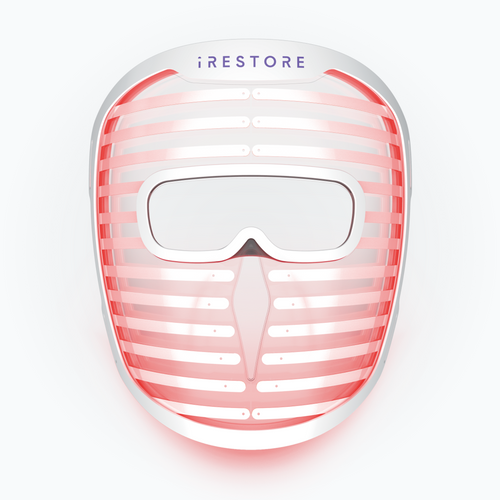
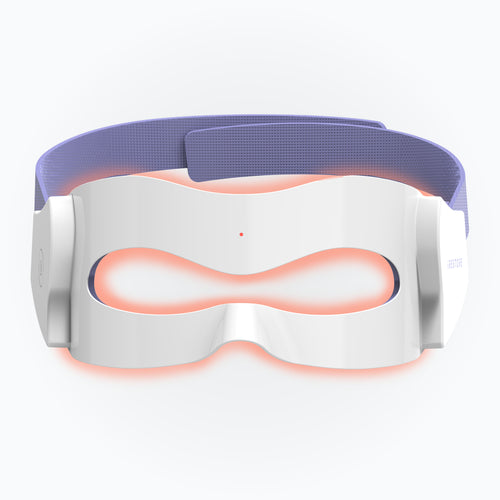
Use the Illumina Face Mask for facial skin concerns such as fine lines, texture, and early laxity. Apex panels are better suited for the neck, chest, décolletage, and larger body areas. The Sculpt LED Belt is designed for targeted body areas such as the abdomen and waist.
-
Start with Clean, Dry Skin
Remove makeup, SPF, oils, and skincare products before treatment. Bare, clean skin helps reduce anything that may block or scatter light.
-
Use the Correct Distance
A face mask is designed for direct contact with the skin. For panels, 6 inches is a practical starting distance for targeted treatment, unless the device instructions say otherwise.
-
Keep Sessions Within the Recommended Range
For most skin goals, 10 minutes may be enough for maintenance. During an active treatment phase, sessions may go up to 20 minutes depending on the device, treatment area, and instructions.
-
Use the Right Wavelengths
Red wavelengths around 630 to 660nm are most relevant for surface-level collagen support, fine lines, and texture. Near-infrared wavelengths around 810 to 850nm can reach deeper layers and may support deeper dermal remodeling.
-
Stay Consistent Before Judging Results
Visible changes in firmness, fine lines, and texture usually take several weeks. Most people should assess results after 8 to 12 weeks of regular use rather than after a few sessions.
-
Apply Skincare After Treatment
After the session, apply skincare based on your routine and skin tolerance. Hydrating and collagen-supporting products such as hyaluronic acid, vitamin C, or retinoids may fit into a broader skin routine, but avoid irritating actives if your skin feels sensitive.
Also Read: LED Light Therapy Colors Explained: Red vs. Blue vs. Green
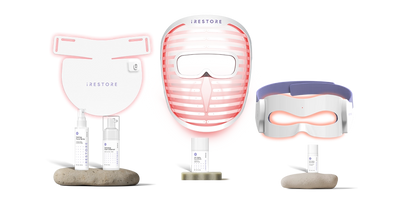
iRESTORE Devices for Face and Body Skin Firmness
The right red light therapy device depends on the area you want to treat. Facial skin usually needs close, even coverage around fine lines, texture, and early laxity. Larger areas such as the neck, chest, abdomen, waist, and body skin need broader coverage or a targeted wearable format.
The Illumina Face Mask is the primary iRESTORE skin device for facial skin concerns. It is designed for direct facial coverage and uses red light in the 630 to 660nm range, which is commonly studied for collagen support, wrinkle appearance, texture, and tone.
The Illumina Face Mask has also been reviewed by Dr. Anthony Youn, a board-certified plastic surgeon, who discusses its red, infrared, and blue light modes for aging-related skin concerns, dullness, and acne-prone skin. His review supports the mask’s role as an at-home LED device for users looking for a consistent skin routine.
For larger treatment areas, Apex Pro 1500 and Apex Elite 2160 can support skin routines beyond the face, including the neck, chest, décolletage, and body skin. These panels combine red and near-infrared wavelengths, making them more suitable when the goal is broader skin coverage and deeper dermal support.
For targeted body skin, the Sculpt LED Belt is the most relevant option. It is FDA 510(k)-cleared for skin appearance and is designed for areas such as the abdomen and waist. Its combination of 630nm, 850nm, and 940nm wavelengths supports body skin firmness, smoother-looking skin, and targeted treatment coverage.
Device fit by treatment area:
-
Illumina Face Mask: best suited for facial fine lines, tone, texture, and early firmness concerns.
-
Apex Pro 1500 and Apex Elite 2160: better suited for broader areas such as the neck, chest, décolletage, and body skin.
-
Sculpt LED Belt: best suited for targeted body skin appearance around the abdomen and waist.
Explore the iRESTORE Skin Hub to compare skin-focused devices and choose the format that fits your treatment area.
Real Customer Experiences With Red Light Therapy
Customer experiences with the Illumina Face Mask show how red light therapy can fit into a consistent skin routine. While individual results vary, users often describe changes in skin tone, texture, calmness, and overall skin appearance after regular use.
These results align with what red light therapy is best suited for: gradual improvements in skin quality, texture, tone, and firmer-looking skin over time. Red light therapy does not create overnight tightening, but consistent use may help skin look more supported, refreshed, and resilient.
Individual results vary, and customer experiences should not be treated as guaranteed outcomes.
Key Takeaways
|
Frequently Asked Questions
Q. How long does red light therapy take to tighten skin?
A. Most people should assess visible changes after 8 to 12 weeks of consistent use. Fine lines, texture, and dullness may improve earlier, while collagen-related firmness usually takes longer.
Q. Can red light therapy help crepey skin?
A. Red light therapy may help improve the look of mild crepey skin when the concern is linked to collagen loss, dryness, rough texture, or early photoaging. It will not remove excess skin, but consistent use may support smoother, firmer-looking skin over time.
Q. What wavelength is best for skin tightening?
A. Red wavelengths around 630 to 660nm are commonly used for surface-level collagen support, fine lines, and skin texture. Near-infrared wavelengths around 810 to 850nm may support deeper dermal activity.
Q. Does red light therapy tighten skin on the face?
A. Red light therapy may support firmer-looking facial skin when concerns include fine lines, mild crepiness, texture changes, and early loss of firmness. A direct-contact LED face mask can help provide even coverage across facial treatment areas.
Q. Can red light therapy tighten loose skin on the stomach?
A. Red light therapy may improve the appearance of mild looseness, texture, and firmness on the stomach over time. It will not remove excess skin or correct significant laxity after major weight loss, pregnancy, or surgery.
Q. Is red light therapy as effective as radiofrequency?
A. No. Red light therapy supports cellular activity and collagen-related skin quality, while radiofrequency uses heat to target deeper tissue tightening. A dermatologist can help decide which option fits the level of laxity.
Q. Can you overuse red light therapy for skin tightening?
A. Yes, using red light therapy longer or more often than directed may increase irritation without improving results. Follow your device instructions and reduce use if the skin feels unusually dry, sensitive, warm, or irritated.
Disclaimer: The iRESTORE blog is for informational purposes only and is not intended to replace professional medical advice or treatment. Please do not ignore professional guidance because of information you’ve read here. If you have concerns about your hair, skin, pain, or overall health, we encourage you to consult a qualified healthcare professional.