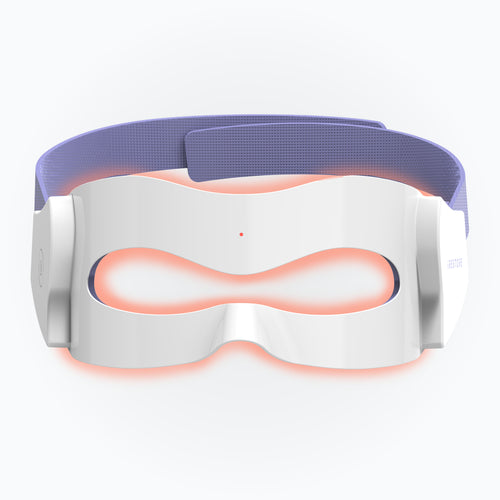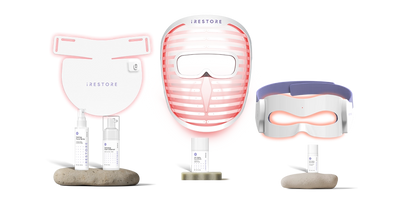


Microneedling puts your skin into an active recovery phase. The tiny channels created during treatment are meant to support collagen production, but they also make your skin more sensitive to heat, active ingredients, bacteria, and harsh aftercare.
Red light therapy after microneedling is generally considered safe when used correctly, and it may help calm visible redness, support post-procedure recovery, and complement the collagen-stimulating response triggered by microneedling, one part of a broader skin recovery routine. The timing depends on the depth of your treatment.
A shallow at-home dermaroller may allow same-day red light therapy, while deeper professional microneedling should follow your provider’s aftercare instructions first.
What Is Microneedling?
Microneedling, also called collagen induction therapy, uses fine needles to create controlled micro-injuries in the skin. These tiny channels trigger the body’s wound-healing response, which includes inflammation, new tissue formation, and collagen remodeling.
The treatment is often used for texture concerns, fine lines, acne scars, enlarged pores, and uneven tone. Needle depth matters because it changes how much recovery the skin needs afterward.
At-home dermarollers and dermapens usually use shorter needles, often around 0.2–0.5mm, which mainly affect the outer skin layers. Professional microneedling can reach 0.5–2.5mm into the dermis, creating deeper channels and a longer recovery window. That is why timing should differ for at-home and in-clinic treatments.
Can You Use Red Light Therapy After Microneedling?
Yes, you can use red light therapy after microneedling, but the timing should match the depth of your treatment. Shallow at-home microneedling usually affects the outer layers of skin, so same-day red light therapy may be suitable if the skin has settled and the device is clean.
Professional microneedling calls for more caution. In-clinic treatments often reach deeper into the dermis, which can leave the skin more reactive for the first 24–48 hours. Some providers use LED therapy immediately after treatment in the clinic, but home use should follow your provider’s aftercare instructions.
Do not use red light therapy over active bleeding, signs of infection, unusual swelling, intense heat, or skin that feels more painful than expected. The goal is to support post-procedure care without adding irritation to freshly treated skin.
Suggested Read: Benefits of Red Light Therapy Masks for Skin
Quick Answer: Timing, Safety, and Best Use
The safest timing depends on two things: The depth of the microneedling treatment and how your skin looks afterward. Use this quick guide to decide when red light therapy may fit into your aftercare routine.
|
Question |
Short Answer |
|
Can you use red light therapy after microneedling? |
Yes, when the skin is clean, calm, and not showing signs of infection or unusual irritation. |
|
Is same-day use safe after at-home microneedling? |
It may be suitable after shallow 0.2–0.3mm dermarolling if redness has settled. |
|
Can you use it after professional microneedling? |
Yes, but follow your provider’s guidance first. Deeper treatments may need a 12–24-hour wait before home LED use. |
|
What should you avoid first? |
Avoid retinol, AHAs, BHAs, vitamin C, makeup, direct sun, and heat-based treatments immediately after microneedling. |
How Long After Microneedling Can You Use Red Light Therapy
The right waiting period depends on needle depth, skin response, and whether the treatment was done at home or in a clinic. Use the table below as a general guide, but follow your provider’s instructions after professional microneedling.
|
Treatment Type |
Needle Depth |
First Red Light Therapy Session |
Frequency Guidelines |
|
At-home dermaroller |
0.2–0.3mm, epidermis level |
Immediately after treatment or the same day, if the skin has settled |
Follow device instructions and reduce use if irritation appears |
|
At-home dermapen |
0.25–0.5mm, upper skin layers |
Within 24 hours, if the skin is calm |
Use conservatively during the first few days |
|
Professional microneedling |
0.5–1.5mm, mid dermis |
Same day in-clinic, or next day at home with provider approval |
Follow provider guidance first |
|
Professional microneedling |
1.5mm+, deeper dermis |
Next day or later, only with provider approval |
Resume only when skin is stable |
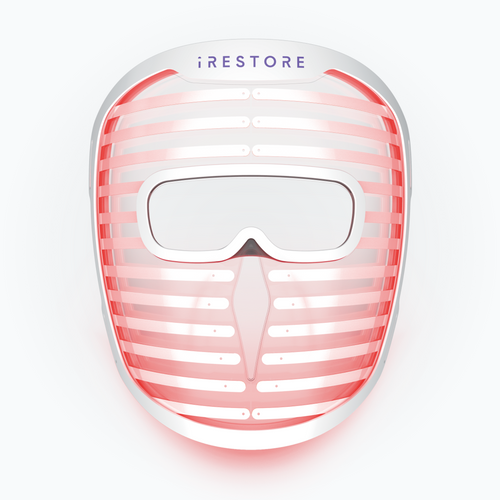
For the iRESTORE Illumina Face Mask specifically, follow iRESTORE’s device guidance rather than increasing frequency on your own. iRESTORE lists 10-minute sessions, 3–5 times per week, for the Illumina Face Mask.
Should You Use Red Light Therapy Before or After Microneedling?
Red light therapy is usually more useful after microneedling than before it. Microneedling creates controlled micro-channels, while red light therapy may help support the post-treatment recovery phase.
Here is the practical difference:
-
Before microneedling: Red light therapy may be used as part of your normal skincare routine when your skin is healthy, but it does not replace proper cleansing, sterile tools, or provider-led preparation.
-
After shallow at-home microneedling: Same-day red light therapy may be suitable if the skin has settled, there is no active bleeding, and the device is clean.
-
After professional microneedling: Follow your provider’s instructions first. Deeper treatments can leave the skin more reactive, so home LED use may need to wait 12–24 hours or longer.
For most post-microneedling routines, the safer order is to complete microneedling first, let the skin calm, avoid active ingredients, then use red light therapy only when the skin looks and feels stable.
Why Red Light Therapy Works After Microneedling?
Microneedling works by creating controlled micro-injuries in the skin. This process, also called collagen induction therapy, signals the body to begin a normal wound-healing response.
Red light therapy may support that response by using specific light wavelengths to influence cellular activity without heat, UV exposure, or additional tissue injury.
a) Photobiomodulation Supports Cellular Activity
Red light therapy works through photobiomodulation, or PBM. This refers to the way certain wavelengths of light interact with cells and help support normal biological activity.
Research on photobiomodulation suggests that red and near-infrared light can interact with cellular chromophores involved in mitochondrial activity. This is why PBM is often discussed in relation to cellular energy, inflammatory signaling, and tissue-recovery processes.
In skincare, PBM is commonly studied for its role in calming visible redness, supporting post-treatment comfort, and helping the skin maintain a healthier-looking tone and texture over time.
b) ATP Helps Skin Cells During Recovery
One reason red light therapy is used after skin procedures is its effect on mitochondria, the energy-producing parts of the cell. Red and near-infrared light can be absorbed by cytochrome c oxidase, a light-sensitive enzyme involved in mitochondrial function.
This interaction may help cells produce more ATP, or adenosine triphosphate. ATP is the energy cells use for normal repair-related activity, which matters after microneedling because the skin is already working through a recovery cycle.
c) Fibroblasts Support Collagen Remodeling
Fibroblasts are dermal cells involved in producing collagen and elastin. After microneedling, these cells become part of the skin’s remodeling response.
Red light therapy does not replace the collagen-stimulating effect of microneedling. Instead, it may complement it by supporting cellular energy and helping reduce visible signs of irritation while the skin moves through its post-treatment phase.
d) Wavelengths Matter
Different wavelengths reach different skin depths:
-
630–660nm red light: commonly used for surface-level skin benefits, visible redness, tone, and post-treatment comfort. See how different LED colors target different concerns.
-
810–850nm near-infrared light: reaches deeper into the skin and may support dermal activity linked to collagen remodeling.
This is why red light therapy after microneedling is often discussed as a paired protocol. Microneedling starts the controlled skin response, while red light therapy may help the skin move through that response with less visible irritation and steadier recovery.
How to Use the iRESTORE Illumina Face Mask After Microneedling
The iRESTORE Illumina Face Mask can fit into a post-microneedling routine once the skin is clean, stable, and not unusually irritated. If you had professional microneedling, follow your provider’s aftercare instructions before using any at-home LED device.
-
Wait until your skin has settled: After shallow at-home microneedling, same-day use may be suitable if redness has calmed. After professional microneedling, restart LED use only when your provider approves.
-
Keep the skin clean and simple: Use a mild, fragrance-free cleanser if cleansing is part of your aftercare. Avoid retinol, AHAs, BHAs, vitamin C, niacinamide, exfoliating acids, and strong treatment products on day 1 unless your provider says otherwise.
-
Use the mask as directed: Place the iRESTORE Illumina Face Mask on clean skin and follow iRESTORE’s device instructions. The mask is designed for 10-minute sessions, 3–5 times per week.
-
Moisturize gently after use: Apply a fragrance-free moisturizer to support the skin barrier. Pause LED use if you notice active bleeding, unusual swelling, intense heat, signs of infection, or pain that feels stronger than expected.
For more insight into the iRESTORE Illumina LED Face Mask, watch Dr. Anthony Youn’s review below:
Dr. Anthony Youn Reviews the iRESTORE Illumina LED Face Mask
What Results Can You Expect?
Red light therapy after microneedling should be viewed as a support step. Microneedling starts the collagen-focused skin response, while red light therapy may help the skin move through the post-treatment phase with less visible redness and discomfort.
a) In the First Few Days
The earliest changes are usually related to how the skin looks and feels. Red light therapy may help calm visible redness and reduce the look of irritation after shallow microneedling.
After professional microneedling, redness, dryness, tightness, and mild sensitivity may last longer, depending on treatment depth and your provider’s aftercare plan.
b) Over the Next Few Weeks
Microneedling results develop gradually because collagen remodeling takes time. With consistent red light therapy, gentle hydration, and sun protection, the skin may look smoother, more even, and less dull over time.
c) After 6–12 Weeks
Longer-term results are usually linked to consistent use rather than one post-treatment session. After 12 weeks, 91% of participants saw improved skin tone, while 82% saw enhanced smoothness in the treated area.
These results are not guaranteed and are not specific to microneedling alone. Red light therapy may complement microneedling, but results still depend on needle depth, treatment frequency, skin type, aftercare, sun protection, and consistency.
What to Avoid and When to Pause Red Light Therapy?
After microneedling, your skin barrier is temporarily more open and reactive. Red light therapy can still fit into post-treatment care, but your routine should stay gentle, clean, and low-irritation while the skin settles.
The American Academy of Dermatology describes red light therapy as a non-invasive treatment, but it also recommends caution with at-home devices, particularly for those with irritated skin or photosensitivity.
Avoid the following after microneedling:
-
Active ingredients on day 1: Skip retinol, AHAs, BHAs, vitamin C, exfoliating acids, and strong treatment serums. Fresh micro-channels can increase absorption and raise the risk of irritation.
-
Harsh cleansing or exfoliation: Avoid scrubs, cleansing brushes, exfoliating pads, washcloth friction, and products that leave the skin tight or dry.
-
Makeup too soon: Wait 12–24 hours after shallow at-home microneedling. After professional microneedling, wait 24–48 hours or follow your provider’s guidance.
-
Direct sun and heat: Avoid direct sun, saunas, steam rooms, hot yoga, hot tubs, and high-heat facials for at least 48 hours. These are different from non-thermal red light therapy and may increase discomfort.
-
Swimming, heavy sweating, or picking: Pools, intense workouts, and rubbing or peeling the skin can irritate freshly treated areas, especially after deeper treatments.
Pause red light therapy and contact your provider if you notice active bleeding, pus, spreading redness, unusual swelling, intense heat, fever, crusting, or pain that feels stronger than expected. If you take photosensitizing medication or have a condition that makes your skin reactive to light, ask a dermatologist before using an LED device after microneedling.
Cleanliness matters too. Use red light therapy only on clean skin with a clean device, and wait if your skin looks raw, broken, or unstable.
Conclusion
Red light therapy after microneedling can be a useful addition to post-treatment skincare when it is timed correctly and used with care. The main factor is treatment depth.
Shallow at-home microneedling may allow same-day LED use if the skin has settled, while deeper professional microneedling should always follow your provider’s aftercare instructions first.
For the best results, keep your routine simple, avoid irritating active ingredients, and use red light therapy only on clean, stable skin. When used consistently and according to device instructions, LED light therapy may help support calmer-looking skin, post-treatment comfort, and collagen-focused skin goals over time.
Key Takeaways
|
Frequently Asked Questions
Q1. Can I use red light therapy after RF microneedling?
A1. RF microneedling uses heat along with needles, so aftercare can differ from standard microneedling. Follow your provider’s instructions before using any at-home LED device after RF microneedling.
Q2. Can I use blue light after microneedling?
A2. Blue light may be useful in some acne-focused routines, but freshly microneedled skin can be more reactive. After microneedling, use only the light mode recommended by your provider or device instructions.
Q3. Can I apply hyaluronic acid before red light therapy after microneedling?
A3. Hyaluronic acid is often used for simple hydration after microneedling, but your provider’s aftercare plan should come first. Avoid strong active ingredients on day 1, especially retinol, AHAs, BHAs, vitamin C, and exfoliating acids.
Q4. Can I use red light therapy after microneedling if I have acne?
A4. It depends on the condition of your skin. Do not use an LED device over open, inflamed, infected, or painful breakouts after microneedling without guidance from a dermatologist or provider.
Q5. Should I clean my LED mask before using it after microneedling?
A5. Yes. Microneedling creates temporary channels in the skin, so any device used afterward should be clean before it touches your face. Follow the cleaning instructions for your LED mask before each session.
Q6. Can red light therapy after microneedling make redness worse?
A6. It should not make redness worse when used correctly on calm, stable skin. If redness spreads, feels hot, becomes painful, or worsens after use, pause the device and contact your provider.
Q7. Can I use red light therapy after microneedling on sensitive skin?
A7. Sensitive skin may need a longer waiting period before LED use. Start only when the skin has settled, follow device instructions, and stop if you feel burning, sharp stinging, unusual heat, or discomfort.
Q8. Can I go in the sun after using red light therapy post-microneedling?
A8. Red light therapy does not replace sun protection. After microneedling, treated skin is more sensitive, so avoid direct sun and use broad-spectrum sunscreen once your provider says it is appropriate.
Disclaimer: The iRESTORE blog is for informational purposes only and is not intended to replace professional medical advice or treatment. Please do not ignore professional guidance because of information you’ve read here. If you have concerns about your hair, skin, pain, or overall health, we encourage you to consult a qualified healthcare professional.