

The best way to get rid of dark circles under the eyes depends on what is causing them. Brown discoloration may result from excess pigmentation, while blue or purple tones can appear when blood vessels show through thin skin.
Tear troughs, puffiness, allergies, and poor sleep may also make the under-eye area look darker. Identifying the main contributor helps you choose a treatment that can realistically improve it.
What Causes Dark Circles Under the Eyes?
Dark circles under the eyes rarely have one single cause. They may result from excess pigmentation, visible blood vessels beneath thin skin, structural shadows, or temporary factors such as allergies and fatigue. Many people have more than one contributing factor.
a) Pigmentation Around the Eyes
Pigmentation-related dark circles develop when excess melanin collects around the eyes. Genetics, sun exposure, inflammation, allergies, and repeated rubbing can make the brown or dark-brown discoloration more visible.
b) Thin Skin and Visible Blood Vessels
Thin or translucent under-eye skin can allow underlying vessels to appear blue, purple, pink, or reddish. These circles may become more noticeable as collagen declines with age.
c) Structural Shadows and Tear Troughs
A tear trough is the hollow between the lower eyelid and upper cheek. Natural facial anatomy, volume loss, and age-related tissue changes can deepen this hollow and create shadows under certain lighting.
d) Puffiness, Allergies, and Lifestyle Factors
Puffiness can cast or deepen shadows beneath the eyes and make under-eye bags look more noticeable. Poor sleep, smoking, alcohol use, and dehydration may make existing dark circles appear more noticeable.
How to Identify the Likely Cause
The appearance of your dark circles can provide clues about what is causing them. Color, puffiness, facial structure, and changes under different lighting may help distinguish pigmentation from visible blood vessels or structural shadows.
The table below compares the most common visual signs and what they may indicate.
|
What You Notice |
Possible Main Cause |
Helpful Clue |
|
Brown or dark-brown discoloration |
Excess pigmentation |
The discoloration remains visible when the face is evenly lit |
|
Blue, purple, pink, or reddish tones |
Thin skin or visible blood vessels |
The area looks more translucent than the surrounding skin |
|
A dark band inside an under-eye hollow |
Tear trough or structural shadow |
The darkness changes when the direction of light changes |
|
Swelling with a darker shadow below it |
Puffiness or fluid retention |
It may be more noticeable after waking |
|
Itching, watery eyes, or nasal congestion |
Allergies |
Rubbing the eyes may make the discoloration worse |
|
Several colors, hollows, and puffiness |
Mixed causes |
More than one contributing factor may be present |
These signs cannot confirm a diagnosis. A dermatologist can assess whether pigmentation, visible vessels, inflammation, or facial structure is the main contributor.
Different Dark Circle Treatments by Cause
Different causes require different treatment categories, and mixed dark circles may need more than one approach.
The table below compares common at-home and professional options.
|
Main Cause |
At-Home Options |
Professional Options |
Main Limitation |
|
Excess pigmentation |
Broad-spectrum sunscreen, suitable vitamin C products, gentle retinoids, and reduced eye rubbing |
Prescription pigment treatments, chemical peels, or pigment-targeting lasers |
Irritation can worsen discoloration, especially in pigmentation-prone skin |
|
Thin skin or visible vessels |
Eye-area retinoid products, moisturizers, and caffeine products for temporary puffiness |
Selected vascular or resurfacing procedures |
At-home treatments may offer limited improvement |
|
Structural hollows or tear troughs |
Topical care may improve the skin surface but cannot replace volume |
Hyaluronic acid filler, fat grafting, or surgery in selected cases |
These procedures do not treat true skin pigmentation |
|
Puffiness or allergies |
Cool compresses, allergy management, adequate sleep, and head elevation |
Medical assessment when swelling is persistent or unexplained |
Improvement depends on controlling the underlying trigger |
|
Mixed dark circles |
A routine selected for each contributing factor |
A combination of topical and procedural treatments |
No single treatment addresses every cause |
How to Reduce Dark Circles at Home
At-home care may improve pigmentation, puffiness, irritation, or darkness caused by visible vessels, but it cannot replace lost under-eye volume.
a) Protect the Area From Sun and Irritation
Daily sun protection can help prevent pigment-related dark circles from becoming more noticeable. Use a broad-spectrum sunscreen with SPF 30 or higher around the eye area and avoid direct contact with the eyes.
Repeated rubbing can also worsen inflammation and discoloration. Treat persistent itching and stop using products that cause ongoing redness, burning, or swelling.
b) Use Cooling for Puffiness
A cool compress may temporarily reduce swelling and make visible vessels less noticeable. Cold spoons, cucumber slices, and chilled tea bags mainly provide the same cooling effect.
These methods may soothe the area, but they do not treat pigmentation or structural hollows.
c) Choose Eye Products by Concern
Different ingredients address different concerns:
-
Caffeine may temporarily reduce puffiness and darkness caused by visible vessels.
-
Vitamin C may support a more even-looking skin tone.
-
Retinoids may support collagen and improve skin texture over time.
Results depend on the formulation and the cause of the dark circles. Introduce one active ingredient at a time and use products designed for the eye area.
d) Manage Allergies, Sleep, and Morning Puffiness
Managing allergies may reduce congestion, itching, swelling, and repeated eye rubbing. Adequate sleep and slight head elevation may also reduce morning puffiness.
Hydration may help when dehydration is present, but it will not correct pigmentation or structural shadows.
Does Red Light Therapy Help Dark Circles?
Red light therapy may help when thin, aging, or sun-damaged skin contributes to the appearance of dark circles. It may support collagen and skin texture, but research focused specifically on under-eye dark circles remains limited.
a) How Red Light Therapy Works
Red and near-infrared light produce cellular responses through a process called photobiomodulation. In a prospective, randomized controlled trial, Wunsch and Matuschka studied 136 volunteers who received 30 treatment sessions using red or near-infrared light. Compared with the control group, treated participants showed statistically significant improvements in fine lines, skin roughness, complexion, and ultrasound-measured intradermal collagen density.
Most studies have examined broader signs of skin aging rather than dark circles as an isolated concern. Red light therapy should therefore be presented as a supportive skin-care option rather than a proven treatment for every type of under-eye darkness.
These findings suggest that red and near-infrared light may support collagen and skin texture when thin or aging skin contributes to the darker appearance. They do not prove that red light therapy removes melanin-based pigmentation, tear trough shadows, or every type of under-eye darkness.
b) Which Dark Circles May Respond?
Red light therapy may be most relevant when thin or aging skin makes underlying tissues more visible. It cannot restore tear trough volume, reposition under-eye fat, or treat persistent allergies and fluid retention.
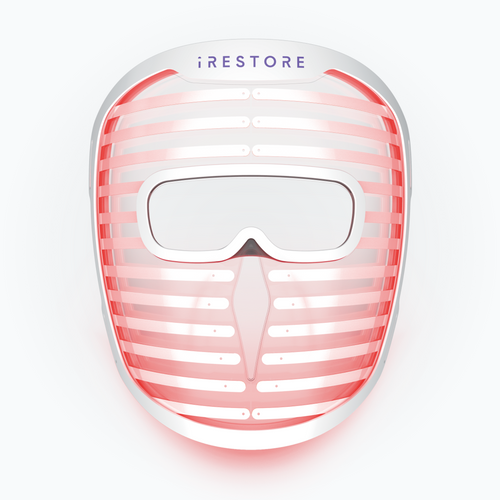
c) Using the iRESTORE Illumina Eye Mask
The iRESTORE Illumina Eye Mask uses 633 nm red light and 830 nm infrared light. It contains 180 medical-grade LEDs and provides targeted coverage around the eyes.
iRESTORE recommends five-minute daily sessions and states that visible changes may begin after six weeks. Results vary according to the concern, skin response, and consistency of use.
Use the device on clean skin and follow the supplied instructions for fit, treatment mode, eye safety, warnings, and precautions. The Illumina Eye Mask is the most relevant iRESTORE option for users seeking targeted care around the eyes.
Hear it From the Experts

Also Read: Are Red Light Therapy Face Masks Safe For Your Eyes?
Professional Treatments for Dark Circles
Professional treatment may be considered when home care provides limited improvement or when structural changes are the main concern.
-
Prescription treatments and chemical peels: Dermatologists may use pigment-focused products or superficial peels for selected pigmentation-related circles. Treatment must account for skin sensitivity and the risk of post-inflammatory hyperpigmentation.
-
Laser and light-based procedures: Pigment-targeting devices may address brown discoloration, while vascular devices may reduce visible vessels. Resurfacing procedures may improve texture or mild skin laxity.
-
Tear trough filler: Hyaluronic acid filler may soften shadows caused by an under-eye hollow. It does not treat pigmentation and may be unsuitable when significant puffiness or prominent bags are present.
-
Surgery or fat repositioning: Lower eyelid surgery may address prominent fat pads, excess skin, or deeper structural changes. Assessment by a qualified plastic or oculoplastic surgeon is required.
Under-eye procedures should be performed by experienced medical professionals because the area has delicate and complex anatomy.
How Long Do Treatments Take to Work?
Cooling and caffeine may change the appearance temporarily, while skincare, light-based care, and professional treatments usually take longer.
The table below compares when changes may appear and what can limit the result.
|
Treatment |
When Changes May Appear |
Main Limitation |
|
Cool compress |
Within minutes |
The effect is temporary and mainly helps puffiness |
|
Caffeine eye product |
Shortly after application or with regular use |
It does not correct pigmentation or structural hollows |
|
Sleep, allergy control, and head elevation |
Days to weeks |
These measures help only when fatigue, congestion, or fluid retention contributes |
|
Vitamin C or pigment-focused skincare |
Several weeks or longer |
Results depend on the formulation, consistency, and depth of pigmentation |
|
Retinoid eye product |
Several weeks to months |
Irritation may limit use around the sensitive eye area |
|
Red light therapy |
Several weeks of consistent device-directed use |
Results depend on the device and the cause of the darkness |
|
Chemical peels or laser procedures |
After recovery, often over several weeks |
Several sessions may be needed, and pigment changes are possible |
|
Tear trough filler |
Usually visible after initial swelling settles |
It treats structural shadowing rather than skin pigmentation |
|
Surgery or fat repositioning |
Gradually as swelling and bruising resolve |
Recovery takes time, and the procedure does not treat every cause |
Faster changes are often temporary. Pigmentation, skin texture, and structural concerns usually require longer or more targeted treatment.
When to See a Doctor?
Dark circles are usually cosmetic, but medical assessment may be appropriate when they appear suddenly, affect one side, or occur with other eye symptoms.
Speak with a healthcare professional if you notice:
-
Worsening darkness or swelling under one eye
-
Pain, marked redness, warmth, or significant swelling
-
Blurred vision, double vision, or another change in sight
-
Symptoms following an eye or facial injury
-
Persistent allergy symptoms or unexplained fatigue with other symptoms
Sudden vision changes or severe eye pain require prompt medical attention. A dermatologist can assess pigmentation or structural concerns, while an ophthalmologist may be more appropriate for pain, injury, swelling, or vision symptoms.
Choose the Right Approach
Dark circles may improve with home care, targeted skincare, red light therapy, or professional procedures. The right option depends on whether pigmentation, puffiness, thin skin, visible vessels, or facial structure is creating the darker appearance.
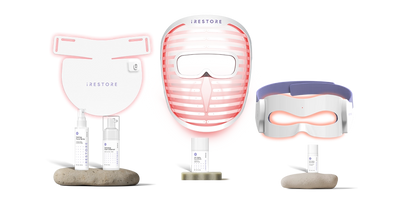
For targeted light-based care around the eyes, explore the iRESTORE Illumina Eye Mask. You can also compare the complete range of iRESTORE skin devices.
Key Takeaways
|
Frequently Asked Questions
Q1. Why do I have dark circles even when I sleep enough?
A1. Sleep is only one factor. Genetics, pigmentation, thin skin, visible blood vessels, allergies, and under-eye hollows may keep the area looking dark even when you get adequate rest.
Q2. Can dark circles be genetic?
A2. Yes. Genetics can influence under-eye pigmentation, skin thickness, blood vessel visibility, tear trough depth, and facial anatomy. Inherited dark circles may improve with targeted care, but they may not disappear completely.
Q3. Can anemia or a vitamin deficiency cause dark circles?
A3. Dark circles are not usually caused by one specific deficiency. Iron-deficiency anemia may cause pallor and fatigue, which can increase under-eye contrast. Dark circles alone cannot confirm anemia, so medical assessment and blood testing may be needed.
Q4. What is the difference between dark circles and under-eye bags?
A4. Dark circles involve discoloration or shadowing beneath the eyes. Under-eye bags involve swelling or protruding tissue. Puffiness can also cast shadows, so both concerns may appear together.
Q5. Can dark circles return after treatment?
A5. Yes. Dark circles may return when genetics, sun exposure, allergies, aging, fluid retention, or facial structure continue to contribute. Ongoing skincare, sun protection, allergy management, or repeat professional treatment may be needed.
Disclaimer: The iRESTORE blog is for informational purposes only and is not intended to replace professional medical advice or treatment. Please do not ignore professional guidance because of information you’ve read here. If you have concerns about your hair, skin, pain, or overall health, we encourage you to consult a qualified healthcare professional.