

You noticed it. Maybe it was the hairline creeping back. Maybe it was more hair in the shower drain than usual. Whatever tipped you off, you're not imagining it.
Male pattern baldness, also called androgenetic alopecia, affects over 50% of men by age 50. So you're not alone, and you're not out of options.
This guide covers the early signs to watch for, how to stop balding in its tracks, how to read the Norwood scale, every treatment that actually has evidence behind it, and what's just burning your money.
The Honest Truth About Balding
Here's something most articles won't tell you upfront: you can't reverse male pattern baldness with willpower, special shampoos, or a "scalp detox." It's genetic, and it's progressive. Once it starts, it keeps going unless you do something about it.
That said, you can slow it down. You can stabilize it. And if you catch it early enough, you can actually regrow some of what you've lost. The key word there is early.
Losing your hair can mess with your confidence. That's real, and it's worth acknowledging. But the best thing you can do for your hairline and your self-esteem is to stop waiting and start acting.
Early Signs of Balding
The sooner you spot the signs, the more options you have. Here's what to watch for:
-
A receding hairline at the temples, often forming an "M" shape
-
Thinning at the crown, which can be hard to see without a second mirror
-
More shedding than usual, losing more than 100 hairs a day consistently
-
Hair miniaturization, where strands get finer and shorter over time
-
A family history of baldness, on either side of your family
If two or three of these apply to you, don't brush it off. The Norwood stages 2 and 3 are what experts call the "make-or-break window." Treatments work best here, before follicles have fully given up. By stage 5 or beyond, your options get significantly narrower.
Understanding the Norwood Scale

The Norwood scale is the standard way to measure male pattern baldness. It runs from stage 1 to stage 7. Think of it like a map that tells you where you are and what you should do next.
-
Stage 1: No visible hair loss. Full hairline intact.
-
Stage 2: Slight recession at the temples. Easy to miss.
-
Stage 3: Deeper recession. This is when most men first notice something's wrong.
-
Stage 4: Significant hairline loss plus thinning at the crown.
-
Stage 5: The two thinning areas start to connect.
-
Stage 6: Only a strip of hair remains on the sides.
-
Stage 7: Hair loss across most of the scalp. Only a thin band remains on the sides and back.
Your stage determines your treatment path. Stages 1 to 3 are about prevention. Stages 3 to 5 are where active regrowth is still realistic. Stages 6 and 7 usually point toward a hair transplant or acceptance. Knowing your stage isn't depressing. It's just information you need to make a smart decision.
5 Practical Tips for Balding Men
Treatment takes time. These tips help you manage the process and feel better while you wait for results.
1. Start with a diagnosis, not a product. Before buying anything, figure out your Norwood stage. A dermatologist can confirm what you're dealing with and rule out other causes of hair loss like stress or nutritional deficiency.
2. Pick one proven treatment and stay consistent. The biggest reason treatments fail is inconsistency. Whether you start with minoxidil, finasteride, or red light therapy, stick to it for at least six months before judging results.
3. Take photos every month. Hair loss and regrowth happen slowly. Monthly photos of the same area in the same lighting give you an objective way to track progress and stay motivated.
4. Cut your hair shorter. Longer hair on a thinning scalp draws more attention to the loss. A shorter cut, fade, or buzz creates a cleaner, more intentional look while treatments do their work.
5. Don't wait for it to get "bad enough." Most men wait too long. The window for the best results is Norwood stage 2 to 3. Every month you delay narrows your options.
What Actually Works: The Best Treatments for Male Hair Loss
Not every treatment is equal. Here's what the science actually supports.
Finasteride (Prescription) is the most prescribed male pattern baldness treatment for a reason. It blocks DHT, the hormone responsible for shrinking hair follicles. Investigators rated 65% of men as showing increased hair growth at the 12-month mark. Sexual side effects do occur but are less common than most men fear. Only 3.8% of men reported one or more sexual side effects versus 2.1% on placebo, and by year five that figure dropped to 0.3%. It's a once-daily pill that requires a prescription. Talk to your doctor to decide if it's right for you.
Minoxidil (Over the Counter) is applied directly to the scalp and works by stimulating follicles through increased blood flow and cell growth. In a large clinical trial, 60% of men using the 5% solution were rated as showing improvement after 48 weeks. Consistency matters. Miss applications and the benefits fade. If you want to know what to expect, this breakdown of minoxidil side effects is worth reading.
Red light therapy for hair loss in men is gaining real traction, and for good reason. Also called photobiomodulation, it uses specific wavelengths of light to stimulate follicles at the cellular level. It's drug-free, painless, and has no known side effects.
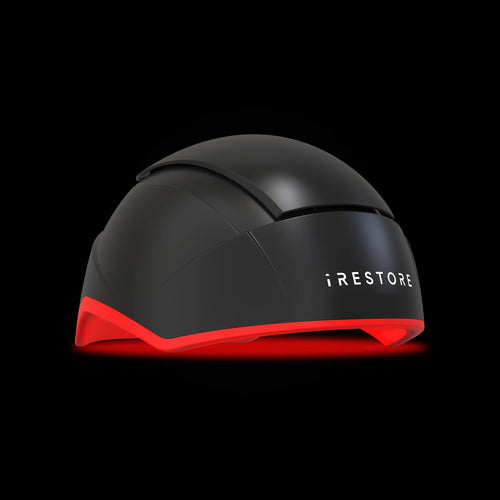
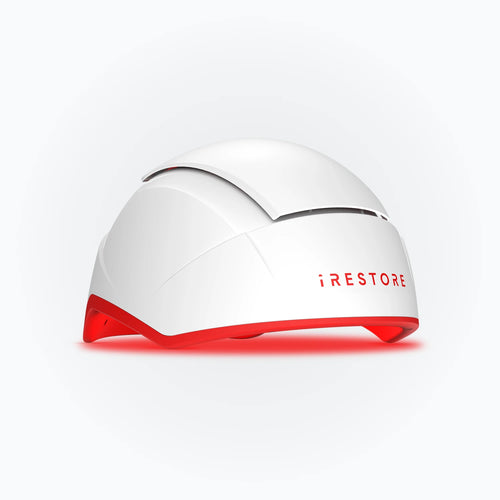
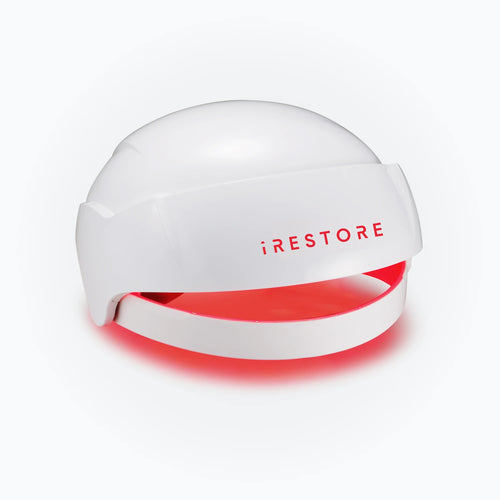
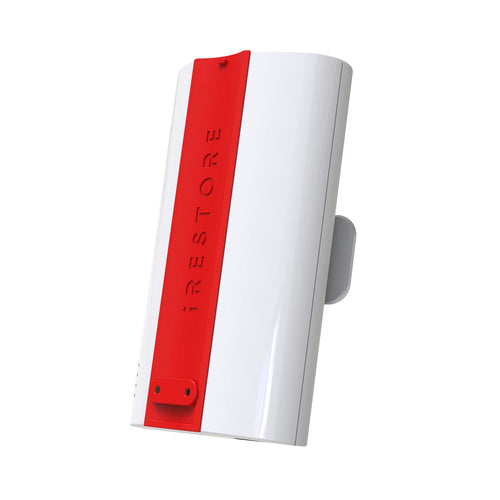
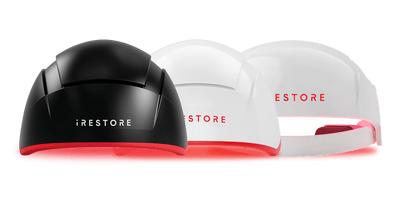
iRESTORE is an FDA-cleared device built for this purpose. Clinical studies show a 43% increase in hair count with consistent use. It works well alongside finasteride or minoxidil, and for those who'd rather skip medication entirely, it holds up as a standalone option. This guide on red light therapy frequency for hair growth walks you through how often to use it.
Hair transplant (FUE/FUT) is best suited for men at Norwood stage 4 and above. Costs range from $4,000 to $15,000 or more. Think of it as a last resort, not a first step.
What Wastes Your Money?
This section matters. Knowing what doesn't work protects your wallet and keeps you from losing precious time.
Here's what you can skip:
-
"Thickening" shampoos: They make hair look fuller temporarily, but they don't stop loss or regrow anything.
-
Biotin supplements: Unless you have a confirmed biotin deficiency, extra biotin does nothing for hair growth. Most people already get enough biotin through their diet.
-
Scalp detox products: There's no scientific basis for "detoxing" a scalp to restore hair.
-
Collagen supplements for hair: The evidence linking collagen supplements to hair regrowth is thin at best.
-
Random laser caps without FDA clearance: Not all laser devices are equal. A cheap cap with no clearance is not the same as a clinically tested, FDA-cleared device like iRESTORE.
-
"All-natural" DHT blockers: Products like saw palmetto have very limited evidence and nowhere near the effectiveness of finasteride. This review on whether Nutrafol actually works is a good example of how to think critically about supplement claims.
The pattern here is simple. If a product doesn't target DHT, improve blood flow to follicles, or stimulate follicles directly with proven technology, it probably won't do much. Save your money for what works.
When to Start Treatment?
The single biggest mistake men make is waiting. It feels like there's always a reason to hold off. "Let me see if it gets worse." "Maybe it'll stop on its own." It won't. And every month you wait, more follicles miniaturize past the point of recovery.
Here's how to match your Norwood stage to your next move:
-
Norwood 1 to 2: Hair loss is minimal. This is the time to monitor closely and talk to a doctor about preventive finasteride if there's a strong family history.
-
Norwood 2 to 3: This is your window. Start treatment now. Minoxidil, finasteride, red light therapy, or a combination gives you the best shot at holding and regrowing what you have.
-
Norwood 4 and above: Multi-modal treatment is the standard approach here. A transplant consultation also makes sense at this stage.
Think of your hair follicles like a business. A struggling business can be turned around. A closed one cannot. The earlier you act, the more you have to work with. To understand how light wavelength affects treatment outcomes, this comparison of 650nm vs 850nm red light for hair growth is a helpful read.
Styling and Confidence Tips
While treatments work in the background, a few practical changes can make a real difference in how you look and feel right now.
Haircuts that work with thinning:
-
Shorter cuts reduce contrast between thinning areas and fuller zones
-
A buzz cut or a fade can make thinning far less noticeable
-
Avoid long hair on top if the crown is thinning. It draws attention to exactly what you're trying to downplay
Other options worth knowing about:
-
Scalp micropigmentation is a non-surgical treatment that tattoos tiny dots onto the scalp to mimic the look of a shaved head or denser hair. It's increasingly popular and looks natural when done well.
-
Managing initial shedding: If you start minoxidil, expect some extra shedding in the first few weeks. This is normal. It means the treatment is working, pushing out weak hairs to make room for stronger ones.
Confidence comes from action. Men who take control of the situation, whether through treatment, a sharp new cut, or both, tend to feel better than those who just wait and worry. You don't need a full head of hair to look and feel good. You just need a plan.
When to See a Doctor?
Not all hair loss is male pattern baldness. If your shedding started suddenly, is patchy, or comes with scalp pain or itching, see a doctor before starting any treatment. These can be signs of conditions like alopecia areata, scalp infections, or hormonal issues that need a different approach entirely.
Even if it is androgenetic alopecia, a dermatologist can confirm your Norwood stage, rule out other causes, and prescribe finasteride if it's right for you. Over-the-counter options like minoxidil and red light therapy devices can be started without a prescription, but getting a professional assessment first puts you ahead.
See a doctor sooner rather than later if:
-
Hair loss started before age 25
-
You're losing hair in patches rather than a gradual pattern
-
You have a family history of autoimmune conditions
-
Shedding is sudden and severe
Conclusion
Balding is not a dead end. It's a signal to pay attention and act. The men who get the best results are not the ones with the best genetics. They're the ones who caught the signs early, chose treatments backed by real evidence, and stayed consistent.
Start by figuring out your Norwood stage. Then match it to the right treatment, whether that's finasteride, minoxidil, red light therapy with iRESTORE, or a combination of all three. Skip the supplements and shampoos that promise more than they can deliver.
The window to make a real difference is open right now. The longer you wait, the smaller it gets. So don't wait.
FAQs
1. What is the most effective treatment for male pattern baldness?
The most effective approach combines finasteride, minoxidil, and red light therapy. Each works differently, so using them together gives you the best chance of slowing loss and regrowing hair. No single treatment works as well as a consistent combination plan.
2. Can you stop balding if you catch it early?
Yes, catching it at Norwood stage 2 or 3 gives you the best shot. Treatments like finasteride and minoxidil are most effective when follicles are still active. Early action can slow or stop loss and even restore some thickness.
3. What Norwood stage is too late for treatment?
No stage is completely without options. However, by stage 6 or 7, most non-surgical treatments have limited impact. At that point, a hair transplant consultation or scalp micropigmentation are the more realistic paths forward.
4. Does red light therapy work for male hair loss?
Yes, when using an FDA-cleared device like iRESTORE. Clinical results show a 43% increase in hair count with consistent use. It works by stimulating follicles at the cellular level and pairs well with other treatments.
5. Is finasteride safe long-term?
For most men, yes. Long-term studies support its safety and effectiveness. Sexual side effects are possible but occur in a small percentage of users. A doctor can help you weigh the benefits against the risks for your specific situation.
6. What causes male pattern baldness, genetics or lifestyle?
Genetics is the primary driver. If baldness runs in your family, your follicles are likely sensitive to DHT, the hormone that shrinks them over time. Lifestyle factors like stress and poor nutrition can speed things up, but they are not the root cause.
7. How much does hair loss treatment cost per month?
It varies. Generic finasteride can cost as little as $10 to $30 per month. Minoxidil runs roughly $20 to $40. A device like iRESTORE is a one-time investment with no recurring cost. Hair transplants are a separate, larger expense ranging from $4,000 to $15,000 or more.
Disclaimer: The iRESTORE blog is for informational purposes only and is not intended to replace professional medical advice or treatment. Please do not ignore professional guidance because of information you’ve read here. If you have concerns about your hair or skin health, we encourage you to consult a qualified healthcare professional.