

Castor oil has taken over hair care feeds everywhere. Creators swear it regrows thinning patches, thickens strands overnight, and works better than anything a dermatologist might recommend.
The truth is more nuanced. Castor oil is a genuinely useful scalp care tool, but the clinical evidence for actual hair regrowth is very limited. TikTok oversells it but dismissing it completely would also be unfair.
This article gives you the honest picture. You will learn what castor oil can realistically do, where the science actually stands, and when you might need something stronger. No hype, no scare tactics, just what you need to make a smart decision.
What Is Castor Oil?
Castor oil comes from the seeds of the Ricinus communis plant. It has been used in traditional hair and skin care for centuries, across cultures in Africa, South Asia, and the Caribbean. That long history is part of why so many people trust it.
The most important compound in castor oil is ricinoleic acid, which makes up about 90% of its fatty acid content. This is what makes castor oil different from other oils. Ricinoleic acid has anti-inflammatory, antifungal, and humectant properties. A humectant draws moisture toward itself, which means castor oil helps pull hydration into the hair shaft and scalp rather than just sitting on top.
What TikTok Claims vs. What Science Actually Shows?
Social media has made castor oil sound like a miracle cure. Some of those claims have a grain of truth. Others have none. Here is an honest breakdown of the most common ones:
Claim #1: "Castor oil regrows bald patches."
There is no clinical evidence that castor oil can regenerate follicles. Once a follicle has miniaturized completely, a topical oil cannot reactivate it. Dermatology studies have found no reliable evidence supporting castor oil as a treatment for hair loss conditions like androgenetic alopecia.
Claim #2: "It thickens hair fast."
Ricinoleic acid may reduce scalp inflammation by interacting with receptors in the skin, which can support a healthier environment for hair growth. However, this is an indirect effect. Castor oil does not physically thicken the hair shaft or change its structure.
Claim #3: "You will see results in two weeks."
One of the most searched questions is how long does castor oil take to grow hair, and the answer is far longer than most social media posts suggest. Hair grows roughly 1 cm per month under healthy conditions. So, any visible change in density or length takes months, not weeks.
Claim #4: "It works better than clinical treatments."
No study supports this. Castor oil is a complementary tool, not a replacement for treatments with actual clinical evidence behind them. More on that in the comparison section.
The pattern here is not that castor oil is useless. It is that social media consistently exaggerates what it can do. Understanding the real picture helps you use it more effectively and set expectations that won't leave you disappointed.
What Castor Oil Can Realistically Do for Hair?
Now that we have cleared up the overclaims, here is what castor oil can genuinely do. Think of it less like a treatment and more like a supportive tool. It creates better conditions for healthy hair, but it does not drive the growth process itself.
What castor oil can do:
-
Moisturize the scalp: Ricinoleic acid acts as a humectant, drawing moisture to the scalp and reducing water loss from the skin's surface. A well-moisturized scalp is a healthier environment for hair growth.
-
Reduce scalp inflammation: Chronic low-level inflammation on the scalp can interfere with the hair growth cycle. Ricinoleic acid has mild anti-inflammatory properties that may help calm an irritated scalp over time.
-
Reduce breakage: Castor oil coats the hair shaft and adds a layer of slip. This means strands are less likely to snap during detangling or styling. Less breakage means hair retains more length over time.
-
Improve shine: The coating effect also smooths the outer layer of the hair shaft, which reflects light better and gives hair a healthier appearance.
What castor oil cannot do:
-
Reverse androgenetic alopecia, which is the most common form of genetic hair loss in both men and women
-
Reactivate follicles that have already stopped producing hair
-
Block DHT, the hormone responsible for pattern hair loss
-
Replace clinically proven treatments for progressive thinning
So does castor oil grow hair? The honest answer is that it supports the conditions for growth, but it does not trigger growth on its own.
If you are noticing consistent shedding or thinning over time, it is worth understanding the difference between a strand that broke and one that was lost at the root. This guide on new hair growth vs. breakage can help you figure out which one you are actually dealing with.
Jamaican Black Castor Oil vs. Regular Castor Oil: Which Is Better?
This is one of the most common questions people have when they start researching castor oil for hair growth. The short answer is that neither is universally better. The right choice depends on your hair type and what you are trying to address.
Here is a side-by-side look at the key differences:
|
Cold-Pressed Castor Oil |
Jamaican Black Castor Oil |
|
|
Processing |
Raw beans, cold pressed |
Roasted beans, then pressed |
|
Color |
Pale yellow |
Dark brown |
|
Texture |
Thick |
Thicker, heavier |
|
pH |
Slightly acidic |
Slightly more alkaline |
|
Best for |
Fine, thinning, or low-porosity hair |
Thick, coily, or very dry scalp |
|
Evidence |
Anecdotal and limited studies |
Mostly anecdotal |
The roasting process in JBCO creates ash, which raises the pH slightly. Some users believe this helps the oil penetrate the scalp more effectively. However, there is no direct clinical evidence confirming that JBCO outperforms cold-pressed castor oil in terms of hair growth outcomes. Both contain ricinoleic acid as their primary active compound, so the core benefits are the same.
If your hair is fine or already thinning, cold-pressed castor oil is the better starting point. It is lighter, easier to rinse out, and less likely to weigh strands down. If your scalp is very dry or your hair is thick and coily, JBCO's heavier texture may feel more satisfying and coat the strands more thoroughly.
The bottom line is that the version matters less than how consistently and correctly you use it.
How to Use Castor Oil for Hair Growth?
Castor oil is thick. Much thicker than most oils you may have used before. That texture is part of what makes it effective, but it also means application requires a little more effort. Here is a step-by-step routine that works for most hair types.
1. Choose your method
-
Scalp massage method: Warm a small amount of oil between your palms or in a bowl of hot water. Apply directly to the scalp in sections and massage for 5 to 10 minutes. Leave it on for at least 30 minutes, or overnight for deeper conditioning.
-
Hair mask blend: Mix castor oil with a lighter carrier oil like jojoba, argan, or grapeseed oil in a 1:1 ratio. This makes it easier to apply evenly and much easier to rinse out.
2. How often to use it?
Once or twice a week is enough for most people. Daily use leads to buildup on the scalp and shaft, which can actually work against you by clogging follicle openings. More is not better here.
3. How to wash it out properly?
This step trips a lot of people up. Because castor oil is so thick, applying shampoo to wet hair often is not enough to remove it fully. Instead, apply your shampoo directly to dry hair before stepping into the shower. Work it through your scalp and lengths, then add water and lather as normal. This breaks down the oil far more effectively.
4. A few important do's and don'ts
-
Do a patch test on your inner arm before applying to your scalp for the first time
-
Do not apply to an already oily or unwashed scalp, as this traps buildup
-
Do not use heavy amounts on fine or low-porosity hair, as it can flatten strands quickly
-
Do not expect results in days or even weeks. Give it at least two to three months of consistent use before evaluating whether it is working for you
How does castor oil compare to rosemary oil, minoxidil, and red light therapy?
Castor oil is not the only option for supporting hair growth, and for many people, it should not be the only tool they rely on. Here is how it stacks up against three other commonly used treatments. The goal is not to pick a winner but to help you understand what each option actually does so you can make an informed choice.
|
Treatment |
Clinical Evidence |
Best For |
Limitations |
|
Castor Oil |
Low- limited peer-reviewed studies |
Scalp dryness, breakage-prone hair, natural complement to other treatments |
No evidence for follicle regeneration or pattern hair loss |
|
Rosemary Oil |
Moderate- one study showed results comparable to 2% minoxidil after six months |
Early-stage thinning, natural support for DHT sensitivity |
Results take 3 to 6 months; overall evidence still limited |
|
Minoxidil (2% topical) |
High- FDA-approved for female pattern hair loss |
Vertex and crown thinning, progressive loss |
Requires ongoing use; initial shedding phase; possible scalp irritation |
|
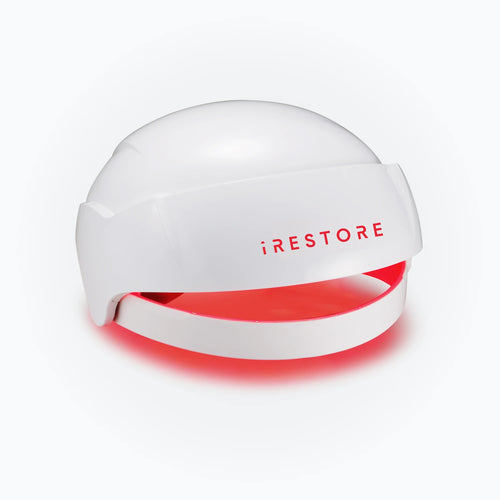
Red Light Therapy (iRESTORE) |
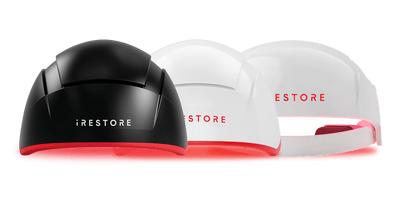
High- FDA-cleared; clinical study showing 43% increase in hair count in 16 weeks |
Androgenetic alopecia, thinning at any stage, safe complement to other treatments |
Requires consistent use; upfront device cost |
A few things worth noting about this table. Castor oil sitting in the low evidence category does not mean it is worthless. It means the research has not caught up to widespread use yet, and what we do have suggests real but limited benefits.
If you are curious about how red light therapy fits into a hair growth routine and how often to use it, this guide on how often to use red light therapy for hair growth breaks it down clearly.
Conclusion
Castor oil is a legitimate scalp care tool with real, if modest, benefits. It moisturizes the scalp, reduces breakage, and creates a healthier environment for hair growth. For people dealing with dryness or fragile strands, it is absolutely worth adding to a regular routine.
However, it is not a hair loss cure. No clinical evidence supports the idea that castor oil can reverse pattern hair loss, reactivate dormant follicles, or deliver the kind of density changes you see in TikTok before-and-after videos.
The smartest way to use castor oil is to know exactly what job you are asking it to do. Use it for scalp moisture, breakage reduction, and general hair health. If you need a more science-backed hair-loss treatment, you can check out iRESTORE’s Hair Growth Devices.
FAQs
Does castor oil actually regrow hair or just improve its appearance?
Castor oil primarily improves the appearance and condition of hair rather than driving new growth. It moisturizes the scalp, reduces breakage, and smooths the hair shaft. There is currently no strong clinical evidence that it regenerates follicles or reverses hair loss conditions like androgenetic alopecia.
How long does it take for castor oil to show results on hair?
Give it at least two to three months of consistent use before drawing conclusions. Hair grows slowly, and any improvement in scalp health takes time to show up as visible changes in density or length. Results that promise weeks are not realistic.
Is Jamaican black castor oil better than regular castor oil for hair growth?
Not necessarily. Both contain ricinoleic acid as their primary active compound. JBCO suits thicker, coily, or very dry hair better, while cold-pressed castor oil is lighter and works well for fine or thinning hair. The version matters less than how consistently you use it.
Can castor oil reverse baldness or pattern hair loss?
No. Castor oil cannot reverse androgenetic alopecia or reactivate follicles that have stopped producing hair. It supports scalp health and reduces breakage, but it does not address the hormonal or genetic factors that drive pattern hair loss.
How do I apply castor oil to my scalp for hair growth?
Warm a small amount, apply it to your scalp in sections, and massage for 5 to 10 minutes. Leave it on for at least 30 minutes or overnight, then wash it out by applying shampoo to dry hair before adding water. Use it one to two times per week for best results.
What is better for hair growth- castor oil or rosemary oil?
The castor oil vs rosemary oil for hair debate comes down to what you are trying to achieve. For hair growth specifically, rosemary oil has stronger clinical backing. Castor oil is better suited to scalp moisture and breakage prevention. The two can also be used together as part of a broader routine.
Disclaimer: The iRESTORE blog is for informational purposes only and is not intended to replace professional medical advice or treatment. Please do not ignore professional guidance because of information you’ve read here. If you have concerns about your hair or skin health, we encourage you to consult a qualified healthcare professional.