

It is completely normal to lose 50 to 100 hairs in the shower. Many people with thicker or longer hair lose up to 150. This happens because shampooing and rinsing release hairs that were already in the resting phase and ready to shed.
What looks like a huge amount of hair is really water clumping loose hairs together. On top of that, a whole day of shedding collects all at once during your wash.
This guide breaks down the real numbers, why showers make shedding look worse, and a quick self-check you can do at home.
The Direct Answer
Let's start with the number you came here for. If you worry about shower hair loss, the odds are strong that you are within the normal range.
So what counts as normal? The American Academy of Dermatology sets the standard at 50 to 100 hairs per day. Cleveland Clinic notes that people with thicker hair may shed up to 150. Put simply, 50 to 150 hairs a day is normal, depending on your hair type.
Now here is the part that should ease your mind. The average scalp holds around 100,000 hair follicles. Losing 150 hairs in a day is only about 0.15% of your total hair. That is a tiny fraction. It feels like a lot in your hand, but it barely dents your overall coverage.
Why Does the Shower Make Normal Shedding Look Alarming?
Here is a fact that surprises most people. The shower does not cause extra hair loss. It just collects it. Throughout the day, hairs fall out one by one and land on your clothes, your pillow, and your furniture. You never notice them. In the shower, shampooing releases all that built-up shedding at once. Then water pulls the loose strands together into what looks like a scary ball of hair.
Three things make normal shedding look alarming in the shower:
-
Water clumping. Wet hair sticks together. Fifty separate strands twist into one clump that looks like far more.
-
Hair length. Longer strands take up more space. The same number of hairs looks bigger when each one is long.
-
Wash frequency. The less often you wash, the more loose hairs pile up between washes.
That last point matters a lot. Say you wash your hair every three days. You are not seeing one day of shedding. You are seeing three days of it, all released in a single wash. That can mean 150 to 300 hairs at once. It looks alarming, but it is just normal multi-day shedding showing up together.
What Affects How Much You Lose in the Shower?
Not everyone sheds the same way in the shower. Several everyday factors change how much hair you see in the drain. Most of them affect how the loss looks, not how much you actually lose. Here is a quick breakdown.
|
Factor |
Effect on Apparent Shower Loss |
|
Hair length |
Longer hair creates bigger-looking drain clumps. Each strand takes up more space. This is about how it looks, not the number of hairs. |
|
Hair thickness and density |
Thicker hair means more follicles overall. More hairs means more daily shedding, but it stays proportionally normal. |
|
Wash frequency |
Washing less often means more loose hairs release in one session. It looks like more because it is two or three days condensed into one. |
|
Heat styling and chemical treatments |
These cause breakage. Broken strands add to the drain count without meaning your follicles are failing. |
|
Seasonal variation |
Shedding rises slightly in autumn. This is a normal, documented pattern, not a warning sign. |
Think of it like raking leaves. A tall oak drops more leaves than a small shrub, but both are healthy. More hair simply means more strands in play. The proportion staying is what counts, and for most people that proportion is just fine.
When Shower Hair Loss Is a Concern: Red Flags to Watch
Most shower shedding is harmless. Still, there are times when it points to something worth checking. Book an appointment with a dermatologist if you notice any of the following signs.
-
Dense, tight clumps every wash. Losing what feels like packed clumps of 200 or more hairs each time, not just a loose collection of strands.
-
A thinner ponytail. Your ponytail feels noticeably thinner than it did 6 to 12 months ago, or your center part looks wider.
-
Patterned thinning. Thinning focused at your crown or temples, which is different from an even, all-over reduction.
-
A sudden spike after a stressor. A big jump in shedding 2 to 4 months after an illness, surgery, or childbirth. This is often telogen effluvium, a temporary shedding phase that usually resolves on its own but is worth monitoring.
-
Shedding with other symptoms. Hair loss paired with scalp itching or pain, fatigue, rapid weight change, or irregular periods.
One red flag alone does not always mean trouble. But if you tick more than one box, it is smart to see a professional. Understanding what causes hair loss can also help you spot the difference between normal shedding and a real change.
3-Step Self-Assessment
You do not need a clinic to get a rough read on your own shedding. This simple three-step check helps you tell normal loss from a real concern. Do it over a couple of showers for the best picture.
-
Count or estimate. Collect the loose hairs from one or two showers. A loose palmful is usually 50 to 80 strands, which is normal. If you consistently gather what feels like two or three tight clumps every wash, that is worth a closer look.
-
Check for a pattern. After showering, part your hair and look at your crown in natural light. Even, all-over loss with your density still intact points to normal shedding. Shower loss plus thinning at the crown or a widening part is worth a dermatologist visit.
-
Compare to 6 months ago. Take a photo of your crown and part today. Compare it to an older photo in similar lighting. Also try the ponytail test: does it feel thinner than before? A slow, steady drop in coverage across photos is a sign worth investigating.
The goal here is trend, not a single scary day. One heavy wash means little. A steady change over months means more. If your self-check raises questions, the next section covers your options.
For Confirmed Hair Loss: What the Evidence Supports
Sometimes a self-check does point to real hair loss. If that is your situation, the good news is that clear, proven options exist. The right path depends on the type of loss you have. Broadly, it breaks into two common cases.
The first is telogen effluvium, the sudden diffuse shedding that follows a trigger like illness, surgery, or childbirth. Here the fix is usually patience, not a device. Address the underlying cause and give it 3 to 6 months to settle on its own. A blood panel to check your ferritin, vitamin D, and zinc levels can rule out any gap that might be slowing recovery. If a recent pregnancy is the trigger, our guide to postpartum hair loss walks you through what to expect.
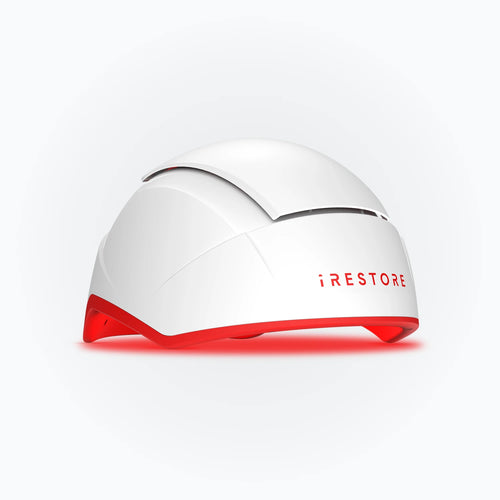
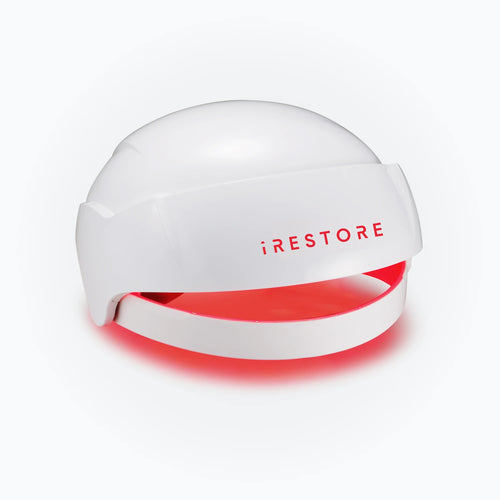
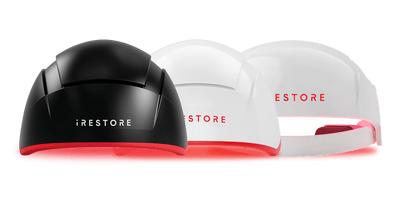
The second is androgenetic alopecia, better known as pattern hair loss. This one is progressive, so early action matters. Evidence-based options include minoxidil, an FDA-approved topical treatment. They also include low-level laser therapy at 655nm, which is FDA-cleared for pattern hair loss and used in iRESTORE devices. For some people, a dermatologist may also prescribe anti-androgen medication. Starting early gives you the best shot at holding onto your hair.
Key Takeaways
Here is the short version if you skimmed to the bottom.
-
The normal range is 50 to 100 hairs a day, up to 150 for thicker hair. Most shower hair loss anxiety is just normal shedding made to look worse by water clumping, hair length, and days of buildup.
-
The shower does not cause extra loss. It gathers the shedding that happens all day into one visible moment at the drain.
-
Watch for real red flags. These include losing 200 or more hairs every wash, a noticeably thinner ponytail, or a center part that looks wider than it did 6 to 12 months ago.
-
A sudden spike after a stressor is usually temporary. Shedding that jumps 2 to 4 months after illness, surgery, or childbirth is almost always telogen effluvium, and it clears once the trigger is gone.
-
Confirmed pattern loss has proven treatments. Options include minoxidil, laser therapy at 655nm through iRESTORE devices, and prescription anti-androgens. Earlier treatment brings better results.
Before we get to your specific questions, remember the core message. Losing hair in the shower is one of the most common worries out there, and for most people it is nothing to fear.
Frequently Asked Questions
How much hair is normal to lose in the shower?
Around 50 to 100 hairs a day is the normal range, according to the American Academy of Dermatology. Sources including Cleveland Clinic note that people with thicker or longer hair may shed closer to 150. Most of the day's total shedding shows up in the shower because shampooing releases loose hairs all at once.
Why do I lose so much hair in the shower?
The shower amplifies visible hair loss in three ways. First, shampooing releases all the day's loose hairs at once. Second, water clumps strands together, so 50 hairs look like far more. Third, long hair takes up more visual space per strand without meaning more loss. You are not losing extra hair. You are seeing normal daily loss packed into one moment.
Is it normal for clumps of hair to come out in the shower?
A loose clump of 50 to 100 hairs is normal. That is just typical daily shedding, water-clumped into a visible ball. A dense, tightly packed clump of 200 or more hairs every single wash is worth a dermatologist visit. The real question is not how the clump looks, but whether your overall density is dropping.
Does washing your hair more often cause more hair loss?
No. Washing more often does not cause more loss. It just changes when you see the shedding. Daily washing shows 50 to 100 hairs per session. Washing every three days shows 150 to 300 hairs at once, which is three days of buildup. The total hair lost per day stays the same.
Does hot water cause hair loss in the shower?
Hot water does not cause follicle hair loss. Very hot water can strip scalp oils and add some dryness or irritation over time. However, there is no evidence it damages follicles at normal shower temperatures. For reference, water reaches scalding heat at 120°F (49°C), and a normal shower sits well below that.
How do I know if shower hair loss is too much?
Focus on the trend and the pattern, not one day's count. Key warning signs include a ponytail that feels thinner than 6 months ago, a center part that looks wider, or thinning focused at the crown or temples rather than spread evenly. If you are unsure, a dermatologist can use trichoscopy, a close-up scalp exam, to check whether your follicles are shrinking.
When should I be worried about hair in the shower drain?
See a dermatologist if you consistently lose 200 or more hairs per wash. Also go if you notice patterned thinning at the crown, part, or temples. The same applies if a big shedding increase started 2 to 4 months after a stressor and has not cleared after 3 to 6 months, or if it comes with scalp pain, itching, fatigue, or weight change.
Can red light therapy help with hair loss found in the shower?
For confirmed pattern hair loss, yes. iRESTORE laser devices at 655nm feed hair follicle energy through a process called photobiomodulation, which helps slow shrinking follicles and support regrowth. For temporary telogen effluvium, laser therapy is not specifically indicated. That condition resolves on its own once the trigger is addressed and your body self-corrects.
iRESTORE is loved by 600,000+ customers worldwide


Disclaimer: The information in this article is for educational purposes only and is not intended as medical advice. Consult a qualified healthcare provider before starting any new treatment for hair loss.