
The iRESTORE Blog
Confidence Starts Here


61 Results
Does Wearing a Hat Cause Hair Loss? The Science-Backed Answer
Hats don't cause hair loss. But tight headwear and poor hygiene can trigger traction alopecia. Here's what the science actually says.
Read More
Hair Porosity Explained: What It Means and How to Care for Your Hair
Healthy hair care is about more than choosing the right shampoo or conditioner. The real foundation of strong, resilient hair begins with understanding your hair itself and how it naturally functions. One of the most overlooked aspects of this is hair porosity, which plays a central role in how hair interacts with products and treatments. If you’ve struggled with dryness, frizz, or treatments that never seem to work, the answer may come down to your hair porosity. Understanding this hidden factor can transform the way you care for your hair and improve the effectiveness of treatments like red light therapy. What Is Hair Porosity? Hair porosity refers to your hair’s ability to absorb and retain moisture, oils, and treatments. It depends on the condition of the hair, the protective outer layer of each strand. Imagine the cuticle like roof shingles: when tightly sealed, moisture has trouble getting in, but when raised or damaged, moisture gets in easily but also escapes quickly. Porosity isn’t tied to curl pattern or thickness; it’s influenced by genetics, environment, and lifestyle habits. Frequent heat styling, coloring, and chemical treatments often raise porosity, while naturally resistant cuticles stay low-porosity. Understanding your porosity helps you make better decisions about conditioners, oils, and advanced treatments. Instead of guessing, you’ll know exactly how your hair interacts with products and therapies, ensuring your routine supports long-term strength and hydration. Types of Hair Porosity Low Porosity Cuticles are tightly packed. Water and products tend to sit on the surface instead of absorbing. Common struggles: buildup, stiffness, and longer drying times. Medium (Normal) Porosity Cuticles allow balanced absorption and retention. Hair tends to be shiny, manageable, and responsive to styling. Requires less maintenance but still benefits from consistent care. High Porosity Cuticles are raised, often from heat or chemical damage. Hair absorbs moisture and products quickly but loses them just as fast. Common struggles: dryness, frizz, and split ends. Each type requires a slightly different approach. While low porosity needs lightweight, penetrating treatments, high porosity thrives with rich, sealing products. Medium porosity falls somewhere in between, benefiting most from balanced routines. Recognizing where you fall on this spectrum gives you the foundation for choosing care that actually works. How to Test Hair Porosity at Home Determining your hair’s porosity doesn’t require a lab, it can be done easily at home with a few quick tests: Float Test: Place a clean strand of hair in a glass of water. Floats = low porosity Slowly sinks = medium porosity Sinks quickly = high porosity Slip Test: Run your fingers from tip to root. Smooth = low porosity Slight texture = medium porosity Rough or bumpy = high porosity Spray Test: Mist water onto dry hair. Droplets bead on the surface = low porosity Absorbs immediately = high porosity These quick checks help you understand your hair’s natural behavior and guide your decisions when selecting treatments, styling products, and therapies like red light. Why Hair Porosity Matters for At-Home Hair Care Porosity shapes how your hair interacts with every product and treatment. For example: Low porosity hair resists absorption, so lightweight serums, steam, or gentle heat help treatments penetrate better. Medium porosity hair is the easiest to maintain, responds well to balanced hydration and protein care. High porosity hair requires reparative products and sealing oils to prevent constant moisture loss. This is where iRESTORE’s FDA-cleared red light therapy stands out. By delivering therapeutic wavelengths directly to the scalp, iRESTORE stimulates blood flow, energizes hair follicle cells, and supports stronger growth regardless of porosity type. With more than 500K satisfied users, iRESTORE bridges the gap between at-home convenience and professional-grade results. Understanding your porosity allows you to pair red light therapy with the right products, maximizing absorption and ensuring your hair gets the nutrients and stimulation it needs to thrive. How to Use Red Light Therapy for Best Results Consistency is the key to success with red light therapies like exercise for your hair follicles. Here’s how to get the most out of your device: Frequency: Use your device 3–4 times per week for 20 minutes. Preparation: Always start with a clean, dry scalp to allow the therapeutic light to reach follicles effectively. Patience: While some notice changes in thickness or reduced shedding after a few months, full results typically take 6–12 months. Combine with care: Support therapy with proper nutrition, hydration, and sulfate-free shampoos to further enhance outcomes. Many people track progress with monthly photos. This helps capture subtle improvements that may not be obvious day-to-day and keeps motivation high. Red light therapy is not a quick fix, but with steady use and supportive care, it can promote long-term improvements in scalp health and hair strength. Is Red Light Therapy Safe? Red light therapy is generally safe, non-invasive, and drug-free. Most users only feel a mild warming sensation during sessions. Devices like iRESTORE are FDA-cleared, which means they’ve been reviewed for both safety and effectiveness. This adds reassurance compared to unregulated devices on the market. That said, results vary depending on factors like hair porosity, scalp condition, and genetics. People who are pregnant, breastfeeding, or taking medications that increase light sensitivity should consult a healthcare professional before use. Stronger, Healthier Hair Starts with Porosity By understanding your hair porosity and using treatments like red light therapy, you can build a care routine that works with your hair, not against it, leading to stronger, healthier strands over time. By combining knowledge of porosity with consistent care, you create a personalized routine that works with your hair instead of against it, laying the foundation for healthier, more resilient strands for years to come. Confidence Restored! FAQs 1. Can red light therapy help all hair porosity types?Yes. Whether you have low, medium, or high porosity hair, red light therapy targets the follicles at the scalp level. Since porosity mainly affects how hair retains moisture, it does not limit the effectiveness of follicle stimulation through red light therapy. 2. How do I know if red light therapy is working for me?Progress can be tracked through reduced shedding, increased hair thickness, and new growth along thinning areas. Many users find it helpful to take monthly photos to measure subtle changes over time. 3. Can I combine red light therapy with other hair care products?Absolutely. In fact, pairing red light therapy with products suited to your porosity type such as lightweight moisturizers for low porosity or sealing oils for high porosity can enhance results. 4. Who should avoid red light therapy?Red light therapy is generally safe, but people who are pregnant, breastfeeding, or taking photosensitive medications should consult a healthcare professional before use. Disclaimer: The iRESTORE blog is for informational purposes only and is not intended to replace professional medical advice or treatment. Please do not ignore professional guidance because of information you’ve read here. If you have concerns about your hair or skin health, we encourage you to consult a qualified healthcare professional.
Read More
How to Massage Scalp for Hair Growth: Techniques and Tips
When it comes to growing thicker, healthier hair, most people immediately think about shampoos, supplements, or high-tech treatments. But sometimes, the simplest methods can make a big difference. One of the most effective is learning how to massage scalp for hair growth. Not only does it feel relaxing, but scalp massage improves blood circulation to your hair follicles, reduces stress (a common trigger of hair loss), and helps create the right environment for stronger, fuller hair. And when done consistently, scalp massage can even complement advanced treatments like laser hair therapy for more noticeable results. Why Scalp Massage Helps with Hair Growth The idea of using your fingertips to stimulate hair growth might sound too simple, but research shows that regular scalp massage can make a real difference. Here’s why: Improves Blood CirculationMassaging the scalp increases blood flow to your hair follicles. More circulation means more oxygen and nutrients reach the roots of your hair fueling stronger, healthier growth. Reduces Stress & Cortisol LevelsStress is one of the most common triggers of hair thinning and shedding, and it’s one of several well-known causes of hair loss. Scalp massage helps relax the nervous system, lowering cortisol (the stress hormone) that can damage follicles over time. Supports Natural Oil ProductionGentle massage stimulates your scalp’s sebaceous glands, releasing natural oils that keep your scalp balanced and your strands moisturized. Creates a Healthier Scalp EnvironmentBy reducing tension, improving circulation, and nourishing the scalp, massage makes it easier for new hair to grow thicker and stronger. In short, scalp massage goes beyond relaxation and helps create the perfect conditions for healthy hair to thrive. How to Massage Scalp for Hair Growth Scalp massage is a simple practice that uses gentle pressure, steady rhythm, and consistency to improve blood circulation and nourish hair follicles. It works like a mini workout for your scalp, creating the right conditions for healthy growth. Here are some proven methods you can try: Fingertip Circular Motion Place the pads of your fingers (never your nails) on your scalp and move them in small circular motions. Start at the front mature hairline vs receding area and gradually move toward the crown, sides, and back of your head until the entire scalp is covered. This motion stimulates blood flow, encouraging oxygen and nutrients to reach the follicles. Tip: Apply even pressure across all areas and use both hands at once for balanced stimulation. Kneading and Pressing Method Using your fingertips, press gently into your scalp and slowly release, repeating the motion several times. Focus especially on the temples, crown, and the base of your skull, where tension tends to build up. This method relaxes tight muscles, reduces stress hormones like cortisol, and promotes circulation, all of which create a healthier scalp environment for growth. Tip: Practice this method before bed to combine relaxation with hair follicle stimulation. Pinching and Lifting Technique Place your fingers flat on the scalp and gently pinch small sections of skin, lifting them slightly before releasing. This lifting action stretches the tissue under the scalp, further improving blood supply to the roots of the hair. Over time, this can help strengthen follicles and reduce thinning. Tip: Move section by section in an organized pattern so that you stimulate the entire scalp instead of focusing on just one area. Using Massage Tools Tools can make the process easier and more consistent. Silicone scalp brushes are great for use in the shower, as they help exfoliate dead skin and prevent clogged follicles while boosting circulation. Handheld massagers mimic professional massage motions and are useful for people who want longer sessions without tiring their hands. More advanced options, such as red light therapy helmets with built-in stimulation, combine the benefits of massage with follicle-activating light therapy. Tip: Choose tools that feel comfortable and avoid using them with excessive pressure to prevent irritation. Aim to massage your scalp gently but thoroughly for five to ten minutes per session. The techniques not only increase circulation but also reduce stress, improve nutrient delivery, and keep the scalp environment balanced, all factors that support thicker and healthier hair growth. How Often Should You Massage Your Scalp Scalp massage works best when it becomes a regular habit. A single session can boost blood circulation for a short time, but the real benefits come from consistency. Most people see positive changes when they massage for five to ten minutes several times a week. If your schedule allows, daily massage can be even more effective because it provides steady stimulation to the follicles. The timing of your massage also matters. Many people enjoy massaging while shampooing, since the circular motions help distribute product and remove buildup at the same time. Others prefer doing it at night as a way to relax before bed, which also lowers stress levels that may contribute to hair thinning. Massaging before applying topical serums or using a laser hair growth device is another smart option, as it prepares the scalp and improves absorption. What’s most important is not the intensity of pressure but the rhythm and regularity. Gentle, consistent movements encourage long-term circulation and nourishment, while pressing too hard can irritate the scalp or weaken strands. With patience and consistency, scalp massage becomes more than just a relaxing ritual, it turns into a simple, effective way to support thicker, healthier hair growth. Combining Scalp Massage with Laser Hair Growth Therapy Scalp massage improves blood circulation and creates a healthier foundation for growth, but the results are even better when paired with low-level laser therapy (LLLT). The iRESTORE Laser Hair Growth System uses safe, medical-grade light to stimulate follicles at the cellular level, boosting energy production and supporting thicker, fuller hair. Massaging your scalp before or after an iRESTORE session helps deliver nutrients more effectively and makes the scalp more receptive to treatment. Together, massage and iRESTORE provide a powerful one-two approach: circulation from the massage and targeted follicle stimulation from the laser therapy. With consistent use, this combination can maximize scalp health and enhance visible hair growth results. Conclusion Scalp massage is a simple, natural way to support stronger, healthier hair. By improving blood circulation, reducing stress, and keeping the scalp nourished, it creates the right conditions for growth. The key is consistency, just a few minutes of gentle massage several times a week can make a noticeable difference over time. For even greater results, pair scalp massage with advanced treatments like the iRESTORE Laser Hair Growth System. Together, they combine the power of natural stimulation and clinically proven technology to maximize follicle health and help you achieve fuller, thicker hair. FAQs About Scalp Massage for Hair Growth Does scalp massage really promote hair growth?Yes. Regular scalp massage stimulates blood flow, relaxes scalp tension, and nourishes follicles. While it may not regrow hair in bald spots, it can improve thickness and scalp health in areas of thinning. How long does it take to see results from scalp massage?Scalp massage works gradually. Most people notice improved scalp condition and fuller-looking hair within two to three months of consistent practice. For faster, more noticeable results, it can be combined with the Laser Hair Growth therapy. Can scalp massage help with thinning hair or receding hairlines?It may help slow progression by stimulating blood flow and strengthening existing follicles. However, for receding hairlines or advanced thinning, massage alone is not enough. Combining it with treatments like iRESTORE offers a stronger solution. Is scalp massage safe for everyone?Yes, when done gently. Avoid using nails or applying too much pressure. If you have a scalp condition such as eczema, psoriasis, or an open wound, consult a dermatologist before starting. Disclaimer: The iRESTORE blog is for informational purposes only and is not intended to replace professional medical advice or treatment. Please do not ignore professional guidance because of information you’ve read here. If you have concerns about your hair or skin health, we encourage you to consult a qualified healthcare professional.
Read More
How to Fix a Messed-Up Hairline: 7 Proven Solutions That Work
Here are 7 dermatologist-approved ways to fix an uneven or receding hairline, ranked from quickest fix to longest-lasting results.
Read More
How Much Hair Loss Is Normal and When to Worry
Finding a few hairs in your brush or on your pillow can feel worrying, but in most cases, it is completely normal. According to dermatologists and trichologists, the average person loses 50 to 100 strands of hair per day. While this may sound like a lot, it is only a tiny fraction compared to the 100,000 follicles on the scalp. The challenge is that ‘normal’ shedding isn’t always easy to identify. A few extra strands during stressful weeks or seasonal changes can seem alarming, even though they may be perfectly natural. In contrast, certain patterns of loss such as widening parts or more noticeable thinning may signal something more significant. How Much Hair Shedding Is Normal? Noticing strands of hair on your pillow, in the shower, or tangled in your brush can be unsettling. For many, it sparks an immediate question: “Am I losing too much hair?” The truth is, hair shedding is a natural part of life. On average, a person sheds between 50 and 100 hairs each day. Just like our skin renews itself, our hair also goes through continuous cycles of growth and renewal. How much hair you notice also depends on your habits and hair type. For example: Longer or thicker hair appears to shed more Shampooing or brushing releases hairs that were already loose Seasonal changes, stress, or diet shifts may cause temporary increases Most of the time, this shedding is normal and balances out naturally. But sometimes, hair loss can go beyond the usual cycle. Normal Shedding vs. Excessive Hair Loss Normal Shedding Excessive Hair Loss 50–100 hairs daily Sudden or sustained increase in daily loss Even shedding across scalp Thinning in certain areas (crown, hairline, widening part) Ponytail thickness remains the same Ponytail feels smaller over time Hair strands stay strong Hair becomes weaker, thinner, or brittle Temporary (seasonal, stress, diet) Persistent or patterned, often progressive When to Pay Attention If you notice clumps of hair on your pillow, a shrinking ponytail, or bald patches, it may signal thinning rather than routine shedding. While occasional shedding is part of the body’s renewal process, persistent or patterned hair loss deserves closer attention and professional guidance. Recognizing the difference helps you avoid unnecessary worry when shedding is normal and take action when it is not. Safe and effective solutions are available to help you manage hair loss with confidence. Safe and Easy Ways to Support Hair Growth For many people, the idea of treating hair loss brings to mind transplants, prescription medications, or harsh topical formulas. While these options can be effective, they are not always the right fit for everyone. Some carry side effects, others come with high costs, and most require ongoing use. Fortunately, advancements in modern science have made gentler, non-invasive alternatives available. One such approach is low-level light therapy (LLLT), a treatment that uses therapeutic red light to stimulate hair follicles. Research shows that this light can help improve blood flow, enhance cellular activity, and encourage dormant follicles to re-enter the growth phase. Because it works at a cellular level rather than altering hormones or requiring surgery, it is considered a safe and drug-free option. Devices such as iRESTORE, which are FDA-cleared for use at home, make this technology accessible to the everyday user. Clinical studies on LLLT have demonstrated encouraging results, with participants reporting improvements in both the density and quality of their hair after regular use. While no single solution works for everyone, LLLT represents an evidence-based, non-invasive path for those seeking to manage thinning hair. For people looking to explore treatment options beyond medication or surgery, light therapy offers a practical and science-backed alternative. The Role of Community Support Hair loss affects more than just your appearance; it often influences how you feel about yourself. Many people experience a drop in confidence, hesitation in social situations, or even anxiety about how they are perceived. While treatments can address the physical side of hair loss, emotional support plays an equally important role in the journey. Being part of a community helps reduce the sense of isolation. Sharing experiences, discussing what has or has not worked, and celebrating milestones can transform what feels like a private struggle into a shared experience. Even small moments of progress, such as noticing less shedding or seeing thicker regrowth, become more meaningful when they are shared with others. iRESTORE’s user network illustrates the power of this kind of support. Loved by more than 500K customers worldwide, the community offers encouragement, real stories, and inspiration for those beginning their hair restoration journey. Knowing that you are not alone can make every step toward healthier, fuller hair more empowering. Moving Forward With Confidence Hair shedding is a natural and necessary part of the hair growth cycle. Most people lose between 50 and 100 strands each day, and this process helps the scalp renew itself. The important thing is to understand the difference between normal shedding and hair loss that signals a deeper issue. Occasional increases, such as after stress or seasonal changes, are common. However, consistent thinning, bald patches, or noticeable changes in hair texture and density are signs worth paying closer attention to. By learning what is normal for your hair and knowing when changes require further evaluation, you can take a more informed and confident approach to your hair health. Confidence restored! FAQs When should I worry about hair loss?If you notice sudden shedding, thinning at the crown, a widening part, bald patches, or weaker hair quality, it may be time to seek expert advice. Can stress or seasonal changes cause more hair shedding?Yes, temporary factors like stress, diet shifts, illness, or seasonal changes can increase shedding, but this usually balances out on its own. What is the difference between shedding and hair thinning?Shedding means old hairs are naturally falling out, while thinning suggests your follicles are weakening and fewer new hairs are growing back. What non-invasive treatments are available for hair loss?Low-level light therapy (LLLT) devices like iRestore are FDA-cleared, drug-free, and can help stimulate follicles to support hair regrowth. How long does it take to see results from iRESTORE or LLLT?Most people start noticing visible improvements in hair thickness and growth within 3 to 6 months of consistent use. Disclaimer: The iRESTORE blog is for informational purposes only and is not intended to replace professional medical advice or treatment. Please do not ignore professional guidance because of information you’ve read here. If you have concerns about your hair or skin health, we encourage you to consult a qualified healthcare professional.
Read More
What Does Damaged Hair Look Like? 7 Signs and How to Repair It
Your hair is often one of the first things people notice, and when it appears dull, frizzy, or lifeless, it usually signals that something deeper is going on. Many people mistake simple dryness for actual hair damage, but the two are very different. Dry hair can often be improved with extra hydration, while damaged hair involves weakened cuticles, breakage, and long-term stress on the strands. Recognizing the early signs of damage makes it easier to protect your hair and prevent the problem from becoming more severe. This article explains what damaged hair looks like, the main causes behind it, and the most effective ways to repair and restore its health. What Does Damaged Hair Look Like? Damaged hair is more than just dryness. It occurs when the hair’s protective outer layer, the cuticle, becomes weakened or broken down. Once the cuticle is lifted or cracked, the inner structure of the hair is exposed and vulnerable. This type of structural damage leaves strands weaker, rougher, and far more likely to break. Damaged Hair vs. Dry Hair Aspect Dry Hair Damaged Hair Cause Lacks natural moisture due to environment, washing habits, or mild dehydration. Structural issues in the hair shaft and cuticle from heat, chemicals, or mechanical stress. Appearance Looks dull or flat but still feels intact. Looks frizzy, brittle, and uneven with split ends. Texture Rough or coarse to touch, but not fragile. Weak, brittle, and prone to snapping or breaking. Elasticity Maintains stretch, though feels stiff. Loses elasticity and snaps easily when stretched. Recovery Improves quickly with moisturizing conditioners or oils. Needs deeper repair with targeted treatments and consistent care. Visual Cues to Watch For If you’re wondering whether your hair is damaged, here are the most common signs people notice right away: A dull, lifeless appearance (no natural shine). Frizz and flyaways that won’t smooth down. Rough texture when you run your fingers through it. Tangling and knotting more than usual. Uneven, frayed, or split ends. Hair that snaps instead of stretches when pulled gently. By recognizing these visual cues early, you’ll be better equipped to prevent further harm and start repairing your strands before the damage worsens. Key Signs of Damaged Hair Not sure if your hair is truly damaged? Beyond looking dull or frizzy, damaged hair shows very specific signs that set it apart from normal dryness or temporary roughness. Here are the key indicators to look out for: Split Ends & BreakageThe most obvious sign of damage is when the ends of your hair start splitting into two or more strands. Split ends make hair look uneven, frizzy, and unhealthy. Left untreated, they travel up the strand, causing more breakage over time. Dry, Brittle TextureHealthy hair feels soft and smooth. Damaged hair, on the other hand, feels rough, coarse, or straw-like when you run your fingers through it. This brittle texture comes from lifted cuticles and a weakened hair shaft. Frizz & FlyawaysWhen the cuticle is damaged, it no longer lies flat, causing strands to stick out and resist styling. This creates constant frizz and flyaways that make hair appear messy even after brushing. Tangling & KnotsDamaged cuticles cause hair strands to catch on each other, leading to frequent tangles and knots. If your hair gets difficult to comb or detangle without breakage, it’s a red flag. Loss of ShineShiny hair is a sign of a healthy, smooth cuticle that reflects light. When hair is damaged, it loses its natural luster, appearing dull, flat, and lifeless no matter how often you wash it. Reduced ElasticityOne of the clearest signs of structural damage is elasticity loss. Healthy strands stretch slightly when pulled and bounce back without breaking. Damaged hair stretches a little but then snaps easily, signaling weakened structure. Overall Thinning AppearanceLong-term damage can make hair look thinner overall, with less body and volume. This happens when breakage and weak strands accumulate over time. Common Causes of Hair Damage Hair does not become damaged overnight. It is most often the result of repeated stress on the strands. By understanding the root causes, you can take steps to repair existing damage while also preventing it from happening again. Heat Styling ToolsFlat irons, curling wands, and blow dryers expose hair to high temperatures that weaken the protective cuticle. Over time, this leads to dryness, breakage, and split ends. Chemical TreatmentsBleaching, coloring, perming, or relaxing your hair all involve harsh chemicals that strip away natural proteins and moisture. This makes the hair shaft weaker and more prone to long-term damage. Environmental StressorsUV rays from the sun, pollution, and humidity can all break down the hair’s natural barrier. Prolonged exposure leaves hair rough, dry, and more likely to frizz. Mechanical StressEveryday habits like tight ponytails, braids, or even rough brushing and towel-drying can cause mechanical wear and tear. This often leads to split ends and breakage. Poor Hair Care HabitsSkipping conditioner, over-washing, or using the wrong products for your hair type can strip away natural oils and leave strands vulnerable. Lifestyle & Internal FactorsDiet, stress, hormonal changes, and dehydration all impact hair health from within. When your body lacks essential nutrients or hydration, your hair becomes weaker and less resilient. Once you identify the causes, you can adjust your routine and begin repairing the damage with consistent care. Repairing Damaged Hair with iRESTORE Tools While you can’t undo damage instantly, the right treatments and tools can help strengthen your strands, restore shine, and promote healthier growth over time. iRESTORE offers science-backed solutions designed to target the root causes of weak, brittle hair. 1. Low-Level Light Therapy (LLLT) iRESTORE’s FDA-cleared devices use low-level light therapy to penetrate the scalp and stimulate hair follicles. By improving blood flow and nutrient delivery, LLLT strengthens weakened follicles and encourages thicker, healthier regrowth. This makes it a long-term solution for hair that appears thin or fragile from damage. 2. iRESTORE Hair Care Products Shampoos & Conditioners: Formulated to gently cleanse while replenishing lost moisture and nutrients. They smooth the cuticle to reduce frizz and restore softness. Serums & Supplements: Designed to nourish hair from the inside out, providing essential vitamins, antioxidants, and hydration for stronger strands. Together, these products do more than mask damage. They actively repair and protect hair at the cellular level. 3. Building Consistency Into Your Routine Repairing damaged hair is not about quick fixes, it is about consistency. By pairing iRESTORE tools with smarter habits such as limiting heat styling, protecting hair from UV exposure, and maintaining a nutrient-rich diet, you create the ideal environment for hair to recover and thrive. With iRESTORE’s tools and supportive care, damaged hair can gradually regain its strength, resilience, and shine. The Role of Support and Community Caring for damaged or thinning hair is not only a physical journey but also an emotional one. Many people experience frustration, loss of confidence, or even anxiety when their hair no longer looks or feels the same. Having a supportive community can make this process easier. Sharing personal stories, tips, and progress updates helps reduce feelings of isolation and encourages consistency in care. Brands like iRESTORE, loved by more than 50K customers worldwide, have built communities where users find encouragement and inspiration from others on the same path. Knowing you are not alone turns recovery into a shared experience that feels both motivating and achievable. Your Path to Stronger, Healthier Hair Damaged hair is easy to recognize once you know the signs, such as split ends, brittleness, dullness, and thinning. While everyday stressors like heat styling, chemical treatments, and environmental exposure are common causes, the good news is that damage does not have to be permanent. With the right care and tools, you can restore strength, shine, and resilience to your hair. iRESTORE makes this journey easier through its combination of low-level light therapy devices and targeted hair care products. By supporting both the scalp and the strands, iRESTORE not only repairs existing damage but also creates the foundation for healthier, fuller hair in the future. The key is consistency. Recognize the signs, take action early, and commit to a routine that nourishes and protects your hair. Healthy, confident hair is always worth the investment. Confidence Restored. FAQs What does damaged hair look like? Damaged hair often appears dull, frizzy, and brittle. You may notice split ends, rough texture, tangling, breakage, loss of shine, or thinning over time. Unlike dry hair, damage affects the hair’s structure, making it weaker and more fragile. How can I tell the difference between dry hair and damaged hair?Dry hair is usually caused by lack of moisture and feels rough but intact. Damaged hair, on the other hand, has lifted cuticles and structural weakness. It looks frizzy, breaks easily, and may have split ends. While dryness improves with hydration, damaged hair requires deeper repair. What are the main causes of hair damage?Hair damage can come from heat styling tools, chemical treatments like coloring or bleaching, environmental stressors such as sun and pollution, mechanical stress from tight hairstyles or rough brushing, poor hair care habits, and lifestyle factors like diet, stress, and dehydration. Can damaged hair be repaired?While you cannot reverse damage instantly, you can repair and strengthen hair over time. Consistent care with nourishing products, limiting heat and chemical exposure, and using restorative treatments can restore shine, smoothness, and resilience. How does iRESTORE help with damaged hair?iRESTORE offers FDA-cleared low-level light therapy (LLLT) devices that stimulate hair follicles, improve blood flow, and promote healthier growth. Alongside hair care products like shampoos, conditioners, serums, and supplements, iRESTORE works to repair and protect hair at the root level. Disclaimer: The iRESTORE blog is for informational purposes only and is not intended to replace professional medical advice or treatment. Please do not ignore professional guidance because of information you’ve read here. If you have concerns about your hair or skin health, we encourage you to consult a qualified healthcare professional.
Read More
Mature Hairline vs. Receding Hairline: How to Tell the Difference (With Visual Guide)
Is your hairline changing or thinning? Here's exactly how to tell a natural mature hairline from early recession, including the 3 key differences doctors look for.
Read More
How Red Light Therapy Can Help You Stop Hair Shedding and Rebuild Confidence
Hair shedding happens to everyone, but when you start losing more strands than usual, it can feel unsettling. Seeing extra hair in the shower drain or on your pillow can quickly affect your confidence and even cause stress, which may worsen the shedding. While some daily shedding is part of the natural hair cycle, excessive loss often signals an underlying issue such as stress, hormonal changes, or nutrient deficiencies. The encouraging news is that most cases are reversible with the right approach. One of the safest and most effective solutions available today is red light therapy, a science-backed treatment that stimulates natural regrowth without drugs or invasive procedures. The Hair Shedding Cycle Hair shedding is a natural part of the hair growth cycle, where old or damaged hairs fall out to make way for new growth. On average, most people lose 50 to 100 strands per day as old hairs fall out to make way for new ones. This cycle has three main stages: Growth (Anagen) – when your hair is actively growing. Transition (Catagen) – when growth slows, and the hair begins to detach from its follicle. Resting (Telogen) – when the hair eventually sheds, and a new strand starts forming underneath. When shedding stays within this daily range, it’s simply your body renewing your hair. But if you start noticing more hair in your brush, shower drain, or on your pillow than usual, it may be a sign that your growth cycle is being disrupted. The good news is that in many cases, this type of excessive shedding can be addressed by restoring balance to your scalp and follicles. Treatments like red light therapy with the iRESTORE Laser Hair Growth System help encourage follicles back into the growth phase, reduce daily shedding, and support healthier, thicker hair over time. Common Reasons of Hair Shedding Excessive hair shedding usually does not happen without a reason. Identifying what is causing your hair to fall out more than usual is the first step toward restoring its strength, fullness, and natural cycle. Below are some of the most common contributors to hair shedding. Stress and Trauma Physical or emotional stress can trigger a condition called telogen effluvium. This occurs when stress forces hair follicles to enter the resting phase too early, causing more strands to shed than normal. Common stress triggers include: A major life event, such as divorce, loss of a loved one, or job change Illness, surgery, or physical injury High levels of anxiety, panic attacks, or sleep deprivation The good news is that hair often begins to recover within a few months once stress levels decrease and balance is restored. Hormonal Changes Fluctuations in hormone levels are a frequent cause of hair shedding, especially in women. Hormonal imbalances can disrupt the growth cycle and lead to visible thinning. Common examples include: Postpartum changes after childbirth Menopause and a drop in estrogen levels Thyroid disorders such as hypothyroidism or hyperthyroidism In many cases, these issues can be managed with medical support and lifestyle adjustments. Nutrient Imbalance Your body requires a steady supply of nutrients to support healthy hair growth. When certain vitamins or minerals are lacking, hair is often one of the first areas to be affected. Key nutrients linked to hair shedding include: Iron: Low iron is a leading cause of hair thinning, especially in menstruating women. Protein: Hair is made of keratin, a protein that depends on sufficient intake to stay strong. Biotin and Zinc: These support the health of hair follicles and the production of new strands. A nutrient-rich diet or targeted supplements may help reverse this type of hair loss. Lifestyle Habits Certain everyday choices can also weaken your hair and increase shedding. These include: Extreme dieting or poor overall nutrition Frequent use of heat tools or chemical treatments Tight hairstyles that pull on the scalp Poor sleep and lack of physical activity can reduce blood flow to the scalp Changing these habits early can make a lasting difference in the health and strength of your hair. Once you understand the root causes, it’s time to explore an effective, science-backed solution: red light therapy. Red Light Therapy: A Proven Way to Reverse Hair Shedding Red light therapy, also known as Low Level Laser Therapy (LLLT), is becoming one of the most trusted and effective ways to reduce hair shedding and support natural regrowth without relying on medications or invasive treatments. Red light therapy uses safe, low-intensity lasers or LED lights that gently penetrate the scalp. This process helps stimulate hair follicles by increasing blood circulation, delivering more oxygen and nutrients, and boosting energy production at the cellular level. As a result, it can help awaken weakened or dormant follicles. Here’s how it helps: Increases blood circulation to the scalp so follicles get more oxygen and nutrients Energizes dormant follicles to re-enter the growth (anagen) phase Reduces inflammation, which is often a hidden contributor to hair shedding Strengthens existing hair by improving the quality of hair shafts Safe for men and women and effective on various types of hair thinning Unlike pills or topical treatments, red light therapy works at the cellular level enhancing how your follicles operate from the inside out. Supported by Science: Multiple clinical studies have shown that LLLT can: Improve hair density and fullness Extend the growth phase of the hair cycle Minimize excessive daily hair shedding Reactivate follicles that have stopped producing visible hair Safe and Easy to Use: Red light therapy offers a safe, comfortable experience that fits into your routine. It is: Cleared by the FDA for treating hair loss Completely pain-free and gentle on the scalp Designed for both men and women Available in wearable, at-home devices like iRESTORE Instead of just covering up hair loss, red light therapy works to improve the health of your scalp and hair from the inside out. Benefits of Using Red Light Therapy for Hair Shedding Choosing red light therapy to manage hair shedding comes with a range of powerful benefits. Unlike temporary fixes or harsh treatments, it supports your scalp and follicles naturally for long-term results. Promotes Thicker, Healthier Hair By energizing the follicles and boosting circulation, red light therapy helps produce stronger, thicker strands that are less prone to breakage and fall. Reduces Excess Shedding Consistent use can shorten the resting phase of the hair cycle and extend the growth phase, helping reduce how much hair you shed daily. Non-Invasive and Drug-Free There are no needles, chemicals, or prescriptions involved. Red light therapy is gentle on the body and safe for long-term use with no known side effects. Convenient and Comfortable With wearable devices like the iRESTORE Laser Hair Growth System, you can treat your hair from the comfort of home in just 25 minutes per session, a few times per week. Backed by Clinical Results Red light therapy is supported by multiple clinical trials and trusted by dermatologists as a safe and effective hair restoration option for both men and women. Boosts Confidence When hair shedding slows and visible improvement starts, many users feel more confident, energetic, and empowered in their daily lives. How to Use iRESTORE for Best Results To get the most out of red light therapy, consistency and correct usage are key. The iRESTORE Laser Hair Growth System is designed to make this process simple, effective, and easy to fit into your lifestyle. Step-by-Step Usage Guide: 1. Use it 3 to 4 times per week Each session lasts about 25 minutes. The device automatically shuts off when the treatment is complete. 2. Start with clean, dry hair Make sure your scalp is free of excess oils, styling products, or buildup so the light can penetrate effectively. 3. Sit back and relax While wearing the iRESTORE device, you’re free to read, watch a show, or scroll through your phone without pain or disruption to your routine. 4. Track your progress Take photos every 2 to 4 weeks to monitor changes. Hair regrowth takes time, but many users start seeing reduced shedding and visible improvements in 3 to 6 months. 5. Stay consistent Missing sessions can slow results. Try setting reminders or making it part of your evening routine to stay on track. Start Your Journey to Healthier Hair Today Hair shedding can feel frustrating and overwhelming, but with the right tools and knowledge, you can take back control. Red light therapy offers a safe, science-backed solution that helps reduce shedding, reactivate follicles, and support long-term hair health all from the comfort of your home. Whether you're just starting to notice increased shedding or looking to rebuild thinning areas, iRESTORE makes it easy to take the first step toward fuller, thicker, healthier hair.With the FDA-cleared iRESTORE Laser Hair Growth System loved by 500K+ customers, you’re not just treating hair loss. You’re investing in your confidence, your appearance, and your overall well-being. Confidence restored. Frequently Asked Questions (FAQs) 1. How long does it take to see results with red light therapy? Most users begin to notice a reduction in hair shedding within 8 to 12 weeks. Visible regrowth typically starts around the 3 to 6 month mark with consistent use. 2. Is red light therapy safe for everyone? Yes, red light therapy is generally safe for both men and women. It’s non-invasive, pain-free, and has no known serious side effects. However, those with photosensitivity or specific scalp conditions should consult a healthcare provider before starting. 3. Do I need to use red light therapy forever? To maintain results, ongoing use is recommended. Think of red light therapy like brushing your teeth, consistent maintenance supports long-term health and prevents regression. 4. Can I use red light therapy with other hair treatments? Yes, it’s safe to combine red light therapy with most other treatments, such as topical serums, DHT blockers, supplements, or medicated shampoos. Using it alongside a well-rounded routine may enhance your results. 5. What makes iRESTORE different from other devices? iRESTORE is FDA-cleared, clinically studied, and designed for ease of use at home. Its helmet-style design provides full scalp coverage and allows for hands-free sessions that fit seamlessly into your routine. Disclaimer: The iRESTORE blog is for informational purposes only and is not intended to replace professional medical advice or treatment. Please do not ignore professional guidance because of information you’ve read here. If you have concerns about your hair or skin health, we encourage you to consult a qualified healthcare professional.
Read More
A 5-Step Guide To Boosting Hair Growth
Are you struggling with slow hair growth? Do you want to have longer, thicker, and healthier hair? If so, you’re not alone. Many people wish they could grow their hair faster, but unfortunately, there is no magic solution for hair growth. However, there are some things you can do to promote hair growth and improve the health of your hair. In this blog post, we’ll share 5 hair tips for boosting hair growth. 5 Hair Growth Tips 1. Practice good hair care Good hair care is essential for healthy hair growth. This includes washing your hair regularly, using a gentle shampoo and conditioner, and avoiding tight hairstyles that can pull on your hair. It’s also important to use a wide-tooth comb or a brush with soft bristles to avoid damaging your hair. 2. Use hair growth products Many hair growth products are available in the market that claim to promote hair growth. Some of our top-selling products include Thickening Shampoos, Conditioners, and supplements, such as our high-quality Biotin Vitamin Gummies! These products often contain ingredients such as biotin, keratin, and collagen that can help strengthen your hair and promote hair growth. Don’t forget to check out our Low-Level Laser Therapy Devices. 3. Maintain a healthy hairstyle Heat styling tools such as flat irons, curling irons, and hairdryers can damage your hair and lead to breakage. Heat can cause your hair to become dry, brittle, and more prone to breakage. If you must use heat styling tools, use them sparingly, and make sure to apply a heat protectant spray to your hair before using them. 4. Nutrition is crucial to your health Your diet has a significant impact on your hair growth. Eating a balanced diet with plenty of protein, vitamins, and minerals can help your hair grow faster and stronger. Foods that are rich in protein include eggs, chicken, fish, and legumes. For healthy hair growth, vitamins like vitamin D, C, and E, as well as minerals like zinc and iron, are essential. 5. Massage your scalp Massaging your scalp can help improve blood flow to your hair follicles, which can promote hair growth. You can do this by using your fingertips to massage your scalp in a circular motion for a few minutes each day. You can also use a scalp massager or a hairbrush with soft bristles to massage your scalp. While there is no magic solution for hair growth, following these tips can help promote healthy hair growth and improve the health of your hair. Remember that healthy hair takes time and patience, but with the right care and attention, you can achieve your hair growth goals. Curious if iRESTORE will work for you. Take this hair loss quiz and receive a free consultation. In conclusion, these are 5 hair tips for boosting hair growth. Hair loss happens to us all, but you can reduce your hair loss with the right treatments, hair care routine, and hair products. Your hair will have everything it needs to reach your hair goals. If you want to try out some new anti-hair loss products, check out iRESTORE! Join us on Facebook Groups for more hair loss tips. https://t.jo.my/irestore–fb–group
Read More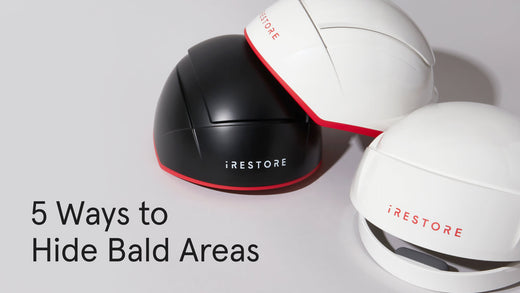
5 Ways To Hide Bald Areas
There’s no one to say who will experience balding in their lives, but here are our top tips. for ways to hide any bald areas.
Read More
5 Hair Loss Prevention Tips You Must Try
Hair loss is something we all deal with. Learn how you can prevent and reduce the hair you lose daily.
Read More
Q&A With Beauty And Lifestyle Influencer Marlena Stell
Instagram: @marlenastell Marlena Stell is the founder and CEO of her own beauty brand Makeup Geek. Marlena joined our iRESTORE family in 2019 as she too experienced a history of hair loss, one reason for beginning postpartum. We’re excited to share with you a special Q&A where she drops a few gems that you can pick up for your hair journey. Let’s get started Q. Can you tell us a little about yourself? A: Marlena Stell is the founder and CEO of her own beauty brand Makeup Geek. Marlena joined our iRESTORE family in 2019 as she too experienced a history of hair loss, one reason for beginning postpartum. We’re excited to share with you a special Q&A where she drops a few gems that you can pick up for your hair journey. Q. What’s one of your favorite things about iRESTORE, and when did you begin losing your hair? A: My favorite thing about iRESTORE is how easy the system is to use! Because I can just put the device on and relax, it gives me a great time to sit and read while I use my device. It’s convenient, fast, and easy, which I need as a business owner and new mom. I started losing my hair almost 10 years ago when I lost 125 pounds. I lost the weight slowly and then cleaned up my diet and exercised. I didn’t realize with the weight loss came hair loss. I lost almost 50% of my hair in less than a year. It affected my self-esteem for a long time. Q. Where do you live, and does it affect your hair? A: I recently moved from Washington State to Houston Texas and am enjoying it so far! My location doesn’t affect my hair loss at all as in recent times, my hair has gotten in a great place after using my device for a couple of years now. Q. When did you start noticing your hair growth? A: I started noticing hair growth about 5-6 months after using my iRESTORE device. I began to see the baby hairs coming in the top of my head, and that’s where a lot of my loss happened. My current hair got softer and shinier, which is a side bonus! I was consistent and used it every other day. Q. How do you want to improve yourself and your hair growth in 2022? Did you have a support team while going through your hair growth journey? A: I focused on eating better when I started losing my hair, and I want to continue improving my nutrition. I would love to continue taking iRESTORE's supplements for prevention and using the shampoo and conditioner because it smells so good and leaves my hair feeling soft and manageable. My support system was my IG community. Sharing the journey with them and finding others with similar conditions has been a great support. Q. How did you feel about your hair before using iRESTORE? A: Before I started using my iRESTORE device, I felt defeated. I tried EVERYTHING I could find on the market- pills, hair serums, vitamins, smelly shampoos… None of it worked. During that time I gave up on my hair growth journey. Q. What’s your daily routine? From morning to night, can you walk us through the day? A: I start my day by washing my hair (every 3-4 days) in the shower with my Thickening Shampoo then applying a deep conditioning hair mask on the ends of my hair. After I towel dry it, I use light hair oil, then let it air dry for an hour before blow-drying the rest. I keep styling to a minimum, and I wear my device for 25 minutes at night. On the days I don’t wash my hair, I brush it gently and style it only if needed. Q. Can you name some activities you do while using your iRESTORE device? A: When I’m wearing my device, my favorite thing to do is read. When wearing my device it gives me the perfect excuse to relax at night before bed and read. I love reading business or inspirational books. I’m currently on my self-discovery journey. Wearing my device gives me the perfect excuse to relax at night before bed and read. Q. Do you think the condition of your hair has changed since you started using iRESTORE? A: My hair now is not only fuller but it’s actually shiny and soft! Even my hairdresser said “Your hair looks so healthy! What are you using? Q. A lot of people think that hair growth should happen quickly. Do you have some tips for those people who are considering beginning their hair growth journey? A: My advice for anyone going through their hair journey is to be patient! It takes time and consistency to see results. I started seeing growth in about 6 months, and during that time, I consistently used my device, but I improved my healthy habits to support my hair growth. I ate healthier, cut out sugars and processed foods, drank more water, and connected with my doctor to ensure I had the vitamins my body needed. It takes time to make these changes, but the results are SO worth it! Keep UP To keep up with Marlena, you can follow her on social media: Instagram: @marlenastell
Read More