The iRESTORE Blog
Confidence Starts Here

56 Results
Rice Water for Hair Growth: What the Research Actually Shows (Beyond the Viral Videos)
Rice water for hair growth is everywhere on TikTok but what does the research actually show?
Read More
About iRESTORE
We believe in safe & clean hair care that empowers you to look and feel your best without compromising your health.
Does Hair Dye Cause Hair Loss? The Truth About Color & Thinning Hair
You dye your hair, and a few days later, you notice more strands in the shower. It is easy to assume the color caused your hair loss.
Read More10 Bad Hair Product Ingredients to Avoid (That Could Be Causing Your Hair Loss)
Most people focus on how a hair product makes their hair look, not what it contains. However, the ingredients inside your shampoo, conditioner, and styling products affect your scalp every single day.
Read MoreIs It Normal to See Your Scalp Through Your Hair? What’s Normal vs. Warning Signs
Noticing your scalp through your hair can be concerning, especially if it happens suddenly or under bright lighting. Many people experience this at some point, particularly after washing their hair or when their hair is parted in a certain way. This often leads to a common question: is visible scalp normal, or does it indicate early hair thinning?In many cases, some scalp visibility is completely normal and does not mean you are losing hair. The key is understanding what level of visibility is expected and when it may signal a change in hair density. With the right information, you can better assess whether any action is needed or if there is no cause for concern. When Seeing Your Scalp Is Normal vs. Not? Seeing your scalp can feel alarming, but it is often harmless. Hair type, lighting, and styling all affect how much scalp shows. What matters most is whether anything has changed over time. What’s Considered Normal Scalp Visibility? Some scalp visibility is part of normal hair. Fine hair, straight hair, or low density hair often shows more scalp. This is especially true under bathroom lights or direct sunlight. You may also notice more scalp when your hair is wet. Wet strands stick together and lie flat. Once your hair dries, volume usually returns. If this pattern has stayed the same for years, it is likely your natural baseline. A good way to check is to compare how your hair looks today with older photos. If the amount of visible scalp looks similar, that is a reassuring sign. You can also explore related signs of hair health in this guide on healthy vs unhealthy hair. Warning Signs of Abnormal Thinning Changes over time matter more than a single bad hair day. If your part looks wider than it did months ago, thinning may be starting. New areas of visible scalp can also signal a problem. Another sign is excess shedding. Cleveland clinic notes that most people shed about 50 to 150 hairs per day, which is considered normal. Consistently losing much more than that can point to active thinning. Family history also plays a role. If close relatives have pattern hair loss and you see increasing scalp visibility, early action can help slow progression. Common Reasons Your Scalp Is Showing Through Scalp visibility usually happens because of differences in hair density, hair structure, or temporary changes in the hair growth cycle. In many cases, it does not indicate permanent hair loss, but understanding the underlying reason helps determine whether treatment is needed. Natural hair density and texture:Hair density varies widely between individuals. People with fewer follicles, finer strands, or flatter hair may see more scalp even when hair is healthy. Hair and scalp color contrast:High contrast, such as dark hair on a lighter scalp, makes the scalp more noticeable under normal lighting, especially along the part. Temporary styling and lifestyle factors:Heavy products, tight hairstyles, and frequent pulling or flattening of hair can separate strands and expose more scalp. Short-term shedding and health triggers:Seasonal shedding, stress, illness, or nutrient deficiencies like low iron or vitamin D can cause temporary thinning that usually reverses once corrected. Progressive hair loss conditions:Conditions such as androgenetic alopecia, alopecia areata, or thyroid disorders can lead to ongoing thinning and increased scalp visibility, particularly at the crown or part, and require medical evaluation. Why You Can See Your Scalp More Than Before? You may see your scalp more than before due to gradual changes in hair thickness, growth cycles, or external factors that affect hair coverage over time. These changes are often subtle at first but become noticeable as they accumulate. Age-related thinning:As you age, individual hair strands often become finer and spend less time in the growth phase, leading to reduced overall coverage. Shortened hair growth cycles:Hair may shed more frequently and regrow more slowly, which can increase scalp visibility even without active hair loss. Hair damage from styling and treatments:Repeated coloring, bleaching, or heat styling can weaken the hair shaft, causing breakage and a thinner appearance. Environmental and water-related factors:Sun exposure and mineral buildup from hard water can dry out hair, weigh it down, and make the scalp more visible. Hormonal or medical influences: Hormonal shifts, certain medications, and conditions like thyroid disorders or PCOS can disrupt hair growth patterns and increase scalp visibility. How to Tell If It’s Just Your Part or Actual Thinning? You can tell the difference between a normal hair part and actual thinning by looking for consistent changes over time rather than a single observation. Natural parts tend to remain stable, while thinning shows gradual, measurable shifts. Quick checklist to assess thinning at home: Compare recent photos with images from one or two years ago taken under similar lighting to see if the part looks wider. Check hair texture along the part; thinning hair often feels finer or shorter near the scalp. Notice how your hair responds to styling; natural parts usually appear fuller with added volume, while thinning areas do not. Observe whether the part width stays consistent or slowly increases over several months. Pay attention to overall strand thickness; healthy hair feels uniform, while thinning hair feels softer and weaker near the roots. If multiple changes appear gradually rather than suddenly, it may indicate early thinning and is worth monitoring or addressing early. Can iRESTORE Red Light Therapy Help If I’m Seeing More Scalp? Yes, iRESTORE red light therapy can help when increased scalp visibility is due to early or moderate thinning rather than a cosmetic part. The FDA-cleared technology delivers low-level red light to stimulate still-active follicles, support cellular energy, and improve scalp circulation. This matters because follicles that are weakened but not inactive respond best to early intervention, which is why noticing scalp changes sooner often leads to better outcomes. iRESTORE’s approach is built on more than 20 years of laser technology experience and is backed by clinical research conducted under dermatology supervision. In controlled studies, consistent use led to meaningful increases in hair count within a few months, without drugs or surgery. Today, iRESTORE is trusted by over 600,000 customers worldwide and is frequently recommended by doctors as a non-invasive option for managing thinning and maintaining existing hair. When to See a Dermatologist? You should see a dermatologist if scalp visibility is sudden, worsening, or accompanied by other symptoms. Rapid or patchy hair loss, along with pain, burning, itching, or redness on the scalp, often needs medical evaluation because it can indicate inflammation, infection, or autoimmune conditions. Hair loss that extends beyond the scalp, such as thinning eyebrows or body hair, is also a sign to seek professional help. If noticeable thinning begins soon after starting a new medication or medical treatment, a dermatologist can help identify whether it is the trigger. Many dermatologists now recommend FDA-cleared red light therapy as a low-risk option, either on its own or alongside other treatments, with usage frequency tailored to the individual cause and stage of hair thinning. Conclusion Seeing your scalp through your hair can feel scary, but it is not always a sign of hair loss. For many people, it comes down to hair type, lighting, or normal aging. If the visibility has stayed the same over time, it is often nothing to worry about. However, progressive changes deserve attention. Widening parts, finer strands, and increased shedding are signals to act early. Early care gives you more options and better outcomes. If thinning is present, non-invasive solutions now exist. iRESTORE Hair Growth System offers a science-backed way to support hair growth without drugs or surgery. Understanding your hair today helps protect it for the future. FAQs About Scalp Visibility and Hair Thinning Is it normal to see my scalp through my hair when it is wet? Yes. Wet hair clumps together and lies flat, which reduces volume. Once dry, scalp visibility should decrease again. My hair is so thin I can see my scalp. Am I balding? Not always. Natural hair density varies. If this look is new or worsening, it may signal early thinning. Comparing older photos helps clarify changes. Is visible scalp through hair more common in women? Yes. Visible scalp through hair in females is often noticed along the center part. Also, longer hair can make scalp visibility more noticeable. Female pattern hair loss usually shows as widening parts, not bald patches. If I can see my scalp under bright lights, am I balding? Harsh lighting shows more scalp for almost everyone. What matters is whether this look is new compared to past years. Can stress make my scalp more visible? Yes. Stress can push hair into a shedding phase months later. This is often temporary, and growth usually returns with time. How soon can treatments help if thinning is starting? Results take patience. Hair grows slowly. Many people notice less shedding within weeks, with visible improvement after a few months of consistent care. Disclaimer: The iRESTORE blog is for informational purposes only and is not intended to replace professional medical advice or treatment. Please do not ignore professional guidance because of information you’ve read here. If you have concerns about your hair or skin health, we encourage you to consult a qualified healthcare professional.
Read More
Reach Your Hair Growth Goals
Find out if iRESTORE can help you reverse your hair loss and restore your confidence. Take the quiz now to get personalized recommendations.
What Is Folliculitis on the Scalp? Symptoms, Causes, and When to See a Dermatologist
If you have persistent itchy, red bumps on your scalp, they may not be dandruff or acne. In some cases, these symptoms can indicate folliculitis, a common scalp condition that is often misunderstood. Scalp folliculitis can cause itching, soreness, and small bumps that look like pimples. In some cases, it can even lead to hair shedding if ignored. Many people search for answers online before seeing a doctor, especially when they worry about hair loss. Recognizing these signs early helps you protect your scalp, prevent flare-ups, and reduce the risk of long-term hair damage. What Is Folliculitis? Folliculitis is inflammation or infection of the hair follicles. Hair follicles are the tiny openings in your skin where each hair grows. When these follicles get irritated or infected, small bumps can form. Folliculitis often starts when bacteria enter damaged follicles. Fungi, viruses, or even friction can also trigger it. This is why folliculitis is considered a common skin condition across all age groups. When folliculitis affects the scalp, it often shows up as itchy or tender bumps near the hairline. Mild cases may clear in a few days. However, repeated or deep infections can damage follicles and raise the risk of scarring or hair loss. If you are unsure whether changes in your hair are normal, you may find it helpful to compare signs using this guide on Signs of Healthy vs Unhealthy Hair. Types of folliculitis include: Superficial folliculitis, which affects the upper part of the follicle Deep folliculitis, which involves the whole follicle and can be more painful What Are the Main Symptoms of Folliculitis? Folliculitis often starts with small changes that are easy to miss. Many people mistake early symptoms for simple scalp acne or irritation. Common symptoms include: Small red bumps clustered around hair follicles White or yellow tips filled with pus Itching or tenderness on the scalp Light crusting around affected areas In some cases, symptoms become more uncomfortable over time. Untreated folliculitis can spread to nearby follicles, making bumps larger and more painful. You may also notice burning, soreness, or increased hair shedding in the affected areas. For example, someone who wears a tight helmet daily may see bumps spread along pressure points. If symptoms worsen or keep returning, this often signals the need for medical care. What Does Folliculitis Look Like? Scalp folliculitis has a few clear visual signs. Most people notice small red or pink bumps around individual hair follicles. Some bumps have white or yellow centers filled with pus. The skin around them often looks swollen or irritated. Folliculitis usually starts in one area, such as the hairline or crown. It does not spread evenly across the scalp like flakes do. Mild cases may show only a few bumps. Severe cases can cause oozing, scabbing, and visible hair thinning. If you already see changes in hair density, learning about New Hair Growth vs Breakage can help you tell whether shedding is temporary or related to scalp damage. Difference Between Folliculitis vs Acne vs Ingrown Hair These conditions look similar, but they have different causes and treatments. Knowing the difference helps you avoid using the wrong products. Folliculitis always starts in hair follicles. It often appears in clusters and feels itchy or tender. Acne forms when pores clog with oil and dead skin. It usually affects the face, chest, or back more than the scalp. Ingrown hairs happen when a hair curls back into the skin. They often appear after shaving and usually show one trapped hair in a single bump. According to the Indiana University Bloomington, folliculitis often flares after friction, sweating, or shaving. Acne does not follow this pattern. If scalp bumps appear after tight headwear or workouts, folliculitis is more likely. What Causes Folliculitis? Damage to hair follicles: Folliculitis begins when hair follicles become damaged, allowing germs or irritation to cause inflammation. Bacterial infections: Bacteria, most commonly Staphylococcus, normally live on the skin without causing harm. When they enter irritated follicles, an infection can develop. Fungal overgrowth: Yeast and other fungi can overgrow on the scalp and trigger folliculitis, especially in warm or sweaty conditions. Non-infectious irritation: Tight hairstyles, heavy hair oils, frequent shaving, and excessive sweating can irritate follicles and lead to flare-ups. Lifestyle-related triggers: Habits like wearing helmets or headgear daily without proper scalp cleansing can cause repeated irritation and outbreaks. Underlying health factors: Conditions such as diabetes, a weakened immune system, or long-term steroid use can increase the risk of developing folliculitis. How to Prevent Folliculitis Flare Ups? Maintain regular scalp hygiene: Keep your scalp clean to reduce oil, sweat, and product buildup that can irritate hair follicles. Wash regularly, especially after workouts or heavy sweating. Limit heavy hair products: Avoid thick oils, pomades, and styling creams on the scalp, as they can trap sweat and bacteria and worsen irritation. Be mindful with headwear: Clean helmets and hats frequently, and avoid wearing them for long periods to reduce heat and moisture buildup. Follow gentle shaving practices: If you shave your head, use an electric razor, avoid shaving too close, and allow your skin time to recover between sessions. Consider water quality: Hard water and mineral buildup can irritate sensitive scalps over time. If you notice dryness or itching after washing, this guide on Does Hard Water Cause Hair Loss? explains how water quality affects scalp health. When to See a Dermatologist? As per Mayoclinic, you should see a dermatologist if bumps spread, become painful, or do not improve after a few days of home care. Oozing sores, bald patches, or frequent flare ups also need professional attention. A dermatologist will examine your scalp closely. In some cases, they may take a small sample to rule out conditions like psoriasis or fungal infections. Early treatment lowers the risk of scarring and permanent hair loss. If hair thinning becomes ongoing, learning why hair growth slows can be helpful. This article on Why Your Hair Stops Growing explains how scalp health affects long-term growth. At Home Treatment Options Before Seeing a Doctor For mild cases, home care can ease symptoms and support healing. The first step is removing triggers. Stop shaving, avoid tight headwear, and pause irritating hair products. Warm compresses can calm itching and swelling. Apply them to affected areas for ten minutes, a few times a day. Avoid scratching, since broken skin can spread infection. Over the counter options may help in early stages. Medicated shampoos with antifungal ingredients can reduce yeast overgrowth. Gentle antibiotic ointments may help small areas, but avoid overuse. According to Mayoclinic, if symptoms do not improve within a few days, prescription treatment may be needed. Worsening pain, spreading redness, or fever should always prompt a doctor visit. Conclusion Scalp folliculitis can feel frustrating, especially when bumps itch, hurt, or raise concerns about hair loss. The good news is that most cases are manageable when you recognize the signs early and take the right steps. Paying attention to changes like spreading bumps, pain, or shedding makes a real difference. Mild cases often improve with simple care, but persistent or severe symptoms should not be ignored. Early treatment lowers the risk of scarring and long-term damage to hair follicles, and some people choose supportive tools like iRESTORE red light therapy to help maintain hair density once the scalp has healed. FAQs Is folliculitis contagious? Folliculitis is usually not very contagious. Most forms do not spread from person to person through casual contact. However, bacteria like staph can spread through shared towels, razors, or poorly cleaned hair tools. Good hygiene lowers this risk. How long does folliculitis last? Mild folliculitis often clears within seven to ten days once the trigger is removed. More severe cases may last longer and need medical treatment. Recovery time depends on the cause and how early treatment begins. Can folliculitis cause permanent hair loss? Yes, severe or untreated folliculitis can damage hair follicles. This damage may lead to scarring and permanent hair loss in affected areas. Early care greatly reduces this risk. What is the difference between folliculitis and dandruff? Dandruff causes flaky skin without inflamed follicles. Folliculitis causes red, often pus filled bumps around individual hairs. Dandruff usually responds to basic anti dandruff shampoos, while folliculitis may need targeted treatment. Can I wash my hair if I have folliculitis? Yes, washing your hair is important. Use lukewarm water and gentle shampoos. Avoid harsh scrubbing and very hot water, since these can irritate the scalp further. Will folliculitis go away on its own? Some mild cases resolve without treatment once irritation stops. If bumps spread, become painful, or keep coming back, medical care is needed to prevent complications. Can stress cause folliculitis? Stress does not directly cause folliculitis, but it can weaken your immune response. This makes infections more likely and may worsen existing scalp issues. Is it safe to color or treat hair during folliculitis? It is best to wait until the scalp heals. Hair dyes and chemical treatments can irritate inflamed follicles and slow recovery. A dermatologist can guide you on safe timing. Disclaimer: The iRESTORE blog is for informational purposes only and is not intended to replace professional medical advice or treatment. Please do not ignore professional guidance because of information you’ve read here. If you have concerns about your hair or skin health, we encourage you to consult a qualified healthcare professional.
Read MoreIs Hair Loss From Stress Reversible? Yes, Here's the Timeline and What to Do
Good news: stress-related hair loss (telogen effluvium) is almost always reversible. Most people see regrowth within 3–6 months. Here's what speeds up recovery.
Read MoreDoes Thyroid Cause Hair Loss or Thinning?
Yes, thyroid problems can cause hair loss and thinning, especially when hormone levels are too low (hypothyroidism) or too high (hyperthyroidism). In most cases, this shows up as diffuse thinning across the scalp rather than a single bald patch, and it often improves once your thyroid is treated and your follicles are supported. The thyroid gland produces two key hormones, T3 and T4, that regulate energy, growth, and cell renewal throughout the body. Because hair follicles are highly sensitive to these hormones, even slight imbalances can disrupt their cycle, resulting in thinning or increased shedding. A 2024 study confirms that one in every two people with hyperthyroidism and one in three with hypothyroidism develop measurable alopecia. So if you’re asking, “Could my thyroid be why my hair is thinning?” The science backs it. If you’re still unsure whether your hair loss is thyroid-related or just seasonal, we’ll walk you through the causes, signs, debunk common myths, and share simple steps to regain healthier hair and if you’re noticing shedding already, you may also find our guide on how red light therapy can help you stop hair shedding helpful. Why Does Thyroid Cause Hair Loss? Thyroid-related hair loss mainly comes down to how hormone imbalances disrupt the hair growth cycle. Both low and high thyroid levels can push more hairs into the shedding phase at the same time. Hypothyroidism (low thyroid hormone levels) When your thyroid is underactive: Hair follicles don’t get enough stimulation. Cell renewal slows down, so hair grows more slowly and more weakly. Strands can become dry, brittle, and break easily, leading to overall thinning across the scalp. Hyperthyroidism (excess thyroid hormone levels) When your thyroid is overactive: Hair follicles are essentially overstimulated. The growth phase becomes shorter, so hairs don’t stay anchored as long as they should. More hairs shed at once, causing noticeable loss of volume and density. In both cases, the problem isn’t just how much hair you shed in a day, it’s that too many follicles cycle out of growth at the same time, which is why you start to see visible thinning. What does thyroid-related hair loss look like? When people notice thinning hair, it’s not always easy to tell what’s behind it. Regular hair loss often stems from genetics, aging, or styling damage, while thyroid issues can cause hair loss in a very different way. Here’s what hair loss related to thyroid looks like. If you want to see how consistent treatment can change density over time, take a look at our red light therapy hair growth before and after guide : Before thyroid hair loss Healthy growth cycle: Hair typically grows in phases: anagen (growth phase), catagen (transition phase), and telogen (resting phase). A balanced thyroid keeps these cycles steady. Early warning signs: Subtle changes like increased shedding, brittle strands, or slower growth may appear before significant loss. Underlying causes: Shedding 50–100 hairs a day is normal and often linked to aging, stress, or genetics. Losing more than that may signal deeper issues such as hormonal imbalance, medical conditions, or nutritional deficiencies. During thyroid hair loss Diffuse thinning: Unlike patchy bald spots, thyroid-related hair loss can occur as overall thinning across the scalp. Emotional impact: Hair loss can trigger feelings of insecurity, stress, or frustration. Other symptoms: Fatigue, brittle nails, dry skin, and weight changes often accompany hair loss, signaling thyroid imbalance. After thyroid hair loss Treatment options: With proper thyroid management through prescribed medication, lifestyle changes, and close monitoring, hair growth often naturally resumes over time. Hair regrowth patterns: New hair may initially feel finer or softer, gradually thickening as the follicle stabilizes. Unlike everyday hair shedding, thyroid-related hair loss doesn’t resolve on its own. Recognizing these signs early is the first step to protecting your hair before the loss becomes more advanced. What Are Thyroid-Related Hair Loss Symptoms? Thyroid-related hair loss usually shows up as diffuse thinning and changes in how your hair feels and grows, rather than a single bald spot. Here are the most common thyroid hair loss symptoms to watch for: Diffuse thinning on the scalp: Hair looks less dense all over the head. Instead of round bald patches, you’ll notice a wider part, a thinner ponytail, and an overall “see-through” look. Excessive shedding: You consistently see more strands than usual on your pillow, in the shower, on your clothes, or in your hairbrush. This shedding continues for weeks or months, not just a few days. Changes in hair texture: With hypothyroidism, hair may become dry, coarse, and brittle, breaking more easily. With hyperthyroidism, hair often feels finer, softer, and more fragile, with less body and volume. Loss of eyebrow and body hair: Thinning can affect more than just your scalp. Many people notice sparse eyebrows (especially the outer third), fewer eyelashes, or reduced hair on arms and legs. Slow or delayed regrowth: Hair seems to take much longer to grow back after shedding, trimming, or breakage. Baby hairs along the hairline or part may be sparse, short, or slow to appear, if you’re unsure whether you’re seeing new growth or just breakage, our article on new hair growth vs breakage can help you tell the difference. These signs don’t confirm a thyroid problem on their own, but together they form a clear picture of possible thyroid-related hair loss and are worth discussing with your doctor. What are some myths about thyroid-related hair loss? No doubt hair loss can feel overwhelming. The reassuring truth is that many fears around thyroid-related hair thinning are mostly based on myths instead of facts. Myth 1: Only women experience thyroid-related hair loss. Men are equally affected by hormonal imbalances. In fact, studies show that 1 in every 20 men has thyroid disorders, causing hair loss in both genders. Myth 2: Thyroid hair loss is permanent. With proper medical treatment and supportive care, your hair can regrow. Once thyroid hormones stabilize, follicles return to their normal growth cycle, allowing hair density to improve over time. Alongside medical management, supportive treatments such as gentle hair care practices, topical therapies, and non-invasive options like red light laser hair growth therapy can enhance recovery. Myth 3: Hair loss stops immediately after starting thyroid medication. While thyroid treatment begins to balance hormone levels, hair follicles need time to recover. Hence, you need to be patient. Is hair loss reversible? Yes, but it may take several months before improvement is visible. How to Control Hair Loss Caused by Thyroid Early The earlier you address thyroid-related hair loss, the easier it is to slow shedding and support regrowth. Here are practical steps to get in front of the problem: 1. Get tested: If you notice unusual hair loss, consult a dermatologist or specialist. Blood tests for TSH, T3, and T4 confirm whether hair loss is linked to thyroid. 2. Treat the root cause: Topical serums or shampoos won’t help if the thyroid imbalance isn’t treated. For hypothyroidism, doctors usually prescribe FDA‑approved Levothyroxine, while hyperthyroidism is managed with antithyroid drugs like Methimazole. Note: Take medical treatment under professional guidance only. 3. Support hair health naturally: Nutrient-rich diet and gentle hair care go a long way in protecting your hair. Consult a nutritionist to include protein, iron, zinc, vitamin D, and biotin in your diet. Also, avoid harsh chemical treatments, tight hairstyles, and excessive heat styling. 4. Manage stress and lifestyle: Stress can worsen thyroid function and increase hair loss in general. Practices like yoga, meditation, and consistent sleep help regulate hormones and improve overall well-being. 5. Be patient with hair regrowth: Hair doesn’t bounce back overnight. Follicles need time to heal, and once thyroid levels stabilize, regrowth can take 6–12 months. Patience and consistency make all the difference. How Red Light Therapy Supports Hair Regrowth in Thyroid-Related Hair Loss When thyroid imbalance weakens hair follicles, medical treatment focuses on correcting hormone levels. Red light therapy (also called low-level laser therapy, or LLLT) can then play a supportive role by helping those stressed follicles function more normally again. The iRESTORE laser hair growth system uses controlled red light to gently penetrate the scalp and: Support blood flow around the hair follicle Stimulate cellular activity in the hair root Help follicles spend more time in the growth phase and less time in prolonged rest Over time, this can translate into: Reduced excessive shedding Thicker, stronger strands A healthier-looking scalp and improved hair density with consistent use iRESTORE’s FDA-cleared red light therapy devices are non-invasive, drug-free, and pain-free, making them a convenient at-home option to pair with your doctor’s thyroid treatment plan. They don’t replace thyroid medication or medical care but they can complement your regimen by giving weakened follicles extra support while your hormones stabilize. When to See a Doctor About Thyroid and Hair Loss If you notice persistent hair thinning along with other thyroid-related symptoms such as fatigue, sudden weight changes, brittle nails, or dry skin, it’s time to consult a healthcare professional. Seek medical advice if hair loss continues for more than 3–6 months despite lifestyle changes. Visit a doctor immediately if hair loss is followed by sudden weight changes, mood swings, or swelling in the neck. Routine blood tests (TSH, T3, T4) can confirm whether thyroid imbalance is the root cause. What Are the Do’s and Don’ts for Thyroid-Related Hair Loss? Do’s: Take your thyroid medication exactly as prescribed and keep up with follow-up tests. Eat nutrient-rich meals with enough protein, iron, zinc, vitamin D, and healthy fats (with your doctor’s guidance). Use gentle hair care: mild shampoo, careful detangling, minimal heat styling. Manage stress and sleep with simple habits like walks, stretching, or a wind-down routine. Don’ts: Don’t stop or change thyroid medication on your own. Don’t rely only on shampoos or oils to fix thyroid-related hair loss without treating the hormone imbalance. Don’t overdo harsh treatments like bleaching, frequent coloring, or tight hairstyles. Don’t overload on iodine or “thyroid boosters” without medical advice. Don’t expect overnight regrowth—thyroid hair recovery usually takes several months. Conclusion Hair loss from thyroid imbalance can feel overwhelming, but recovery is within reach. With the right medical care, a nourishing diet, and gentle hair treatment, your hair follicles can gradually regain strength. That’s where iRESTORE’s red light hair growth device comes in. Working in sync with your body, it gently supports blood flow, re‑energizes follicles, and supports gradual regrowth. Just three 25‑minute sessions each week help restore balance to your scalp and encourage healthier strands. With steady use, many see hair becoming stronger and shinier over 6–12 months. FAQs About Thyroid and Hair Loss 1. How to know if hair loss is due to thyroid? Thyroid hair loss shows as diffuse thinning, not patches. It often comes with fatigue, mood swings, weight changes, or dry skin. If thinning occurs alongside these symptoms, a doctor-recommended thyroid test (TSH, T3, T4) is the best way to confirm. 2. Does thyroid medication cause hair loss? Yes, but usually in the short term. Extra shedding may occur in the first few months as follicles adjust. Once thyroid levels stabilize, hair regrowth begins. Medication‑related hair loss is temporary and far less harmful than an untreated thyroid imbalance. 3. How to stop hair thinning from thyroid? Treat the thyroid imbalance first with medical guidance. Support recovery through balanced nutrition, gentle hair care, and stress management. Together, these steps help restore hair health. 4. What home remedies and lifestyle changes help prevent thyroid-related hair loss? Eat protein, leafy greens, nuts, and omega‑rich foods. Practice stress‑relieving exercises and scalp massage for hair growth. Avoid harsh styling and chemicals on hair. Together with thyroid treatment, these habits can help strengthen hair and help reduce shedding. 5. Can thyroid hair loss be reversed? Yes. Once hormones stabilize, regrowth often begins within months. Full thickness may take longer, but with consistent treatment and proper nutrition, most patients regain significant hair volume over time. Disclaimer: The iRESTORE blog is for informational purposes only and is not intended to replace professional medical advice or treatment. Please do not ignore professional guidance because of information you’ve read here. If you have concerns about your hair or skin health, we encourage you to consult a qualified healthcare professional.
Read MoreHow to Use the iRESTORE Helmet Correctly: A Step-by-Step Guide
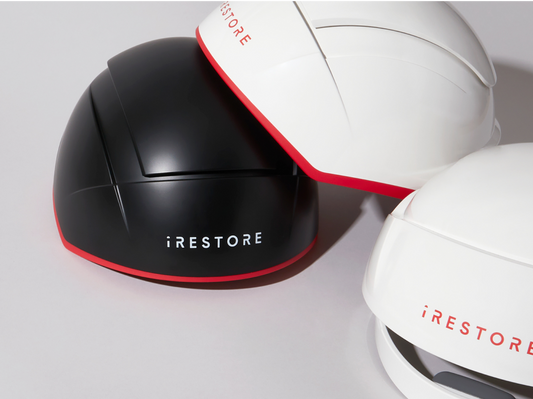
If you’ve just purchased an iRESTORE Laser Hair Growth System, it’s normal to have a few immediate questions: How do I use it correctly? How often should I wear it? And how long will it take before I notice results? The iRESTORE helmet is designed to be used for 25 minutes every other day, on a consistent schedule, for at least 16 weeks. This routine allows its low-level light therapy (LLLT) to work with your natural hair growth cycle. Most users begin seeing early improvements like reduced shedding or subtle thickening within 3 to 6 months of steady use. This guide walks you through how to use the iRESTORE helmet step by step, what to expect over time, and the essential safety guidelines to keep in mind so you can get the most out of your treatment. What Is the iRESTORE Laser Hair Growth System? Before learning how to use an iRESTORE helmet step by step, it helps to understand what the device is and how it works. The iRESTORE Laser Hair Growth System is an FDA-cleared, at-home red light therapy helmet designed to help men and women experiencing androgenetic alopecia (pattern hair loss). It’s engineered to deliver consistent, therapeutic light energy to your follicles helping support regrowth when you follow the recommended routine on how to use an iRESTORE helmet correctly and consistently. The system includes: A combination of medical-grade lasers and LEDs that deliver red light in the 640–665 nm range, a wavelength studied for hair-growth benefits. FDA 510(k) clearance for treating specific levels of pattern hair loss in: Men with Norwood–Hamilton IIa to V Women with Ludwig–Savin I to II Individuals with Fitzpatrick skin types I–IV Newer models (Elite, Professional, Essential) featuring LumiTech™ technology for broader scalp coverage and higher light density ensuring light reaches where hair thinning is most common. How to Use the iRESTORE Helmet Here is the full routine as outlined in the user manual: Step 1: Prepare Your Hair and Scalp Start with clean, dry hair. Avoid using the helmet on wet hair (important for safety and efficacy). Step 2: Set Up the Device Insert the power adapter pin into the controller. Plug the adapter into a wall outlet. Step 3: Position the Helmet Place it comfortably on your head, ensuring it sits securely and doesn’t cover your eyes. Step 4: Turn on the Device Press the POWER button. If you don’t press START within a minute, the device will shut off automatically. Step 5: Start the Session Press START to begin the 25-minute session. A short beep signals the start; a long beep signals the end. Step 6: Pause if Needed Press START again to pause. You can resume within 5 minutes. After 5 minutes of inactivity, the device shuts off. Step 7: End the Session Hold POWER for 3 seconds to turn off. Unplug the adapter from the outlet (don’t pull the cord). How Often Should You Use the iRESTORE Helmet? The recommended iRestore schedule is 25 minutes every other day. This is the only frequency that has been clinically tested, FDA-cleared, and shown to support hair growth safely and effectively. Low-level light therapy works by delivering controlled light energy to your follicles. Using the helmet more often than recommended won’t speed up results, your follicles need recovery time between sessions. For a deeper dive into treatment frequency, you can read our guide on how often to use red light therapy for hair growth Why Every Other Day? Allows follicles time to respond to the light stimulation Matches the protocol used in clinical studies Helps minimize irritation or sensitivity Supports steady, sustainable improvements in hair density over time What If You Miss a Session? Don’t double your time or run multiple sessions to “catch up.” Simply resume your regular every-other-day routine. Consistency over months, not perfection, is what matters. How Does the iRESTORE Helmet Support Hair Growth? The iRESTORE Laser Hair Growth System uses low-level light therapy (LLLT), a non-invasive, research-backed technology that delivers red light in a precise wavelength range shown to support healthier hair growth. When used on the recommended schedule this light energy interacts with your follicles at a cellular level. Here’s a simple breakdown of how does iRESTORE work: 1. It supports cellular energy inside hair follicles: LLLT helps energize the mitochondria. Higher cellular energy can support stronger, more active follicles especially in areas experiencing early thinning. 2. It improves better blood flow in the scalp: Improved microcirculation means more oxygen and nutrients reach each follicle, creating a healthier environment for hair to grow. 3. It helps calm inflammation around follicles: Chronic, low-level inflammation can weaken follicles over time. Red light therapy may help reduce these signals, creating conditions that support the growth phase. 4. It encourages follicles to stay in the growth phase longer: Pattern hair loss shortens the anagen (growth) stage. LLLT helps counter this by encouraging longer, healthier growth cycles. How Should the Helmet Fit on Your Head? Positioning matters for both comfort and effectiveness. When learning how to use iRESTORE helmet, make sure the device sits correctly: Place the helmet upright on your head so it fits like a cap. Ensure the front edge does not cover your eyes. Adjust the foam cushions/headband so the interior rests comfortably against your scalp. The built-in safety sensor automatically pauses the session if the device is lifted or positioned incorrectly so you always get proper coverage. Safety Guidelines to Follow Before Using Your iRESTORE Helmet Even though the iRESTORE Laser Hair Growth System is iRESTORE FDA approved and cleared for home use, it’s still a medical device and using it safely is just as important as learning how to use an iRESTORE helmet correctly. 1. General safety rules to follow To stay safe while following the routine on how to use iRESTORE helmet: Don’t stare directly into the lasers or use magnifying devices to view the light Don’t use the device near water (tub, pool, sink) Keep the helmet and cord away from hot surfaces Store it out of reach of children and pets Stop using it and contact a doctor if you notice persistent redness, itching, or discomfort lasting more than an hour after treatment Used as directed, with these simple safety rules in mind, the iRESTORE system is designed to be a safe, at-home tool to support your long-term hair growth plan. 2. Who should avoid using iRESTORE? Do not use the helmet if: You’re under 18 years old You have cancer on the scalp You take medications or have conditions that cause photosensitivity (skin becomes extra sensitive to light) You’ve had unusual reactions to red light in the past (severe redness, burning, or rash) 3. Can you use iRESTORE on wet hair? The answer is no. You should always use the helmet on clean, dry hair. Using it on wet hair: Can interfere with proper light delivery Increases the risk of electrical issues Goes against the official safety instructions A Simple Hair Growth Routine Using iRESTORE If you’re following how to use an iRESTORE helmet correctly, building a simple routine around it can help support healthier, fuller-looking hair over time. Use the iRESTORE helmet for 25 minutes every other day – this is the only recommended schedule. Follow a gentle wash routine 2–3 times per week – a mild, growth-supporting shampoo and conditioner help keep the scalp clean. Apply a daily hair serum – choose one that supports scalp and follicle health from the outside. Consider a nutritional supplement if advised by your doctor – this can be helpful if thinning is linked to stress, diet, or deficiencies. Stay consistent with this simple routine – clean, nourished scalp plus regular red light exposure work together to support fuller, healthier-looking hair over time. What Does a Realistic 16-Week iRESTORE Plan Look Like? Weeks 1–4: You will mainly be getting used to how to use the iRESTORE helmet (25 minutes every other day), with minimal visible change but an important foundation of consistency. Weeks 5–8: Some users notice mild shedding as weaker hairs reset, while others notice new hair growth over breakage. Weeks 9–12: Hair may begin to look a bit fuller or denser in thinning areas, especially if you’ve stayed consistent with the recommended iRESTORE helmet and how often to use the red light therapy schedule. Weeks 13–16: Many users report clearer improvements in volume, coverage, and shedding this is usually when the routine starts to feel like a long-term habit rather than a new treatment. Real People, Real Experiences Many iRESTORE users report noticing small but meaningful changes like reduced shedding, early baby hairs, or improved density around the hairline within their first 8–12 weeks of consistent use. Others share that sticking to the every-other-day routine helped them rebuild confidence after years of gradual thinning. Conclusion Using the device as directed is the core of how to use an iRESTORE helmet for real, long-term results. You don’t need to use iRESTORE every day; you just need to be consistent with the schedule it was designed and tested for. If you’re ready to get started, commit to your first 16-week iRESTORE plan, follow the every-other-day schedule, and give your hair a fair chance to respond before you judge your results. FAQs 1. Can I combine iRESTORE with other hair-loss treatments? Yes. Many users pair iRESTORE with minoxidil, serums, supplements, or doctor-recommended treatments for enhanced results. 2. Do I need to keep using iRESTORE after I see results? Yes. Continuing the every-other-day schedule helps maintain progress, since stopping treatment may allow hereditary thinning to return. 3. Does iRESTORE work for all types of hair loss? iRESTORE is designed for androgenetic alopecia (genetic thinning); it may not be effective for scarring alopecia or sudden, patchy hair loss. 4. Can You Use iRESTORE Every Day? No. Daily use or running back-to-back sessions is not advised. More exposure does not equal faster results and may cause temporary scalp discomfort. Disclaimer: The information in this article is for educational purposes only and is not intended as medical advice, diagnosis, or treatment. Hair and scalp conditions vary from person to person. If you have concerns about persistent shedding, irritation, or sudden changes in hair or scalp health, we recommend consulting a qualified healthcare professional.
Read MoreCan Mold Exposure Cause Hair Loss? What Doctors Say About Toxic Mold & Thinning
Learn whether mold exposure can cause hair loss, the symptoms to watch for, and how to treat mold-related shedding.
Read MoreSigns of Healthy vs Unhealthy Hair: How to Tell the Difference
Is your hair healthy or damaged? Here are the key signs to look for and what they reveal about your hair's true condition.
Read MoreDoes Hard Water Cause Hair Loss?
Hard water won’t make your hair fall out overnight but it can cause the kind of slow, progressive damage that leads to thinning, breakage, and increased shedding over time. So does hard water cause hair loss? According to a 2024 study published in the International Journal of Trichology, exposure to hard water for just 30 days made hair fibers weaker, rougher, and more breakage-prone compared to soft water. Another analysis in PubMed (2023) found that minerals like calcium and magnesium can accumulate on the scalp, blocking follicles and reducing the nutrients that fuel healthy hair growth. This buildup doesn’t just dull your strands, it interferes with the natural hair growth cycle, making your hair appear thinner, flatter, and more fragile. If you’ve noticed dryness, tangles, or shedding after moving to a new city, traveling, or changing water sources, hard water may be the hidden reason behind the sudden change in your hair health. How Hard Water Causes Hair Thinning and Shedding 1. Mineral Buildup Blocks Follicles When your hair is repeatedly exposed to hard water, minerals like calcium and magnesium settle onto the scalp and hair shaft. Over time, this creates a layer of mineral buildup that blocks follicles, disrupts oxygen flow, and restricts the nutrients needed for healthy growth. As a result, hair becomes weaker and more prone to thinning and shedding. 2. Increased Cuticle Damage Hard water minerals disrupt the natural pH of your hair and roughen the cuticle layer. A weakened cuticle can’t lock in moisture, making strands dry, brittle, and more likely to break mid-shaft. This type of breakage often mimics hair loss, because the hair appears shorter, thinner, and less dense even though the follicle is still alive. 3. Follicles Enter the Resting Phase Too Early When scalp mineral buildup increases, follicles experience stress. This stress pushes more hairs into the telogen (resting) phase where they stop growing and eventually shed. While this isn’t permanent hair loss, it does cause noticeable diffuse thinning, especially if your water quality is consistently hard. 4. Hard Water Doesn’t Cause Permanent Hair Loss But It Makes Thin Hair Thinner The minerals in hard water don’t kill follicles permanently. But they compound other existing issues like stress, hormones, poor sleep, or nutrient deficiencies making your hair appear thinner, weaker, and less resilient. Signs Hard Water Is Damaging Your Hair If your hair is regularly exposed to hard water, certain early warning signs often appear. These indicators show that your follicles and scalp are under stress and catching them early gives you a better chance to reverse the damage. Hair feels unusually dry, rough or gritty, even after using conditioner. In one study hair samples washed with hard water showed higher surface roughness. You notice increased shedding or more hairs in the drain. Though hard water itself may not cause direct hair loss, studies link it to weaker hair and increased breakage. Presence of white mineral deposits or “chalky” residue on your scalp or hairline is a clear sign of mineral buildup from calcium and magnesium. Damaged hair looks dull, lifeless and less voluminous because the cuticle is coated and cannot properly reflect light or hold moisture. Your shampoo takes longer to lather, and your hair feels heavier or flatter after washing. The minerals reduce lathering and increase rigidity. Scalp may feel itchy, irritated, or show signs of increased sensitivity. This is especially true if combined with other scalp issues like buildup or poor hygiene. How to Protect and Restore Your Hair From Hard Water Damage Hard water doesn’t cause permanent hair loss but it does create the perfect environment for mineral buildup, breakage, and hair thinning. The good news? With the right habits, you can reverse most of this damage and restore healthier, stronger hair. 1. Use a Clarifying Shampoo Weekly to Remove Mineral Buildup A gentle clarifying shampoo dissolves calcium and magnesium deposits on the scalp, preventing them from clogging follicles. Once the mineral layer is removed, your hair can absorb moisture again reducing dryness and breakage. 2. Add a Scalp Exfoliation Routine Scalp exfoliation helps remove dead skin cells, product residue, and lingering minerals. This improves scalp circulation, clears pathways for nutrient delivery, and supports a healthier hair growth cycle. Aim for a gentle exfoliation once every 7–10 days. 3. Install a Shower Filter to Reduce Mineral Exposure A shower filter traps excess calcium and magnesium before they reach your hair. This simple change can dramatically reduce dryness, brittleness, and hair thinning caused by hard water. Most filters last 4–6 months and significantly improve hair manageability. 4. Hydrate Your Hair With Leave-In Conditioners and Oils Since hard water roughens the cuticle layer, your hair needs extra hydration to stay flexible. Lightweight oils (like argan or jojoba) and leave-ins help seal moisture back into the strands, reducing the risk of mid-shaft breakage. 5. Support Follicles With Nutrient-Rich Foods Your hair depends on nutrients like iron, zinc, omega-3s, and vitamin D to stay strong. Eating more salmon, eggs, nuts, spinach, and pumpkin seeds helps counter the stress that hard water damage places on your follicles. How Red Light Therapy Helps Hair Recover From Hard Water Damage Even if you eliminate hard water exposure, your follicles may still struggle to return to full strength. Mineral buildup stresses the scalp, weakens the cuticle, and pushes more hairs into the telogen (resting) phase all of which slow regrowth. This is where iRESTORE’s red light therapy becomes a powerful, science-backed solution. Re-energizes weakened follicles: iRESTORE’s red light therapy boosts ATP production in hair follicle cells, helping them recover from hard water damage and restart a healthier hair growth cycle. Improves scalp circulation and reduces inflammation: By increasing microcirculation, red light helps deliver more oxygen and nutrients to follicles while calming inflammation caused by mineral buildup, supporting thicker, stronger regrowth. Supports thicker, denser hair over time: With consistent use, iRESTORE’s FDA-cleared systems help extend the anagen (growth) phase, reduce breakage, and improve overall hair density, making hair look fuller even after years of hard water exposure. Real People. Real Experiences. At iRESTORE, nothing matters more than the results our users see in real life. Thousands of men and women who struggled with hair thinning, hard water damage, postpartum shedding, stress-related loss, or pattern hair loss have seen visible improvements in density, strength, and overall scalp health with our FDA-cleared red light therapy systems. Many users report: Thicker, fuller-looking hair within 2–4 months Significant reduction in shedding Stronger strands that break less easily Healthier scalp comfort after years of irritation Noticeable improvement in problem areas like the crown and temples Conclusion So, does hard water cause hair loss? Not permanently but it can absolutely weaken your hair over time. The minerals in hard water create a film on your scalp and strands, leading to dryness, breakage, shedding, and eventually noticeable hair thinning. This type of hair loss is usually reversible once you reduce mineral exposure and support your follicles with the right care. By using clarifying treatments, improving scalp hygiene, adding nourishment through diet, and installing a shower filter, you can reverse most hard-water-related damage. And when paired with iRESTORE’s FDA-cleared red light therapy systems, your follicles receive the cellular energy (ATP), better circulation, and anti-inflammatory support they need to regrow stronger, fuller hair. FAQ (Frequently Asked Questions) 1. Does hard water cause permanent hair loss? No, hard water does not cause permanent hair loss, but mineral buildup can lead to temporary hair thinning and shedding that usually reverses with proper care and treatment. 2. How long does it take to reverse hard water hair damage? With clarifying care, filtered water, and follicle support, most people start noticing less shedding and stronger hair within 4–8 weeks, with fuller regrowth in about 3–6 months. 3. Does a shower filter help with hard water hair loss? Yes, a shower filter can significantly reduce calcium and magnesium exposure, helping prevent new mineral buildup and protecting against ongoing hair thinning. 4.Can red light therapy help repair hair damaged by hard water? Yes, red light therapy supports recovery from hard water hair damage by boosting ATP, improving scalp circulation, and encouraging thicker regrowth. Disclaimer: The iRESTORE blog is for informational purposes only and is not intended to replace professional medical advice or treatment. Please do not ignore professional guidance because of information you’ve read here. If you have concerns about your hair or skin health, we encourage you to consult a qualified healthcare professional.
Read MoreIs Hair Loss Reversible? Here’s What Science Says
If you’ve ever wondered if hair loss is reversible, the answer is: sometimes yes, depending on what’s causing it. Many types of hair thinning happen because the follicle is stressed, lacking nutrients, or temporarily disrupted but still alive. In fact, research shows that over 50% of men and 40% of women experience reversible forms of hair thinning before age 50. Most early stage shedding happens when follicles enter a “resting” phase too quickly, a condition called telogen effluvium. The good news? Up to 90% of telogen effluvium cases can recover naturally within months especially when the underlying trigger is addressed. This is why experts emphasize early action before miniaturization becomes permanent. But not all thinning works the same way. Pattern hair loss (androgenetic alopecia) accounts for 95% of hair loss in men and is also common in women. While this type involves gradual follicle shrinkage, studies show many follicles remain dormant, which means they may still respond to therapies that improve energy production and circulation. This includes supportive approaches like nutrition, scalp care, and red light therapy. So yes, hair loss can be reversible, especially when caught early and supported with science-backed treatments that help reactivate weakened follicles. What Reversible Hair Loss Look Like When hair thinning is reversible, the follicle is still alive and capable of producing new strands. This usually shows up as reversing hair thinning rather than complete bald patches. In most cases, the follicle has simply shifted into a resting phase, not died. Dermatology studies show that 90–95% of follicles in early hair loss remain viable, meaning they can re-enter growth with the right stimulation A key sign of reversible hair loss is diffuse shedding more hair in your brush, sink, or shower, but not a sharply defined bald spot. This pattern is typical in stress-related or nutrient-related shedding. In telogen effluvium specifically, up to 300 hairs per day can shed temporarily, compared to the normal 50–100. You may also notice that your strands look thinner, weaker, or shorter than usual. This happens when follicles shrink slightly (hair miniaturization) but haven’t shut down. The presence of shorter, wispy regrowth often called “baby hairs” is a strong indicator that the follicle is still active and can recover. If hair shedding is temporary and the hairline is mostly intact, it’s a sign the follicles haven’t undergone permanent changes. This is especially true when thinning appears after stress, postpartum shifts, illness, crash dieting, or medication changes in situations in which the vast majority of follicles return to normal once the trigger has passed. Common Causes of Hair Loss Hair thinning can happen for many reasons, and understanding the root cause is what determines whether hair loss is reversible. Most people experience more than one trigger at the same time: stress, hormones, scalp health, and genetics all influence how your follicles function. 1. Hormonal Imbalances Hormonal shifts are one of the biggest contributors to reversing hair thinning issues. In androgenetic alopecia (pattern hair loss), follicles become sensitive to DHT (a hormone), which causes gradual miniaturization. According to the American Hair Loss Association, DHT sensitivity accounts for 95% of hair loss in men and is also a major factor in women. 2. Stress-Related Shedding High stress pushes follicles into a resting phase too early, leading to sudden shedding. This is one of the most reversible hair loss types: studies show up to 90% of telogen effluvium cases recover within 6–9 months once the underlying trigger is resolved. 3. Nutrient Deficiencies Low levels of iron, vitamin D, zinc, and essential amino acids can weaken follicles, making them shed more easily. Research shows nearly 70% of women with diffuse shedding have at least one detectable deficiency. Nutritional issues are highly reversible once corrected. 4. Poor Scalp Health Scalp inflammation, product buildup, dandruff, and micro-imbalances can choke the follicle and reduce oxygen and nutrient delivery. Chronic scalp inflammation is linked to higher rates of follicle miniaturization and early thinning. Keeping the scalp clean, hydrated, and balanced often reverses early symptoms. 5. Genetics & Follicle Miniaturization In mature-receeding hairline differences which are mostly influenced by genetics, follicles shrink slowly over years not overnight. The key insight from dermatology research: miniaturized follicles remain alive, even in long-term thinning, meaning treatments that support energy production (like red light therapy) may help them recover. 6. Illness, Medication, and Hormonal Transitions Events like severe illness, fever, COVID-19, thyroid disorders, postpartum changes, and certain medications often push follicles into shedding. These cases are typically temporary and reversible because the follicles remain structurally intact. Science-Backed Ways to Reverse Early Hair Thinning If you’re still in the early stages of thinning, the good news is that hair loss is reversible for many people. The key is supporting the follicle before miniaturization becomes advanced. These science-backed methods help reactivate weakened follicles and improve density over time. 1. Improve Scalp Microcirculation Healthy follicles need oxygen and nutrients to function. Poor circulation can weaken the follicle, but improving blood flow helps revive dormant strands. Clinical studies show that scalp-massage stimulation increased hair thickness by 9% after 24 weeks, indicating that circulation plays a major role in reversing hair thinning. 2. Reduce Scalp Inflammation Inflammation around the follicle is a major driver of thinning and miniaturization. Anti-inflammatory care, gentle cleansing, soothing ingredients, and avoiding product buildup can help protect the follicle environment. Research shows that inflammation accelerates follicle shrinkage, especially in people with genetic sensitivity. 3. Support Follicle Energy Production (ATP Boost) Hair follicles are highly energy dependent. When stressed, they produce less ATP, which slows growth. Treatments that boost mitochondrial activity can help reactivate dormant follicles. A study found that increasing ATP levels in follicles can “enhance hair production and extend the anagen (growth) phase.” 4. Address Nutritional Gaps Low levels of iron, vitamin D, zinc, or protein can weaken hair. Addressing deficiencies is one of the most reliable ways to improve reversible hair loss especially for women. A 2020 study showed 70% of women with diffuse thinning improved after correcting key nutrient deficits. 5. Strengthen the Hair Growth Cycle A healthy cycle means more follicles stay in the growth (anagen) stage. Practices like stress management, sleep support, and avoiding tight hairstyles can reduce cycle disruption. Chronic stress is linked to a significant increase in telogen-phase follicles, which is reversible once the stress is reduced. 6. Use Science-Backed Ingredients & Therapies Ingredients like rosemary extract, caffeine, peptides, and antioxidants can help improve scalp health and stimulate growth pathways. Studies show caffeine-based topicals can increase follicle activity by 33–40%, making them helpful for early-stage thinning. 7. Consider Red Light Therapy (LLLT) Low-level laser therapy supports cellular energy production (ATP), improves blood flow, and helps reverse early follicle miniaturization. Multiple controlled studies show that LLLT can increase hair density by 20–25% in 16–24 weeks, especially for early-stage thinning. Red Light Therapy: How It Helps Support Regrowth Red light therapy is one of the most researched non-invasive options for people looking to address early thinning. It works by supporting the follicle’s energy production and helping weakened strands recover making it especially useful when hair loss is reversible. iRESTORE’s Role in Reversing Early Thinning iRESTORE uses clinically studied red light wavelengths designed to support follicle energy production and density. It’s drug-free, non-invasive, and suitable for people in the early-to-moderate stages of thinning where reversing hair thinning is most achievable. 1. It Increases Cellular Energy (ATP) Inside the Follicle: Low-Level Light Therapy (LLLT) uses wavelengths of 650–680 nm to stimulate the mitochondria inside hair follicles. This boost in ATP helps support stronger, longer, and thicker strands. 2. It Helps Reverse Early Follicle Miniaturization: In the early stages of androgenetic alopecia, follicles shrink but remain alive. LLLT helps counter this by improving energy flow and nutrient delivery to the follicle. Studies show that red light therapy can extend the anagen (growth) phase and help miniaturized follicles produce visibly stronger strands again. 3. It Improves Scalp Microcirculation: Healthy blood flow is essential for reversing thinning. Red light therapy increases microcirculation, which delivers oxygen and nutrients directly to the follicle root. One study found that participants using LLLT saw a 20–25% increase in hair density within 4–6 months. Real people. Real experiences. The question “is hair loss reversible?” is something real people ask when they’re scared of losing more hair. Many iRESTORE users started where you are now: noticing extra shedding, a wider part, or a thinner crown, and wondering if it was too late. By acting early and staying consistent with supportive treatments like red light therapy, they’ve seen less shedding, stronger strands, and visibly fuller hair over time. Their stories are a reminder that while no solution works for everyone, early, science-backed care can make a real difference. Conclusion So, is hair loss reversible? In many cases, yes, especially when you catch it early. Most follicles don’t die; they simply weaken, miniaturize, or shift into a resting phase due to stress, hormones, inflammation, or nutritional gaps. Research shows that a large percentage of early-stage thinning can improve with the right support, whether that’s better scalp care, nutrition, lifestyle changes, or science-backed therapies. Reversing early thinning often comes down to one principle: support the follicle before long-term miniaturization sets in. Irestore’s Red Light Therapy (LLLT), in particular, has strong evidence showing it can help boost cellular energy, improve microcirculation, and encourage follicles to re-enter the growth phase making it one of the most researched non-invasive tools available. If you’re noticing shedding, a widening part, or changes in texture, remember that early action matters. Supporting your scalp and follicles now can significantly increase the chances that hair loss is reversible in your case. FAQs 1. Can hair loss be fully reversed naturally? In many cases, yes, especially when the follicle is still active. Nutritional deficiencies, stress-related shedding, postpartum shedding, and scalp inflammation often cause reversible hair loss once the trigger is addressed. 2. How long does it take to see improvement? Most people begin noticing early regrowth within 3–6 months, depending on the cause and the treatments used. Therapies like red light therapy, improved scalp health, and nutritional support help accelerate recovery when hair loss is reversible. 3. Is thinning at the crown reversible? Often, yes, especially in the early stages. Crown thinning typically starts with follicle miniaturization, not follicle death. Studies show that miniaturized follicles can still respond to treatments that boost circulation and cellular energy.Disclaimer: The iRESTORE blog is for informational purposes only and is not intended to replace professional medical advice or treatment. Please do not ignore professional guidance because of information you’ve read here. If you have concerns about your hair or skin health, we encourage you to consult a qualified healthcare professional.
Read More